
The question of “what movies are out in movie theaters” has shifted from a simple inquiry about showtimes into a complex analysis of technological availability. For the modern cinephile and tech enthusiast, the choice of what to see is often dictated as much by the delivery format—IMAX, Dolby Cinema, or 4DX—as it is by the narrative content itself. As we navigate the current landscape of theatrical releases, the industry is undergoing a massive digital transformation, utilizing cutting-edge hardware and software to differentiate the theater experience from the increasingly sophisticated home-theater market.
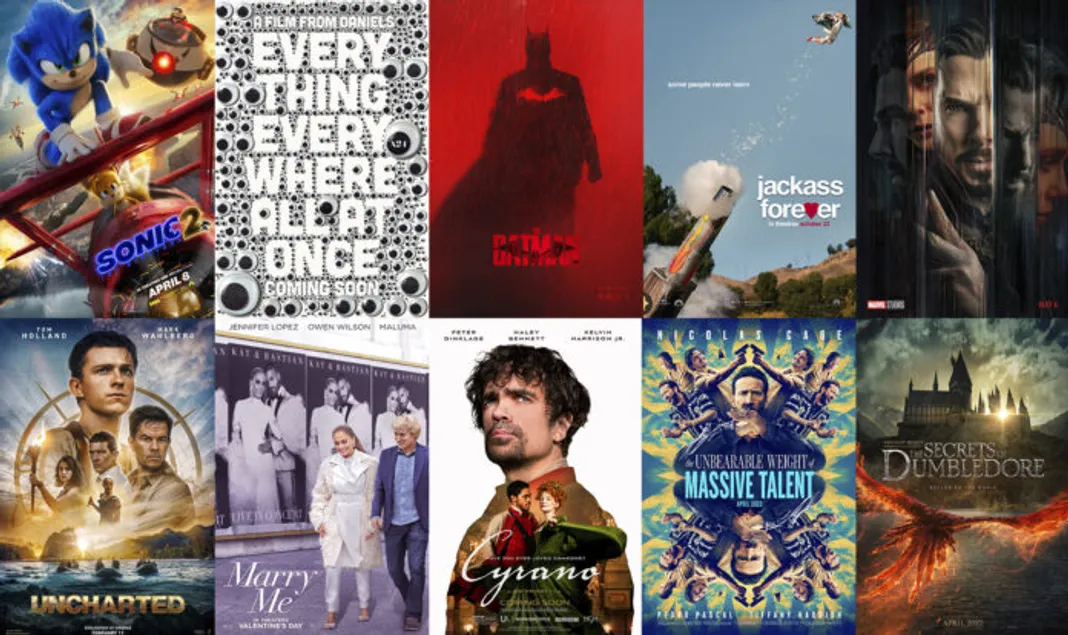
To understand the current state of theatrical releases, one must look beneath the surface of the marquee. Today’s cinema is a high-tech ecosystem where laser projection, object-based audio, and artificial intelligence converge to create a sensory experience that justifies the premium ticket price.
The Digital Projection Revolution and Laser Clarity
The transition from 35mm film to digital projection was the first major tech hurdle of the 21st century, but the current frontier is the move from Xenon bulb-based projectors to RGB Pure Laser systems. When we examine the titles currently in theaters, the visual fidelity of these films is largely determined by the projection technology of the specific auditorium.
From Xenon to RGB Pure Laser
Traditional digital projectors rely on high-pressure Xenon lamps. While effective, these lamps suffer from brightness decay over time and a limited color gamut. In contrast, the latest laser projection systems—such as those developed by Barco and Christie—offer a much higher contrast ratio and a brightness level that remains consistent throughout the equipment’s lifespan. This technology allows for a Rec. 2020 color space, which provides a significantly wider range of colors than the standard Rec. 709 used in older digital systems or home televisions. When high-budget blockbusters are released today, they are increasingly mastered specifically for these laser environments to showcase high-dynamic-range (HDR) content.
4K Resolution and High Frame Rate (HFR)
While 4K resolution has become a standard in home entertainment, the theater environment utilizes “True 4K” with higher bitrates and less compression via Digital Cinema Packages (DCPs). Furthermore, the industry is experimenting with High Frame Rate (HFR) technology. Traditionally, movies are projected at 24 frames per second (fps). However, tech-heavy releases sometimes utilize 48fps, 60fps, or even 120fps to eliminate motion blur and provide a hyper-realistic “soap opera effect” that is particularly effective in 3D environments. This technological shift requires massive processing power and updated server hardware within the projection booth.
Immersive Audio Tech: Beyond Surround Sound
When asking what movies are out, the auditory experience is often the deciding factor for technical purists. The industry has moved far beyond 5.1 or 7.1 surround sound, entering the era of “object-based audio.”
Dolby Atmos and Object-Based Audio
The gold standard for modern theatrical sound is Dolby Atmos. Unlike channel-based systems, where sound is mixed for specific speakers, Atmos treats sounds as individual “objects” in a three-dimensional space. The software allows sound engineers to place a sound effect at a specific coordinate in the theater, and the system’s processor intelligently determines which speakers to activate to achieve that effect. This can include overhead speakers, creating a “hemisphere” of sound. For current action and sci-fi releases, the Atmos mix is a primary selling point, requiring theaters to invest in complex arrays of individual power amplifiers and digital signal processors (DSPs).
The Engineering of Sound-Transparent Screens
A less-discussed but vital piece of tech in the modern theater is the acoustically transparent screen. To ensure that dialogue feels as though it is coming directly from the characters’ mouths, massive speaker arrays are placed directly behind the projection surface. These screens are engineered with thousands of tiny perforations or specialized weaves that allow sound waves to pass through without distorting the visual image. The engineering challenge is to maintain a high gain (reflectivity) for the light while ensuring the holes are small enough to be invisible to the audience, even in 4K or 8K environments.
Artificial Intelligence and the Optimized Viewer Journey

The technology of “what movies are out” also extends to the backend systems that manage how those movies are scheduled and marketed. Artificial Intelligence (AI) and machine learning are now the primary drivers of theater operations.
Dynamic Scheduling and Predictive Algorithms
Theater chains now use sophisticated AI-driven software, such as those provided by Gower Street Analytics or Vista Group, to predict box office performance. These algorithms analyze historical data, social media sentiment, and local demographics to decide which movies should play on which screens and at what times. This “dynamic scheduling” ensures that high-demand films are allocated to the largest auditoriums with the best tech (like IMAX), while niche titles are placed in smaller rooms. This optimization maximizes revenue and ensures that the technical infrastructure of the theater is used efficiently.
Personalized Content and Mobile Integration
The digital journey of a moviegoer starts long before they reach the lobby. Advanced CRM (Customer Relationship Management) tools use AI to send personalized notifications via mobile apps. If a user has a history of watching sci-fi films in IMAX, the app’s algorithm will prioritize “what movies are out” in that specific format, offering targeted promotions and mobile-only loyalty rewards. Integrated API systems allow for seamless ticketing, seat selection, and even pre-ordering of concessions, all synchronized in real-time across the theater’s internal network to prevent overbooking or logistical bottlenecks.
Emerging Formats: 4DX, ScreenX, and Sensory Tech
For some, the standard screen is no longer enough. The current theatrical market includes “experiential” technologies that turn a movie into a theme-park-style attraction.
4DX: The Fusion of Haptics and Environmental Tech
4DX technology, developed by CJ 4DPLEX, incorporates motion-synchronized seats and environmental effects. The tech stack for a 4DX theater includes pneumatic or electric actuators in the seats that provide three axes of motion: heave, roll, and pitch. Beyond motion, these auditoriums are equipped with hardware to simulate wind, rain, fog, lightning, and even scents. This requires a dedicated “track” in the movie’s digital file that controls these peripherals, ensuring perfect synchronization with the on-screen action.
ScreenX and Multi-Projection Tech
Another emerging tech is ScreenX, which provides a 270-degree panoramic view by utilizing the side walls of the theater as additional screens. This is achieved through a multi-projection system where software “stitches” images together to create a seamless wrap-around effect. The challenge here is not just in the projection, but in the content creation; filmmakers must capture extra footage or use AI-driven visual effects to extend the frame beyond the traditional 16:9 or 2.39:1 aspect ratios.
Digital Security and the Distribution Pipeline
The security tech involved in bringing a movie to the theater is some of the most robust in the software world. To prevent piracy, “what movies are out” are protected by layers of high-end encryption.
Forensic Watermarking and High-End Encryption
Every movie shown in a modern theater is delivered as an encrypted Digital Cinema Package (DCP). To play the movie, the theater’s server must receive a Key Delivery Message (KDM), a specialized security token that only works for a specific projector during a specific window of time. Furthermore, many projectors now utilize forensic watermarking tech. This embeds an invisible code into the projected image that identifies the specific theater, projector, and timestamp. If a film is recorded by a pirate, studios can use software to trace the source of the leak back to the exact auditorium.

The Shift to Satellite and Cloud-Based Delivery
Historically, DCPs were shipped to theaters on physical hard drives. Today, the industry is moving toward satellite and fiber-optic cloud delivery. Services like GDC Technology and Deluxe enable theaters to download massive files (often hundreds of gigabytes) directly to their local servers. This cloud-based approach allows for faster updates, easier management of “alternative content” (like live concerts or esports), and a more agile response to which movies are out and performing well.
As we look at the current theatrical landscape, it is clear that the theater is no longer just a place to watch a story; it is a high-tech venue for premium digital experiences. From the laser-driven visuals to the AI that schedules the screenings, technology is the silent protagonist in the story of modern cinema. Whether it is through the lens of a 4K laser projector or the haptic feedback of a moving seat, the tech behind the screen ensures that the theater remains the definitive way to experience the world’s most ambitious cinematic works.
aViewFromTheCave is a participant in the Amazon Services LLC Associates Program, an affiliate advertising program designed to provide a means for sites to earn advertising fees by advertising and linking to Amazon.com. Amazon, the Amazon logo, AmazonSupply, and the AmazonSupply logo are trademarks of Amazon.com, Inc. or its affiliates. As an Amazon Associate we earn affiliate commissions from qualifying purchases.