
The allure of the silver screen remains a powerful draw, offering an escape into fantastical worlds, gripping dramas, and uproarious comedies. Yet, for many consumers, the question “how much do movie tickets cost?” has become increasingly complex, extending beyond a simple numerical answer. It delves into the economics of entertainment, personal finance strategies, and the perceived value of an experience in an age of abundant home viewing options. Understanding the true cost of a movie ticket, and indeed an entire cinematic outing, requires a nuanced perspective on market dynamics, consumer behavior, and the financial models that underpin the film exhibition industry.
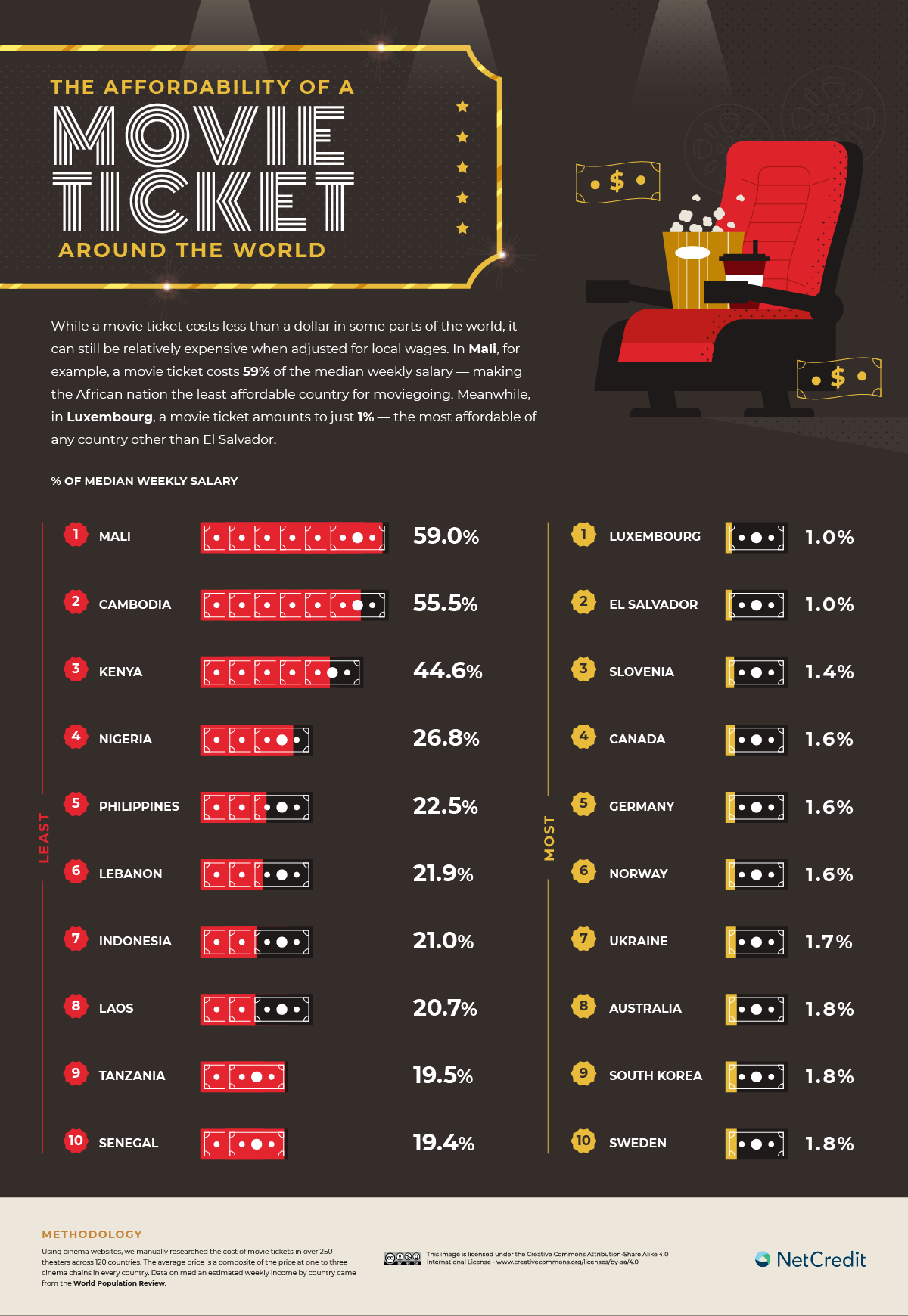
The Shifting Sands of Ticket Pricing: Factors Influencing Your Bill
The price of a movie ticket is far from uniform. It’s a dynamic figure influenced by a myriad of factors, creating a complex pricing structure that can vary significantly from one showing to the next, even within the same city. For the financially savvy consumer, recognizing these variables is the first step towards managing entertainment budgets effectively.
Geographic Location and Market Dynamics
Perhaps the most significant determinant of ticket prices is geography. Major metropolitan areas with higher costs of living and greater demand typically command higher ticket prices compared to suburban or rural locations. For instance, a prime-time showing in Manhattan or Los Angeles will almost invariably be more expensive than the same movie in a smaller town. This disparity reflects local operating costs for theaters (rent, wages, utilities), regional economic conditions, and the competitive landscape among local cinemas. A city with numerous multiplexes might see more competitive pricing than one with a single dominant cinema chain.
Cinema Type and Exhibition Formats (Standard vs. Premium)
Not all screens are created equal, and neither are their prices. A standard 2D showing in a traditional auditorium represents the baseline cost. However, the proliferation of premium formats has introduced a tiered pricing system. IMAX, 3D, Dolby Cinema, D-Box, 4DX, and other immersive experiences offer enhanced visuals, sound, and even physical sensations, but at a premium. These formats require significant technological investment from theaters and studios, costs that are naturally passed on to the consumer. For example, a 3D movie might add $3-$5 to a standard ticket, while an IMAX 3D showing could add even more, reflecting the superior resolution and audio experience. Understanding these format options allows consumers to weigh the desire for an enhanced experience against the additional financial outlay.
Day and Time of Week: The Weekend Premium
The demand curve plays a crucial role in ticket pricing. Unsurprisingly, weekend evenings – Friday and Saturday nights – represent peak demand. Theaters capitalize on this by charging their highest prices during these coveted slots. Conversely, weekday matinee showings (before 5 or 6 PM) are often significantly cheaper, sometimes by as much as 30-50%. Tuesdays are a particularly popular discount day in many regions, with some chains offering special “Bargain Tuesday” rates to stimulate attendance during an otherwise slow period. This temporal pricing strategy allows theaters to maximize revenue during high-demand periods while attracting budget-conscious viewers during off-peak hours.
Age-Based Discounts and Special Promotions
Many cinemas offer discounts for specific demographics. Children (typically under 12), seniors (usually 60 or 65+), and sometimes students (with valid ID) can often purchase tickets at a reduced rate. These discounts are a marketing tool to broaden accessibility and encourage family outings or senior engagement. Additionally, theaters frequently run special promotions, such as early bird specials for the first show of the day, loyalty program discounts, or partnerships with credit card companies or local businesses. Keeping an eye out for these offers can lead to substantial savings, making a trip to the movies more affordable for various segments of the population.
Beyond the Ticket: The True Cost of a Movie Outing
Focusing solely on the ticket price provides an incomplete picture of the financial commitment involved in a trip to the cinema. For many, the “true cost” of a movie outing extends far beyond the entry fee, encompassing a range of ancillary expenses that can quickly inflate the total bill. A comprehensive personal finance approach requires considering all these elements.
Concession Stand Economics: Popcorn, Drinks, and Candy Markups
The concession stand is arguably where moviegoers spend the most, often unknowingly doubling or tripling their initial ticket expense. Cinemas operate on notoriously thin margins from ticket sales, with a significant portion of that revenue going to film distributors. Therefore, concessions represent a critical profit center for theaters. The markups on items like popcorn, soda, and candy are substantial, often reaching 300-1000% over wholesale cost. A large popcorn and drink combo, for instance, can easily cost $15-$20 or more. For families or groups, these costs can escalate rapidly, transforming an affordable movie ticket into an expensive outing. Understanding this economic model can empower consumers to make more informed choices, such as eating beforehand or bringing their own snacks where permitted.
Transportation and Parking Expenses
Getting to the cinema also carries a cost. For those driving, parking fees can be a significant addition, particularly in urban areas where garages can charge $10-$20 or more for a few hours. Even free parking incurs the cost of gasoline and vehicle wear and tear. Public transportation, while often cheaper than driving and parking, still represents a financial outlay. Ride-sharing services, while convenient, can also add a considerable sum to the overall expense, especially during peak hours. Budgeting for these transportation costs is an essential part of calculating the total expense of a movie night.
Ancillary Entertainment and Dining Before/After
A trip to the movies often isn’t an isolated event; it’s frequently part of a larger social outing. Many people opt to have dinner or drinks before or after the show, transforming a simple film viewing into a full evening of entertainment. While these activities are discretionary, they are often linked mentally to the movie experience and contribute to the overall “cost of the outing.” A casual dinner at a mid-range restaurant for two, combined with movie tickets and concessions, can easily push the total expenditure past the $100 mark, highlighting the importance of holistic financial planning for leisure activities.
The Experiential Premium: Is it Worth It?
Ultimately, the “true cost” isn’t just a monetary figure; it’s also a value proposition. In an era where streaming services offer vast libraries of content for a monthly subscription fee, the theatrical experience must justify its premium price tag. For many, the large screen, immersive sound, communal atmosphere, and absence of home distractions provide an irreplaceable value. For others, the convenience and cost-effectiveness of home viewing outweigh the benefits of the cinema. This personal valuation of the “experiential premium” plays a significant role in a consumer’s decision-making process and their perception of what constitutes a “fair” price.
Strategies for Smart Movie-Going: Maximizing Value and Minimizing Spend
For those who cherish the theatrical experience but also want to be financially prudent, several strategies can help reduce the cost of a movie outing without entirely sacrificing the enjoyment. These tips leverage various pricing models and consumer habits to stretch entertainment budgets further.
Leveraging Loyalty Programs and Subscription Passes
Many major cinema chains offer loyalty programs that reward frequent moviegoers with points, discounts, and sometimes free tickets or concessions. These programs are invaluable for regular attendees. Beyond points systems, several chains have introduced subscription passes (e.g., AMC Stubs A-List, Regal Unlimited) that allow members to see multiple movies per month for a fixed monthly fee. For individuals who see two or more movies a month, these passes often pay for themselves, offering significant savings compared to purchasing individual tickets. It’s crucial to analyze one’s movie-going habits to determine if a subscription model offers genuine value.
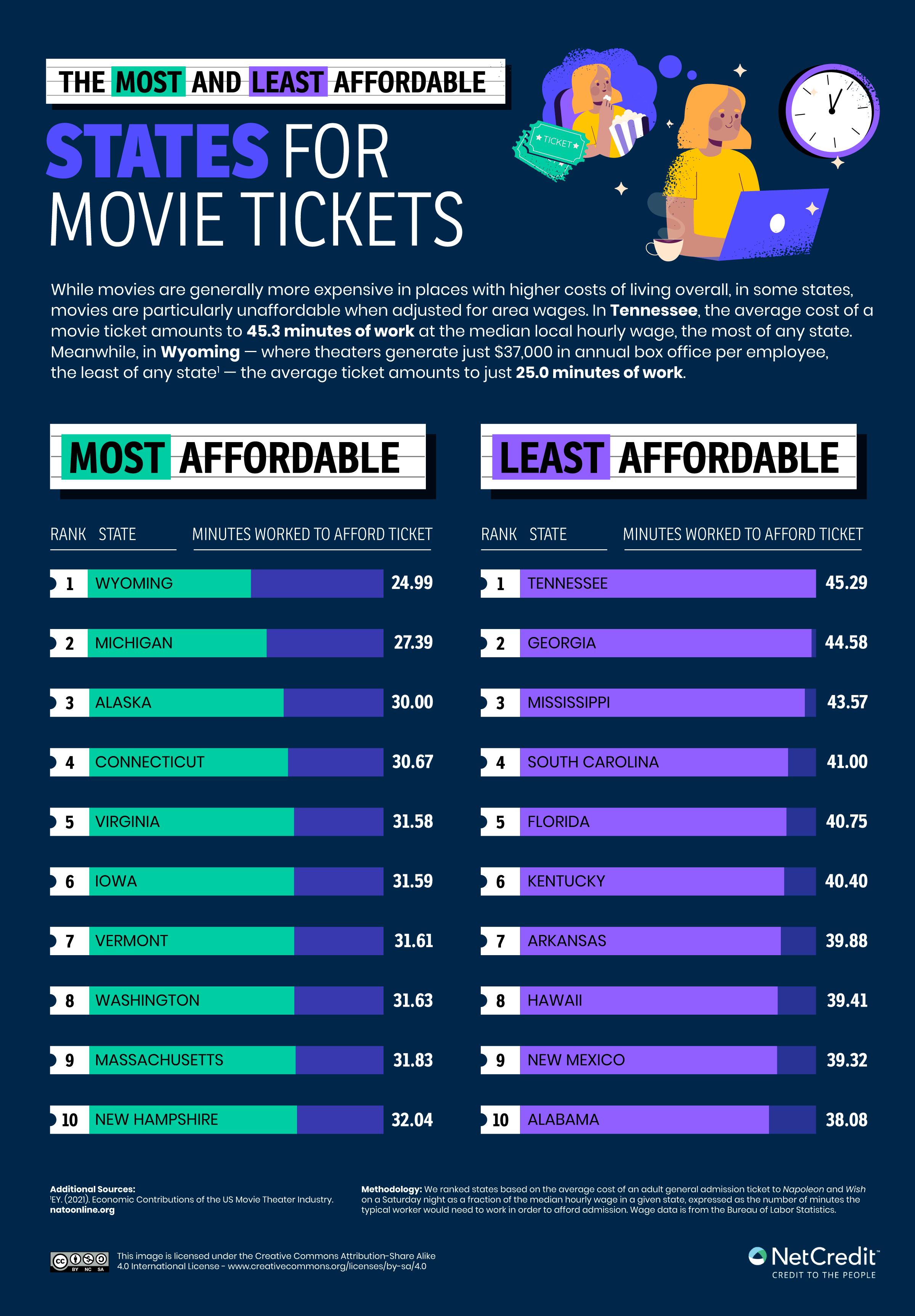
Utilizing Matinee Showings and Discount Days
As previously noted, timing is everything. Opting for weekday matinee showings can dramatically reduce ticket costs. If your schedule allows, catching an afternoon film on a Tuesday, Wednesday, or Thursday can be a highly effective cost-saving strategy. Many theaters also designate specific “discount days” (often Tuesdays) where all tickets are sold at a reduced price, making it an ideal time for budget-conscious viewers to catch the latest releases. Adjusting your movie-going schedule can unlock considerable savings over time.
Group Discounts and Family Packs
For families or groups, look for special family packs or group rates. Some cinemas offer bundles that include tickets and concessions at a lower combined price than if purchased separately. Organizing a group outing might also qualify for bulk discounts, especially for larger parties. While not universally available, inquiring about such options can lead to unexpected savings. Planning ahead and coordinating with friends or family can turn a potential large expense into a more manageable one.
The Power of BYO (within policy) and Pre-Purchased Snacks
To combat the high cost of concession stand items, consider bringing your own snacks and beverages where allowed. While most cinemas prohibit outside food and drinks, some independent theaters or smaller chains might be more lenient. If bringing outside items isn’t an option, a more universally accepted strategy is to purchase snacks from a grocery store or convenience store before arriving at the cinema. A bag of candy or a soda from a supermarket will cost a fraction of the price at the concession stand. This simple act of pre-purchasing can lead to substantial savings, especially for groups or families.
The Financial Landscape of Cinema: Why Tickets Aren’t Getting Cheaper
Understanding why movie tickets cost what they do requires looking at the broader economic forces affecting the film exhibition industry. It’s not simply about greed; theaters face numerous financial pressures that dictate their pricing strategies.
Rising Operational Costs for Theaters
Running a modern cinema is an expensive endeavor. Real estate costs, particularly in desirable urban locations, are continuously rising. Labor costs (wages for projectionists, ushers, cleaning staff, management) also increase, especially with minimum wage adjustments. Utilities, insurance, and maintenance of large, complex venues represent substantial ongoing expenses. These fixed and variable operational costs must be covered, and ticket sales, along with concession revenue, are the primary means to do so.
Technology Upgrades and Premium Formats (IMAX, 3D, D-Box)
The arms race in cinematic technology is another significant driver of costs. To compete with home entertainment systems and offer a truly differentiated experience, theaters invest heavily in state-of-the-art projection systems (laser projectors), immersive sound (Dolby Atmos), comfortable seating (recliners), and specialized formats like IMAX, 3D, and D-Box. These upgrades are not cheap; the equipment, installation, and ongoing maintenance represent massive capital expenditures that must eventually be recouped through ticket sales. The “premium” pricing for these formats directly reflects these technological investments.
Studio Demands and Revenue Sharing
A substantial portion of every ticket sold does not stay with the cinema. Film studios, which bear the immense costs of producing and marketing blockbusters, negotiate a significant share of ticket revenue. This revenue-sharing agreement can vary but often starts with the studio taking a high percentage (e.g., 60-70% or even higher for opening weekends) which then gradually decreases over the film’s theatrical run. This means that for a $15 ticket, a theater might only retain a few dollars, or even less, particularly during the crucial opening weeks. This financial dynamic underscores why concessions are so vital for theater profitability.
Competition from Streaming Services
The rise of streaming platforms like Netflix, Disney+, Max, and others has fundamentally altered the entertainment landscape. Consumers now have an unprecedented array of content available instantly and affordably at home. This intense competition puts pressure on theaters to justify their higher price point and unique value proposition. To survive, cinemas must continuously innovate and offer experiences that cannot be replicated at home, which often entails further investment and, subsequently, higher ticket prices to cover those costs.
The Future of Movie Ticket Pricing: What Consumers Can Expect
The cinema industry is in constant evolution, and so too are its pricing strategies. As technology advances and consumer habits shift, the way we pay for movie tickets is likely to become even more dynamic and personalized.
Dynamic Pricing Models and AI Optimization
Just as airlines and ride-sharing services use dynamic pricing, where prices fluctuate based on demand, time, and other factors, cinemas are increasingly exploring similar models. AI-driven algorithms could optimize ticket prices in real-time based on historical data, local events, weather, movie popularity, and even individual consumer profiles. This could mean different prices for different seats in the same auditorium or highly variable pricing based on anticipated demand for specific showtimes. While potentially leading to higher prices during peak demand, it could also offer more opportunities for discounts during off-peak periods.
Hybrid Release Strategies and the Premium Video-On-Demand (PVOD) Impact
The pandemic accelerated the trend of hybrid release strategies, where films are released simultaneously in theaters and on streaming platforms (often for an additional PVOD fee). This blurs the lines between theatrical and home viewing and could impact ticket prices. If studios see significant revenue from PVOD, they might demand a larger share of theatrical ticket sales, or conversely, theaters might be pressured to lower prices to incentivize theatrical attendance over home viewing. The equilibrium between these models is still being established, but it will undoubtedly shape future pricing.
Subscription Models and All-You-Can-Watch Passes
The success of existing cinema subscription passes suggests that these models could become more widespread and sophisticated. We might see tiered subscription plans offering different levels of access, or even partnerships between multiple cinema chains. Furthermore, the concept of “all-you-can-watch” could extend beyond a single chain, offering a Netflix-like subscription for theatrical content across various venues. These models aim to create sticky customer relationships and recurring revenue, potentially offering better long-term value for frequent moviegoers.

The Enduring Value of the Theatrical Experience
Despite the evolving pricing and competitive landscape, the theatrical experience continues to hold unique value for many. The magic of the big screen, the communal experience, and the temporary escape from daily life are difficult to replicate at home. As pricing strategies adapt to reflect market realities and technological advancements, cinemas will continue to emphasize this unique experiential premium. Consumers will increasingly weigh the monetary cost against the perceived value of this distinct outing, making informed decisions that balance their financial budgets with their desire for cinematic immersion. Understanding the “how much” of movie tickets will therefore remain a vital component of personal finance for entertainment.
aViewFromTheCave is a participant in the Amazon Services LLC Associates Program, an affiliate advertising program designed to provide a means for sites to earn advertising fees by advertising and linking to Amazon.com. Amazon, the Amazon logo, AmazonSupply, and the AmazonSupply logo are trademarks of Amazon.com, Inc. or its affiliates. As an Amazon Associate we earn affiliate commissions from qualifying purchases.