
The simple question, “how much is a movie ticket?”, opens a fascinating discussion not just about a single price point, but about the intricate economics of entertainment, personal finance, and the evolving value proposition of a night out at the cinema. For many, going to the movies is a cherished ritual, a shared cultural experience, or a simple escape. Yet, as inflation bites and household budgets tighten, understanding the true cost of this popular pastime becomes increasingly important. This article delves into the various financial layers of moviegoing, from the direct ticket price to the peripheral expenses, offering insights into how consumers can budget effectively and discern the genuine value of their cinematic adventures.
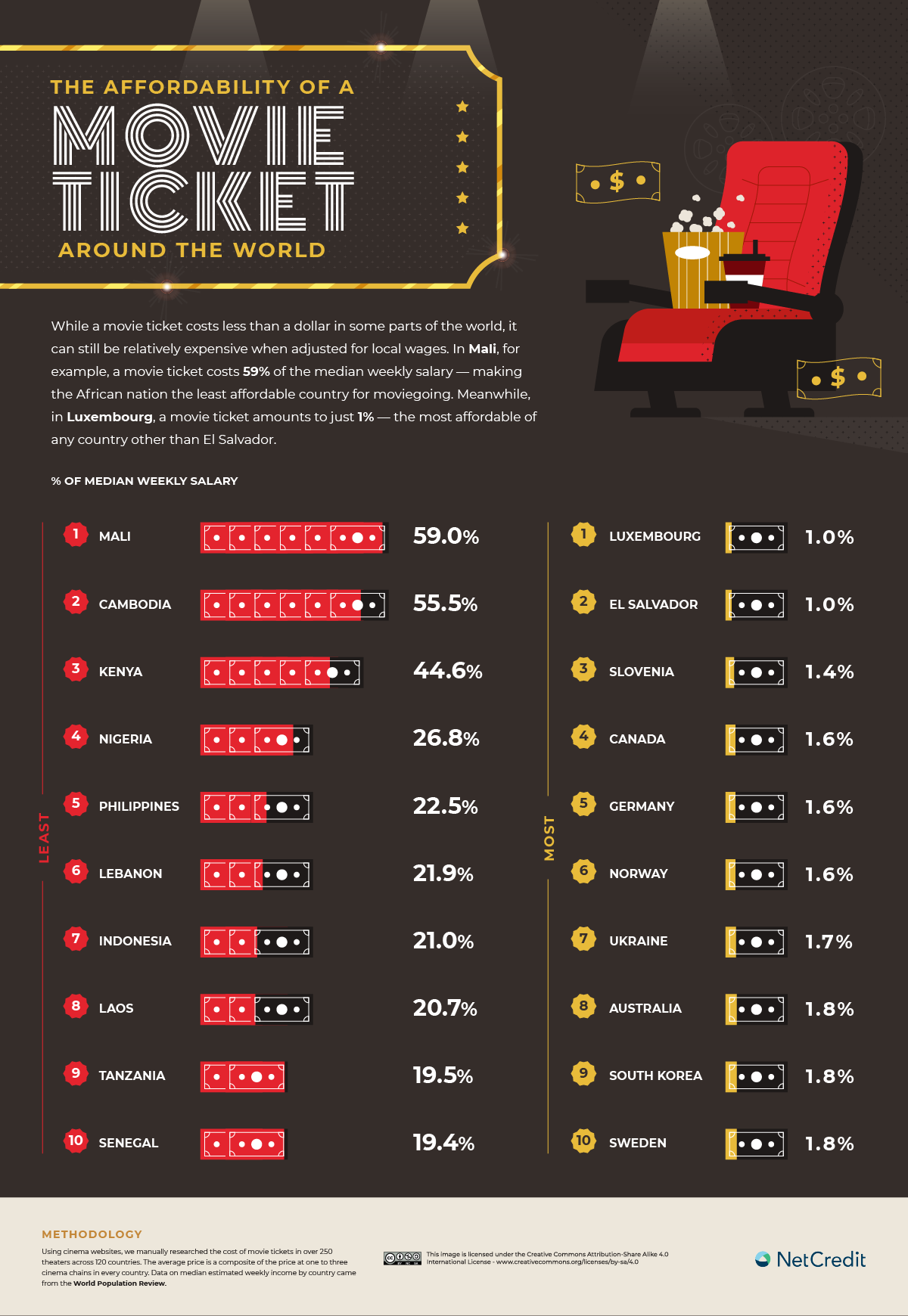
The Evolving Landscape of Movie Ticket Prices
The price of a movie ticket is far from static; it’s a dynamic figure influenced by a multitude of factors, reflecting both global economic trends and localized market conditions. Understanding these variables is the first step in demystifying the cost.
Factors Influencing Ticket Costs
Several key elements contribute to the variability in movie ticket prices across different locations and times.
-
Geographic Location: Much like real estate, cinema ticket prices often reflect the cost of living and operational expenses in a given area. A ticket in a major metropolitan city like New York or London will almost invariably be more expensive than one in a suburban town or a less populated rural area. This is due to higher rent for prime locations, increased labor costs, and often a more affluent consumer base willing to pay a premium.
-
Time of Day and Week: Cinemas strategically employ differential pricing based on demand. Matinee showings (before late afternoon) and weekday screenings are typically cheaper than evening shows, especially on Fridays and Saturdays, which are peak times. This allows cinemas to optimize attendance across less popular slots and maximize revenue during high-demand periods.
-
Format and Technology: Standard 2D showings are the baseline. However, the advent of advanced viewing experiences has introduced significant price tiers. IMAX, 3D, Dolby Cinema, 4DX, and other premium large formats (PLFs) offer enhanced visual and auditory experiences, but come with a substantial surcharge. These formats require specialized equipment, more complex projection systems, and often more extensive auditorium maintenance, all of which contribute to higher ticket prices.
-
Seating Comfort and Luxury: Many modern cinemas, particularly multiplexes, now offer luxury seating options such as recliners, reserved seating, and even in-seat dining services. While these amenities significantly enhance comfort and convenience, they also command a higher price point, transforming a standard movie outing into a more upscale experience.
-
New Release vs. Older Films: While less common in the primary exhibition window, some pricing models may subtly adjust for the freshness of a release, though this is more typically seen in streaming or on-demand rentals. However, for films that have been out for a few weeks, some cinemas might offer discounted showings to maintain interest.
-
Taxation and Local Regulations: Local taxes and entertainment levies can also add a percentage to the base ticket price, varying by state, province, or country.
Historical Trends and Inflation’s Role
Looking back, the price of a movie ticket has steadily climbed over the decades. In the 1970s, a ticket might have cost a few dollars; today, it’s often over $10, and significantly more for premium formats. This increase is partly attributable to general inflation, which erodes the purchasing power of money over time. As the cost of goods and services rises across the economy, so too do the operational costs for cinemas – rent, utilities, labor, film licensing fees, and equipment upgrades.
Beyond general inflation, the cinema industry has also faced unique pressures. The capital expenditure required for digital projection, surround sound systems, and luxurious seating upgrades is substantial. These investments are made to compete with the ever-improving quality of home entertainment systems, justifying a higher price point by offering an experience that cannot be replicated at home. However, this also means that the “average” ticket price might not truly reflect the entry-level cost, as the market increasingly offers differentiated products.
Premium Experiences: IMAX, 3D, and Luxury Seating
The diversification of the cinema experience is a major driver of varying ticket prices. IMAX screens, known for their massive size and immersive sound, can add anywhere from $3 to $8 to a standard ticket. 3D screenings, while less ubiquitous than a decade ago, also carry an additional charge, often around $2-$4, primarily to cover the cost of specialized projection and the disposable (or reusable) glasses.
Luxury seating, which often includes electric recliners, wider berths, and sometimes even heating elements, is becoming a standard feature in newer or renovated cinemas. These seats are typically part of a reserved seating system, and the premium can range from a modest $1-$2 up to $5-$10 or more, especially if coupled with in-seat food and beverage service. While these options significantly enhance comfort, they also push the total cost of a movie night much higher, transforming it from a casual outing into a more deliberate, budgeted experience.
Beyond the Ticket: The Hidden Costs of a Cinema Trip
Focusing solely on the ticket price provides an incomplete picture of the financial outlay for a movie night. A significant portion of the total expenditure often comes from complementary purchases and associated logistics, which can easily double or triple the initial ticket cost.
Concessions: A Major Expenditure
For many moviegoers, popcorn, soda, and candy are integral to the cinema experience. However, these concession items are notoriously expensive. The markup on popcorn, drinks, and sweets is extraordinarily high, often representing the primary profit margin for cinemas, as a large percentage of ticket sales goes back to film distributors. A large popcorn and a soda can easily cost $15-$20, surpassing the price of a single ticket in many locations. Add a candy bar or a hot dog, and the total can quickly escalate. From a personal finance perspective, this is often the most discretionary and controllable expense during a cinema visit.
Transportation and Parking Fees
Getting to the cinema itself incurs costs. For those driving, gasoline expenses need to be considered, especially with fluctuating fuel prices. More significantly, parking fees, particularly in urban areas or popular entertainment complexes, can add a substantial amount to the overall bill. Hourly parking rates can quickly accumulate, turning a two-and-a-half-hour movie into a $10-$20 parking expense. Public transport, while often cheaper, still requires a fare. Even walking or cycling has an implicit “cost” in terms of time and effort. These seemingly minor logistical expenses can subtly inflate the total cost of a movie outing.
The Opportunity Cost of Your Time
While not a direct monetary expense, the concept of “opportunity cost” is crucial in financial decision-making. Spending two to three hours at the cinema, plus travel time, means those hours cannot be used for other activities that might generate income (e.g., a side hustle), further personal development, or simply less expensive forms of leisure. For someone who values their time highly, or for whom time is literally money, the value derived from the movie experience must be weighed against what else could have been done with that time and the associated financial outlay. This intangible cost is particularly relevant when considering the growing number of high-quality, often cheaper, entertainment options available at home.
Budgeting for Entertainment: Smart Strategies for Moviegoers
Given the rising costs, smart financial planning can significantly reduce the strain of cinema visits on one’s budget without sacrificing the enjoyment. Numerous strategies exist for the financially savvy moviegoer.
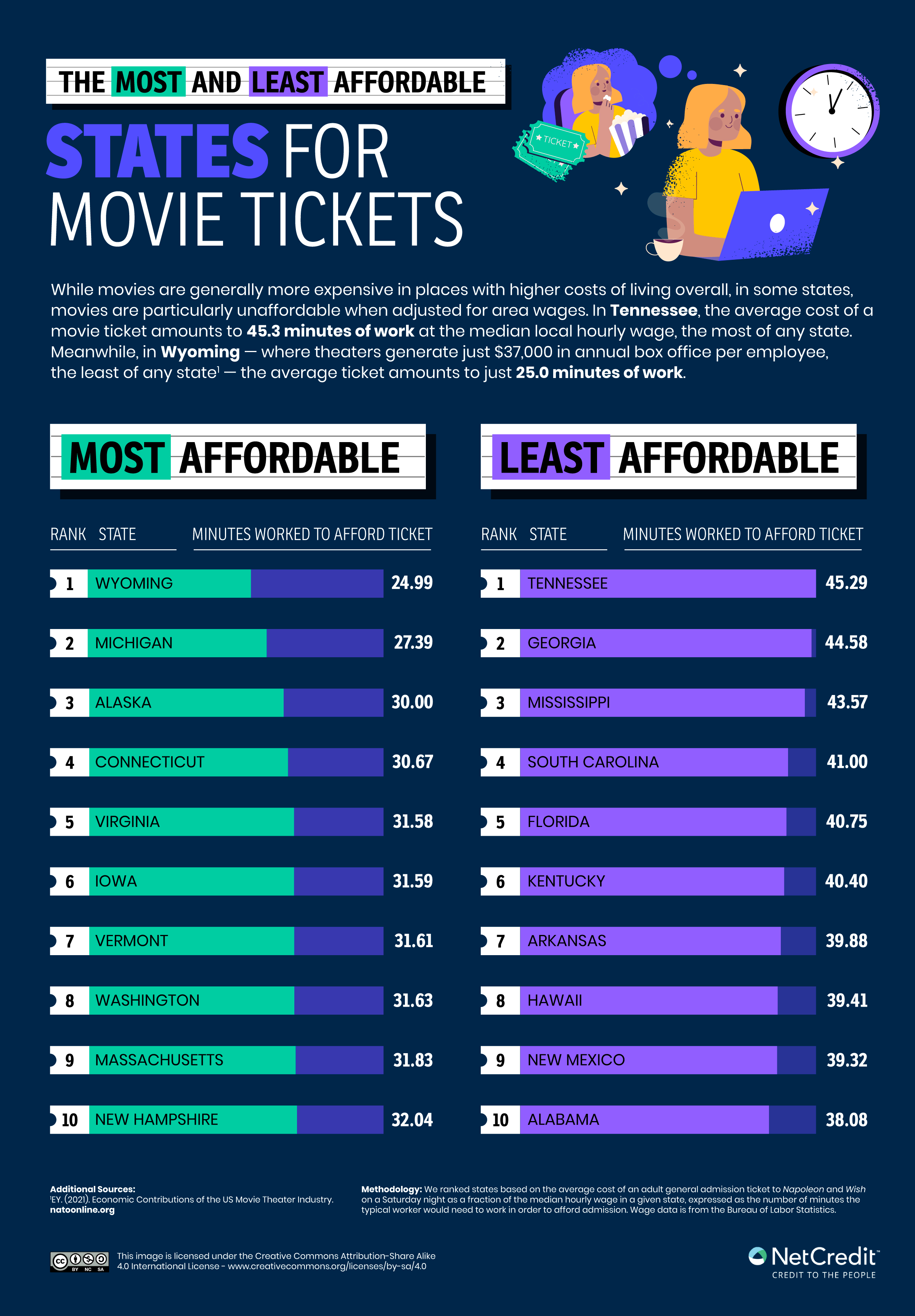
Leveraging Matinee Prices and Discount Days
The simplest and most effective way to save money on movie tickets is to adjust the timing of your visit. Matinee showings, typically scheduled before 5 PM, are consistently cheaper than evening screenings. Similarly, many cinemas offer specific discount days, often on Tuesdays or Wednesdays, where all tickets are sold at a reduced price, sometimes as low as half the peak rate. Planning your movie outings around these times can lead to substantial savings over the course of a year. Being flexible with your schedule is key to unlocking these cost benefits.
Subscription Services and Loyalty Programs
The cinema industry has responded to consumer demand for better value through various membership and subscription models.
-
Cinema-Specific Subscriptions: Chains like AMC Stubs A-List, Regal Unlimited, or Cinemark Movie Club offer monthly subscriptions that allow members to see multiple movies per month for a flat fee. These plans can be incredibly cost-effective for frequent moviegoers, often paying for themselves after just one or two visits. However, it’s crucial to analyze one’s viewing habits to ensure the subscription is truly economical.
-
Loyalty Programs: Most major cinema chains operate free loyalty programs. These programs typically allow members to earn points on ticket and concession purchases, which can then be redeemed for discounts, free items, or even free tickets. Some also offer exclusive access to members-only screenings or special discounts on specific days. Signing up for these programs is a no-brainer, as they provide incremental savings without any upfront cost.
-
Third-Party Discount Platforms: Websites and apps like Atom Tickets or Fandango sometimes offer promotional codes or discounts for specific movies or chains. Additionally, membership organizations, credit card companies, or even employers may provide exclusive deals on movie tickets as a perk. It’s always worth checking for these options before purchasing.
The Rise of Home Entertainment as a Cost-Effective Alternative
The past decade has witnessed a revolution in home entertainment, posing a significant challenge to the traditional cinema model. High-definition televisions, advanced sound systems, and the proliferation of streaming services like Netflix, Disney+, Max, and Hulu offer an unparalleled array of content from the comfort of one’s home.
-
Streaming Services: For a monthly fee, streaming services provide access to vast libraries of films and TV shows, including many new releases that become available shortly after their theatrical run, or even premiere directly on the platform. The cost per view is negligible when spread across numerous watches.
-
Video-on-Demand (VOD) and Digital Rentals/Purchases: Many new films become available for digital rental or purchase within weeks or a few months of their theatrical debut. While a new rental might cost $19.99, it can be watched by an entire household, effectively making the cost per person significantly lower than individual cinema tickets. Digital purchases offer permanent ownership, increasing the value proposition for frequently rewatched films.
-
Enhanced Home Setup: Investing in a good home theater system (a large screen TV, a soundbar, or a surround sound system) can create a highly immersive viewing experience that, while initially costly, provides long-term value and convenience compared to repeated cinema visits. For families, the cumulative savings from watching movies at home versus multiple cinema tickets and concessions can be substantial over time.
The Value Proposition: Is the Cinema Experience Still Worth the Price?
Ultimately, the decision of “how much is too much” for a movie ticket boils down to an individual’s perceived value. Is the unique magic of the big screen still worth the increasing financial outlay, especially with so many high-quality alternatives available?
Weighing Experiential Value Against Financial Outlay
The value of a cinema experience extends beyond simply watching a film. It’s about the spectacle – the massive screen, the booming surround sound, the communal experience of watching a story unfold with an audience. For blockbuster films with stunning visuals and immersive sound design, the theatrical presentation often enhances the impact in a way a home setup, no matter how good, cannot fully replicate. This “experiential value” is subjective. For some, it’s priceless; for others, the incremental benefit over a home viewing is not worth the premium price. From a financial perspective, it becomes an exercise in balancing the tangible monetary cost against the intangible emotional and sensory rewards.
The Social and Cultural Aspect of Moviegoing
Beyond the sensory experience, moviegoing holds significant social and cultural weight. It’s a popular first-date activity, a family outing, a way for friends to spend time together, or even a solo treat. The shared laughter, gasps, and applause create a unique atmosphere that fosters a sense of community. Attending a movie on opening weekend is also part of a broader cultural conversation, allowing individuals to engage with contemporary stories and trends. These social and cultural dividends contribute to the perceived value, making the financial investment more palatable for many. It’s an investment in social connection and cultural participation, not just film consumption.
When to Splurge and When to Save
A financially astute approach to moviegoing involves strategic discernment.
-
Splurge for Blockbusters and Event Films: For movies designed for the big screen – action epics, sci-fi spectacles, or animated masterpieces – the premium formats (IMAX, Dolby Cinema) might genuinely enhance the experience enough to justify the higher cost. Similarly, seeing a highly anticipated film on opening weekend can be a splurge justified by the desire to be part of the initial cultural buzz.
-
Save for Indie Films, Dramas, and Re-watches: For character-driven dramas, independent films, or movies that rely less on visual spectacle, the benefits of a premium cinema experience might be negligible. These films often translate perfectly well to a standard screen or even a high-quality home viewing setup. Furthermore, if you’re planning to re-watch a film, waiting for it to hit streaming platforms or VOD services offers a significantly more cost-effective option. This selective approach allows individuals to maximize their enjoyment while minimizing unnecessary expenditure.
Future Outlook: What to Expect from Movie Ticket Pricing
The cinema industry is constantly adapting to technological advancements, shifting consumer habits, and economic pressures. The future of movie ticket pricing is likely to be characterized by innovation and continued diversification.
Dynamic Pricing Models
Just as airlines and ride-sharing services employ dynamic pricing based on demand, time, and other factors, cinemas are likely to further explore and implement sophisticated algorithms to optimize ticket prices. This could mean real-time price adjustments based on seat availability, projected demand for a particular showtime, weather conditions, and even individual consumer profiles (though this raises privacy concerns). While this could lead to lower prices during off-peak times, it also means peak-time tickets might become even more expensive. The goal for cinemas is to maximize revenue per available seat, and for consumers, it means increased vigilance to find the best deals.
The Impact of Streaming Wars
The fierce competition among streaming services and the shortening of the theatrical window (the time between a film’s cinema release and its availability on home platforms) will continue to exert pressure on ticket prices. Cinemas need to provide a compelling reason for audiences to leave their homes and pay a premium. This could lead to a two-pronged strategy: increasing prices for unique, high-value experiences that truly can’t be replicated at home, while potentially offering more competitive pricing for standard showings to attract a broader audience. The “eventization” of moviegoing will likely intensify, focusing on exclusive content, special screenings, and immersive experiences that streaming can’t match.

Innovations in Cinema Technology and Pricing
Technological advancements won’t just be about better pictures and sound; they might also influence how tickets are sold and packaged. We could see more personalized offers, bundling options (e.g., ticket plus meal deals), or even virtual reality (VR) or augmented reality (AR) components integrated into the pre-show or post-show experience, justified by an increased ticket price. The industry may also explore more flexible membership tiers, offering different levels of access and perks to cater to diverse segments of moviegoers.
In conclusion, “how much is a movie ticket” is a question with a complex answer, encompassing not just the stated price but a web of associated costs, personal value judgments, and evolving industry dynamics. By understanding these factors and employing savvy financial strategies, consumers can continue to enjoy the magic of the movies without breaking the bank, ensuring that their entertainment budget aligns with their overall financial goals.
aViewFromTheCave is a participant in the Amazon Services LLC Associates Program, an affiliate advertising program designed to provide a means for sites to earn advertising fees by advertising and linking to Amazon.com. Amazon, the Amazon logo, AmazonSupply, and the AmazonSupply logo are trademarks of Amazon.com, Inc. or its affiliates. As an Amazon Associate we earn affiliate commissions from qualifying purchases.