
For generations, a trip to the movies has been a cherished pastime, a communal ritual offering escape, laughter, and drama on the big screen. Yet, as the curtain rises on each new cinematic season, a persistent question echoes among moviegoers: “How much are movie tickets, really?” The seemingly simple query belies a complex financial landscape, shaped by a myriad of factors ranging from geographic location and viewing format to studio demands and economic currents. Understanding the true cost of a movie ticket, and how to navigate it, is key for any savvy consumer of entertainment.
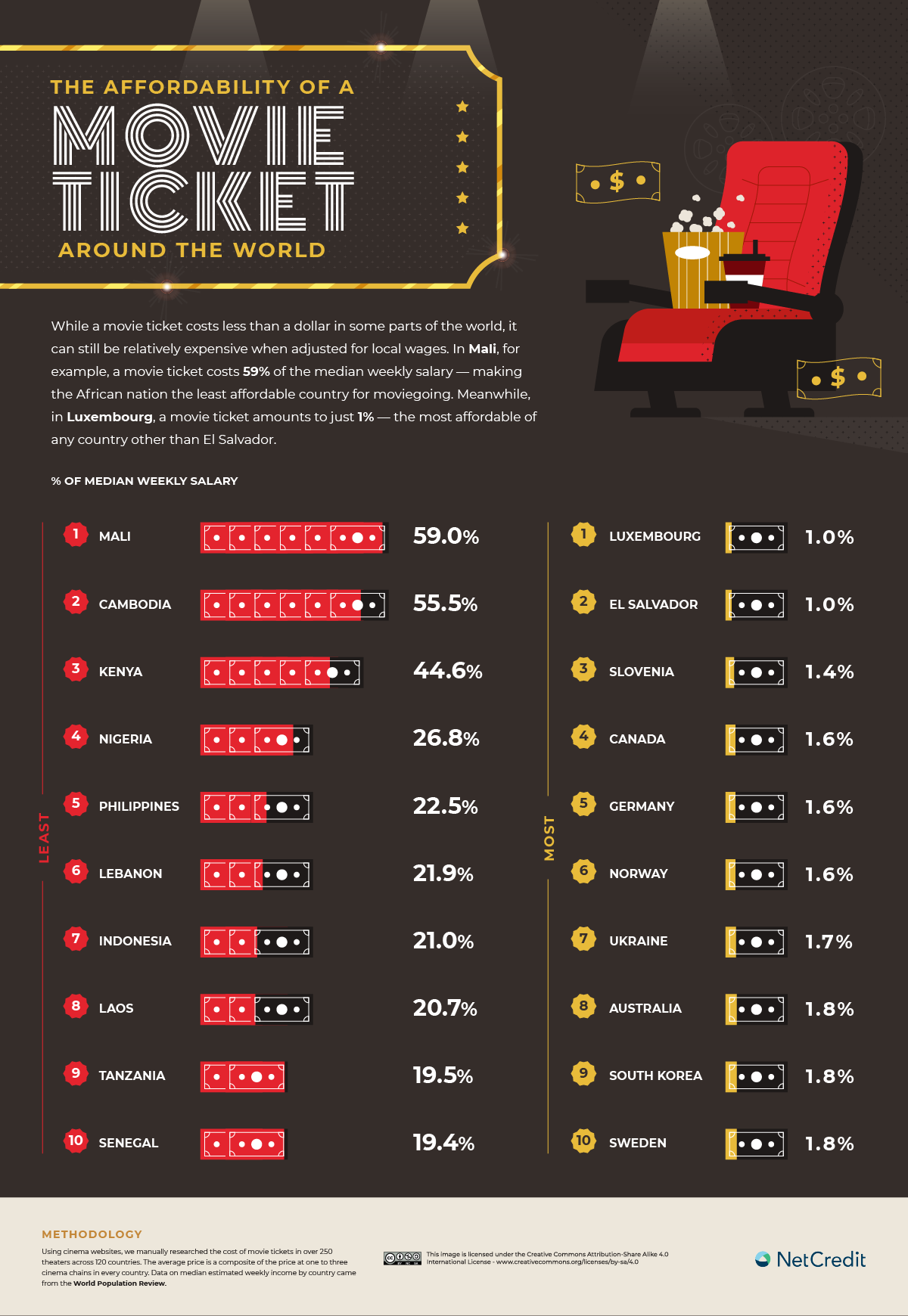
The price you pay at the box office is not a static figure; it’s a dynamic variable, reflecting an intricate financial ecosystem. It’s more than just the admission fee; it’s a gateway into a multi-billion dollar industry grappling with technological shifts, changing consumer habits, and the perpetual balancing act between profitability and accessibility. This article will deconstruct the various components that contribute to movie ticket pricing, offer strategies for optimizing your cinematic budget, and explore the broader economic forces at play, providing an insightful look into the financial heart of the movie-going experience.
The Dynamic Drivers Behind Movie Ticket Pricing
The journey from a film’s inception to its theatrical release involves a monumental financial outlay, much of which ultimately trickles down to the ticket price. Several core elements dictate this cost, making it fluctuate significantly from one cinema to another, and even from one showing to the next.
Geographic and Demographic Variance
One of the most immediate factors influencing ticket prices is location. Movie theaters in bustling urban centers, especially in major metropolitan areas like New York City or Los Angeles, typically command higher prices due to elevated operational costs, including rent, labor, and property taxes. Conversely, cinemas in suburban or rural areas often feature more modest pricing to attract a smaller, more localized customer base. State and local taxes also play a role, adding a variable percentage to the final cost depending on where you reside. Furthermore, the demographic profile of an area can influence pricing strategies; theaters catering to an affluent clientele might offer premium experiences at higher price points, while those in family-oriented communities may emphasize matinee or discount days.
The Premium Experience: Formats and Amenities
Gone are the days when a standard movie screen was the only option. Today, movie theaters offer an array of enhanced viewing experiences, each carrying its own premium surcharge. Formats like IMAX, 3D, Dolby Cinema, 4DX, and D-Box promise increased immersion through larger screens, advanced sound systems, motion seats, or even environmental effects like wind and mist. While these technological advancements undoubtedly enhance the viewing experience, they also come with a significantly higher ticket price, sometimes adding an extra 30-50% to the base cost. Beyond the screen, many modern cinemas provide luxurious amenities such as reclining leather seats, in-seat food and beverage service, and even full-service restaurants within the theater complex. These VIP or “dine-in” options transform a simple movie outing into a premium leisure experience, naturally commanding a higher price tag.
Studio Demands and Distribution Costs
A substantial portion of every ticket sold goes back to the film studios and distributors. Studios invest hundreds of millions, sometimes billions, in producing and marketing blockbuster films. To recoup these costs and generate profit, they negotiate complex revenue-sharing agreements with theater chains. Typically, during the opening weeks of a major release, studios might take anywhere from 60-70% of ticket sales, with the percentage gradually decreasing over the film’s run. This high revenue share for the studios is a primary reason theaters need to charge what they do. Additionally, the costs associated with distributing physical or digital film prints to thousands of cinemas across the country also contribute to the overall financial burden that is eventually passed on to the consumer.
Operational Overheads and Inflation
Running a movie theater is an expensive undertaking. Beyond the film itself, theaters face substantial operational overheads. These include building rent or mortgage payments, utility costs (electricity for projectors, air conditioning, heating), staff wages (ushers, concession stand workers, projectionists, management), insurance, and maintenance. Regular upgrades to projection and sound equipment, as well as seating and facility renovations, also require significant capital investment. Furthermore, general economic inflation continually pushes up the cost of labor, supplies, and services, leading to incremental increases in ticket prices over time, mirroring rising costs in nearly every other sector of the economy.
Deconstructing the Average Ticket Price: What Your Money Pays For
While the factors above explain why prices vary, it’s also helpful to understand the practical aspects of what an “average” ticket price entails and how different purchasing options influence your expenditure. The National Association of Theatre Owners (NATO) regularly reports on average ticket prices, but these figures are broad averages, often masking the wide range of real-world costs.
The Baseline: Matinees, Evenings, and Special Days
The most common differentiator for ticket pricing is the time of day and day of the week. Matinee showings, typically before 5 PM, are almost universally cheaper than evening screenings. This strategy aims to fill seats during off-peak hours and appeal to different demographics, such as families with young children or seniors. Similarly, weekday showings are often less expensive than those on Friday and Saturday evenings, which are prime movie-going times. Many theaters also offer specific “discount days” (e.g., “Tuesday Deals”) or student/senior discounts, providing regular opportunities for savings. These tiered pricing structures are a direct financial strategy to maximize attendance across all available showing times.
The Concession Conundrum: Indirect Costs and Profit Centers
Although not part of the ticket price itself, concessions are an inextricable financial element of the movie-going experience for both consumers and theaters. For many cinemas, concessions – popcorn, sodas, candy – represent the vast majority of their profit margin. Due to the high percentage of ticket sales that goes back to the studios, theaters often operate with very thin margins, or even at a loss, on ticket sales alone. Concessions, with their significantly higher markup, are critical for the financial viability of most movie houses. From a consumer perspective, the cost of snacks can easily double or triple the total expense of a movie outing. Understanding this dynamic highlights why theaters are so dependent on these sales and why they feature prominently within the cinema experience.
Subscription Models and Loyalty Programs: A New Financial Frontier
In response to rising ticket prices and competition from streaming services, many major theater chains have introduced subscription models and loyalty programs, fundamentally altering the per-movie cost for frequent viewers. Services like AMC Stubs A-List, Regal Unlimited, and Cinemark Movie Club offer various tiers of access, allowing subscribers to see multiple movies per month for a fixed monthly fee. For example, A-List typically allows three movies per week, including premium formats, for around $20-$25 a month (varying by location). For someone who sees two or more movies a month, these subscriptions can represent significant savings compared to individual ticket purchases. Loyalty programs, on the other hand, often offer points for purchases that can be redeemed for discounts on tickets or concessions, or provide exclusive access to deals. These models are a financial gamble for theaters, aiming to secure recurring revenue and customer loyalty while potentially reducing revenue from individual ticket sales.
Smart Strategies for Savvy Moviegoers: Optimizing Your Entertainment Budget
Armed with a better understanding of how movie tickets are priced, consumers can employ several smart strategies to enjoy the cinematic experience without breaking the bank. Financial mindfulness doesn’t mean sacrificing enjoyment; it means making informed choices.
Leveraging Off-Peak Times and Discount Days
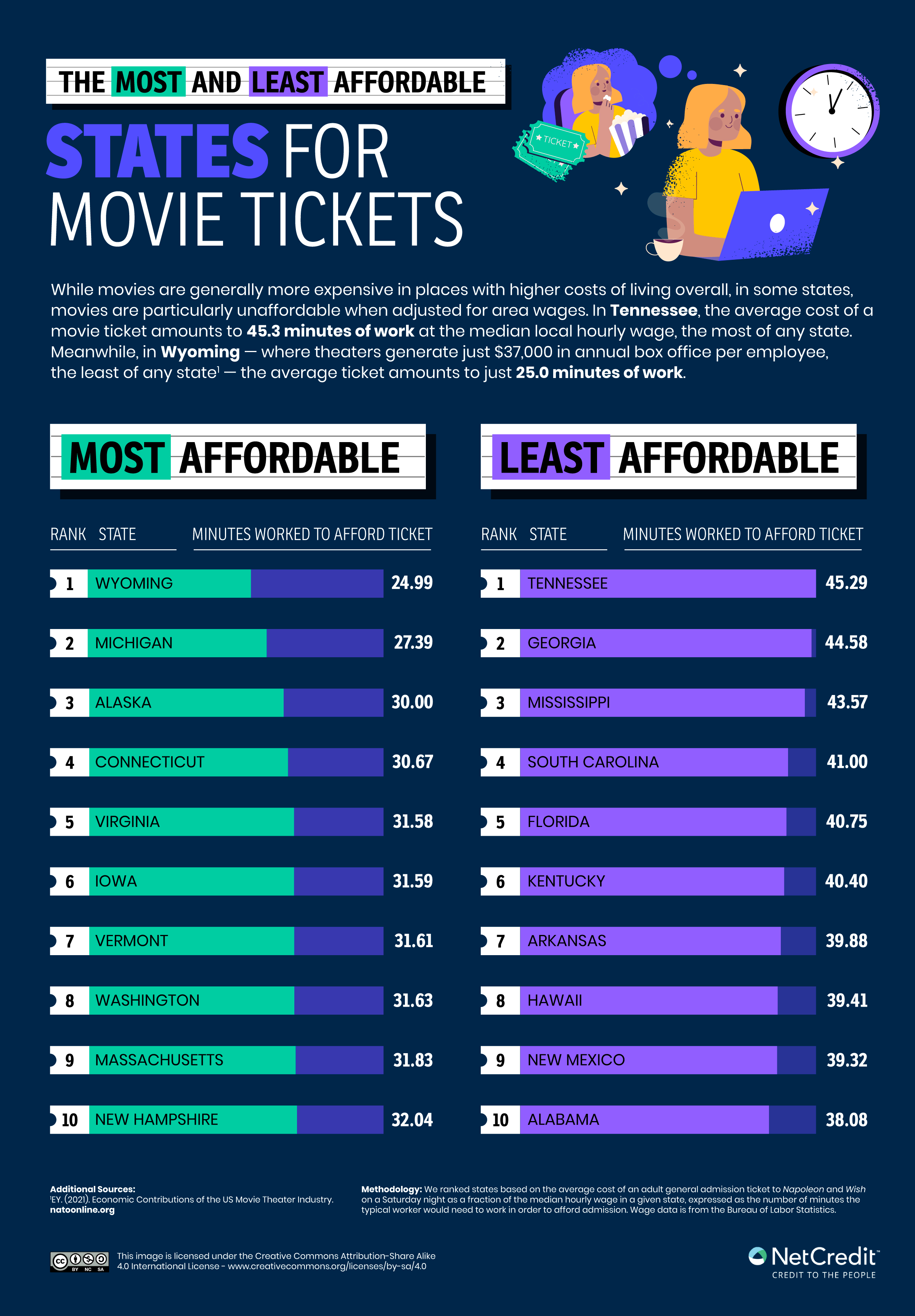
The simplest and most classic approach to saving money on movie tickets is to visit during off-peak hours. Opting for matinee showings on weekdays or early afternoon screenings on weekends can often reduce the ticket price by 20-40% compared to prime evening slots. Furthermore, many theaters offer specific “discount Tuesdays” or similar promotions where all tickets are sold at a reduced, flat rate for that day. Checking your local cinema’s website or app for such deals is often the first step in cost reduction.
Exploring Membership and Subscription Services
For frequent moviegoers, subscription services are perhaps the most impactful way to cut down on per-movie costs. Before committing, calculate your typical movie-going frequency. If you consistently see two or more movies a month, a subscription plan can quickly pay for itself, especially if it includes premium formats. Compare the offerings of different chains in your area – some plans might be more restrictive or pricier depending on your location. Also, be mindful of commitment periods and cancellation policies. For less frequent viewers, loyalty programs that offer points or occasional discounts might be more suitable than a recurring monthly fee.
The Bundle Benefit: Combating Concession Costs
Addressing the “concession conundrum” is crucial for overall budget management. While bringing outside food is generally prohibited, strategic consumption can save money. Consider eating a meal before arriving at the theater. If you must have concessions, look for combo deals on popcorn and soda, which are often cheaper than buying items individually. Sharing a large popcorn or drink with a companion can also reduce individual costs. Some theaters offer refills on large popcorns or drinks, making those options more cost-effective for longer films or multiple viewings. For ultimate savings, enjoy your snacks at home before or after the movie.
Utilizing Gift Cards and Promotional Offers
Keep an eye out for gift card deals, especially around holidays. Many retailers and theater chains offer bonus cards or discounted gift cards (e.g., “Buy $50, get a $10 bonus card”), which effectively give you free money for future visits. Additionally, signing up for your favorite theater’s email newsletter can grant you access to exclusive promotions, early bird discounts, or special offers on new releases. Third-party ticketing apps or websites sometimes also have promotional codes or flash sales that can yield savings, so it pays to compare prices across different platforms.
The Broader Economic Canvas: Cinema’s Financial Ecosystem
The discussion around movie ticket prices extends beyond the individual consumer, touching upon the wider economic landscape of the entertainment industry. Understanding these broader forces helps illuminate why prices are what they are and how they might evolve.
Box Office Performance vs. Profitability
A film’s reported “box office gross” can be deceiving. While a movie might generate hundreds of millions or even billions globally, a significant portion of that revenue never reaches the theater chain, and not all of it represents pure profit for the studio. As discussed, studios take a large cut, especially during the opening weeks. For theaters, the box office revenue needs to cover their own operational costs, maintenance, and capital investments. A theater might have a strong box office weekend but still operate at a slim margin, or even a loss, on ticket sales, making their concession sales absolutely vital for profitability. This delicate balance means that simply increasing ticket prices isn’t always a straightforward solution for financial woes, as it risks alienating customers.
The Impact of Streaming Services and At-Home Entertainment
The rise of streaming giants like Netflix, Disney+, HBO Max, and Amazon Prime Video has fundamentally reshaped the entertainment industry. With an abundance of high-quality content available on demand from the comfort of one’s home, the perceived value proposition of a theatrical outing has shifted. This increased competition puts pressure on theaters to justify their ticket prices by enhancing the “experience” – offering premium formats, luxury seating, and superior audiovisual quality that cannot be replicated at home. Some studios have even experimented with “Premium Video On Demand” (PVOD) releases, allowing new films to be watched at home for a premium price shortly after or even concurrent with their theatrical debut. This hybrid release model adds another layer of complexity to pricing strategies and the overall economic health of cinemas.
Government Regulations and Tax Implications
Government bodies at local, state, and national levels can also influence movie ticket prices through various regulations and taxes. Sales tax is a direct add-on to the ticket price in most jurisdictions. Some cities or states might levy specific entertainment taxes or surcharges. Moreover, labor laws regarding minimum wage can impact staffing costs, and zoning laws or building codes can affect construction and maintenance expenses. While these factors are less directly visible to the consumer, they are an embedded part of the operational cost structure that eventually filters into the final price of admission.
Prognosticating the Future: What’s Next for Movie Ticket Costs?
The future of movie ticket pricing is likely to be characterized by continued innovation and adaptation as the industry navigates technological advancements and shifting consumer preferences.
Dynamic Pricing Models
One significant trend on the horizon, already explored in limited capacities, is dynamic pricing. Similar to how airlines and hotels adjust prices based on demand, time of purchase, and specific events, cinemas could implement more sophisticated algorithms to price tickets. A highly anticipated blockbuster on opening night in a prime seat might cost significantly more than a Tuesday afternoon showing of a lesser-known film. This model aims to maximize revenue by capturing different willingness-to-pay segments, though it could face consumer pushback if not implemented transparently.
Hybrid Release Strategies and Premium Video On Demand (PVOD)
The pandemic accelerated the trend of hybrid release strategies, where films debut simultaneously in theaters and on streaming platforms (often for an additional PVOD fee). While the industry seems to be returning to a more traditional theatrical window for major blockbusters, the PVOD model remains a viable option for some films. If consumers become accustomed to paying a premium to watch new releases at home, it could either put downward pressure on theatrical ticket prices (to entice people out) or reinforce the idea of a “premium content” tier, where both theatrical and PVOD options are priced higher for new releases.

The Enduring Value of the Theatrical Experience
Despite the challenges, the theatrical experience continues to hold unique value. The collective energy of a shared audience, the immersive grandeur of a large screen and booming sound system, and the ritual of a night out all contribute to a distinct entertainment offering that streaming cannot fully replicate. Theaters are investing in enhancing this experience further, from luxury seating to expanded food and beverage menus, understanding that to compete, they must offer more than just a movie. As long as this unique value proposition remains, people will likely continue to pay for movie tickets, and theaters will continue to adjust their pricing to reflect both the cost of providing that experience and its perceived value to the consumer.
In conclusion, the question “How much are movie tickets?” is not a simple one, and its answer is continually evolving. From the basic cost of admission to the financial intricacies of studio agreements, premium formats, and the competitive landscape of home entertainment, understanding the financial forces at play empowers consumers to make smarter choices. By leveraging discounts, embracing subscription models, and being mindful of concession spending, moviegoers can continue to enjoy the magic of the big screen without undue strain on their personal finances. The cinema industry, in turn, will continue to innovate its pricing strategies, striving to balance accessibility with the significant costs of bringing stories to life on the silver screen.
aViewFromTheCave is a participant in the Amazon Services LLC Associates Program, an affiliate advertising program designed to provide a means for sites to earn advertising fees by advertising and linking to Amazon.com. Amazon, the Amazon logo, AmazonSupply, and the AmazonSupply logo are trademarks of Amazon.com, Inc. or its affiliates. As an Amazon Associate we earn affiliate commissions from qualifying purchases.