
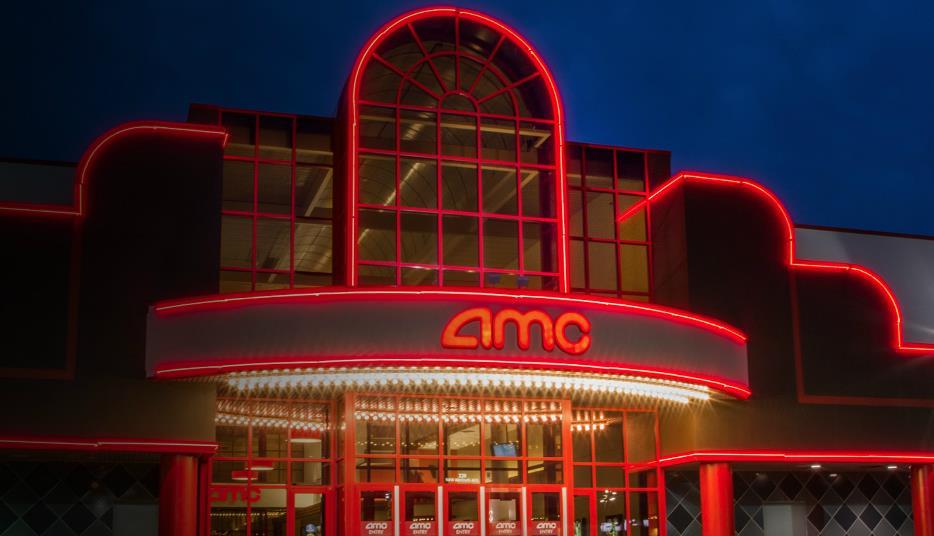
In the dynamic landscape of cinematic entertainment, few names command as much recognition and market presence as AMC Theatres. When audiences ask, “What theatres are AMC?” they’re not merely seeking a list of locations; they’re probing the very essence of a colossal brand that has meticulously shaped its identity, expanded its empire, and cultivated diverse cinematic experiences under a singular, powerful umbrella. Understanding AMC’s portfolio is to understand a masterclass in brand strategy, corporate identity, and market segmentation within the entertainment industry. This article delves into the multi-faceted brand of AMC, exploring its evolution, its diverse offerings, and the strategic decisions that solidify its position as a global leader in theatrical exhibition.

The Core Identity of AMC Theatres: A Century of Cinematic Evolution
At its heart, AMC, or American Multi-Cinema, is more than just a chain of movie theaters; it is a brand steeped in a rich history, continually adapting its corporate identity to meet the evolving demands of film enthusiasts. Its journey reflects a strategic commitment to growth, innovation, and maintaining a dominant market presence.
From Humble Beginnings to Global Powerhouse
Founded in 1920 by the Durwood family in Kansas City, Missouri, AMC pioneered the multi-screen cinema concept in 1963, fundamentally altering the movie-going experience. This innovative approach allowed for a wider selection of films and increased showtimes, a move that became a cornerstone of its brand identity: accessibility and choice. Over decades, AMC systematically expanded, not just organically, but through strategic acquisitions that significantly broadened its footprint and integrated diverse theatre brands into its growing portfolio. This aggressive expansion strategy, particularly the acquisition of Odeon & UCI Cinemas Group in Europe and Carmike Cinemas in the U.S., transformed AMC into the largest theatrical exhibitor in the United States, Europe, and the world. Each acquisition was not just about adding screens; it was about strategically integrating existing brand equity, market share, and operational efficiencies into the larger AMC brand narrative, often rebranding or subtly aligning the acquired entities while retaining local appeal where advantageous.
The AMC Brand Promise: Premium Experience for the Masses
The fundamental brand promise of AMC has consistently revolved around delivering a premium movie-going experience that remains accessible. This promise is communicated through various facets of its corporate identity: from the comfort of plush recliners and advanced projection technology to elevated food and beverage options and streamlined digital services. The AMC brand aims to transcend the simple act of watching a movie, positioning itself as a destination for shared cultural experiences and escapism. Its marketing often highlights comfort, convenience, and immersion, directly addressing consumer desires for value and quality. This commitment to a superior, yet widely available, experience has allowed AMC to cultivate strong brand loyalty and differentiate itself in a competitive entertainment market, reinforcing its corporate identity as an innovator and a leader dedicated to the cinematic art form.
Navigating the AMC Portfolio: Diverse Venues Under One Banner
A key aspect of AMC’s brand strategy is its ability to cater to a broad spectrum of consumer preferences by offering a diverse range of theatre formats and experiences, all operating under the overarching AMC brand, yet distinctly positioned. This segmentation allows AMC to capture different market niches while reinforcing its comprehensive corporate identity as the go-to destination for all types of moviegoers.
Flagship AMC Theatres: The Everyday Cinema Experience
The majority of AMC locations fall under the “AMC Theatres” banner, representing the brand’s core offering. These are typically large multiplexes, strategically located in urban and suburban centers, designed to provide a high-quality, comfortable, and accessible movie-going experience for the general public. The brand attributes associated with these locations include a wide selection of films, comfortable seating (often including plush recliners), modern projection and sound systems, and a range of traditional cinema concessions. The marketing for these theatres emphasizes convenience, family-friendliness, and the sheer joy of cinematic storytelling, solidifying AMC’s corporate identity as the purveyor of essential movie magic.
AMC Dine-In: Blending Gastronomy with Grand Screens
A significant evolution in AMC’s brand strategy is the “AMC Dine-In” concept. These locations merge a full-service restaurant experience with the traditional movie viewing, allowing guests to order restaurant-quality meals, alcoholic beverages, and snacks directly to their seats. This format targets a demographic seeking a more luxurious, convenient, and social outing, transforming a simple movie trip into an integrated dining and entertainment event. The brand identity here leans into sophistication, convenience, and a higher-tier leisure experience. Marketing emphasizes the seamless integration of dining and cinema, appealing to those who value comfort and indulgence, and effectively broadening AMC’s corporate identity beyond just popcorn and sodas.
AMC Classic: Honoring Tradition and Community
The “AMC Classic” brand represents a strategic move to serve communities with a more traditional, value-focused cinema experience. Often these are smaller, older theatres that have been updated with essential amenities like digital projection and comfortable seating, but without the premium frills of Dine-In or advanced formats. AMC Classic theatres typically offer more budget-friendly ticket prices and concession options, catering to families, students, and those who prioritize affordability without sacrificing the big-screen experience. This sub-brand demonstrates AMC’s commitment to community engagement and inclusivity, showing that its corporate identity can also encompass a more nostalgic and accessible approach to movie-going, preserving local cinematic heritage.
Premium Formats: Elevating the Visual and Auditory Journey
To cater to the ultimate cinephiles and those seeking unparalleled immersion, AMC has heavily invested in premium large format (PLF) experiences, each with its distinct brand identity and technological prowess. These formats are critical components of AMC’s brand strategy to provide differentiation and capture premium pricing.
-
Dolby Cinema at AMC: A partnership with Dolby Laboratories, this format offers a deeply immersive experience with spectacular imaging (Dolby Vision) and moving audio (Dolby Atmos). The brand promise here is about unparalleled sensory engagement, making the film’s visuals and sound truly come alive.
-
IMAX at AMC: Synonymous with massive screens and crystal-clear images, IMAX continues to be a powerful brand. AMC’s integration of IMAX theaters provides audiences with a truly grand-scale viewing experience, particularly for action blockbusters and visually stunning spectacles.
-
PRIME at AMC: This proprietary premium format is designed to deliver a high-quality experience with extra-large screens, upgraded sound systems, and often luxury recliner seating with bass-thumping technology. PRIME reinforces AMC’s brand identity as an innovator committed to proprietary excellence.

These premium formats collectively showcase AMC’s relentless pursuit of technological superiority and its desire to offer diverse, high-value experiences that justify premium pricing, thereby strengthening its corporate identity as a leader in cinematic innovation.
Strategic Branding and Market Dominance: How AMC Shapes Perceptions
AMC’s journey to becoming the world’s largest cinema chain is a testament to its shrewd brand strategy, which extends beyond simply acquiring theatres. It involves meticulously cultivating brand perception, fostering customer loyalty, and leveraging digital innovation to maintain a competitive edge.
Acquisitions and Consolidation: Expanding the Brand Footprint
As previously touched upon, a significant pillar of AMC’s brand strategy has been its aggressive approach to mergers and acquisitions. The integration of major players like Odeon & UCI Cinemas in Europe and Carmike Cinemas in the U.S. wasn’t merely about adding screens to a balance sheet; it was about strategic brand alignment and market consolidation. When AMC acquires another chain, it faces a crucial brand decision: to fully rebrand under the AMC banner, maintain a co-brand, or operate the acquired entity as a distinct, albeit related, brand. Often, the choice is to eventually transition to the AMC brand, leveraging its established recognition and operational efficiencies while sometimes retaining elements of local charm or specific theatre types. This strategy strengthens AMC’s corporate identity by making it ubiquitous and establishing it as the dominant force, while simultaneously eliminating direct competitors, thereby shaping consumer perception of the entire cinema landscape.
Marketing and Loyalty Programs: Cultivating Brand Affinity
Central to AMC’s brand strategy is its robust marketing efforts and highly successful loyalty program, AMC Stubs. Through consistent advertising campaigns that highlight new releases, premium formats, and the comfort of its venues, AMC actively shapes its public image. The AMC Stubs program—with its three tiers: Insider (free), Premiere, and A-List—is a prime example of effective brand engagement. A-List, in particular, offers subscribers the ability to see up to three movies per week for a fixed monthly fee, a value proposition designed to foster intense loyalty and habitual visits. This program not only generates recurring revenue but also collects invaluable customer data, allowing AMC to personalize offers and further refine its brand positioning. By rewarding frequent moviegoers and creating an exclusive community, AMC strengthens its brand affinity, transforming casual viewers into dedicated patrons and solidifying its corporate identity as a customer-centric entertainment provider.
Digital Presence and Innovation: Modernizing the Cinema Experience
In an increasingly digital world, AMC’s brand strategy includes a strong emphasis on its online and mobile presence. Its user-friendly website and highly functional mobile app are critical touchpoints for the brand, offering seamless ticket purchasing, showtime information, digital menus, and loyalty program management. Beyond transactional convenience, AMC has embraced digital innovation within its theatres, from self-service kiosks to mobile food ordering and reserved seating. These technological advancements enhance the customer experience, aligning with modern consumer expectations for speed and customization. By continuously integrating technology into its operations and customer interface, AMC reinforces its corporate identity as a forward-thinking and modern entertainment brand, capable of adapting to the digital age without losing the magic of the big screen.
The Future of the AMC Brand: Adapting to Evolving Entertainment Landscapes
The entertainment industry is in constant flux, and AMC’s brand strategy must continually adapt to new challenges and opportunities. From navigating post-pandemic realities to contending with streaming giants, the future of the AMC brand hinges on its ability to innovate, enhance value, and maintain its unique appeal.
Post-Pandemic Reimagination: Enhancing Value and Safety
The global pandemic presented unprecedented challenges to the cinema industry, forcing a re-evaluation of brand promises and operational models. For AMC, this meant reinforcing its commitment to guest safety through enhanced cleaning protocols, air filtration systems, and social distancing measures. Beyond safety, the pandemic spurred a renewed focus on the value proposition of the theatrical experience. AMC’s brand strategy now emphasizes the unique communal aspect of movie-going, positioning the cinema as a vital escape and a premium outing that streaming services cannot replicate. This reimagination involves a continued focus on comfort, impeccable service, and unique content offerings, ensuring the AMC brand remains relevant and desirable in a post-pandemic world.
Competition and Content Strategy: Staying Relevant in a Streaming Era
The rise of streaming platforms has dramatically altered content consumption habits, posing a significant challenge to traditional cinema brands. In response, AMC’s brand strategy has shifted to highlight the exclusivity and spectacle of the theatrical release window. By partnering with studios to secure exclusive theatrical runs for major blockbusters, and by promoting its premium formats, AMC positions itself as the ultimate destination for first-run, high-quality cinematic content. The brand also focuses on diversified content, including alternative programming like live concert broadcasts, sporting events, and cultural performances, expanding its corporate identity beyond traditional film exhibition. This strategic diversification aims to draw audiences who seek experiences that cannot be replicated at home, ensuring the AMC brand remains a vital component of the entertainment ecosystem.
Brand Resilience and Community Engagement
Despite economic headwinds and changing consumer behaviors, the AMC brand has demonstrated remarkable resilience, often becoming a cultural touchstone. Its strategic engagements, such as partnerships with community events, local charities, and educational initiatives, help to embed the brand within the fabric of the communities it serves. This community-focused approach fosters goodwill and strengthens brand loyalty, particularly in the face of external pressures. By actively participating in and contributing to local economies and cultures, AMC reinforces its corporate identity not just as a global entertainment giant, but as a valued local establishment, committed to delivering memorable experiences that resonate deeply with its diverse customer base.
Conclusion
The question “what theatres are AMC?” reveals a complex, multi-layered brand strategy. AMC is not just a collection of buildings; it is a meticulously constructed corporate identity that encompasses a diverse portfolio of cinematic experiences, each strategically positioned to cater to different segments of the movie-going public. From its foundational promise of a premium experience for the masses to its innovative premium formats and its adaptable brand strategy in the face of digital disruption, AMC has consistently demonstrated an acute understanding of market dynamics and consumer desires. Its aggressive expansion, smart loyalty programs, and commitment to technological and experiential excellence have cemented its status as the world’s leading cinema brand. As the entertainment landscape continues to evolve, AMC’s enduring legacy will depend on its ability to continue innovating, adapting, and reinforcing its core brand promise: to deliver the magic of the movies, powerfully and accessibly, to audiences worldwide.
aViewFromTheCave is a participant in the Amazon Services LLC Associates Program, an affiliate advertising program designed to provide a means for sites to earn advertising fees by advertising and linking to Amazon.com. Amazon, the Amazon logo, AmazonSupply, and the AmazonSupply logo are trademarks of Amazon.com, Inc. or its affiliates. As an Amazon Associate we earn affiliate commissions from qualifying purchases.