
Navigating the landscape of automotive financing has become increasingly complex in a volatile economic environment. For many consumers, the question “what is the car interest rate today?” is not just a matter of curiosity, but a critical factor in determining the affordability of their next vehicle. Interest rates dictate the monthly payment, the total cost of ownership, and the long-term health of one’s personal balance sheet. As of the current market cycle, rates have shifted significantly from the historic lows seen a few years ago, driven by broader macroeconomic trends and the Federal Reserve’s efforts to manage inflation.
Understanding the current rate environment requires a deep dive into the mechanics of personal finance, credit tiering, and the institutional forces that set the price of borrowing. Whether you are in the market for a sleek new sedan or a reliable pre-owned SUV, the interest rate you secure will be the single most influential number in your loan agreement.
The Landscape of Auto Loan Rates in the Current Economy
To understand where car interest rates stand today, one must first look at the benchmark rates established by central banks. When the Federal Reserve adjusts the federal funds rate, it creates a ripple effect throughout the entire financial system. Banks and credit unions see their cost of borrowing increase, and these costs are invariably passed down to the consumer in the form of higher Annual Percentage Rates (APRs).
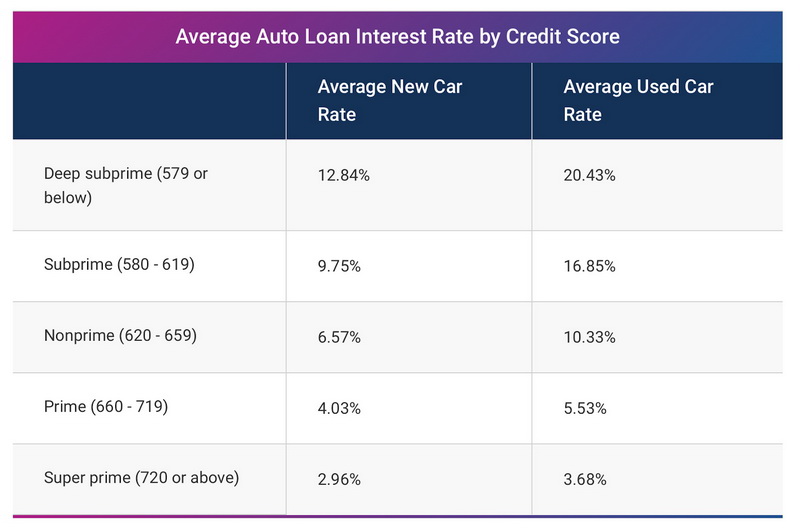
Currently, the average interest rate for a new car loan hovers between 6.5% and 7.5% for borrowers with excellent credit. However, the market for used cars is notably different, with average rates often climbing into the 11% to 12% range. These figures represent a stark departure from the 0% to 3% offers that dominated the previous decade.
The Impact of Inflation and Monetary Policy
Inflation remains the primary driver of today’s interest rate environment. When the cost of goods and services rises too quickly, the central bank raises rates to cool the economy. For the automotive sector, this means that even if vehicle prices stabilize, the cost of financing those vehicles remains high. Borrowers today must account for the “double whammy” of elevated sticker prices and the increased cost of capital.
New vs. Used Car Rate Disparities
There has always been a spread between new and used car rates. Lenders view used vehicles as higher-risk collateral because their resale value is less predictable and they are more prone to mechanical failure. In today’s market, this spread has widened. A borrower might find a 6% rate on a new vehicle through a manufacturer’s “captive” lending arm (like Ford Credit or Toyota Financial Services), while that same borrower might be quoted 9% or 10% for a five-year-old vehicle at a traditional bank.
Factors That Determine Your Personal Interest Rate
While national averages provide a useful benchmark, the rate you are offered is highly individualized. Lenders utilize sophisticated algorithmic models to assess risk, and several key variables determine where you fall on the interest rate spectrum.
The Supremacy of the Credit Score
Your credit score is the most significant factor in determining your car interest rate. Lenders generally categorize borrowers into tiers:
-
Super-Prime (780–850): These borrowers receive the lowest possible rates, often benefiting from promotional financing and the most competitive bank offers.
-
Prime (661–779): Most consumers fall into this category. While they may not get the “teaser” rates, they still receive manageable interest levels.
-
Non-Prime and Subprime (Below 660): Borrowers in these tiers face significantly higher rates, sometimes exceeding 15% to 20%. For these individuals, the interest paid over the life of the loan can occasionally equal the original price of the car.
Loan Term and Vehicle Age
The length of the loan—often referred to as the “term”—also influences the rate. While 60-month or 72-month loans are common, many lenders are now offering 84-month terms to keep monthly payments low. However, longer terms usually carry higher interest rates because they increase the lender’s exposure to risk over time. Additionally, the older the vehicle, the higher the rate, as the asset’s value depreciates faster than the loan balance in many cases.
The Debt-to-Income (DTI) Ratio
Lenders don’t just look at your score; they look at your ability to pay. A high credit score paired with a high debt-to-income ratio may still result in a higher interest rate or a loan denial. Financial institutions want to ensure that the addition of a car payment will not push your monthly obligations beyond a sustainable percentage of your gross income—usually around 36% to 43%.
How to Secure the Best Possible Rate Today

Securing a favorable rate in a high-interest environment requires a proactive strategy. Consumers who walk into a dealership without a financing plan often end up paying the “buy rate”—the rate the dealer secures from a lender plus a markup for the dealership’s profit.
Shopping Across Institutional Lines
The best way to ensure you are getting a fair rate is to shop around before visiting the lot.
-
Credit Unions: These member-owned institutions often offer rates 1% to 2% lower than commercial banks because they operate as non-profits.
-
Online Lenders: Fintech companies have streamlined the auto loan process, offering competitive rates and quick approvals through automated underwriting.
-
Captive Lenders: During certain sales cycles, manufacturers offer subsidized rates (such as 1.9% or 2.9% APR) to move inventory. These are often the best rates available, though they usually require top-tier credit.
The Power of Pre-Approval
A pre-approval is essentially a “blank check” from a lender that tells the dealer exactly what rate you have already secured. This shifts the power dynamic in the negotiation. When you have a pre-approval for 6.5% from your local credit union, the dealership is forced to either beat that rate or lose the financing business entirely.
Timing and Down Payments
A substantial down payment can also lower your interest rate. By reducing the Loan-to-Value (LTV) ratio, you decrease the lender’s risk. If you are financing only 80% of the car’s value rather than 100%, the lender is more likely to offer a preferred rate. Furthermore, monitoring the market for “rate dips” following economic reports can save a borrower thousands over the life of the loan.
The True Cost of Borrowing: Beyond the APR
When discussing car interest rates today, it is vital to look beyond the simple percentage. The way interest is calculated can drastically change the financial outcome of the loan. Most auto loans use “simple interest,” meaning interest is calculated daily based on the remaining principal balance.
Compound vs. Simple Interest
Unlike credit cards, which often use compound interest, the simple interest structure of auto loans rewards those who pay early. By making larger payments or paying bi-weekly, you reduce the principal faster, which in turn reduces the amount of interest that can accrue. In a high-rate environment, aggressive repayment strategies are one of the most effective ways to mitigate the cost of borrowing.
Total Interest Paid Over the Life of the Loan
To understand the weight of an interest rate, consider a $35,000 loan over 60 months.
-
At a 3% rate, you would pay approximately $2,700 in total interest.
-
At a 7% rate, that interest jumps to over $6,500.
-
At an 11% rate (common for used cars today), the interest exceeds $10,600.
This comparison illustrates that the “price” of the car is only one part of the equation. A “good deal” on a vehicle price can easily be wiped out by a high interest rate.
Hidden Fees and Add-ons
Dealerships often attempt to bundle products like GAP insurance, extended warranties, and tire protection into the financing. While these may have value, financing them means you are paying interest on those products for five or six years. In today’s high-rate environment, it is often more financially sound to pay for these items upfront or seek third-party providers rather than rolling them into a high-APR loan.
Future Outlook: Where Are Rates Heading?
Predicting the future of interest rates is notoriously difficult, but financial analysts look to the “dot plot” from the Federal Reserve and inflation data for clues. As inflation begins to show signs of cooling, there is cautious optimism that rates may have peaked.
The Potential for Rate Cuts
If the economy slows down or inflation reaches the target 2% mark, the Federal Reserve may begin cutting the benchmark rate. For the consumer, this means that the “car interest rate today” might be higher than the rate a year from now. Borrowers who must buy today should consider loans without prepayment penalties, allowing them the flexibility to refinance if rates drop in the future.
The Shift Toward Leasing
As interest rates on purchases rise, some consumers are pivoting back to leasing. While leasing has its own complexities, manufacturer-subsidized lease programs often “hide” high interest rates through higher residual values or lower money factors. For those who prefer a lower monthly payment and plan to trade in their vehicle every three years, leasing can occasionally bypass the pain of high traditional financing rates.

Strategic Financial Planning
For the savvy consumer, the current interest rate environment demands a return to financial fundamentals. This includes improving credit scores before applying, saving larger down payments to reduce the financed amount, and choosing shorter loan terms to minimize interest exposure.
The car interest rate today is a reflection of a global economy in transition. While the days of “free money” are behind us, informed borrowers can still find value by understanding the mechanics of credit, shopping aggressively for terms, and treating the financing process with the same level of scrutiny as the vehicle purchase itself. By focusing on the total cost of capital rather than just the monthly payment, you can ensure that your next vehicle purchase is a sound investment in your financial future.
aViewFromTheCave is a participant in the Amazon Services LLC Associates Program, an affiliate advertising program designed to provide a means for sites to earn advertising fees by advertising and linking to Amazon.com. Amazon, the Amazon logo, AmazonSupply, and the AmazonSupply logo are trademarks of Amazon.com, Inc. or its affiliates. As an Amazon Associate we earn affiliate commissions from qualifying purchases.