
The question of “what interest rate will I get” is perhaps the most pivotal query in personal finance. Whether you are looking to purchase a home, finance a vehicle, or grow your emergency fund, the interest rate is the primary lever that determines the cost of your debt and the growth of your wealth. Interest rates are not arbitrary numbers; they are the result of a complex interplay between global economic forces, central bank policies, and your individual financial profile. Understanding these variables allows you to move from a passive recipient of financial products to an active strategist capable of securing the most favorable terms possible.
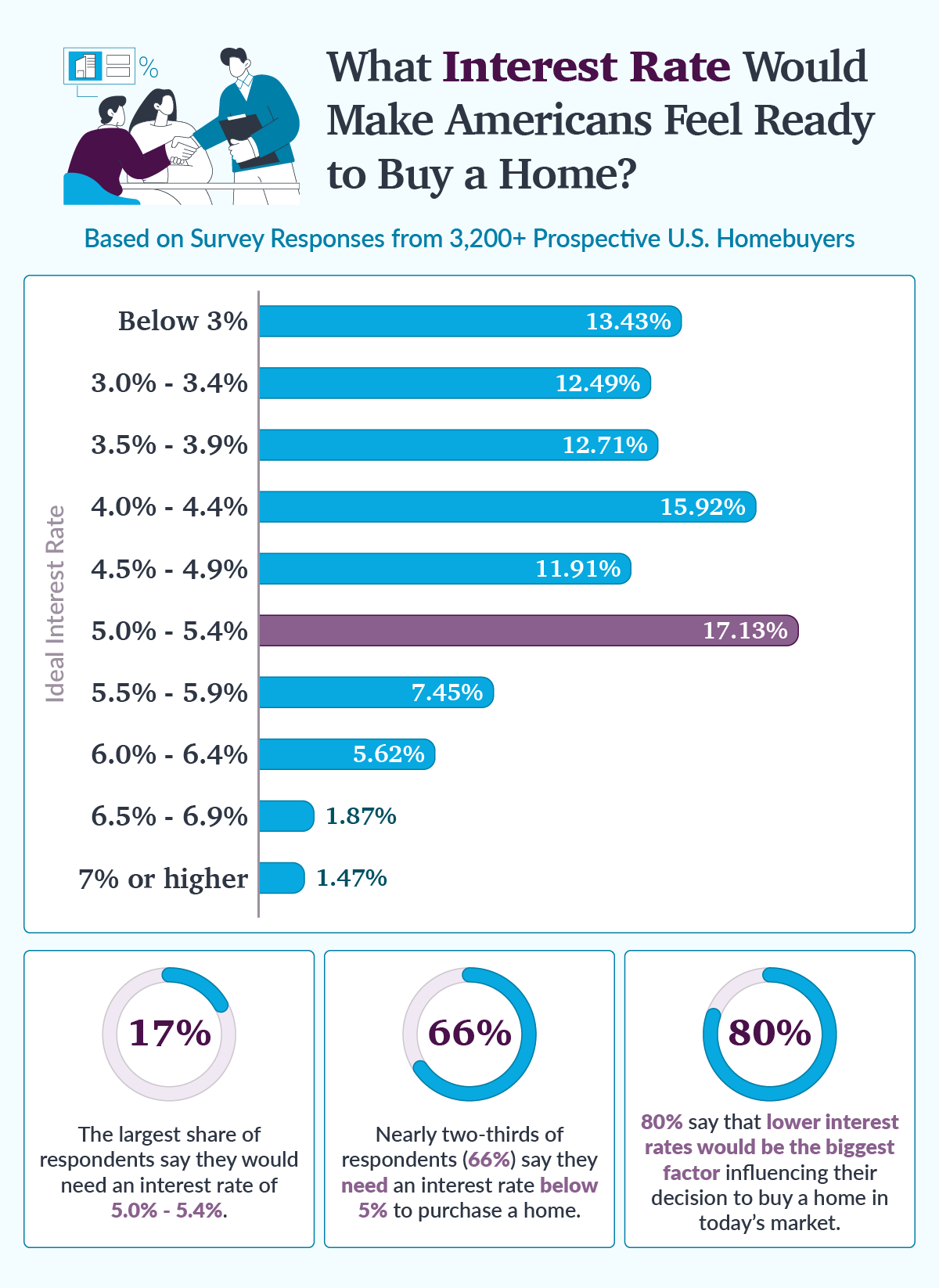
The Mechanics of Personal Interest Rates: Why Rates Differ Between Individuals
When you apply for a loan, the lender is essentially evaluating the risk of lending you money. The interest rate is the “price” of that risk. If a lender perceives you as a safe bet, they will charge a lower price. If you appear risky, they will demand a higher price to compensate for the possibility of default. This process is known as risk-based pricing.
The Power of the Credit Score
Your credit score is the single most influential factor in determining your individual interest rate. Most lenders use the FICO scoring model, which ranges from 300 to 850. A borrower with a score above 760 is typically classified as “prime” or “super-prime,” granting them access to the lowest advertised rates. Conversely, a borrower with a score below 620 may struggle to find traditional financing or may be relegated to “subprime” rates, which can be several percentage points higher. Even a 50-point difference in your credit score can translate to tens of thousands of dollars in extra interest over the life of a mortgage.
Debt-to-Income (DTI) Ratio
Lenders also look closely at your Debt-to-Income ratio. This is the percentage of your gross monthly income that goes toward paying debts. Even if you have a perfect credit score, a high DTI suggests that your budget is stretched thin. If more than 43% of your income is committed to debt payments, lenders may see you as a higher risk, potentially leading to a higher interest rate or a flat rejection of your application.
Loan-to-Value (LTV) and Down Payments
In the world of mortgages and auto loans, the “skin in the game” you provide matters. The Loan-to-Value ratio measures the amount of the loan against the value of the asset. A higher down payment reduces the LTV, providing a cushion for the lender. If you provide a 20% down payment on a home, the lender faces less risk than if you provide 3.5%, and they often reward that lower risk with a more competitive interest rate.
Navigating the Macroeconomic Landscape: How the Fed and Markets Set the Floor
While your personal finances determine your “spread” above the baseline, the baseline itself is determined by the broader economy. You might have a perfect credit score, but if the overall economy is experiencing high inflation, your “best” rate will still be higher than it would be during a low-inflation period.
The Federal Reserve and the Federal Funds Rate
In the United States, the Federal Reserve plays a dominant role in setting the tone for interest rates. The Federal Funds Rate is the interest rate at which commercial banks borrow and lend to each other overnight. When the Fed raises this rate to combat inflation, the cost of capital for banks increases. These banks, in turn, pass those costs on to consumers in the form of higher rates for mortgages, credit cards, and business loans.
The Yield Curve and Treasury Bonds
Long-term interest rates, particularly for 30-year fixed mortgages, are closely tied to the yield on 10-Year Treasury Notes. Investors view Treasuries as “risk-free” assets. If the yield on these bonds rises, mortgage lenders must raise their rates to remain competitive and attract investors to purchase mortgage-backed securities. Monitoring the 10-year Treasury yield is often a better predictor of mortgage rate movements than monitoring the Federal Reserve’s short-term rate hikes.
Inflationary Expectations
Interest rates are essentially the “rent” paid for using someone else’s money. If inflation is high, the purchasing power of that money will be lower when it is paid back. Therefore, lenders demand higher interest rates during periods of high inflation to ensure they receive a “real” return on their investment. When inflation begins to cool, markets usually anticipate a drop in interest rates, which can lead to a more favorable borrowing environment.
Interest Rates by Loan Type: What to Expect in Today’s Market
Not all debt is created equal. The “rate” you get depends heavily on whether the loan is secured (backed by collateral like a house or car) or unsecured (backed only by your promise to pay).

Mortgages: Fixed vs. Variable
Mortgages are the most significant financial commitment most people make. Fixed-rate mortgages offer the security of a consistent rate for the life of the loan (usually 15 or 30 years). Adjustable-Rate Mortgages (ARMs) typically offer a lower introductory rate for a set period (like 5 or 7 years) before “resetting” based on market indexes. In a falling-rate environment, ARMs can be beneficial, but in a rising-rate environment, they carry significant risk.
Auto Loans: New vs. Used
Auto loan rates are generally higher than mortgage rates because vehicles are depreciating assets. Furthermore, rates for used cars are almost always higher than for new cars. This is because used cars carry a higher risk of mechanical failure and are harder for a lender to value accurately if they need to repossess and sell the asset.
Personal Loans and Credit Cards
These are typically unsecured loans. Because there is no collateral for the lender to seize if you default, the interest rates are significantly higher. Credit card interest rates are often pegged to the Prime Rate (the rate banks charge their most creditworthy corporate customers). When the Fed moves, credit card APRs usually move in lockstep, often hovering between 15% and 25%.
The Flip Side: Maximizing Interest Rates on Your Savings
While high interest rates are a burden for borrowers, they are a boon for savers. For over a decade, interest rates on savings accounts were near zero, but the recent shift in economic policy has revitalized the “yield” side of personal finance.
High-Yield Savings Accounts (HYSA)
Traditional “brick-and-mortar” banks often offer paltry interest rates on savings, sometimes as low as 0.01%. However, online-only banks have lower overhead costs and compete for your deposits by offering High-Yield Savings Accounts. These accounts can offer rates 10 to 20 times higher than the national average, making them the ideal place for emergency funds.
Certificates of Deposit (CDs)
If you can afford to lock your money away for a specific period—ranging from three months to five years—CDs often offer a higher interest rate than a standard savings account. The trade-off is liquidity; if you withdraw your money early, you will likely face a penalty. In a “flat” or “inverted” yield curve environment, short-term CDs (1 year) may actually offer higher rates than long-term CDs (5 years).
Money Market Accounts
Money Market Accounts (MMAs) are a hybrid between savings and checking accounts. They typically offer higher interest rates than standard savings accounts and come with limited check-writing or debit card capabilities. They are an excellent tool for individuals who want to earn a competitive rate while maintaining some degree of transactional flexibility.
Strategies to Secure the Best Possible Rate
Getting a good interest rate is not a matter of luck; it is a matter of preparation and timing. By taking specific steps before you apply, you can tilt the scales in your favor.
1. Optimize Your Credit Profile
Before applying for a major loan, check your credit report for errors. Disputing a single mistake can jump your score significantly. Additionally, avoid opening new credit lines or making large purchases on credit cards in the six months leading up to a mortgage or auto loan application. Lowering your “credit utilization”—the amount of available credit you are using—is the fastest way to boost your score.
2. Shop Around and Compare Offers
Many consumers make the mistake of accepting the first rate offered by their primary bank. However, interest rates can vary wildly between institutions. Credit unions often offer lower rates on auto loans, while online lenders might be more competitive for personal loans. When shopping for a mortgage, obtaining three to five quotes can save you thousands. Most modern credit scoring models allow for “rate shopping” within a 14-to-45-day window, meaning multiple inquiries for the same type of loan will only count as a single hit to your credit score.
3. Consider the “Point” System
In mortgage lending, you can often “buy down” your interest rate by paying discount points at closing. One point typically costs 1% of the loan amount and reduces your interest rate by a specific increment (usually 0.25%). This is a “break-even” calculation: if you plan to stay in the home for a long time, paying for points upfront to secure a lower rate can save you significant money in the long run.
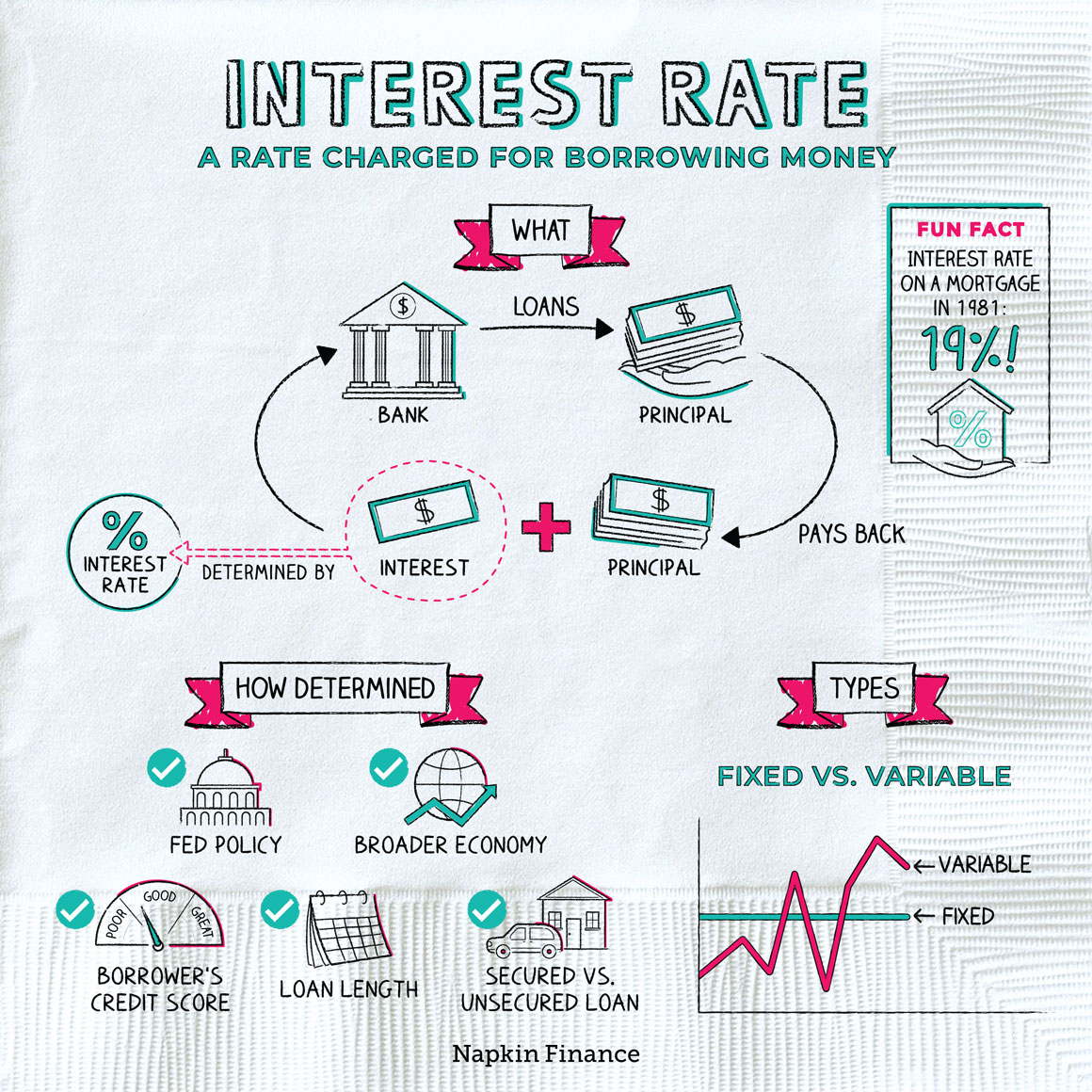
4. Time the Market (Within Reason)
While you shouldn’t put your life on hold waiting for rates to drop, being aware of the economic calendar can help. If the Federal Reserve has signaled that it intends to cut rates in the coming months, it might be worth waiting to finalize a refinance or a large purchase. Conversely, if inflation is trending upward, locking in a rate now might prevent you from paying more later.
In conclusion, the interest rate you receive is a reflection of both the world at large and your personal financial discipline. By maintaining a high credit score, managing your debt levels, and shopping aggressively among different lenders, you can ensure that you are always on the favorable side of the interest rate equation. Whether you are borrowing to build a future or saving to secure it, the rate you get is the engine that drives your financial progress.
aViewFromTheCave is a participant in the Amazon Services LLC Associates Program, an affiliate advertising program designed to provide a means for sites to earn advertising fees by advertising and linking to Amazon.com. Amazon, the Amazon logo, AmazonSupply, and the AmazonSupply logo are trademarks of Amazon.com, Inc. or its affiliates. As an Amazon Associate we earn affiliate commissions from qualifying purchases.