
Owning a car is, for many, an essential part of modern life, offering freedom, convenience, and access to work and opportunities. However, with car ownership often comes a car note – a monthly payment that, if not managed carefully, can become a significant financial burden. Successfully navigating your car loan payments is crucial for maintaining good credit, avoiding late fees, and ultimately, achieving financial peace of mind. This comprehensive guide will delve into various strategies, from understanding your loan to advanced payment techniques and managing hardship, all aimed at helping you master your car note.
Understanding Your Car Loan: The Foundation of Effective Payment
Before you can effectively manage your car note, you must first understand the intricacies of your loan agreement. Many people sign on the dotted line without fully grasping the long-term implications, leading to surprises down the road. A clear understanding empowers you to make informed decisions and strategize your payments more effectively.
Key Loan Terms and Their Impact
Every car loan comes with several critical terms that dictate your payment structure and the total cost of your vehicle.
-
Principal: This is the initial amount of money you borrowed to purchase the car. Every payment you make chipping away at the principal is money directly reducing your debt.
-
Interest Rate (APR): The Annual Percentage Rate (APR) is the cost of borrowing money, expressed as a percentage. A higher APR means more of your monthly payment goes towards interest, especially in the early stages of the loan. Understanding your APR is vital because it directly impacts the total amount you will pay over the life of the loan.
-
Loan Term: This refers to the duration over which you agree to repay the loan, typically expressed in months (e.g., 36, 48, 60, 72, or even 84 months). While a longer loan term generally results in lower monthly payments, it almost always means you’ll pay more in total interest due to the extended period of borrowing. Conversely, a shorter term increases monthly payments but significantly reduces the overall interest paid.
-
Monthly Payment: The fixed amount you are required to pay each month. This is calculated based on the principal, interest rate, and loan term.
-
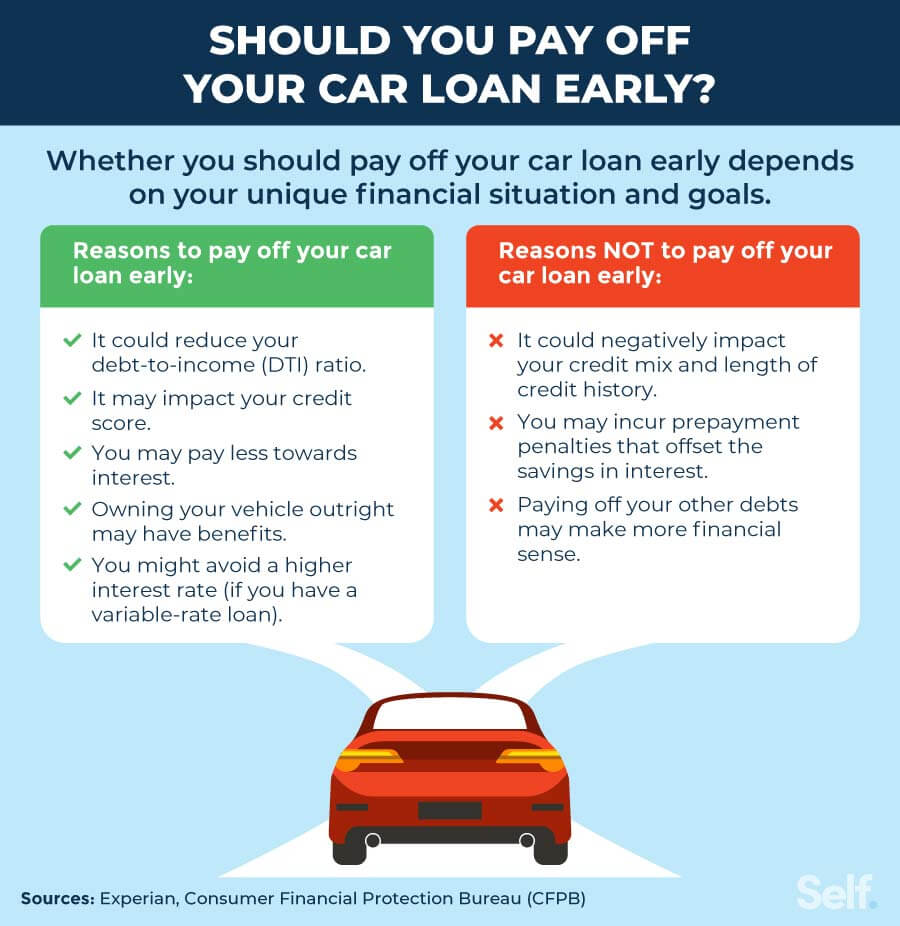
Fees: Be aware of any additional fees, such as origination fees, late payment fees, or early payoff penalties. While early payoff penalties are less common with car loans than with other types of debt, it’s always wise to check your contract.
Accessing and Reviewing Your Loan Details
Most lenders provide multiple ways to access your loan information. Your monthly statement is a fundamental resource, detailing your current principal balance, last payment received, next payment due date, and sometimes, a breakdown of how your payment is allocated between principal and interest. Furthermore, most modern lenders offer online portals where you can view your loan details, payment history, and even make payments. Regularly reviewing these details helps you track your progress and ensures there are no discrepancies. If you have questions, never hesitate to contact your lender directly for clarification.
Proactive Strategies for Consistent and On-Time Payments
Consistency is key when it comes to managing any debt, and your car note is no exception. Developing proactive habits can prevent missed payments, protect your credit score, and save you from accumulating late fees.
Automating Your Payments
One of the most effective ways to ensure on-time payments is to set up automatic transfers from your bank account to your loan servicer.
-
Pros: Automation virtually eliminates the risk of forgetting a payment, ensuring punctuality and avoiding late fees. Many lenders even offer a slight interest rate reduction for enrolling in autopay. It also frees up mental bandwidth, as you don’t have to remember to manually initiate the payment each month.
-
Cons: Ensure you always have sufficient funds in your account on the scheduled payment date to avoid overdraft fees from your bank or returned payment fees from your lender. It’s also wise to check your bank statement after the payment processes to confirm it went through correctly.
Creating and Sticking to a Budget
A well-structured budget is the bedrock of sound financial management. It allows you to clearly see your income and expenses, ensuring you have enough money allocated for your car note each month without straining other essential categories.
-
Income vs. Expenses: Start by listing all your sources of income. Then, meticulously track all your expenses, both fixed (rent, insurance, subscriptions) and variable (groceries, entertainment, fuel).
-
Allocating for Your Car Note: Your car note should be a fixed line item in your budget. Ensure that your income comfortably covers this payment, along with all other essential expenses. If you find yourself consistently short, it’s a clear signal that adjustments are needed elsewhere in your budget.
-
Review and Adjust: A budget isn’t a static document; it’s a living tool. Review it monthly and adjust as your income or expenses change. This flexibility ensures your budget remains realistic and effective.
The Importance of an Emergency Fund
While not directly a payment strategy, an emergency fund acts as a crucial safety net that indirectly supports your ability to pay your car note. Life is unpredictable; job loss, unexpected medical bills, or major home repairs can suddenly throw your budget into disarray.
-
Protection Against Default: An emergency fund provides a buffer, allowing you to cover your car note and other essential bills during periods of financial distress, preventing late payments or even default.
-
Peace of Mind: Knowing you have a financial cushion reduces stress and allows you to focus on resolving the underlying issue without the added pressure of missing critical payments. Aim for at least three to six months’ worth of essential living expenses saved in an easily accessible, high-yield savings account.
Accelerating Your Car Loan Payments and Saving Money
Beyond simply paying on time, there are strategies you can employ to pay off your car note faster, significantly reducing the total interest paid and freeing up your monthly cash flow sooner.
Making Extra Payments
Even small, consistent extra payments can make a substantial difference over the life of your loan.
-
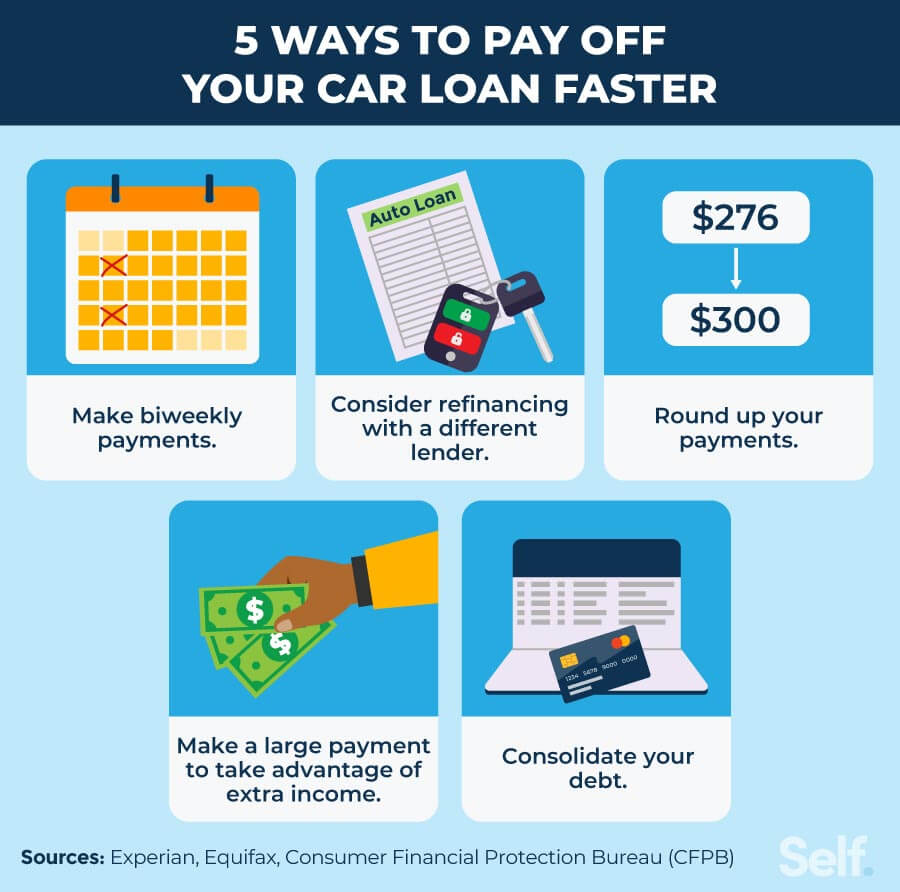
Bi-Weekly Payments: Instead of one large monthly payment, divide your monthly payment by two and pay that amount every two weeks. Since there are 52 weeks in a year, you’ll effectively make 26 half-payments, which equates to 13 full monthly payments annually instead of 12. This subtle shift can shave months off your loan term and save you hundreds or even thousands in interest.
-
Rounding Up Your Payment: If your monthly payment is, say, $387, consider rounding it up to $400. That extra $13 each month, directed towards the principal, accumulates over time.
-
Lump Sum Payments: Any windfalls – a tax refund, work bonus, or unexpected gift – can be strategically applied as a lump sum payment directly to your principal. Always specify to your lender that the extra payment should be applied to the principal, not towards future interest.
Refinancing Your Car Loan
Refinancing involves taking out a new loan to pay off your existing car loan, ideally with more favorable terms. This can be a powerful strategy if market interest rates have dropped, your credit score has improved since you first took out the loan, or if you initially received a high-interest rate.
-
Lower Interest Rate: The primary goal of refinancing is often to secure a lower interest rate, which reduces your monthly payment and the total interest paid over the life of the loan.
-
Shorter Loan Term: If your financial situation has improved, you might be able to afford a higher monthly payment, allowing you to refinance into a shorter loan term and pay off the car faster.
-
Longer Loan Term (Use with Caution): In some cases of financial hardship, people refinance into a longer loan term to reduce their monthly payment. While this provides immediate relief, it almost always increases the total interest paid, so it should be approached with caution and only if absolutely necessary.
-
When to Consider Refinancing: Shop around with different lenders once your credit score has improved or if current interest rates are significantly lower than what you’re paying. Be mindful of any refinancing fees that might offset the savings.
The Debt Snowball vs. Debt Avalanche Method (Application to Car Loans)
While primarily strategies for multiple debts, these can be applied if you have other debts alongside your car loan.
-
Debt Snowball: Pay the minimum on all debts except the smallest one, which you attack aggressively. Once the smallest is paid off, roll that payment into the next smallest, gaining psychological momentum.
-
Debt Avalanche: Pay the minimum on all debts except the one with the highest interest rate, which you prioritize. Once that’s paid, move to the next highest interest rate. This method saves the most money in interest.
If your car loan has a high interest rate compared to other debts, the debt avalanche method might prioritize paying it down faster. If it’s one of your smaller debts, the snowball method could give you the quick win needed to stay motivated.
Navigating Financial Hardship When Paying Your Car Note
Life doesn’t always go as planned. Job loss, illness, or unexpected expenses can suddenly make your regular car payment seem insurmountable. It’s crucial to act quickly and proactively if you foresee or encounter difficulty.
Communicating with Your Lender
The worst thing you can do is ignore the problem. Lenders are often more willing to work with borrowers who communicate openly and early.
-
Explain Your Situation: Clearly articulate your financial hardship and how it impacts your ability to pay.
-
Explore Options: Lenders may offer solutions like loan deferment (pausing payments for a short period, with interest typically still accruing), forbearance (reduced or suspended payments for a set time), or loan modification (adjusting loan terms, potentially extending the term to lower monthly payments). Be aware that these options usually mean you’ll pay more in total interest over the life of the loan, but they can provide temporary relief and prevent default.
Exploring Payment Assistance Programs
Beyond individual loan adjustments, some non-profit organizations or government programs might offer temporary financial assistance for essential expenses, including car payments, for those experiencing hardship. Research local and national resources specific to your situation.
The Risks of Defaulting
Ignoring your car note or failing to make payments carries severe consequences.
-
Late Fees: Each missed payment incurs a late fee, adding to your debt.
-
Credit Score Damage: Late payments are reported to credit bureaus and can significantly damage your credit score, making it harder to secure future loans or credit cards at favorable rates.
-
Repossession: If you consistently fail to make payments, your lender has the right to repossess your vehicle. This not only leaves you without transportation but also leaves you responsible for any remaining loan balance after the car is sold, plus repossession fees.
-
Legal Action: In some cases, lenders may pursue legal action to recover their losses.
Leveraging Financial Tools for Car Loan Management
While the core strategies are about personal finance discipline, various financial tools can aid in managing your car note more effectively.
Budgeting Apps and Software
Digital budgeting tools like Mint, YNAB (You Need A Budget), Personal Capital, or even simple spreadsheet software can help you track your income and expenses, categorize spending, and allocate funds for your car payment. They often provide visual dashboards, spending reports, and alerts to keep you on track.
Online Banking Features
Your bank’s online portal or mobile app offers robust features for managing payments. You can set up recurring transfers, view past transactions, check account balances, and often integrate with budgeting apps. Leveraging these features ensures your money is where it needs to be when your car note is due.
Credit Monitoring Services
While not directly for payments, monitoring your credit score through services like Credit Karma, Experian, or your bank can help you see the impact of your payment habits. A good credit score is essential if you ever consider refinancing your car loan or applying for other credit in the future. Regular monitoring also helps detect errors or fraudulent activity that could impact your financial health.

Conclusion
Paying your car note efficiently and responsibly is a vital component of sound personal finance. It requires a combination of understanding your loan, establishing proactive payment habits, and strategically accelerating your payoff when possible. Life’s financial twists and turns can challenge even the best plans, but by communicating with your lender and exploring available options during hardship, you can mitigate the risks. By applying these professional and insightful strategies, you can take control of your car loan, reduce your financial burden, and ultimately drive towards greater financial freedom.
aViewFromTheCave is a participant in the Amazon Services LLC Associates Program, an affiliate advertising program designed to provide a means for sites to earn advertising fees by advertising and linking to Amazon.com. Amazon, the Amazon logo, AmazonSupply, and the AmazonSupply logo are trademarks of Amazon.com, Inc. or its affiliates. As an Amazon Associate we earn affiliate commissions from qualifying purchases.