
Purchasing a car is a significant milestone for many, offering unparalleled freedom and convenience. However, for most people, buying a vehicle outright with cash is not feasible. This is where car loans come into play, serving as a crucial financial tool that allows individuals to acquire the car they need by borrowing money and repaying it over time. Navigating the world of car loans can seem daunting, filled with jargon and numerous options. Yet, with the right knowledge and strategic approach, securing a favorable car loan is entirely achievable. This comprehensive guide will demystify the process, from understanding the fundamentals of auto financing to successfully navigating the application and approval stages, ensuring you make an informed decision that aligns with your financial goals.
The journey to securing a car loan begins long before you step onto a dealership lot. It starts with a thorough understanding of your own financial standing, a clear picture of what you can afford, and an awareness of the various lending avenues available. By empowering yourself with this information, you transform from a passive applicant into an active participant in your car buying process, capable of negotiating better terms and ultimately saving money. Whether you’re a first-time car buyer or looking to upgrade your current vehicle, mastering the art of the car loan is a vital skill in modern personal finance.
Understanding Car Loans: The Foundation
Before diving into the application process, it’s essential to grasp the basic concepts that underpin all car loans. This foundational knowledge will empower you to understand loan offers, compare terms effectively, and make decisions that best suit your financial situation. A car loan is, at its core, a form of secured financing, meaning the car itself acts as collateral. Should you default on your payments, the lender has the right to repossess the vehicle.
What Exactly is a Car Loan?
A car loan is a sum of money borrowed from a financial institution or lender specifically for the purpose of purchasing a vehicle. In exchange for providing this capital, the lender charges interest, which is a percentage of the principal loan amount. The loan is then repaid in fixed monthly installments over an agreed-upon period, known as the loan term. Each payment typically covers a portion of the principal along with the accrued interest. The ultimate goal is to repay the entire principal and interest by the end of the term.
Key Terms to Know
To effectively navigate car loan discussions and agreements, familiarize yourself with these critical terms:
-
Principal: This is the initial amount of money you borrow to purchase the car. It does not include interest or fees.
-
Interest Rate: Expressed as a percentage, this is the cost of borrowing the principal. A lower interest rate means less money paid over the life of the loan.
-
Loan Term: This is the duration over which you agree to repay the loan, typically measured in months (e.g., 36, 48, 60, 72, or even 84 months). Longer terms often mean lower monthly payments but can result in paying more interest over time.
-
Annual Percentage Rate (APR): The APR is the total cost of the loan expressed as a yearly percentage. It includes not only the interest rate but also any additional fees or charges associated with the loan, providing a more comprehensive measure of the loan’s true cost. Always compare APRs when shopping for loans.
-
Down Payment: An upfront payment made by the buyer, reducing the amount of money that needs to be financed. A larger down payment can lead to lower monthly payments and less interest paid overall.
-
Collateral: The asset (in this case, the car) that secures the loan. If you default, the lender can seize the collateral.
Secured vs. Unsecured Loans (and why car loans are secured)
Understanding the distinction between secured and unsecured loans is crucial. Most car loans are secured loans, meaning they are backed by an asset – the car itself. This reduces the risk for the lender, which often translates to lower interest rates for the borrower compared to unsecured loans. Unsecured loans, on the other hand, are not backed by collateral and are typically based solely on the borrower’s creditworthiness. Examples include personal loans or credit card debt. While the secured nature of a car loan makes it more accessible and often cheaper, it also means that failing to meet your payment obligations can result in the loss of your vehicle.
Preparing for Your Car Loan Application
Preparation is key to securing a favorable car loan. Before you even start looking at cars or approaching lenders, dedicating time to assess your financial health and understand your options will significantly strengthen your position. This proactive approach can lead to better loan terms, lower interest rates, and a more manageable repayment plan.
Assessing Your Financial Health
The first step is an honest evaluation of your current financial situation. This involves more than just knowing your monthly income.
-
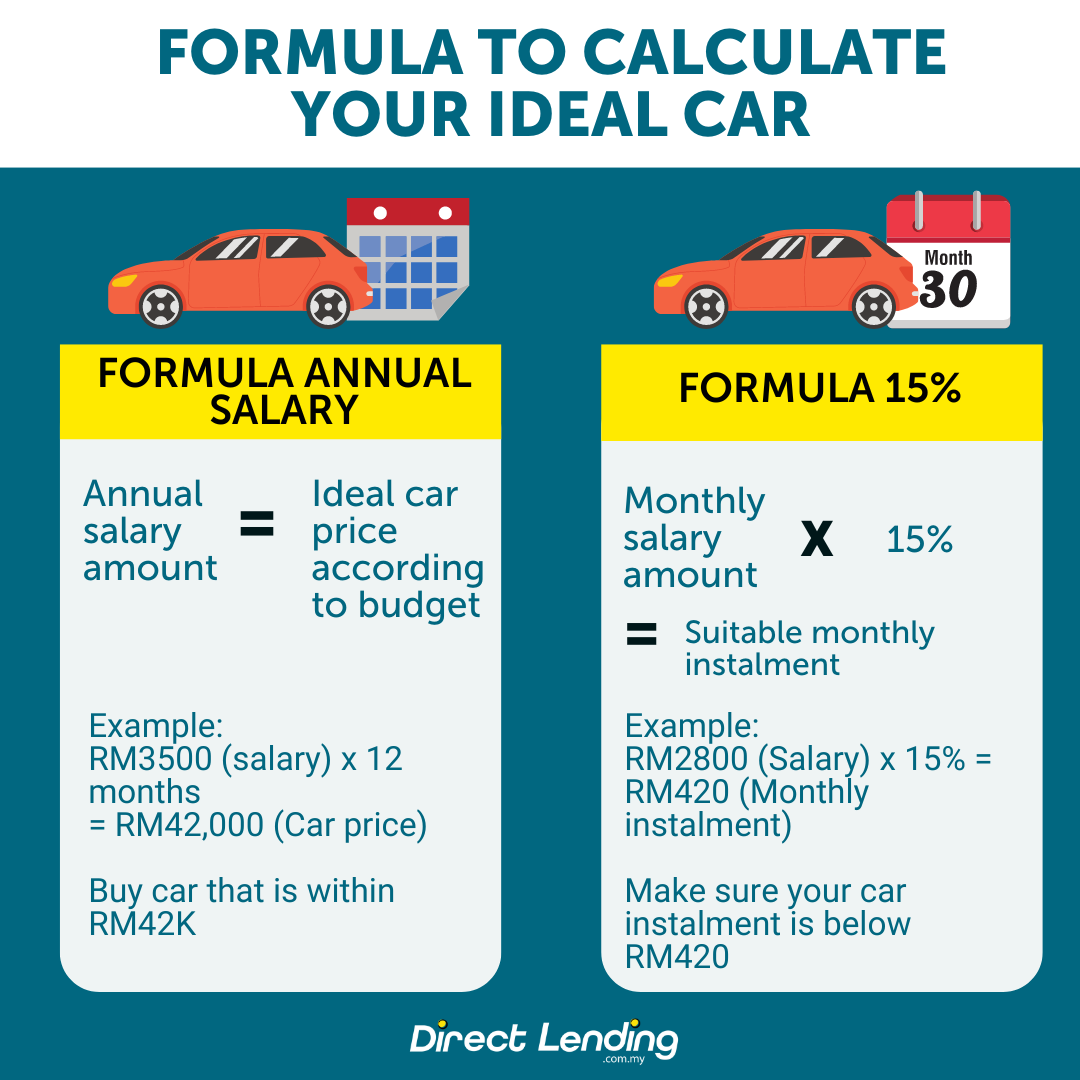
Budgeting: Create a detailed budget to understand your monthly income versus your expenses. Identify how much disposable income you genuinely have available for a car payment, insurance, fuel, and maintenance without straining your finances. Remember that a car comes with ongoing costs beyond the loan payment.
-
Debt-to-Income Ratio (DTI): Lenders look closely at your DTI, which is the percentage of your gross monthly income that goes towards debt payments. A lower DTI (ideally below 36-43%) indicates you have more money available to handle additional debt, making you a less risky borrower. Calculate your current DTI by summing your minimum monthly debt payments (credit cards, student loans, mortgage, etc.) and dividing by your gross monthly income.
Checking and Improving Your Credit Score
Your credit score is arguably the most influential factor in determining your loan eligibility and interest rate. It’s a numerical representation of your creditworthiness.
-
Importance: A higher credit score (generally above 700) signifies to lenders that you are a reliable borrower with a history of responsible debt management. This typically qualifies you for the lowest interest rates and best loan terms. A lower score might still allow you to get a loan, but often with higher interest rates to compensate for the perceived risk.
-
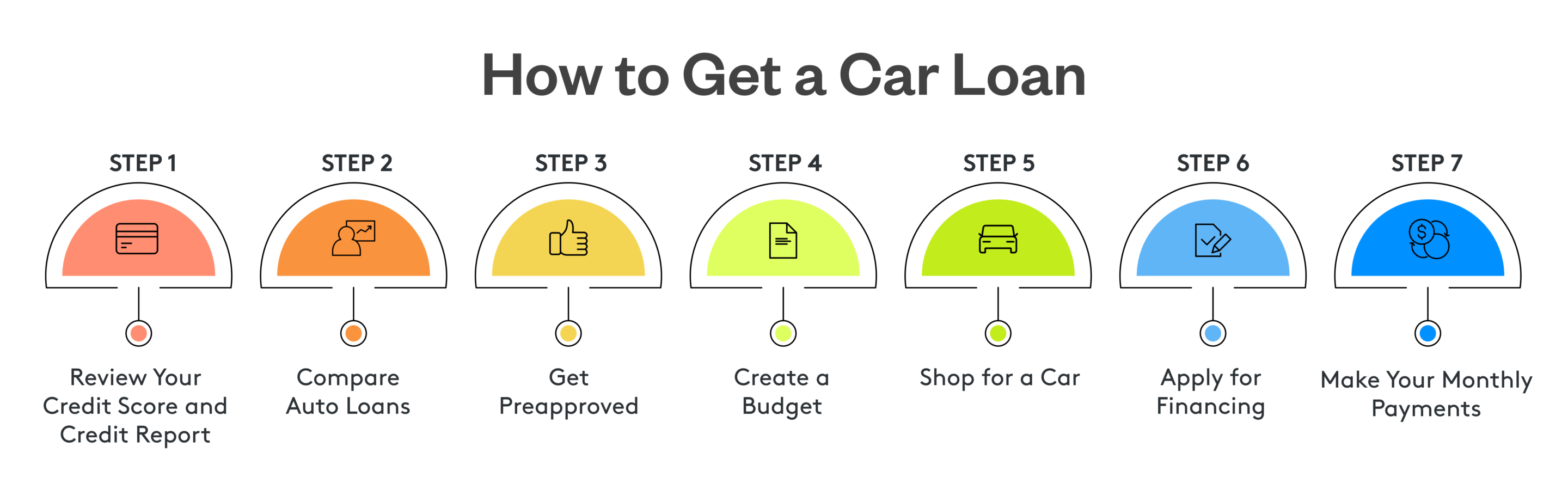
How to Improve It: Before applying for a loan, obtain a free copy of your credit report from the three major bureaus (Equifax, Experian, TransUnion) via AnnualCreditReport.com. Review it for errors and dispute any inaccuracies. To improve your score, focus on paying bills on time, reducing existing debt, and avoiding opening new lines of credit unnecessarily. Even a few months of diligent credit management can make a difference.
Determining How Much You Can Afford
It’s tempting to focus solely on the car’s sticker price, but a truly affordable car encompasses more than just the purchase price.
-
Down Payment: Decide how much you can comfortably put down upfront. A larger down payment reduces the principal amount you need to finance, leading to lower monthly payments and less total interest paid. Aim for at least 10-20% of the car’s value if possible.
-
Monthly Payments: Based on your budget, determine a maximum monthly payment you can commit to. Use online car loan calculators to experiment with different loan amounts, interest rates, and terms to see how they impact your monthly payment. Don’t forget to factor in other car-related expenses.
-
Total Cost of Ownership: Consider the long-term costs beyond the loan. This includes insurance premiums, fuel costs, maintenance, and potential depreciation. Research reliable and fuel-efficient models that align with your budget.
Researching the Car You Want
Having a specific car in mind, even a few options, helps you understand the price range and prevents over-financing. Research the market value of your desired vehicle(s) using resources like Kelley Blue Book (KBB) or Edmunds. This knowledge empowers you during negotiations and ensures you’re not paying more than the car is worth.
Where to Find Car Loans
Once you’ve done your financial homework, the next step is to explore the various avenues for securing a car loan. Each option has its own advantages and disadvantages, and comparing them can lead to significant savings. Diversifying your search can provide leverage and ensure you get the best possible deal.
Dealership Financing
This is often the most convenient option, as you can arrange financing directly at the dealership where you’re buying the car. Dealerships work with multiple lenders (banks, captive finance companies like Ford Credit or Toyota Financial Services) and can offer competitive rates, especially for new cars or through special promotions.
-
Pros: Convenience, potentially special financing offers (e.g., 0% APR for qualified buyers), ability to bundle financing with the car purchase.
-
Cons: May not always offer the absolute best rates, can sometimes be pressured into less favorable terms, focus might be more on the monthly payment than the total cost.
Banks and Credit Unions
Traditional financial institutions are a reliable source for auto loans.
-
Banks: Large national and local banks offer a wide range of car loan products. They generally have established processes and competitive rates for qualified borrowers. It’s often a good idea to check with your existing bank first, as they may offer preferred rates to their customers.
-
Credit Unions: These member-owned financial cooperatives are known for often offering lower interest rates and more flexible terms than traditional banks, as their primary goal is to serve their members, not generate profits for shareholders. You typically need to become a member to apply for a loan, which usually involves a small membership fee or meeting specific eligibility criteria.
Online Lenders
The rise of digital finance has led to a plethora of online lenders specializing in auto loans. These platforms often streamline the application process and can provide quick pre-approvals.
-
Pros: Quick and easy application process, ability to compare offers from multiple lenders without leaving home, potentially competitive rates, good for those with less-than-perfect credit.
-
Cons: Less personal interaction, may require more self-service, some less reputable lenders exist (always verify credentials).
Peer-to-Peer Lending Platforms
While less common for direct car loans, some peer-to-peer (P2P) platforms offer personal loans that could potentially be used for a car purchase. These platforms connect individual borrowers with individual investors. However, they are typically unsecured personal loans, which means higher interest rates than secured auto loans.
The Application Process: Step-by-Step
With your research complete and your financial house in order, you’re ready to tackle the application process. This stage involves gathering documentation, strategically applying to multiple lenders, and carefully evaluating loan offers.
Gathering Necessary Documents
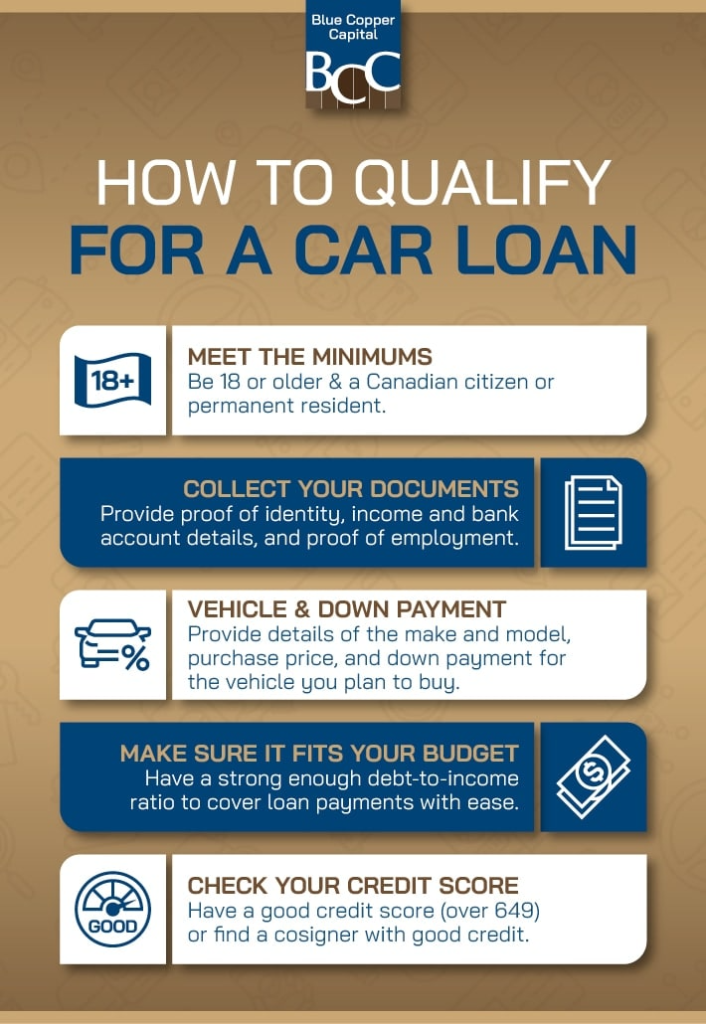
Before you start applying, have all your essential documents ready. This will expedite the process and prevent delays. Typical documents include:
-
Proof of identity (driver’s license, passport)
-
Proof of income (pay stubs, tax returns, bank statements)
-
Proof of residence (utility bill, lease agreement)
-
Social Security Number
-
Information about the vehicle you intend to purchase (if known)
-
Trade-in vehicle information (if applicable)
Submitting Multiple Applications (Rate Shopping)
To ensure you get the best possible rate, it’s crucial to “rate shop.” Apply to at least three to five different lenders (banks, credit unions, online lenders) within a short period, typically 14-45 days. Credit bureaus treat multiple credit inquiries for the same type of loan within this timeframe as a single inquiry, minimizing the impact on your credit score. This strategy allows you to compare actual offers, not just advertised rates. Getting pre-approved from multiple lenders before visiting a dealership gives you significant negotiating power.
Understanding Loan Offers: Reading the Fine Print
Once you receive loan offers, don’t just look at the monthly payment. Scrutinize every detail:
-
APR: This is the most critical number as it represents the true annual cost of the loan. Compare APRs from different lenders.
-
Loan Term: Understand how the term affects your total interest paid. A longer term means lower monthly payments but more interest over time.
-
Fees: Look out for origination fees, application fees, or prepayment penalties. Ensure all fees are transparently disclosed.
-
Total Cost of the Loan: Calculate the total amount you will pay over the life of the loan (principal + total interest). This is often a better comparison metric than just the monthly payment.
-
Other Clauses: Read through all terms and conditions carefully, including clauses about late payments, defaults, and insurance requirements.
Negotiation Tips
Armed with pre-approvals, you’re in a strong position to negotiate.
-
Negotiate the Car Price First: When at the dealership, negotiate the purchase price of the car separately from the financing. If you’ve already secured an external loan, you can present it to the dealer and see if they can beat or match the rate.
-
Focus on the Total Price, Not Just Monthly Payments: Dealers sometimes try to distract buyers by focusing solely on a “low monthly payment” without disclosing the full terms or inflated vehicle price. Always bring the conversation back to the total vehicle price and the overall loan cost.
-
Don’t Feel Pressured: Take your time to review everything. If something doesn’t feel right, be prepared to walk away.
Post-Approval and Beyond
Getting approved for a car loan is a significant step, but the process doesn’t end there. There are still final steps to secure your vehicle and responsibilities that extend throughout the life of the loan.
Finalizing the Loan and Purchase
After you’ve selected the best loan offer and negotiated the car price, it’s time to finalize the paperwork.
-
Review the Contract Carefully: Before signing anything, read the final loan agreement and purchase contract word for word. Ensure all terms, rates, fees, and the vehicle price match what was agreed upon. If anything is unclear, ask for clarification.
-
Proof of Insurance: You will typically need to provide proof of adequate car insurance before the loan is finalized and you can drive the car off the lot. Lenders often require comprehensive and collision coverage to protect their collateral.
Making Payments On Time
Once the loan is finalized, your primary responsibility is to make your monthly payments on time, every time.
-
Impact on Credit: Timely payments are crucial for maintaining and improving your credit score. Late payments can severely damage your credit, making it harder and more expensive to borrow money in the future.
-
Avoid Fees: Late payments also incur penalties and fees, increasing the overall cost of your loan.
-
Set Up Autopay: Consider setting up automatic payments from your bank account to ensure you never miss a due date.
Refinancing Options
Life circumstances and market conditions can change, and you might find yourself with a better credit score or lower interest rates available after a few years.
-
When to Consider Refinancing: If your credit score has significantly improved, if interest rates have dropped since you took out your original loan, or if you need to lower your monthly payments, refinancing could be an option.
-
Benefits: Refinancing involves taking out a new loan to pay off your existing car loan, ideally at a lower interest rate or with a different term. This can lead to lower monthly payments or a reduced total cost of the loan.
Impact on Credit Score
A car loan, when managed responsibly, can be an excellent tool for building and strengthening your credit history. It demonstrates your ability to handle installment debt over a long period. Conversely, late payments or defaulting on the loan will have a detrimental effect on your credit score, impacting your ability to secure future loans for a home, education, or other significant purchases.
Securing a car loan doesn’t have to be a stressful ordeal. By approaching the process with preparation, knowledge, and a commitment to responsible financial management, you can confidently navigate the options, secure a favorable loan, and drive away in your new vehicle with peace of mind. Remember, the goal is not just to get a loan, but to get the right loan that supports your long-term financial well-being.
aViewFromTheCave is a participant in the Amazon Services LLC Associates Program, an affiliate advertising program designed to provide a means for sites to earn advertising fees by advertising and linking to Amazon.com. Amazon, the Amazon logo, AmazonSupply, and the AmazonSupply logo are trademarks of Amazon.com, Inc. or its affiliates. As an Amazon Associate we earn affiliate commissions from qualifying purchases.