
Purchasing a car is one of the most significant financial decisions many individuals make, second only to buying a home. It’s a transaction that extends far beyond the sticker price, involving a complex interplay of personal finance, market dynamics, and long-term budgeting. Understanding “how much to pay for a car” isn’t merely about negotiating the lowest possible price; it’s about making a financially sound decision that aligns with your income, lifestyle, and future goals. This guide will delve into the multifaceted financial considerations involved, helping you navigate the process with confidence and clarity within the realm of personal finance.

Understanding Your Financial Readiness
Before you even begin browsing models or visiting dealerships, the most crucial step is to objectively assess your personal financial situation. This foundational work will dictate not only how much you can afford, but also how much you should afford, ensuring your car purchase enhances rather than strains your financial well-being.
Assess Your Budget and Income
Your monthly income and existing expenses form the bedrock of your car-buying budget. Start by calculating your disposable income – what’s left after all essential bills (housing, food, utilities, existing debts) are paid. A common rule of thumb for car purchases is the “20/4/10 rule”:
-
20% down payment: This minimizes your loan amount, reduces interest paid, and builds equity faster.
-
4-year loan term: Shorter terms mean higher monthly payments but significantly less interest over the life of the loan. Avoid stretching loans to 60, 72, or even 84 months, as the total cost can become exorbitant.
-
10% of gross income for total car expenses: This includes your monthly loan payment, insurance, fuel, and maintenance. Exceeding this percentage can put a severe strain on your budget, limiting savings and other financial goals.
Carefully consider how a new car payment will impact your overall financial picture. Don’t forget to factor in potential increases in insurance premiums, higher fuel costs if you’re upgrading to a less efficient vehicle, and routine maintenance. A detailed monthly budget spreadsheet is indispensable here.
Evaluate Your Credit Score
Your credit score is a critical determinant of the interest rate you’ll be offered on a car loan. Lenders use it to assess your creditworthiness; a higher score (typically 700+) indicates lower risk and qualifies you for more favorable interest rates, potentially saving you thousands of dollars over the life of the loan.
-
Before applying for a loan: Obtain your credit reports from all three major bureaus (Equifax, Experian, TransUnion) and review them for errors. Dispute any inaccuracies immediately.
-
If your score is low: Take steps to improve it, such as paying down existing debts, making all payments on time, and avoiding opening new lines of credit in the months leading up to your car purchase. Even a slight improvement can lead to significant savings on interest.
Down Payment Strategy
The importance of a substantial down payment cannot be overstated. A larger down payment reduces the principal amount you need to borrow, which directly translates to lower monthly payments and less interest paid over the loan term.
-
Avoid negative equity: A significant down payment helps you avoid becoming “upside down” on your loan, where you owe more than the car is worth, especially common with rapid depreciation of new vehicles.
-
Dealer incentives: While some dealerships offer low or no down payment options, these often come with higher interest rates or less flexible terms. Always compare the total cost.
-
Aim for at least 20%: For new cars, 20% is ideal. For used cars, 10% is a good starting point, but more is always better. If you have a trade-in, its value can contribute significantly to your down payment.
Factor in Ongoing Costs
The price tag is only the beginning. A truly financially savvy car buyer understands and accounts for the total cost of ownership (TCO). These ongoing expenses can significantly impact your budget:
-
Insurance: Premiums vary widely based on the car’s make, model, age, your driving record, location, and desired coverage. Get insurance quotes before finalizing your purchase.
-
Fuel: Consider the car’s MPG (miles per gallon) and your typical driving habits. Even small differences can add up to hundreds of dollars annually.
-
Maintenance: All cars require regular servicing. Research reliability ratings for specific models and brands. Newer cars might have lower immediate maintenance costs but could incur higher repair costs post-warranty.
-
Registration and Taxes: These are often forgotten but can be substantial, varying by state and local jurisdiction.
-
Depreciation: While not an immediate cash outlay, depreciation is the single largest cost of car ownership. Understanding how quickly a vehicle loses value is crucial for long-term financial planning, especially if you plan to trade it in or sell it within a few years.
Navigating the Purchase Options
With your financial readiness established, the next step involves evaluating the different ways to acquire a vehicle, each with its own financial implications. The choice between new, used, buying, or leasing profoundly affects your long-term costs and equity.
New vs. Used Cars: The Depreciation Factor
This is often the first major decision. Financially, the used car market typically offers better value due to depreciation.
-
New Cars: Offer the latest technology, full warranty, and the “new car smell.” However, they suffer the steepest depreciation, often losing 20-30% of their value in the first year alone. This means you’re immediately “upside down” on your loan unless you made a very large down payment. While new cars might come with attractive financing offers, the overall cost of ownership can be higher due to rapid value loss.
-
Used Cars: Avoid the steepest depreciation curve, offering more car for your money. A 2-3 year old used car can be a significantly better financial deal, having already absorbed the initial value drop. They often come with lower insurance premiums and registration fees. However, used cars might have expired warranties and a higher risk of unexpected repairs. Certified Pre-Owned (CPO) vehicles from dealerships offer a middle ground, providing a warranty and inspection for added peace of mind, albeit at a higher price than a non-CPO used car.
Buying vs. Leasing: A Financial Comparison
The choice between buying and leasing hinges on your financial priorities and driving habits.
-
Buying: You own the car outright once the loan is paid off, building equity over time. You have no mileage restrictions and can customize the vehicle as you wish. While monthly payments might be higher than a lease for a comparable car, you eventually eliminate a car payment and can drive the car for many years, significantly reducing your average annual cost of ownership. This is generally the more financially prudent option for long-term ownership.
-
Leasing: Essentially long-term renting. You make lower monthly payments for a newer car, typically for 2-4 years, and then return it at the end of the term. This is appealing for those who want to drive a new car every few years and prefer predictable monthly costs, often including maintenance. However, you never own the vehicle, build no equity, and face mileage restrictions and potential wear-and-tear fees. Financially, leasing is almost always more expensive in the long run than buying and holding a vehicle for an extended period. It suits individuals who use their car for business (tax benefits), drive limited miles, and always want the latest model.
Cash Purchase vs. Financing
Another critical financial fork in the road is whether to pay cash or take out a loan.
-
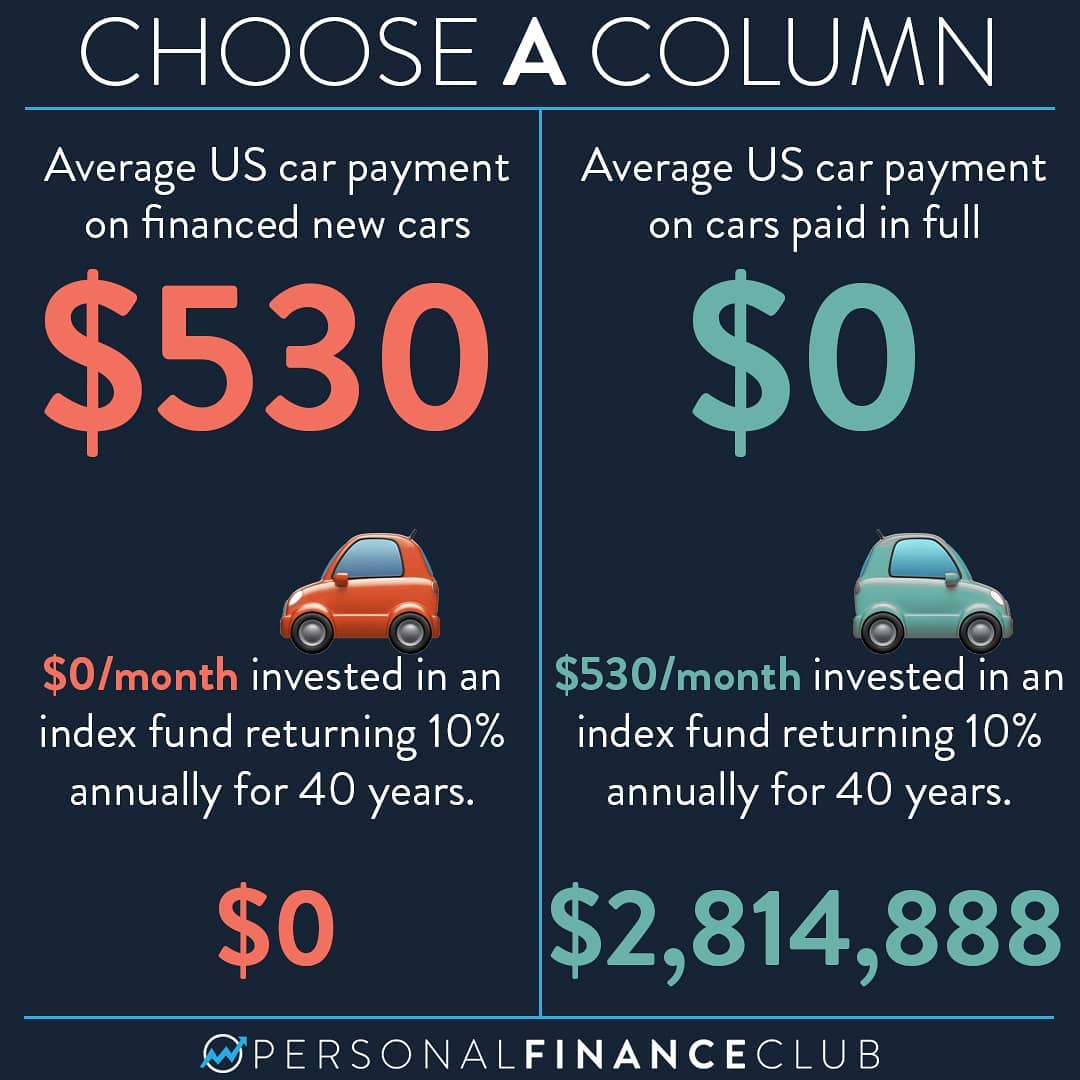
Cash Purchase: Eliminates interest payments, debt, and the need for comprehensive insurance. It provides complete financial freedom regarding the vehicle. However, it ties up a significant amount of capital that could potentially be invested elsewhere for a higher return (opportunity cost). Ensure you still have an emergency fund intact after a cash purchase.
-
Financing: Allows you to preserve your cash for other investments or emergencies. If you have excellent credit, low interest rates can make financing very attractive. However, you’ll pay interest over time, and you’re committed to monthly payments. The decision often comes down to your personal investment strategy and debt tolerance. If you can earn a higher return on your savings than the interest rate you’d pay on a car loan (after tax considerations), financing might be the better option.
Securing the Best Financing Deal
For most buyers, financing is a necessity. The goal is to minimize the total cost of borrowing by securing the most favorable loan terms possible. This requires proactive research and strategic negotiation.
Pre-Approval: Your Negotiation Power
Perhaps the single most empowering step in the financing process is getting pre-approved for a loan before you step into a dealership.
-
Shop around: Contact banks, credit unions, and online lenders to compare interest rates (APR) and loan terms. Credit unions often offer highly competitive rates.
-
Know your rate: With a pre-approval in hand, you know the maximum interest rate you’ll pay. This empowers you to negotiate with the dealership from a position of strength. If the dealership can beat your pre-approved rate, great; if not, you have a fallback.
-
Focus on the car price: Pre-approval separates the car price negotiation from the financing negotiation, allowing you to focus on getting the best deal on the vehicle itself, rather than being swayed by enticing but potentially misleading monthly payment figures.
Understanding Loan Terms
Beyond the interest rate, the length of the loan (term) significantly impacts the total cost.
-
APR (Annual Percentage Rate): This is the true cost of borrowing, encompassing interest and other fees. Compare APRs, not just interest rates.
-
Loan Duration: While longer terms mean lower monthly payments, they dramatically increase the total interest paid over the life of the loan. For example, a 60-month loan at 5% APR will cost significantly more in interest than a 36-month loan for the same amount, even if the monthly payment is higher for the shorter term. Aim for the shortest term you can comfortably afford, ideally 48 months or less for a new car.
Dealership Financing vs. External Lenders
Don’t assume dealership financing is always the best or worst option.
-
Dealerships: Often have access to manufacturer-backed financing (e.g., 0% APR promotions) which can be highly attractive. They can also work with multiple lenders to find you a deal. However, they sometimes mark up interest rates for profit.
-
External Lenders (Banks, Credit Unions): Typically offer transparent rates and can be less pressured. If you have a good existing relationship with a bank or credit union, they might offer competitive terms.
The key is to compare. Get your pre-approval, then see if the dealership can beat it. If they can’t or won’t, you simply go with your pre-approved loan.
The Art of Negotiation
Negotiating the price of a car is a skill that can save you thousands.
-
Focus on the “Out-the-Door” Price: This is the total price you will pay, including all fees, taxes, and the cost of the car itself. Don’t get fixated on monthly payments, as dealerships can stretch loan terms to make payments seem low while increasing the total cost.
-
Research Market Value: Use sites like Kelley Blue Book (KBB), Edmunds, and NADAguides to determine the fair market value of the car you’re interested in.
-
Separate Negotiations: If you have a trade-in, negotiate the price of the new car first, independent of your trade-in. Once you have a firm price for the new car, then discuss your trade-in. This prevents the dealership from muddling the numbers.
-
Be Prepared to Walk Away: This is your most powerful negotiating tool. If you’re not getting a fair deal, be ready to leave. There are always other cars and other dealerships.
Beyond the Sticker Price: Hidden Costs and Long-Term Value
A savvy financial decision involves looking beyond the immediate transaction and considering the complete financial picture over the entire ownership period.
Insurance Premiums
As mentioned, your car choice heavily influences insurance costs. A high-performance sports car will invariably cost more to insure than a modest sedan. Research average insurance costs for specific models before committing. This can be a significant “hidden” cost if not factored in early.
Maintenance and Repairs
While new cars come with warranties, regular maintenance is still required and costs money. Used cars, especially older ones, are more prone to unexpected repairs.
-
Reliability Ratings: Consult consumer reports (e.g., Consumer Reports, J.D. Power) for reliability data and estimated ownership costs by make and model.
-
Extended Warranties: For used cars, or even new ones, an extended warranty might seem like a good idea. However, carefully weigh the cost against the likelihood of covered repairs and the reputation of the warranty provider. Often, these are overpriced and may not cover as much as you think. A robust emergency fund might be a more financially sound alternative.
Fuel Efficiency
The cost of fuel adds up significantly over time. A car with good fuel economy (high MPG) can save you hundreds, if not thousands, of dollars annually compared to a gas-guzzler. With the rise of electric vehicles (EVs), consider the cost of electricity vs. gasoline, charging infrastructure, and potential tax credits or incentives for EVs. These can drastically alter the long-term running costs.
Resale Value and Depreciation
Understanding which cars hold their value well can save you money when it’s time to sell or trade in. While depreciation is inevitable, some brands and models depreciate much slower than others. Factors like reliability, brand reputation, and market demand play a significant role. Choosing a car with a strong resale value means you’ll recoup more of your initial investment down the line, reducing the overall cost of ownership.
Making the Final Decision and Protecting Your Investment
Bringing all these financial considerations together leads to making an informed final decision and taking steps to protect your significant investment.
The Total Cost of Ownership (TCO) Calculation
Before signing on the dotted line, perform a holistic TCO calculation for your top car choices. This involves summing up:
-
Purchase price (or total lease cost)
-
Interest paid on loan
-
Down payment
-
Sales tax and registration fees
-
Estimated fuel costs over anticipated ownership period
-
Estimated insurance premiums over anticipated ownership period
-
Estimated maintenance and repair costs over anticipated ownership period
-
Minus estimated resale or trade-in value
This calculation provides the most accurate financial picture of what a car truly costs you.
Vehicle History and Inspection
For used cars, a pre-purchase inspection by an independent mechanic is non-negotiable. This small investment can save you from buying a vehicle with costly underlying issues. Always obtain a vehicle history report (e.g., CarFax, AutoCheck) to check for accidents, salvage titles, odometer fraud, and service records. These steps are crucial financial safeguards.
Reading the Fine Print
Never rush through the paperwork. Carefully read the entire purchase agreement, loan documents, and any warranty information. Ensure all agreed-upon terms (price, interest rate, trade-in value) are accurately reflected. Watch out for added fees or products you didn’t agree to, like paint protection plans or extended warranties, that can inflate the price.

Regular Maintenance for Financial Prudence
Once you own the car, adhering to the manufacturer’s recommended maintenance schedule is paramount. Regular oil changes, tire rotations, and inspections prevent minor issues from becoming major, expensive repairs. Keeping your car in good condition not only extends its life but also preserves its resale value, which is a key financial benefit down the road.
In conclusion, determining “how much to pay for a car” is a nuanced financial exercise. It requires meticulous budgeting, credit score awareness, strategic shopping, smart financing, and a clear understanding of long-term ownership costs. By approaching the decision with a comprehensive financial mindset, you can acquire a vehicle that meets your needs without compromising your financial health, ensuring your automotive journey is as smooth financially as it is on the road.
aViewFromTheCave is a participant in the Amazon Services LLC Associates Program, an affiliate advertising program designed to provide a means for sites to earn advertising fees by advertising and linking to Amazon.com. Amazon, the Amazon logo, AmazonSupply, and the AmazonSupply logo are trademarks of Amazon.com, Inc. or its affiliates. As an Amazon Associate we earn affiliate commissions from qualifying purchases.