
For many, purchasing a car represents one of the largest financial commitments they will make, second only to a home mortgage. While the make, model, and color often capture the immediate attention, the true cost of ownership is profoundly influenced by a seemingly complex acronym: APR, or Annual Percentage Rate. Far more than just an interest rate, APR is the total cost of borrowing money for a car loan, expressed as a yearly percentage. It’s the critical number that can determine whether your dream car remains affordable or becomes an unanticipated financial burden.
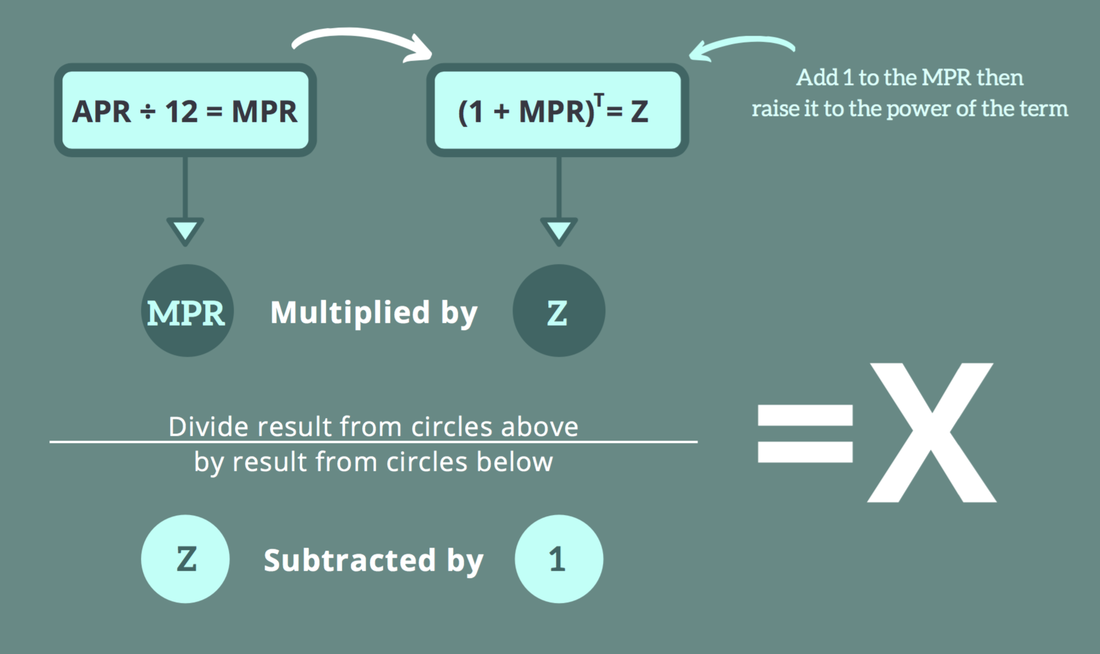
Navigating the world of car financing requires a clear understanding of what APR entails, how it’s calculated, and its long-term implications for your wallet. This comprehensive guide aims to demystify APR, empowering you to make informed decisions and secure the most favorable terms for your next vehicle purchase. From the core definition to strategic approaches for lowering your rate, we’ll delve into the intricacies that govern how much you ultimately pay for your ride.
Understanding the Fundamentals of APR in Car Loans
The foundation of any sound financial decision, especially when it involves borrowing, is a clear understanding of the terminology. APR is a term frequently encountered in consumer lending, but its full scope is often overlooked, leading to costly misunderstandings.
Defining APR: Beyond Just the Interest Rate
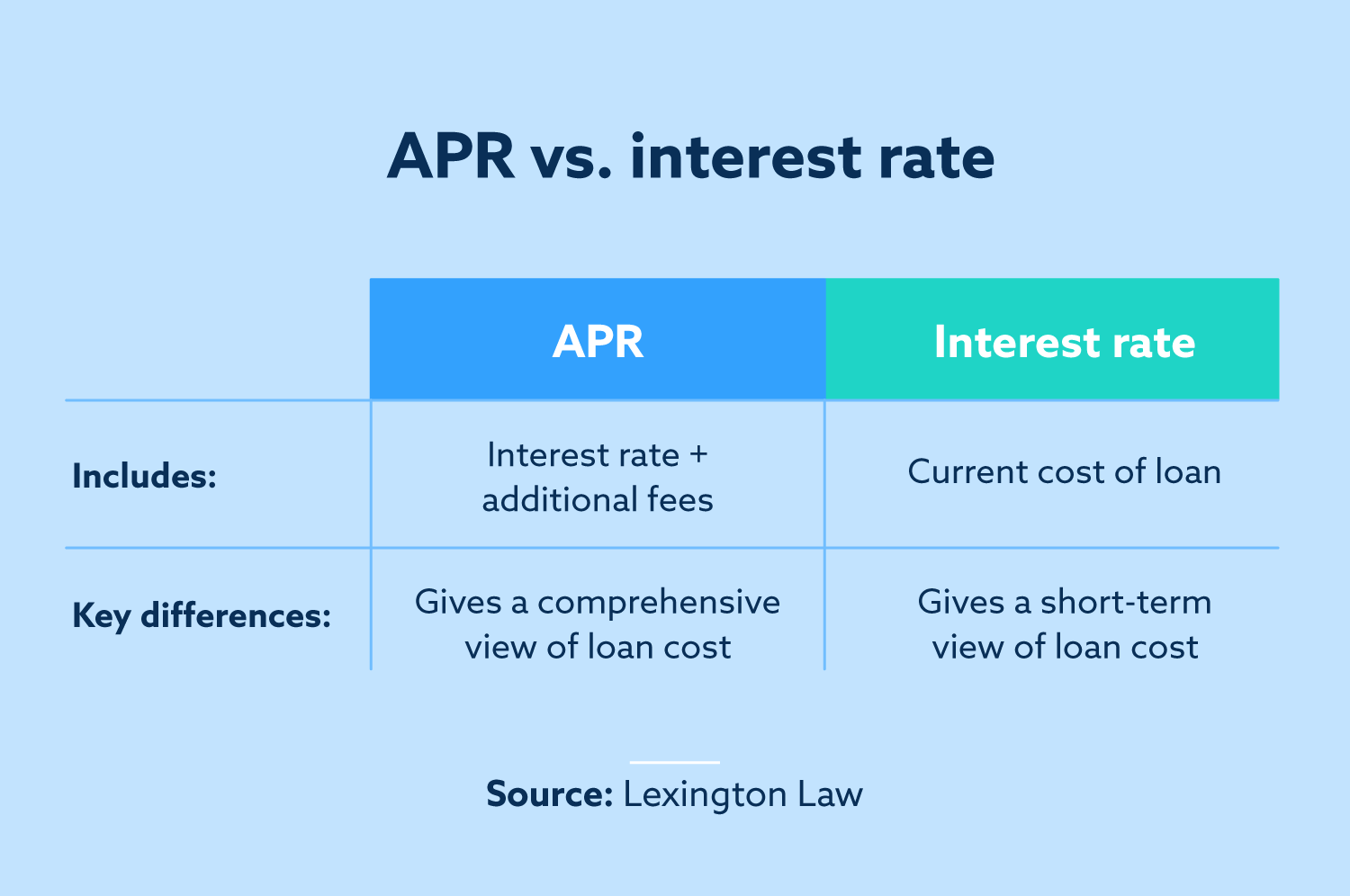
At its most basic, APR is the annual rate charged for borrowing, or earned by investing, expressed as a percentage that represents the actual yearly cost of funds over the term of a loan. While it inherently includes the nominal interest rate, it’s crucial to understand that APR encompasses more than just the simple interest charged on the principal amount. It’s designed to give consumers a more comprehensive picture of the total cost of credit.
Think of the interest rate as the base price of borrowing money from a lender. This is the percentage applied directly to your outstanding loan balance to calculate the interest portion of your monthly payment. However, obtaining a loan often involves various other fees and charges. This is where APR comes in. The Annual Percentage Rate takes that nominal interest rate and bundles it with most, though not all, additional fees associated with the loan. These might include origination fees, discount points, broker fees, and certain other charges imposed by the lender.
For example, if you’re quoted a 5% interest rate but the loan comes with a 1% origination fee, your effective APR will be higher than 5% because that fee is amortized and added into the annual percentage calculation. The federal Truth in Lending Act (TILA) mandates that lenders disclose the APR to consumers, ensuring transparency and enabling borrowers to compare the true cost of different loan offers. This disclosure is vital because a loan with a seemingly lower interest rate could, in fact, have a higher APR due to additional fees, making it ultimately more expensive than a loan with a slightly higher interest rate but no extra charges.
The Legal Framework: Why APR is Important
The concept of APR isn’t merely a courtesy extended by lenders; it’s a legal requirement enshrined in consumer protection laws, primarily the Truth in Lending Act (TILA) in the United States. Enacted in 1968 and implemented by the Federal Reserve Board through Regulation Z, TILA aims to protect consumers in credit transactions by requiring clear disclosure of key terms, most notably the APR and the total cost of the loan.
Before TILA, lenders could obscure the true cost of credit by quoting only simple interest rates while adding numerous hidden fees. This made it incredibly difficult for consumers to compare loan offers fairly. TILA’s requirement for a standardized APR calculation allows borrowers to compare “apples to apples” across different lenders. By mandating the disclosure of APR, the law provides consumers with a powerful tool for understanding the full financial implications of borrowing. It ensures that lenders cannot simply lure borrowers with an attractive interest rate only to bury additional costs in fine print. This transparency is fundamental to a fair credit market, empowering individuals to make informed decisions that align with their financial goals and capabilities. Without a standardized APR, the complexity of car loan agreements would be even more daunting, leaving consumers vulnerable to deceptive practices.
Deconstructing the Components of Your Car Loan APR
To truly grasp how APR impacts your car loan, it’s essential to dissect its various components. While the interest rate is often the most visible element, a multitude of factors, both internal and external, contribute to the final percentage you are offered.
The Core Interest Rate: Lender’s Profit and Risk Assessment
The interest rate is the base price a lender charges you for borrowing their money. It’s their primary source of profit on a loan, but it also reflects their assessment of the risk involved in lending to you. Several factors significantly influence the interest rate you’re offered:
-
Credit Score: This is perhaps the most significant determinant. A higher credit score (typically 700+) indicates a lower risk to lenders, as it suggests a history of responsible borrowing and timely payments. Borrowers with excellent credit generally qualify for the lowest interest rates. Conversely, a lower credit score signals higher risk, leading to higher interest rates to compensate the lender for that increased risk.
-
Loan Term: The length of your loan repayment period also plays a crucial role. Shorter loan terms (e.g., 36 or 48 months) typically come with lower interest rates because the lender’s money is tied up for a shorter period, reducing their exposure to risk and economic fluctuations. Longer terms (e.g., 60, 72, or even 84 months) often carry higher interest rates. While longer terms result in lower monthly payments, the increased interest rate, combined with the extended repayment period, means you pay significantly more over the life of the loan.
-
Down Payment: A larger down payment reduces the amount you need to borrow, which in turn reduces the lender’s risk. A lower loan-to-value (LTV) ratio (the loan amount relative to the car’s value) often translates to more favorable interest rates.
-
Economic Conditions: Broader economic factors, such as the federal interest rate set by the central bank (e.g., the Federal Reserve in the U.S.), influence the baseline cost of money for lenders. When these rates are high, consumer loan rates tend to follow suit.
-
New vs. Used Car: Loans for new cars often have lower interest rates than those for used cars. Lenders perceive new cars as less risky because they are typically more reliable and hold their value better, especially in the initial years. Used cars, with their greater potential for mechanical issues and faster depreciation, represent a higher risk.
While most car loans feature a fixed APR—meaning your interest rate and therefore your monthly payment (excluding any potential variable add-ons) remain constant throughout the loan term—it’s worth noting that some rare cases might involve variable rates. However, for the vast majority of car buyers, fixed APRs provide stability and predictability in budgeting.
Additional Fees and Charges Embedded in APR
Beyond the core interest rate, the APR incorporates several fees that increase the true cost of your loan. These fees can vary by lender and state, but understanding their common types is crucial:
-
Origination Fees: These are fees charged by the lender for processing your loan application and setting up the loan. They compensate the lender for administrative costs.
-
Documentation Fees (Doc Fees): While sometimes rolled into the APR, these are more often separate charges imposed by dealerships for preparing paperwork. It’s important to clarify if these are included in the APR or are an additional cost. When calculating APR, specific prepaid finance charges (like certain points or fees paid directly to the lender) must be included.
-
Prepaid Finance Charges: These are charges that the borrower pays at closing or that are withheld from the proceeds of the loan. Examples can include loan points (a percentage of the loan amount charged by the lender), prepaid interest, and certain insurance premiums (like credit life or disability insurance if it’s a condition for the loan and not optional). These charges effectively increase the true annual cost of borrowing, which is why TILA requires them to be factored into the APR calculation.
It’s vital to remember that not all costs associated with buying a car are included in the APR. For example, sales tax, registration fees, and extended warranties purchased separately from the loan proceeds typically are not part of the APR calculation, although they might be financed as part of the total amount borrowed. Always scrutinize the loan disclosure form (such as the federal Truth-in-Lending disclosure) to see precisely which fees are included in the APR and what additional costs you might incur.
The Impact of APR on Your Total Car Ownership Cost
Understanding APR is not merely an academic exercise; it has a tangible and often dramatic impact on the total amount you will pay for your vehicle. The APR directly influences the financial commitment you undertake, far beyond the sticker price of the car itself.
Calculating the Real Cost: Principal, Interest, and Loan Term
The total cost of your car loan is a function of three main variables: the principal loan amount, the APR, and the loan term. While the principal is the amount you borrow, the APR dictates how much additional money you pay for the privilege of borrowing that principal over a specific period.
Let’s illustrate with an example:
-
Loan Amount: $30,000
-
Loan Term: 60 months (5 years)
Consider two different APRs:
-
Scenario A: 4% APR
-
Estimated Monthly Payment: Approximately $552.49
-
Total Interest Paid: Approximately $3,149.40
-
Total Repaid: $33,149.40
-
-
Scenario B: 8% APR
-
Estimated Monthly Payment: Approximately $608.23
-
Total Interest Paid: Approximately $6,493.80
-
Total Repaid: $36,493.80
-
In this simplified example, an increase of just 4 percentage points in APR translates to an additional $3,344.40 in interest paid over the life of the loan. This is money that could have been saved, invested, or used for other financial goals. The “cost of money” becomes glaringly apparent as the APR climbs, directly eroding your purchasing power.
The Power of Compound Interest (or rather, the Cost of It for Borrowers)
While often lauded for its benefits in savings and investments, compound interest works against borrowers. For a car loan, interest is typically calculated on the remaining principal balance. Each month, a portion of your payment goes towards the interest accrued, and the rest reduces the principal. The next month’s interest is then calculated on a slightly smaller principal.
However, with higher APRs, a larger portion of your early payments goes towards interest, meaning the principal is reduced more slowly. This prolonged period of a higher principal balance results in more interest accruing over time, especially during the initial years of the loan. This effect is compounded over longer loan terms, where the interest has more time to accrue on a larger outstanding balance. Understanding this dynamic highlights why securing the lowest possible APR is paramount to minimizing the overall financial burden.
Short-Term vs. Long-Term Loans: APR’s Role in Affordability
The interplay between APR and loan term is critical when assessing affordability and total cost.
-
Short-Term Loans (e.g., 36-48 months): These typically come with lower APRs because the lender’s risk is minimized over a shorter duration. While monthly payments will be higher, the total interest paid over the life of the loan is significantly less. This option is ideal for those who can comfortably afford the higher monthly payments and wish to be debt-free sooner.
-
Long-Term Loans (e.g., 60-84 months): These are often marketed as more “affordable” due to their lower monthly payments. However, they almost invariably come with higher APRs. The combined effect of a higher rate and a longer repayment period leads to a substantially greater total interest paid. Furthermore, longer terms increase the risk of negative equity (owing more on the car than it’s worth), especially given a car’s rapid depreciation in the early years. If you need to sell or trade in the vehicle early, you could find yourself in a difficult financial position.
Therefore, while a longer term might make a car seem more affordable on a monthly basis, a keen understanding of APR reveals the hidden cost, potentially adding thousands to the total price of your vehicle.
Strategies for Securing a Favorable Car Loan APR

A low APR can save you thousands over the life of a car loan. Armed with knowledge about how APR works, the next step is to strategize how to secure the best possible rate. This involves proactive steps that empower you as a borrower.
Building and Maintaining a Strong Credit Score
Your credit score is the single most influential factor in determining the APR you’ll be offered. Lenders use it as a quick snapshot of your creditworthiness and risk profile. To secure the lowest rates:
-
Pay Bills on Time, Every Time: Payment history is the most significant component of your credit score. Late payments can severely damage your score.
-
Keep Credit Utilization Low: Aim to use less than 30% of your available credit on credit cards. High utilization signals financial stress.
-
Maintain a Long Credit History: The longer you’ve responsibly managed credit, the better. Avoid closing old, unused credit accounts, as this can shorten your credit history and impact your utilization ratio.
-
Diversify Your Credit Mix: A healthy mix of credit (e.g., credit cards, student loans, mortgage) can positively impact your score, showing you can manage various types of debt.
-
Regularly Check Your Credit Report: Obtain free copies of your credit report from AnnualCreditReport.com annually. Look for errors and dispute any inaccuracies, as these can negatively affect your score.
By consciously working to improve or maintain an excellent credit score, you position yourself as a low-risk borrower, making you eligible for the most competitive APRs.
The Art of Negotiation and Shopping Around
Never settle for the first loan offer you receive. Just as you’d compare prices for the car itself, you should compare loan offers from multiple sources.
-
Get Pre-Approved: Before you even set foot in a dealership, apply for pre-approval from several lenders. This includes banks, credit unions, and online lenders. Pre-approval gives you a concrete loan offer (including an APR and maximum loan amount) that you can then use as leverage when negotiating with a dealer. It shifts your focus from “Can I get a loan?” to “Which loan is the best?”
-
Dealer Financing vs. Independent Financing: While convenient, dealer financing isn’t always the best option. Dealers often work with multiple lenders and may mark up the interest rate they present to you to earn additional profit. Having an independent pre-approval in hand allows you to compare the dealer’s offer directly and accept the one with the lowest APR.
-
Understand Special Incentives: Be wary of “0% APR” deals. While tempting, these are typically reserved for buyers with impeccable credit on specific new car models and often require shorter loan terms. Furthermore, sometimes these offers require you to forgo a cash rebate, which might be a better financial decision depending on the total cost. Always do the math to see if the 0% APR or the rebate offers greater savings.
Shopping around extensively ensures you secure the most competitive APR available for your financial profile.
Down Payments and Trade-Ins: Reducing Your Loan Amount
The more money you put down upfront, the less you need to borrow, which directly translates to a lower loan amount and potentially a better APR.
-
Reduce Loan-to-Value (LTV): A larger down payment reduces the LTV ratio, which is the loan amount divided by the car’s value. Lenders view a lower LTV as less risky, as they have more equity in the vehicle should you default. This reduced risk often leads to a lower APR.
-
Lower Overall Interest: Even with the same APR, a smaller principal loan amount means less interest will accrue over the life of the loan.
-
Positive Equity: A substantial down payment helps you build equity in your car faster, reducing the risk of being upside down (negative equity) if its value depreciates quickly.
Similarly, trading in your old vehicle provides a similar benefit by reducing the amount you need to finance. Factor the trade-in value into your down payment strategy.
Understanding Loan Terms and Their Implications
While a lower monthly payment might seem appealing, extending the loan term usually results in paying significantly more in total interest.
-
Balance Monthly Payment with Total Cost: Aim for the shortest loan term you can comfortably afford. While a 72- or 84-month loan might offer incredibly low monthly payments, the cumulative interest can be astronomical, especially with higher APRs.
-
Example Revisited: A $30,000 loan at 8% APR over 60 months costs $6,493.80 in interest. The same loan over 84 months (7 years) might have a lower monthly payment (approx. $450 vs. $608), but the total interest paid soars to approximately $7,780 – over $1,200 more for just two extra years.
Choosing a shorter term, even with a slightly higher monthly obligation, can substantially reduce your total cost of ownership by limiting the amount of interest you pay over time.
Navigating Common APR Misconceptions and Pitfalls
Even with a solid understanding of APR, certain aspects of car financing can still trip up unwary buyers. Being aware of common misconceptions and pitfalls is crucial for protecting your finances.
Don’t Confuse APR with Interest Rate Alone
As discussed, this is the most critical distinction. A dealership might advertise a “low interest rate” of 4%, but if their APR disclosure shows 4.75%, it means additional fees (like an origination fee) are bundled in, making the true cost higher than the headline interest rate suggests. Always compare the APR from different lenders, not just the quoted interest rate. The APR gives you the most accurate “apples-to-apples” comparison of the total annual cost of borrowing.
The Lure of Low Monthly Payments: Long Loan Terms
The attraction of a low monthly payment is undeniable, especially for those on a tight budget. Dealers often use this tactic to make more expensive vehicles seem affordable. However, this often comes at the cost of significantly extending the loan term. While a lower monthly payment provides immediate relief, it has several long-term downsides:
-
Higher Total Interest Paid: As illustrated, longer terms mean you pay interest for a longer period, resulting in a substantially higher total cost for the car.
-
Increased Risk of Negative Equity: Cars depreciate rapidly. With a long loan term, particularly if you have a small down payment, you can easily find yourself owing more on the car than it’s worth (negative equity). This makes selling or trading in the car problematic, as you’d have to pay the difference or roll the deficit into your next loan.
-
Extended Debt Burden: You’ll be making car payments for many more years, potentially interfering with other financial goals like saving for a home, retirement, or a child’s education.
Always weigh the benefit of a lower monthly payment against the increased total cost and extended debt period.
Beware of Add-ons and “Junk Fees”
During the financing process, dealerships often offer various add-ons that can inflate the total amount you finance, even if they aren’t directly included in the APR calculation itself. These can include:
-
Extended Warranties/Service Contracts: While some may offer peace of mind, many are overpriced or duplicate coverage already provided by the manufacturer.
-
GAP (Guaranteed Asset Protection) Insurance: This covers the “gap” between what you owe on your loan and what your insurance company will pay if your car is totaled or stolen. While sometimes advisable, it’s often cheaper to purchase from your own insurance provider or a credit union rather than the dealership.
-
Paint Protection, Fabric Protection, Etching: These are often high-profit items for dealerships with questionable long-term value.
-
Credit Life or Disability Insurance: These pay off your loan if you die or become disabled. Again, often overpriced through the dealer and may not be necessary if you have adequate life or disability insurance elsewhere.
While these might not always be included in the APR calculation (unless they are mandatory for the loan and are prepaid finance charges), financing them still increases your total loan amount, which means you’ll pay interest on them over the life of the loan. Scrutinize every line item on the contract and politely decline anything you don’t understand or genuinely need.
Understanding Promotional APRs
“0% APR for 60 months!” Such offers are powerful lures, but they come with fine print.
-
Eligibility: These rates are typically reserved for buyers with exceptionally high credit scores (e.g., 750+).
-
Specific Models: They often apply only to select new car models that the manufacturer wants to move off the lot.
-
Loss of Other Incentives: Sometimes, choosing a 0% APR offer means forfeiting a substantial cash rebate that could save you more money upfront. You must calculate which option provides greater overall savings.
-
Deferred Interest (less common in car loans but worth noting): Some promotional offers on other credit products have “deferred interest,” where if you don’t pay off the balance within the promotional period, all the deferred interest from day one is retroactively applied. While rare for car loans, always read the terms carefully to ensure no hidden surprises.
These promotional rates can be fantastic deals if you qualify and understand the full terms, but they are not universally available or always the best choice compared to other incentives.
Conclusion
The Annual Percentage Rate (APR) is undeniably the cornerstone of understanding the true financial burden of a car loan. It’s not merely an abstract number but a comprehensive indicator of the total cost you’ll pay annually for borrowing money, encompassing the interest rate and most associated fees. A clear grasp of APR empowers you to look beyond attractive monthly payments and discern the long-term impact on your personal finances.
By actively working to build a strong credit score, diligently shopping around for pre-approvals, making a substantial down payment, and thoughtfully considering loan terms, you can significantly influence the APR you receive. Furthermore, being vigilant against common pitfalls—like confusing APR with interest rate alone, succumbing to the allure of excessively long loan terms, and accepting unnecessary add-ons—will protect you from costly mistakes.
Ultimately, your car purchase is more than just selecting a vehicle; it’s a significant financial transaction. Approaching it with an insightful understanding of how APR works and employing strategic financial planning will not only save you money but also ensure that your journey of car ownership begins on a solid, financially responsible footing. Your knowledge of APR is your most powerful tool in driving away with the best possible deal.
aViewFromTheCave is a participant in the Amazon Services LLC Associates Program, an affiliate advertising program designed to provide a means for sites to earn advertising fees by advertising and linking to Amazon.com. Amazon, the Amazon logo, AmazonSupply, and the AmazonSupply logo are trademarks of Amazon.com, Inc. or its affiliates. As an Amazon Associate we earn affiliate commissions from qualifying purchases.