
The question “what is a good monthly car payment” is far more complex than a simple dollar figure. In an era of evolving financial landscapes and diverse automotive options, defining what constitutes a “good” payment demands a holistic understanding of personal finance, long-term goals, and the hidden costs of car ownership. It’s not about finding a universal number, but rather discovering the payment that aligns perfectly with your individual financial capacity, without compromising your present stability or future aspirations. This article will delve into the multifaceted aspects of determining an ideal car payment, providing actionable insights to help you make an informed and financially sound decision.

Defining “Good”: More Than Just a Number
In personal finance, “good” is rarely a fixed value. What’s affordable for one individual might be a crippling burden for another. A good monthly car payment is one that allows you to comfortably meet all your other financial obligations, save for future goals, and still enjoy life without the stress of an overstretched budget. It’s about balance and sustainability.
The Subjectivity of Financial Comfort
Your definition of “financial comfort” is deeply personal, shaped by your income, cost of living, lifestyle choices, and risk tolerance. For some, a car payment that consumes 10% of their take-home pay might feel restrictive, while for others, 15% might be perfectly manageable if other expenses are low. The key is to avoid the trap of comparing your financial limits to those of others. Focus solely on your own unique circumstances and what genuinely feels sustainable for you.
Your Financial Health as the Ultimate Guide
Before even looking at cars or loans, a thorough assessment of your financial health is paramount. This involves a clear picture of your income, fixed expenses (rent/mortgage, utilities, insurance), variable expenses (groceries, entertainment), and existing debt obligations (student loans, credit cards). A car payment should never jeopardize your ability to cover essential living costs, contribute to an emergency fund, or save for significant life events like a down payment on a home or retirement. A “good” payment enhances your life, it doesn’t deplete it.
Key Factors Influencing Your Ideal Car Payment
Determining an appropriate car payment involves a careful evaluation of several personal financial variables. Ignoring these factors can lead to financial strain and buyer’s remorse, regardless of how attractive the car or the initial payment might seem.
Your Monthly Income and Expenses
The foundational step is to create a detailed budget. Calculate your net (after-tax) monthly income and meticulously list all your recurring expenses. This includes everything from rent and utilities to groceries, subscriptions, and entertainment. The amount remaining after these essentials is your discretionary income, from which your car payment, along with other non-essential spending, must be drawn. A common rule of thumb suggests that your total car-related expenses (payment, insurance, fuel, maintenance) should not exceed 10-15% of your gross monthly income.
Existing Debts and Financial Obligations
High existing debt, particularly high-interest credit card debt or substantial student loan payments, significantly reduces your capacity for a car payment. Lenders often look at your debt-to-income (DTI) ratio, which compares your total monthly debt payments to your gross monthly income. A high DTI can either make it difficult to qualify for a good loan or indicate that adding more debt is financially risky. Prioritizing the reduction of existing debt before taking on a new car payment can free up more income and improve your overall financial standing.
Your Credit Score and Its Impact
Your credit score is a critical determinant of the interest rate you’ll qualify for on a car loan. A higher credit score (generally 700+) signals to lenders that you are a reliable borrower, typically resulting in lower interest rates and, consequently, lower monthly payments over the life of the loan. Conversely, a lower credit score will lead to higher interest rates, increasing both your monthly payment and the total cost of the car. Investing time in improving your credit score before applying for a car loan can save you thousands of dollars.
The Type of Car You Need vs. Want
Distinguishing between a “need” and a “want” is crucial. Do you need reliable transportation for commuting, or do you want a luxury vehicle with all the latest features? New cars depreciate rapidly, and luxury vehicles come with higher insurance, maintenance, and registration costs. Opting for a more modest, reliable used car can significantly reduce your monthly payment and overall financial burden, allowing you to allocate funds to other financial goals. Aligning your car choice with your actual needs and budget, rather than aspirational desires, is a cornerstone of smart financial planning.
The Golden Rules and Budgeting Strategies for Car Payments
Financial experts have developed several rules of thumb to guide consumers in determining an affordable car payment. While these are not rigid laws, they provide excellent starting points for your budgeting process.
The 20/4/10 Rule Explained
This widely cited guideline is an excellent framework for car financing:
-
20% Down Payment: Aim to put down at least 20% of the car’s purchase price. A substantial down payment reduces the amount you need to borrow, lowers your monthly payments, and helps prevent you from being “upside down” (owing more than the car is worth) early in the loan term.
-
4-Year Loan Term: Finance the car for no more than four years. Longer loan terms (5, 6, or even 7 years) might offer lower monthly payments, but they result in significantly more interest paid over time, and you risk driving an older, less reliable car that you’re still paying off.
-
10% of Gross Income: Your total monthly car expenses (payment, insurance, fuel, maintenance, registration) should not exceed 10% of your gross monthly income. This is a conservative yet highly recommended guideline that ensures your car doesn’t become a disproportionate drain on your finances.
The 15% (or 10%) Rule of Thumb for Gross Income
As mentioned, a good benchmark for your car payment alone is often cited as no more than 10-15% of your gross monthly income. For instance, if you earn $4,000 gross per month, your car payment should ideally be no more than $400-$600. Some conservative planners even advocate for 8-10% to ensure ample room for other financial priorities and unexpected expenses.
The Importance of a Detailed Personal Budget
Beyond rules of thumb, a living, breathing personal budget is your most powerful tool. It allows you to track every dollar in and out, revealing where your money truly goes and where adjustments can be made. Before committing to a car payment, stress-test your budget: can you comfortably make this payment for several years without sacrificing other critical financial goals like saving for a home, retirement, or an emergency fund? Use a budgeting app or spreadsheet to itemize your income and expenses to visualize the impact of a new car payment.
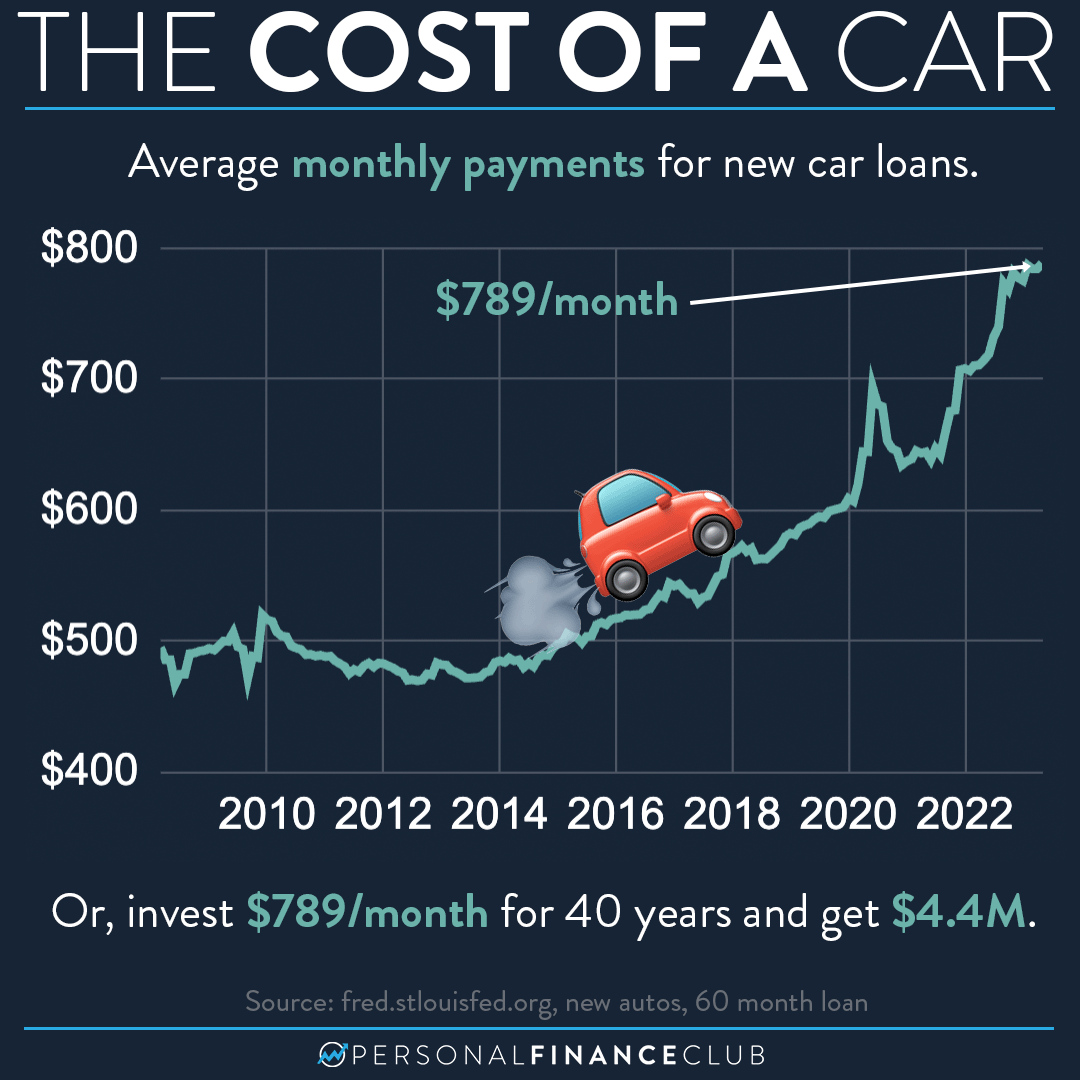
Calculating Affordability: A Practical Worksheet Approach
Create a simple worksheet:
-
Net Monthly Income: [Your total take-home pay]
-
Essential Expenses: [Rent/Mortgage, Utilities, Groceries, Existing Debts, etc.] = [Total Essential Expenses]
-
Discretionary Income: [Net Monthly Income] – [Total Essential Expenses] = [Discretionary Income]
-
Target Car Payment (Max): [Discretionary Income] – [Your desired savings, entertainment, other discretionary spending] = [Your Car Payment Max]
This exercise gives you a concrete, personalized maximum for your monthly car payment, ensuring it fits into your actual financial life.
Beyond the Monthly Payment: Understanding Total Cost of Ownership
Focusing solely on the monthly payment is a common pitfall. A truly “good” car payment factors in the total cost of ownership (TCO), which extends far beyond the principal and interest of your loan. Neglecting these additional expenses can quickly turn an seemingly affordable payment into a financial burden.
Insurance Premiums: A Non-Negotiable Expense
Car insurance is mandatory and can vary wildly based on the vehicle type, your driving record, age, location, and coverage limits. A more expensive or high-performance car will almost always come with higher insurance premiums. Get insurance quotes for specific models before you buy, and factor this significant monthly cost into your budget. For a new car, comprehensive and collision coverage is typically required by lenders.
Fuel Costs and Efficiency
The type of car you drive directly impacts your fuel expenses. A gas-guzzling SUV will cost significantly more to operate than a fuel-efficient compact car or a hybrid. Calculate your estimated monthly fuel costs based on your typical commute and the car’s average miles per gallon (MPG). Don’t forget to account for potential fluctuations in gas prices.
Maintenance and Repairs: Planning for the Unexpected
Every car requires regular maintenance (oil changes, tire rotations, brake inspections) and is susceptible to unexpected repairs. Newer cars might come with a warranty, but once that expires, you’re on the hook. Older vehicles, while potentially cheaper upfront, often incur higher maintenance costs. Research typical maintenance schedules and common repair issues for models you’re considering. Factor in an estimated monthly allocation for these inevitable expenses, perhaps by setting aside a small amount each month in a dedicated savings account.
Depreciation: The Hidden Cost of Car Ownership
Depreciation is the decline in a car’s value over time. It’s often the largest cost of car ownership, especially for new vehicles, which can lose 20-30% of their value in the first year alone. While not a direct monthly payment, depreciation affects your equity in the vehicle and its trade-in value when you decide to upgrade. Understanding depreciation helps in making informed decisions about new vs. used cars and the long-term financial implications.
Registration, Taxes, and Other Fees
Don’t forget the various governmental fees involved. This includes sales tax on the purchase price (which might be rolled into your loan or paid upfront), annual registration fees, and potential inspection fees. These vary by state and municipality but are recurring costs that need to be budgeted for.
Smart Strategies for Securing an Affordable Car Payment
Once you have a clear understanding of what you can afford, the next step is to strategically secure the best possible deal. This involves preparation, research, and savvy negotiation tactics.
Building an Excellent Credit Score
As highlighted earlier, a strong credit score is your most powerful tool for securing a low interest rate. Pay all your bills on time, keep credit utilization low, and review your credit report for errors. Even a few months of diligent credit building can significantly improve your loan terms.
Maximizing Your Down Payment
The more money you put down upfront, the less you need to borrow, which directly translates to lower monthly payments and less interest paid over the life of the loan. A larger down payment also reduces your risk of being underwater on your loan if the car depreciates faster than you pay it off. Aim for at least 20%, but more is always better if it doesn’t deplete your emergency savings.
Shopping Around for Loans (Pre-Approval)
Don’t rely solely on the dealership for financing. Get pre-approved for a car loan from multiple banks, credit unions, and online lenders before you even set foot on a car lot. This not only gives you a benchmark interest rate but also gives you leverage during negotiations, as you arrive with your own financing in hand. Compare interest rates, terms, and any associated fees.
Negotiating the Car Price, Not Just the Payment
Dealerships often try to focus on the monthly payment to distract from the total price of the car. Always negotiate the total purchase price of the vehicle first. A lower purchase price directly leads to a lower loan amount, which then translates to a lower monthly payment, regardless of the loan term or interest rate. Be firm and prepared to walk away if you don’t get a price you’re comfortable with.
Considering Used vs. New Vehicles
Opting for a reliable used car (often 2-3 years old) can provide substantial savings. These vehicles have already undergone the steepest part of their depreciation curve, offering excellent value. Many certified pre-owned (CPO) programs also offer warranties and inspections, providing peace of mind similar to a new car but at a significantly lower cost.

Understanding Loan Terms: Length vs. Interest
While longer loan terms (e.g., 60 or 72 months) offer lower monthly payments, they dramatically increase the total interest you’ll pay over the life of the loan. A 72-month loan for the same amount will cost you thousands more in interest compared to a 48-month loan. Always prioritize shorter loan terms if your budget allows, as this is a key strategy for minimizing the total cost of your car and accelerating debt freedom.
In conclusion, a “good” monthly car payment is a highly individualized figure, carefully crafted from a deep understanding of your personal financial situation, a commitment to sound budgeting principles, and a foresight into the total cost of car ownership. By diligently assessing your income and expenses, leveraging smart financing strategies, and looking beyond the initial sticker price, you can secure a car payment that serves your transportation needs without derailing your broader financial goals.
aViewFromTheCave is a participant in the Amazon Services LLC Associates Program, an affiliate advertising program designed to provide a means for sites to earn advertising fees by advertising and linking to Amazon.com. Amazon, the Amazon logo, AmazonSupply, and the AmazonSupply logo are trademarks of Amazon.com, Inc. or its affiliates. As an Amazon Associate we earn affiliate commissions from qualifying purchases.