
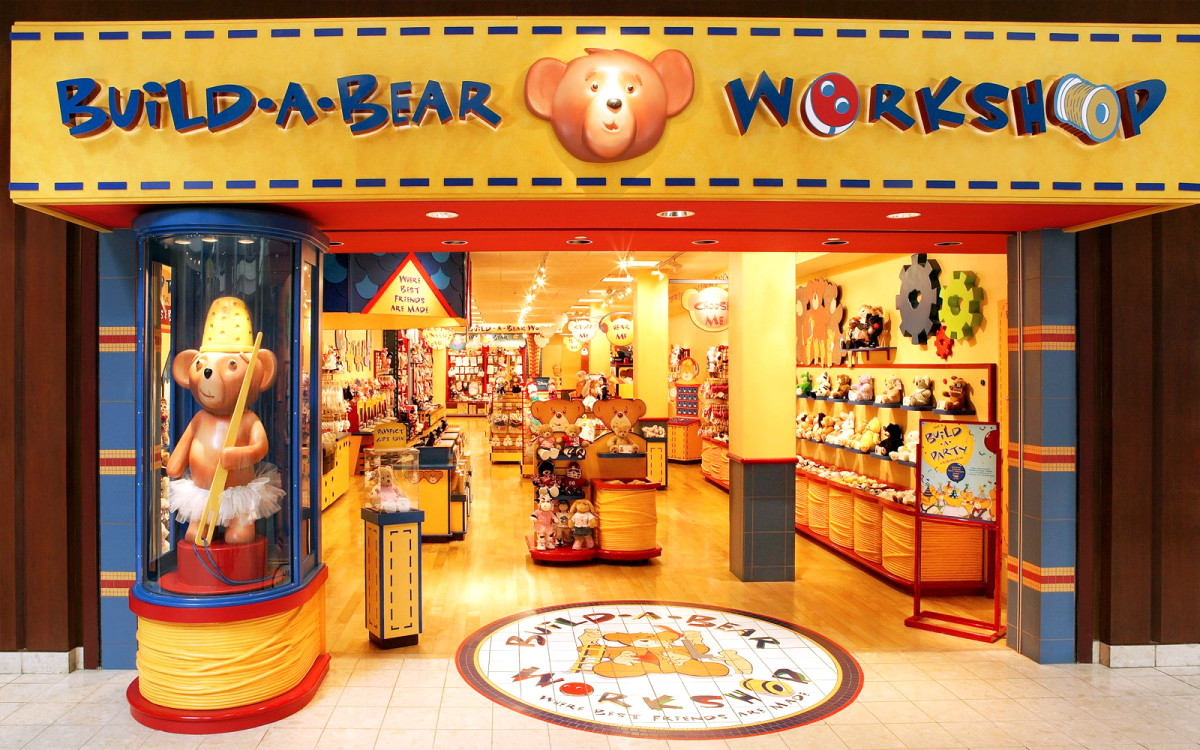
In the landscape of modern retail, few companies have managed to transform a simple commodity into a multi-sensory emotional experience as successfully as Build-A-Bear Workshop. To understand the gravity of the brand’s impact on corporate identity and consumer psychology, one must look back to its inception. Build-A-Bear Workshop was established in 1997, opening its very first doors at the Saint Louis Galleria in St. Louis, Missouri.
Founded by Maxine Clark, a seasoned retail executive who had previously served as the president of Payless ShoeSource, the brand was born from a realization that the retail industry was losing its “magic.” At a time when big-box retailers were focused on efficiency and price-slashing, Clark envisioned a destination that focused on the process rather than just the product. This shift from “buying” to “making” laid the foundation for what brand strategists now call “experiential retail.”

The Founding Philosophy: From Commodity to Experience
The year 1997 marked a significant turning point in retail history. While the internet was beginning to reshape how people shopped, Clark bet on a physical experience that could not be replicated through a screen. The establishment of Build-A-Bear was sparked by a simple shopping trip with a ten-year-old friend who questioned why they couldn’t just make a stuffed animal when they couldn’t find one they liked.
The Power of “I Made It Myself”
The core of the Build-A-Bear brand strategy is rooted in the “IKEA effect”—the psychological phenomenon where consumers place a disproportionately high value on products they partially created. By allowing children (and adults) to participate in the “birth” of their companion, the brand moved beyond selling plush toys and began selling memories and emotional attachments.
Designing the Seven-Step Journey
From its first day in October 1997, the brand’s corporate identity was built around a meticulous seven-step process: Choose Me, Hear Me, Stuff Me, Stitch Me, Fluff Me, Dress Me, and Name Me. This wasn’t just a store layout; it was a carefully choreographed brand narrative. Every step served a strategic purpose to deepen the customer’s investment in the brand. The “Heart Ceremony,” in which a customer makes a wish on a small fabric heart before it is sewn inside the bear, became the brand’s most recognizable trademark and an essential piece of its intellectual property.
Scaling the Identity: Strategic Brand Growth and Licensing
Following the success of the St. Louis launch, the brand experienced meteoric growth. By the early 2000s, Build-A-Bear had expanded across the United States and began its international journey. This rapid scaling was not accidental; it was supported by a robust brand architecture that allowed for consistency while embracing cultural nuances.
The Role of Strategic Partnerships
As the brand matured, it moved beyond its proprietary “Bearemy” and “Pawlette” characters to embrace the power of licensing. This was a pivotal brand strategy that ensured the company remained relevant across generations. By partnering with global giants like Disney, Nintendo, Marvel, and Lucasfilm, Build-A-Bear transformed itself into a lifestyle hub.
These partnerships allowed the brand to capture different market segments. When a child creates a “Baby Yoda” (Grogu) or a “Pikachu,” the emotional resonance of the established franchise merges with the experiential value of the Build-A-Bear process. This “brand-on-brand” synergy has been a cornerstone of their financial resilience and marketing dominance.
Diversifying the Product Ecosystem
The brand’s establishment didn’t stop at bears. Recognizing the need for a diversified portfolio, the company introduced “Build-A-Bear Buddies” (smaller versions), “Honey Girls” (a multimedia-linked line), and even a lifestyle collection including clothing and accessories. Each expansion was carefully curated to ensure it didn’t dilute the core value proposition: the personalization of a soft companion.

Resilience Through Rebranding: Navigating the Digital Age
The mid-2010s were a challenging era for mall-based retailers. With the rise of e-commerce, Build-A-Bear had to evolve its brand strategy to remain a destination. The company underwent a significant “Discovery” store format overhaul, which modernized the aesthetic from a bright, cluttered toy shop to a sleek, tech-integrated experience.
Digital Integration and “Bear Valley”
The brand successfully bridged the gap between physical and digital play. By establishing online platforms like “Bearville” and later “Bear Valley,” they created a community where the physical product served as an entry point into a digital world. This omni-channel approach ensured that the relationship with the brand didn’t end once the customer left the mall.
The “Kidult” Pivot: Expanding the Demographic
Perhaps the most brilliant branding move in recent years has been the overt targeting of the “kidult” market—adults who buy toys for themselves or for nostalgia. Build-A-Bear established the “Bear Cave,” an online section specifically for ages 18 and up, featuring more sophisticated or edgy collaborations (such as Swarovski editions or Deadpool plushies). This strategy effectively doubled their potential market share by acknowledging that the children who visited the store in 1997 were now adults with their own disposable income and a deep-seated nostalgia for the brand.
Lessons in Brand Longevity and Corporate Identity
The history of Build-A-Bear Workshop offers a masterclass in brand building. Since its establishment in 1997, the company has maintained a clear vision while being flexible enough to adapt to changing consumer behaviors.
Protecting the Brand Equity
Build-A-Bear has been fiercely protective of its brand equity. The company’s focus on the “Birth Certificate” and the “Find-A-Bear” ID program ensures that the product is never viewed as a generic toy. This level of detail builds trust and a sense of security, reinforcing the brand’s position as a premium provider of childhood (and adulthood) comfort.
The Importance of Human Connection
In an era increasingly dominated by AI and automation, Build-A-Bear’s insistence on the human touch remains its greatest competitive advantage. The store associates, known as “Bear Builders,” are trained not just in sales, but in performance. They facilitate the emotional connection between the customer and the product. This reinforces the idea that the brand is a service provider as much as it is a retailer.
Cultural Relevance and Social Impact
A brand’s identity is also shaped by its values. Build-A-Bear established a reputation for philanthropy early on through the Build-A-Bear Foundation. By aligning the brand with causes like literacy, health, and wellness, they created a “brand with a heart” that resonated with parents and socially conscious consumers. This purpose-driven branding has helped maintain customer loyalty through decades of economic shifts.
The Future of the Build-A-Bear Brand
As Build-A-Bear moves further into its third decade, the focus has shifted toward a “content-to-commerce” strategy. The brand is no longer just a store; it is a media entity, producing movies (like Deliver by Christmas) and music through “Build-A-Bear Radio.” This evolution shows a deep understanding of modern brand management: to survive, a brand must be an ecosystem that exists across multiple touchpoints.
The establishment of Build-A-Bear in 1997 was more than the opening of a toy store; it was the birth of a new philosophy in retail. By prioritizing the “heart” of the transaction and focusing on the enduring power of a personalized experience, Build-A-Bear has cemented its place as a legendary brand. Whether it is through a first-ever visit for a toddler or a nostalgic purchase for a collector, the brand continues to prove that while technology and trends change, the human desire for connection and creativity is timeless. For brand strategists and entrepreneurs, the story of Build-A-Bear remains a definitive case study in how to build a brand that truly lasts.
aViewFromTheCave is a participant in the Amazon Services LLC Associates Program, an affiliate advertising program designed to provide a means for sites to earn advertising fees by advertising and linking to Amazon.com. Amazon, the Amazon logo, AmazonSupply, and the AmazonSupply logo are trademarks of Amazon.com, Inc. or its affiliates. As an Amazon Associate we earn affiliate commissions from qualifying purchases.