
In the modern landscape of consumer spending, the distinction between a product and an experience has blurred. Nowhere is this more evident than at Build-A-Bear Workshop, a retail powerhouse that has redefined the “stuffed animal” market. For parents, gift-givers, and collectors, the question “How expensive is Build-A-Bear?” is rarely answered by a single price tag. Instead, the cost is a variable equation involving base units, psychological upsells, and the premium placed on the “experience economy.”
From a personal finance perspective, a trip to Build-A-Bear is less of a simple retail transaction and more of a managed expenditure. Understanding the financial breakdown of this experience requires looking beyond the fluff and into the strategic pricing models that drive the brand’s revenue.
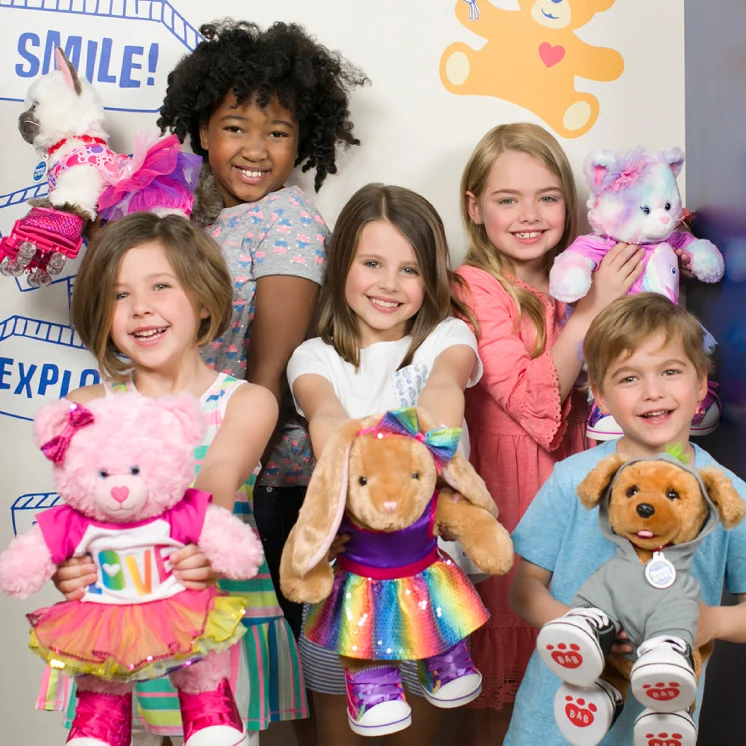
The Financial Anatomy of a Bear: Breaking Down the Base Costs
The entry point for a Build-A-Bear experience is deceptively accessible. The “skin” or the unstuffed plush is the primary unit of sale, and these units are tiered to appeal to various economic demographics.
The Entry-Level Tier
At the lowest end of the spectrum, you will find the “budget” options. These are typically classic bears or simple designs that retail between $14.00 and $20.00. For a consumer on a strict budget, this represents the “base cost.” However, these options are often positioned strategically at the back of the store or in less prominent displays, as they yield the lowest margins for the company.
The Licensed and Specialty Tier
The pricing escalates significantly when intellectual property is involved. Build-A-Bear’s partnerships with brands like Disney, Marvel, Star Wars, and Pokémon move the base price into the $30.00 to $45.00 range. For these items, the consumer is not just paying for the materials; they are paying a premium for the licensing rights. From a value-assessment standpoint, these items often hold their resale value better than generic bears, but they require a higher initial capital outlay.
The “Stuffed” Reality
It is important to note that the base price includes the stuffing and the “heart ceremony,” which is the core of the brand’s experiential value. In financial terms, this is where the brand builds its “moat”—you aren’t just buying polyester and faux fur; you are purchasing a memory. However, the base price is rarely where the transaction ends.
The Upsell Economy: Where the Real Costs Accumulate
The Build-A-Bear business model is a masterclass in incremental spending. In the world of business finance, this is known as “increasing the average transaction value” (ATV). For the consumer, it is often described as “death by a thousand cuts.” Once the base bear is selected, the customer is funneled through a series of stations designed to add value—and cost—at every turn.
Sounds and Scents
The first point of incremental cost occurs at the stuffing station. Adding a sound chip—whether it’s a pre-recorded giggle or a custom “Record-Your-Voice” module—typically adds between $4.00 and $8.00 to the total. Scents, small discs placed inside the bear to make it smell like strawberries or birthday cake, add another $3.50 to $5.00. While these seem like nominal fees, they can increase the base price of a $20.00 bear by 40% to 60% before the bear is even sewn shut.
The Wardrobe Investment
The most significant expenditure usually happens in the clothing and accessories section. A standard outfit (shirt and pants or a dress) typically ranges from $12.00 to $18.00. Accessories such as shoes, glasses, hats, and handheld props (like tiny cell phones or lightsabers) range from $5.00 to $15.00.
To put this in perspective, outfitting a bear in a full licensed costume with shoes can easily cost more than the bear itself. For a $30.00 Jedi bear, adding a $15.00 robe and a $10.00 lightsaber brings the total to $55.00—a nearly 85% increase over the base price.
Carrying the Product Home
Even the method of transporting the bear has a price tag. While a cardboard “house” box is generally included, the brand offers drawstring backpacks and luxury carriers that range from $5.00 to $10.00. This is the final stage of the upsell, ensuring that the consumer’s total expenditure is maximized right at the point of exit.

Strategic Budgeting: Navigating the “Experience Premium”
For families and individuals looking to enjoy the experience without blowing their monthly entertainment budget, strategic planning is essential. Because Build-A-Bear is designed to trigger emotional spending, having a financial roadmap before entering the store is the best way to control costs.
The “Pay Your Age” Strategy
One of the most famous marketing and pricing promotions in recent retail history is the Build-A-Bear “Pay Your Age” event. While these specific one-day events are rare due to the logistical chaos they once caused, the brand has transitioned this into a “Birthday Treat Bear” program. Members of their loyalty club can bring a child in during their birth month to get a specific birthday bear for the price of the child’s age. This reduces the base cost to a fraction of the retail price, leaving more room in the budget for accessories—or simply resulting in a high-value, low-cost outing.
Utilizing Secondary Markets and Gift Cards
A savvy financial move for Build-A-Bear enthusiasts is the use of discounted gift cards. Retailers like Costco or Sam’s Club frequently sell $100.00 worth of Build-A-Bear gift cards for $70.00 or $80.00. Utilizing this 20-30% discount immediately increases your purchasing power within the store. Additionally, checking secondary markets like eBay or Poshmark for “unstuffed skins” can allow a consumer to buy a premium or retired bear at a discount and then take it to a store to be stuffed for free.
Setting “Hard Caps” on Spending
From a behavioral finance perspective, the “open-ended” nature of the Build-A-Bear workshop is a trap for the undisciplined spender. Parents are encouraged to set a “hard cap” before walking through the doors. For example, a $40.00 limit means the child can choose a licensed bear with no accessories, or a budget bear with a full outfit. This teaches children about trade-offs and opportunity costs—a valuable lesson in financial literacy.
Comparative Value: Is Build-A-Bear a Sound Investment?
When analyzing the “expensiveness” of Build-A-Bear, it is helpful to compare it to other forms of entertainment and toy purchases.
Material vs. Experiential Value
If you compare a Build-A-Bear to a plush toy purchased at a big-box retailer like Target or Amazon, the Build-A-Bear is objectively “expensive.” A standard 12-inch plush at a discount retailer might cost $10.00 to $15.00. At Build-A-Bear, a similar product—once outfitted—will likely cost $45.00 to $60.00.
However, the value proposition is different. The “Build-A-Bear premium” accounts for the 20 to 30 minutes of interactive entertainment provided during the stuffing process. When viewed as a combined “movie ticket + toy” expense, the price becomes more justifiable. The labor involved in the heart ceremony and the personalization of the birth certificate adds intangible value that a pre-stuffed toy lacks.
Durability and Longevity
From a long-term financial view, Build-A-Bear products are generally well-constructed. The company offers “surgical” services where they will restuff or repair a bear that has been damaged. This longevity can make the initial $50.00 investment more palatable than a $15.00 toy that falls apart within months. Furthermore, certain limited-edition bears have become collectible assets. While most plush toys depreciate to zero, rare Build-A-Bear collaborations can sometimes be resold on the secondary market for more than their original purchase price, though this should not be viewed as a primary investment strategy.
The Business Logic: Why It Costs What It Costs
To understand the price, one must understand the corporate overhead. Build-A-Bear stores are almost exclusively located in high-traffic, “Class A” shopping malls. These locations carry some of the highest price-per-square-foot real estate costs in the world.
High Labor Costs
Unlike a standard toy store where products sit on shelves, Build-A-Bear requires a high “associate-to-customer” ratio. Each child needs an employee to facilitate the stuffing, the heart ceremony, and the computer-aided birth certificate process. This labor-intensive model is built into the price of every bear.

Diversification of Revenue
The brand has also expanded into “The Bear Cave,” an online portal targeting adult collectors. By creating high-end, adult-oriented products (such as “After Dark” bears or complex cinematic collaborations), the brand can command even higher price points—often exceeding $100.00 for a single set. This diversification allows them to maintain a variety of price points for different economic segments.
In conclusion, “how expensive” Build-A-Bear is depends entirely on the consumer’s ability to navigate the upsell funnel. While the base cost of entry is modest, the average fully-realized experience typically lands between $45.00 and $75.00 per bear. By understanding the financial structure of the store, utilizing loyalty programs, and setting firm spending limits, consumers can enjoy the “experience economy” without compromising their personal financial health. Build-A-Bear remains a premium retail experience, but with strategic planning, it is one that can fit into a well-managed family budget.
aViewFromTheCave is a participant in the Amazon Services LLC Associates Program, an affiliate advertising program designed to provide a means for sites to earn advertising fees by advertising and linking to Amazon.com. Amazon, the Amazon logo, AmazonSupply, and the AmazonSupply logo are trademarks of Amazon.com, Inc. or its affiliates. As an Amazon Associate we earn affiliate commissions from qualifying purchases.