
The sudden disappearance of ESPN and other Disney-owned channels from DirecTV is not a technical glitch or a minor service disruption. It is a high-stakes financial standoff between two titans of the media industry. For the millions of subscribers wondering how long the blackout will last, the answer lies not in a calendar, but in the complex economics of carriage fees, shifting consumer behavior, and the existential crisis currently facing traditional linear television. To understand the duration of this dispute, one must look at the financial leverage each side holds and the massive sums of capital at stake.
The Financial Mechanics of Media Blackouts
At the heart of the dispute between Disney and DirecTV is a concept known as “retransmission consent” and “carriage fees.” These are the payments that a distributor—like DirecTV—must pay to a content creator—like Disney—to carry their channels. While these negotiations happen behind closed doors every few years, they have become increasingly volatile as the profit margins for traditional cable and satellite providers shrink.
Retransmission Consent and the Value of Live Sports
ESPN is unique in the world of media finance because it commands the highest carriage fee of any basic cable channel. While most channels cost a distributor a few cents per subscriber, ESPN’s monthly fee per household is estimated to be well over $9.00. When you multiply that by DirecTV’s roughly 11 million subscribers, the financial implications are staggering. Disney relies on these fees to service the massive debt incurred by purchasing sports rights, while DirecTV views these rising costs as a primary driver of “cord-cutting.”
The dispute centers on “bundling.” Historically, Disney has required distributors to carry a large suite of channels—including Freeform, Disney Junior, and National Geographic—as a condition for carrying ESPN. DirecTV is now fighting for the financial right to offer “skinny bundles,” which would allow consumers to choose sports-centric or entertainment-centric packages without paying for channels they don’t watch. Disney, however, views this as a threat to the total revenue generated by its linear portfolio.
The Escalating Cost of Live Sports Rights
The financial pressure on Disney is immense. The company recently committed to billions of dollars in new rights deals with the NFL and the NBA. To justify these outlays, Disney must maximize its revenue from every possible stream. For Disney, a “bad deal” with DirecTV could set a precedent that devalues its content across all other distributors, including Comcast, Charter, and Cox.
From a business finance perspective, this is a battle over who absorbs the cost of inflation in the sports market. If DirecTV agrees to Disney’s terms, they must either raise prices for their customers—risking further subscriber loss—or accept lower profit margins. If Disney compromises, they risk a shortfall in the cash flow needed to fund their transition to a digital-first future.
Analyzing the Stakeholders: Disney vs. DirecTV
To predict the timeline of this blackout, we must examine the balance sheets and strategic goals of both organizations. Both companies are navigating a “post-cable” world, but their financial incentives are diverging.
Disney’s Direct-to-Consumer (DTC) Pivot
Under the leadership of Bob Iger, Disney is in the midst of a massive pivot toward streaming. The company is preparing to launch a fully integrated “flagship” ESPN streaming service in 2025. This creates a fascinating financial conflict of interest. On one hand, Disney needs the immediate cash flow provided by DirecTV’s carriage fees. On the other hand, every frustrated DirecTV customer who cancels their satellite subscription is a potential new subscriber for Disney+ or the upcoming ESPN streaming platform.
However, Disney cannot afford to lose the DirecTV revenue entirely. The “Linear Networks” segment of Disney’s earnings reports still provides a significant portion of the company’s operating income. A prolonged blackout would result in a measurable dip in quarterly earnings, potentially impacting Disney’s stock price and shareholder confidence.
DirecTV’s Struggle in the Cord-Cutting Era
DirecTV, now a private entity owned by AT&T and TPG Capital, is in a fight for survival. Unlike the early 2000s, when satellite television was a growth industry, the current market is defined by contraction. DirecTV’s primary goal is to stem the tide of subscriber churn. They argue that the current model—forcing customers to pay for a “big bundle” of 100+ channels—is financially unsustainable.
DirecTV is seeking “genre-based” flexibility. They want to sell a “Sports” package, a “Kids” package, and a “News” package. If they can secure this deal, it changes their financial outlook from a declining utility to a modern aggregator of content. For DirecTV, this isn’t just about a single contract; it is about establishing a new business model that can survive the next decade.
The Economic Impact of Timing: Why Now?
In the world of media finance, timing is everything. The decision to allow a blackout to occur is often a calculated move based on the sports calendar. The current disruption coincides with the start of the NFL season and the peak of the College Football season—the two most valuable periods for ad revenue and viewership.
Ad Revenue and the “Must-Have” Nature of Live Sports
Live sports are the last bastion of “appointment viewing” that guarantees high ratings for advertisers. During a blackout, Disney loses millions of dollars in potential ad revenue because their reach is diminished. Simultaneously, DirecTV faces the threat of a “mass exodus” of subscribers who will switch to competitors like YouTube TV, Fubo, or Hulu + Live TV just to see their favorite teams.
The financial “pain point” usually reaches its peak right before a major event, such as the first Monday Night Football game or a high-profile rivalry game. Historically, these disputes are resolved when the projected loss of subscriber revenue for the distributor exceeds the cost of the proposed fee increase, or when the content provider realizes the loss in ad revenue is becoming irreparable.
Subscriber Churn and Financial Risk
For DirecTV, the risk is permanent. A customer who cancels their satellite service to move to a streaming provider rarely returns. This “churn” represents a permanent loss of the Lifetime Value (LTV) of that customer. Financial analysts estimate that losing a single subscriber can cost a company like DirecTV upwards of $1,000 in long-term revenue. Multiply that by 100,000 or 500,000 angry sports fans, and the financial incentive to settle becomes clear.
Historical Precedents and Future Projections
How long will it take? If history is any guide, these disputes usually last between one and two weeks. However, the current media landscape is more fractured than ever before, which could lead to a longer stalemate.
Past Disruption Timelines
In 2023, a similar dispute occurred between Disney and Charter Communications (Spectrum). That blackout lasted nearly 12 days and was resolved just hours before the first Monday Night Football game of the season. The resulting deal was a watershed moment in media finance: Charter agreed to pay higher rates but gained the right to include Disney’s streaming services (Disney+ and ESPN+) in certain customer packages for free.
This “hybrid” model is likely the template for the DirecTV resolution. DirecTV is likely pushing for even more concessions, including the right to unbundle channels entirely. If Disney remains firm on its bundling requirements, this blackout could extend significantly longer than the Charter dispute, potentially lasting through the first several weeks of the football season.
The Shift Toward Bundled Streaming Packages
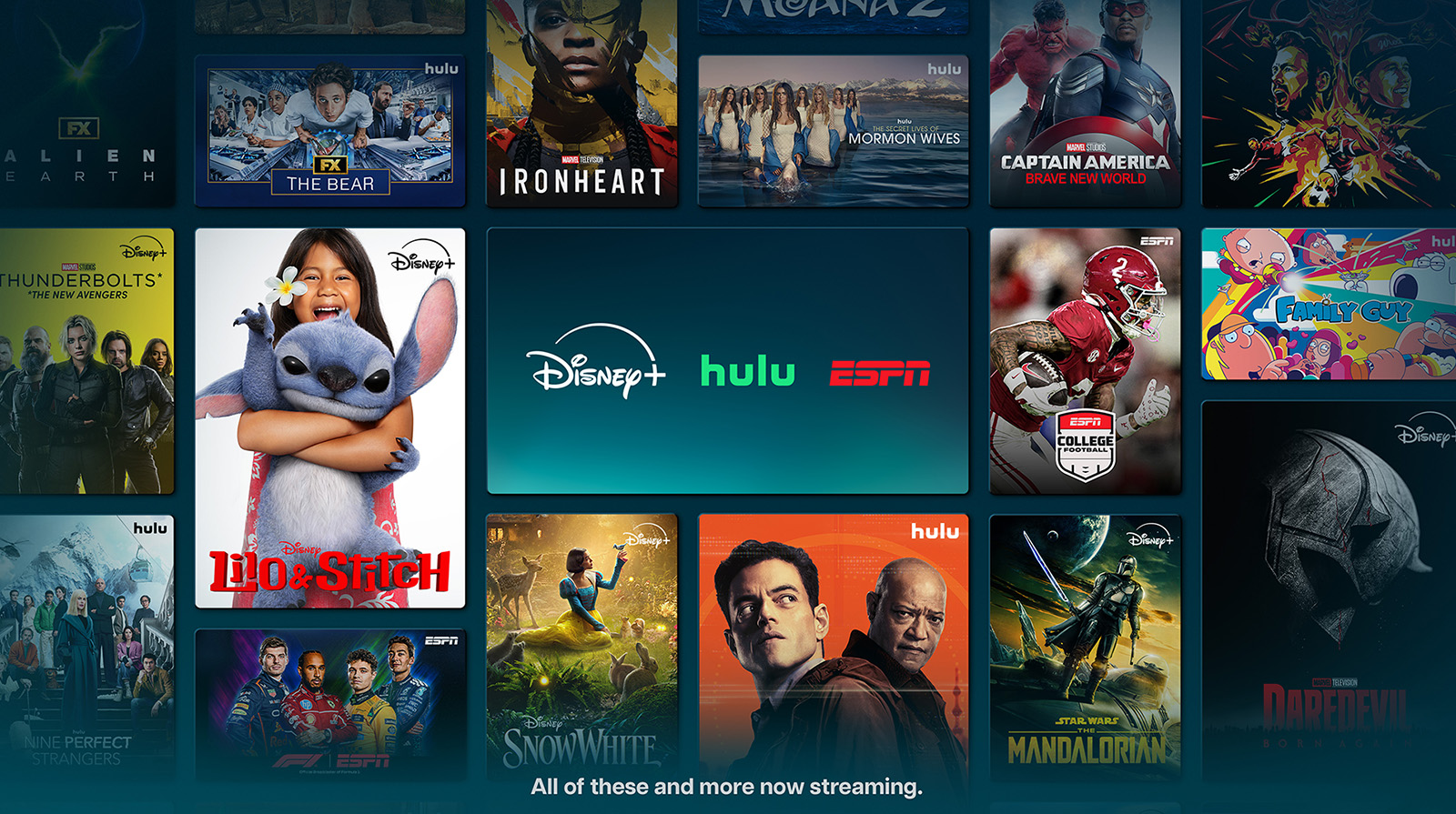
We are entering an era of “wholesale streaming.” The eventual resolution will likely involve a financial arrangement where DirecTV pays for the right to offer Disney’s streaming apps as part of its satellite subscription. This allows Disney to pad its streaming subscriber numbers—a metric highly valued by Wall Street—while allowing DirecTV to provide “added value” to its customers to justify their high monthly bills.
The Long-Term Financial Outlook for Cable and Satellite
Regardless of when ESPN returns to DirecTV, the financial relationship between content creators and distributors has been fundamentally broken. The “Golden Age” of the cable bundle, which fueled the massive growth of sports leagues and media conglomerates for thirty years, is coming to an end.
The Death of the Traditional Bundle
The financial reality is that the “hidden subsidy” of the cable bundle—where non-sports fans paid for ESPN and sports fans paid for the Cooking Channel—is evaporating. As consumers move to a-la-carte streaming, the total pool of money available to the media ecosystem is shrinking. This leads to more aggressive negotiations, as every dollar becomes a matter of corporate survival.
New Revenue Streams: Venu Sports and Beyond
The backdrop of this dispute includes the planned launch of Venu Sports, a joint venture between Disney, Fox, and Warner Bros. Discovery. DirecTV has publicly criticized this venture as anticompetitive, arguing that the programmers are keeping the “best” pricing for their own service while overcharging distributors. This adds a layer of legal and regulatory complexity to the financial negotiations.
In conclusion, the duration of the ESPN blackout on DirecTV is a function of “financial pain tolerance.” The blackout will end when the cost of the disruption—measured in lost ad revenue, subscriber churn, and brand damage—surpasses the perceived value of the contractual points being debated. For the investor and the consumer alike, this is a clear signal that the economics of television are being rewritten in real-time, with billions of dollars hanging in the balance. Expect a resolution when the financial pressure of the NFL season becomes too great for either side to ignore, likely resulting in a deal that looks less like a traditional cable contract and more like a modern digital partnership.
aViewFromTheCave is a participant in the Amazon Services LLC Associates Program, an affiliate advertising program designed to provide a means for sites to earn advertising fees by advertising and linking to Amazon.com. Amazon, the Amazon logo, AmazonSupply, and the AmazonSupply logo are trademarks of Amazon.com, Inc. or its affiliates. As an Amazon Associate we earn affiliate commissions from qualifying purchases.