
The landscape of home entertainment has undergone a seismic shift over the last decade. As traditional cable subscriptions continue to decline, a new era of digital broadcasting and streaming has emerged, offering consumers more choices than ever before. While “cord-cutting” was once synonymous with managing multiple paid subscriptions like Netflix or Hulu, the current trend is shifting toward high-quality, free content. Understanding how to watch free TV today requires a grasp of several converging technologies: digital terrestrial broadcasting, Ad-supported Video on Demand (AVOD), and Free Ad-Supported Streaming TV (FAST) channels.
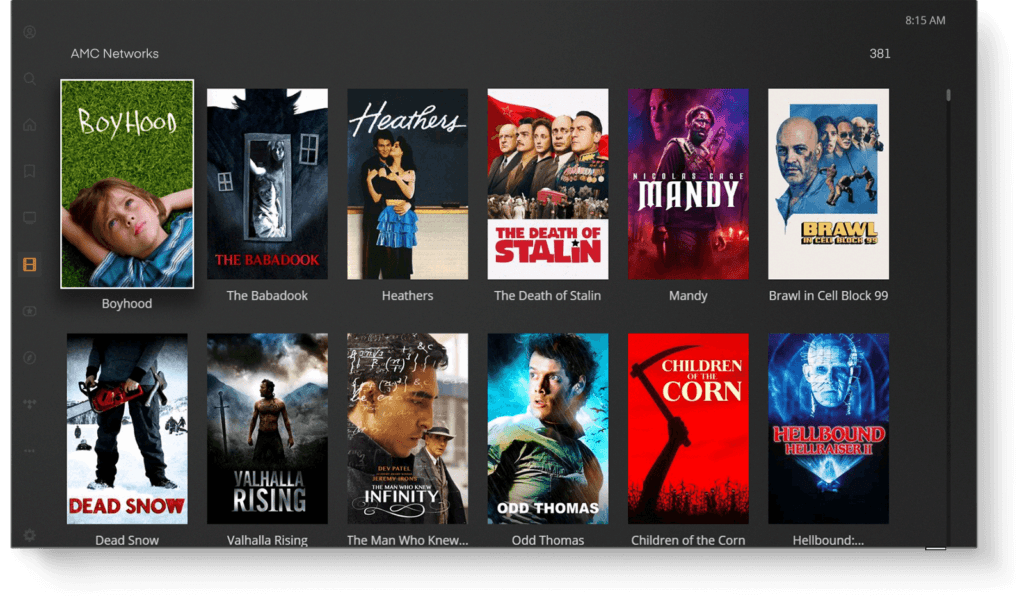
This guide explores the technological infrastructure, software ecosystems, and hardware requirements necessary to build a robust, no-cost entertainment hub in the modern digital age.
The Renaissance of Over-the-Air (OTA) Broadcasting Technology
For many, the concept of a TV antenna feels like a relic of the analog past. However, digital antenna technology has evolved significantly, providing access to high-definition (HD) and even 4K broadcasts of major local networks—including ABC, CBS, NBC, Fox, and PBS—entirely for free.
The Shift to ATSC 3.0 (NextGen TV)
The most significant technological advancement in terrestrial broadcasting is the rollout of ATSC 3.0, commercially known as NextGen TV. Unlike the previous standard, ATSC 3.0 is built on an IP-based backbone, merging the capabilities of broadcast airwaves with the data-rich environment of the internet.
NextGen TV offers several technical advantages:
-
Enhanced Resolution: It supports 4K UHD resolution and High Dynamic Range (HDR), providing a visual experience that often surpasses compressed cable signals.
-
Immersive Audio: Using Dolby AC-4, it allows for better dialogue enhancement and consistent volume across channels.
-
Deep Signal Penetration: The OFDM (Orthogonal Frequency Division Multiplexing) modulation used in ATSC 3.0 is much better at penetrating walls and overcoming interference than the older 8-VSB standard.
Selecting the Right Antenna Hardware
To tap into these broadcasts, the hardware choice is critical. Digital antennas come in two primary forms: indoor and outdoor. Indoor antennas are typically flat, multi-directional patches designed for urban environments where broadcast towers are within a 25-mile radius. Outdoor or attic-mounted antennas are directional and amplified, capable of pulling in signals from 60 miles away or more. When selecting an antenna, tech-savvy users should consult digital signal maps to identify the exact location of local towers and choose an antenna with the appropriate gain and frequency range (VHF vs. UHF).
Navigating the Ecosystem of FAST and AVOD Platforms
While antennas handle local live broadcasts, the vast majority of free content is delivered via the internet. This is primarily divided into two categories: Free Ad-Supported Streaming TV (FAST) and Advertising-based Video on Demand (AVOD).
The Rise of FAST Channels
FAST services replicate the traditional linear television experience. Instead of scrolling through a library to find a specific movie, users browse a grid guide of scheduled programming. This technology has seen explosive growth because it eliminates “decision fatigue.”
Prominent players in this space include:
-
Pluto TV: Owned by Paramount, Pluto TV utilizes a sophisticated backend to manage hundreds of live “channels” ranging from 24/7 Star Trek loops to live news.
-
Tubi: A Fox-owned service that excels in its algorithmic curation, offering a massive library of niche cinema and mainstream hits.
-
The Roku Channel: This platform integrates both linear channels and on-demand content, serving as a primary interface for millions of Roku device users.
The Technical Backend of AVOD
AVOD platforms allow users to select specific titles at any time, supported by programmatic advertising. From a technical perspective, these services rely on advanced Content Delivery Networks (CDNs) to ensure low-latency streaming across global regions. They use “Dynamic Ad Insertion” (DAI) technology, which allows the server to swap out advertisements in real-time based on user demographics and geographic data, ensuring that the monetization model remains viable without charging the end-user a subscription fee.
Hardware Integration: Turning Your Screen into a Content Hub
Watching free TV efficiently requires a centralized interface. While a laptop or smartphone works, the most seamless experience is achieved through dedicated streaming hardware or integrated Smart TV operating systems.
Smart TV Operating Systems
Modern televisions are essentially specialized computers. The operating system (OS) determines which free apps are available and how easily you can switch between an antenna and a streaming service.
-
Google TV/Android TV: Offers the most flexibility for sideloading apps and features deep integration with the Google Assistant for voice-activated content discovery.
-
Roku OS: Known for its simplicity and the “Live TV” tile which integrates both antenna signals and FAST channels into a single unified guide.
-
Fire TV OS: Amazon’s ecosystem emphasizes its own “Free” section, aggregating content from Freevee (formerly IMDb TV) and other partners.
External Streaming Devices
If your TV’s built-in software is sluggish or lacks specific apps, external streaming sticks (like the Chromecast with Google TV or the Fire TV Stick 4K Max) offer a significant performance boost. These devices feature dedicated processors and more RAM, which helps in rendering high-bitrate video and navigating complex user interfaces without lag. For users looking for the highest fidelity, devices like the Nvidia Shield TV use AI-upscaling technology to take standard-definition free streams and sharpen them to near-4K quality in real-time.
Network Infrastructure Requirements
To sustain a high-quality free TV ecosystem, your home network must be optimized. While a standard 1080p stream requires about 5 Mbps, a 4K NextGen TV broadcast or a high-bitrate AVOD stream can demand upwards of 25 Mbps.
-
Wi-Fi 6 (802.11ax): If you are streaming in a crowded residential area, upgrading to a Wi-Fi 6 router reduces congestion and provides a more stable connection for multiple streaming devices.
-
Ethernet Backhaul: For the most reliable experience, especially when using an OTA DVR (Digital Video Recorder) like HDHomerun, a hardwired Ethernet connection is preferred to avoid the packet loss inherent in wireless signals.
Digital Security and Privacy in Free Streaming
When “free” is the price tag, the user’s data and digital security become paramount. Navigating the world of free TV requires a level of digital literacy to distinguish between legitimate services and piracy-laden platforms.
Identifying Legitimate vs. Illicit Services
Legal free TV services—such as Pluto, Tubi, Crackle, and Peacock (Free tier)—are backed by major media conglomerates. They are available on official app stores (Apple App Store, Google Play, Amazon Appstore).
In contrast, “gray market” sites often require users to disable security settings or download unverified APK files. These sites are frequently vectors for malware, phishing, and intrusive tracking scripts. A professional tech setup should always prioritize official applications to protect the integrity of the home network.
Managing Data Privacy
Free services rely on data collection to serve targeted ads. Users concerned about privacy can take several technical steps:
-
Resetting Advertising IDs: Most Smart TVs and streaming sticks allow you to reset your advertising ID or opt-out of personalized tracking in the settings menu.
-
DNS Filtering: Using a privacy-focused DNS service (like NextDNS or Cloudflare 1.1.1.1) can help block trackers at the network level before they even reach your device.
-
Guest Networks: For the security-conscious, placing IoT devices and streaming sticks on a separate “Guest” Wi-Fi network prevents them from communicating with sensitive devices like home computers or NAS drives.
The Future of Free TV: AI and Personalization
As we look toward the future, the technology powering free television is becoming increasingly sophisticated through the application of Artificial Intelligence.
AI-Driven Content Discovery
The primary challenge of free TV is the sheer volume of content. AI algorithms are now being used to create “Virtual Linear Channels.” Instead of a generic 80s movie channel, a service might use your viewing history to generate a unique, real-time linear feed curated specifically for your tastes. This hyper-personalization ensures that “free” does not mean “low quality.”
The Integration of Interactivity
With the IP-capabilities of ATSC 3.0 and modern web-based streaming, free TV is becoming interactive. We are seeing the rise of “shoppable TV,” where viewers can interact with an advertisement to receive a coupon or product info via their mobile device without leaving the program. While this is a monetization tool, the underlying tech allows for more engaging features, such as live sports betting overlays or real-time viewer polls during news broadcasts.

Conclusion: Building Your Tech Stack
Watching free TV in the modern era is no longer about settling for grainy signals or limited options. By combining a high-gain digital antenna for local broadcasts, a powerful streaming device for AVOD/FAST services, and a secure home network, you can build a comprehensive entertainment system that rivals any paid cable package. The key lies in understanding the hardware, choosing the right software ecosystems, and maintaining a focus on digital security. As technology continues to evolve, the “free” tier of television is rapidly becoming the most innovative sector of the media industry.
aViewFromTheCave is a participant in the Amazon Services LLC Associates Program, an affiliate advertising program designed to provide a means for sites to earn advertising fees by advertising and linking to Amazon.com. Amazon, the Amazon logo, AmazonSupply, and the AmazonSupply logo are trademarks of Amazon.com, Inc. or its affiliates. As an Amazon Associate we earn affiliate commissions from qualifying purchases.