
The digital asset landscape is often characterized by extreme volatility and speculative fervor, yet few assets have garnered as much polarized attention as XRP. Originally developed to facilitate seamless, low-cost cross-border payments, XRP has become a focal point for institutional investors and retail traders alike. As the native token of the XRP Ledger (XRPL), its price trajectory is not merely a matter of market sentiment but is deeply intertwined with regulatory developments, technological utility, and global financial integration. Determining what XRP is expected to reach requires a multi-faceted approach that balances technical analysis with fundamental market shifts.
The Foundation of XRP: Utility and Network Adoption
To understand the price potential of XRP, one must first look at the underlying utility that differentiates it from speculative “meme” coins. Unlike Bitcoin, which serves primarily as a store of value, or Ethereum, which acts as a platform for decentralized applications, XRP was designed for a specific financial niche: bridge liquidity.
The Role of Ripple and On-Demand Liquidity (ODL)
While XRP is independent of Ripple, the company, Ripple’s success in onboarding financial institutions directly impacts the demand for the token. The On-Demand Liquidity (ODL) service uses XRP as a bridge between two fiat currencies. This eliminates the need for pre-funded nostro/vostro accounts, which currently lock up trillions of dollars in global banking.
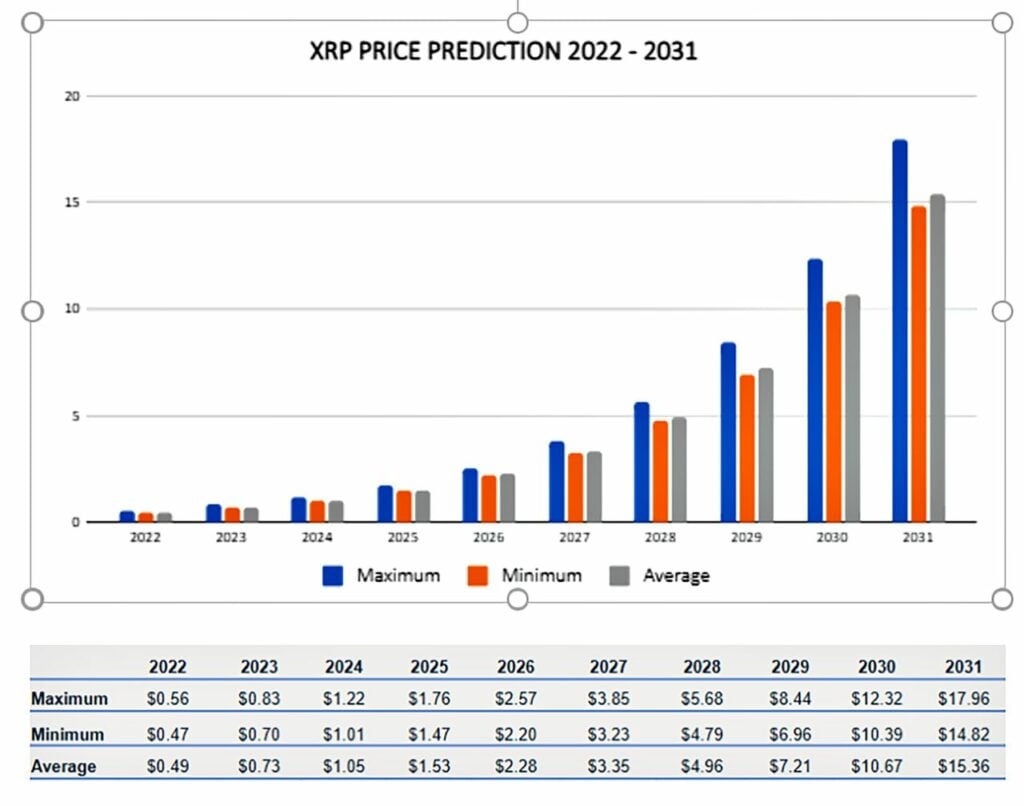
If Ripple continues to expand its partnership network—which already includes major players like SBI Holdings and various central banks—the transactional demand for XRP could provide a fundamental floor for its price. Analysts often argue that as the volume of cross-border settlements moves onto the XRPL, the “velocity” of the token will increase, potentially driving prices toward the $2.00 to $5.00 range in a moderate adoption scenario.
Scarcity and Burn Rate
The XRP Ledger features a deflationary mechanism where a small fraction of XRP is “burned” with every transaction to prevent spam. While this burn rate is currently negligible relative to the total supply, a massive surge in institutional transaction volume could theoretically reduce the circulating supply over decades. More importantly, the escrow system managed by Ripple—which releases one billion tokens monthly—provides a predictable supply schedule that allows the market to price in inflation more accurately than many other crypto assets.
The Legal Influence: Navigating the SEC vs. Ripple Aftermath
For years, the primary anchor on XRP’s price was the legal battle between Ripple Labs and the U.S. Securities and Exchange Commission (SEC). The lawsuit, which alleged that XRP was an unregistered security, created an environment of “regulatory FUD” (Fear, Uncertainty, and Doubt) that caused many U.S.-based exchanges to delist the token.
The 2023 Summary Judgment and Legal Clarity
The landmark ruling in July 2023, which stated that XRP in itself is not necessarily a security and that programmatic sales on public exchanges do not constitute investment contracts, provided the “legal clarity” the market had been craving. This event saw an immediate price spike, though it was later tempered by broader market downturns.
Looking forward, the resolution of remaining legal appeals is expected to be a major catalyst. If the legal clouds dissipate entirely, XRP is expected to reach new heights as institutional capital from the United States, previously sidelined by compliance concerns, enters the ecosystem. Many financial analysts suggest that without legal suppression, XRP’s fair market value during a bull cycle could easily challenge its previous all-time high of $3.84.
Institutional Re-Listing and Liquidity
The re-listing of XRP on major exchanges like Coinbase and Kraken has restored liquidity to the asset. Increased liquidity typically leads to lower volatility but higher sustainable price growth. As XRP becomes more accessible to institutional “dark pools” and regulated ETFs (Exchange Traded Funds), the price expectations shift from “if” it will rise to “how high” the ceiling actually is.
Technical Analysis and Future Price Targets
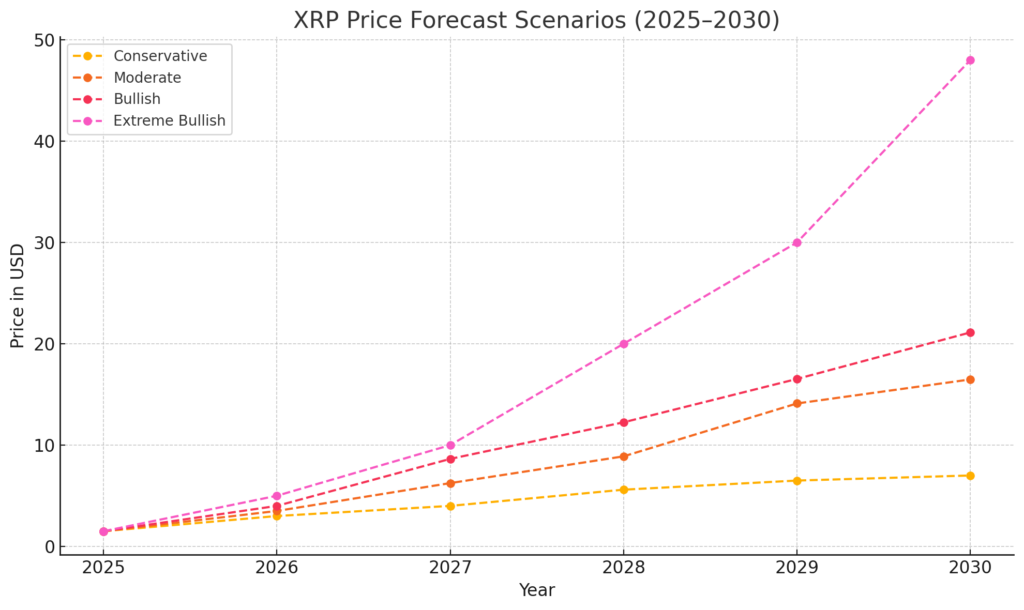
When discussing what XRP is expected to reach, technical analysts often look at historical cycles and Fibonacci extension levels. XRP has a history of “lagging” behind the broader market only to experience explosive, vertical growth in a very short window.
Short-Term Targets: The $1.00 Psychological Barrier
In the immediate term, the $1.00 mark remains the most significant psychological and technical resistance level. Breaking and sustaining a price above $1.00 would likely signal the start of a “parabolic” phase. Analysts tracking the 21-week Exponential Moving Average (EMA) and the Relative Strength Index (RSI) suggest that if XRP can flip the $0.75 resistance into support, a move toward $1.20 to $1.50 becomes the baseline expectation for the next fiscal quarter.
Long-Term Projections: The $10.00 and $100.00 Debate
The community is divided between conservative realists and “moon” theorists.
-
The Realistic Bull Case ($5 – $10): This target assumes XRP recaptures its previous market cap dominance and benefits from a general rise in the total crypto market cap. At a $5.00 to $10.00 price point, XRP would have a market capitalization comparable to Ethereum’s current standing, which many believe is achievable if Ripple captures a significant slice of the $150 trillion cross-border payment market.
-
The Theoretical High Case ($100+): While often dismissed as “hopium,” proponents of this target point to the “Buy-Back” theory or the total replacement of the SWIFT system. For XRP to reach $100, the global financial system would essentially need to migrate a substantial portion of global liquidity onto the XRPL. While mathematically possible in terms of the ledger’s capacity, it would require a total transformation of the global monetary order.
The Role of CBDCs and Global Financial Integration
One of the most compelling arguments for a high XRP price expectation is the role of the XRP Ledger in the development of Central Bank Digital Currencies (CBDCs).
Private Ledgers and Interoperability
Ripple has launched a CBDC platform that allows central banks to mint and manage their own digital currencies. However, these individual “silos” of digital money will need a bridge to interact with one another. XRP is positioned to be that bridge. If a dozen different nations use the XRPL for their CBDC infrastructure, the demand for XRP as a neutral, third-party liquidity asset could skyrocket.
Integration with Traditional Finance
Unlike many “decentralized” projects that seek to overthrow the banking system, XRP seeks to upgrade it. Integration with the ISO 20022 standard—the international standard for electronic data interchange between financial institutions—puts XRP at the forefront of the new financial architecture. As banks move away from legacy systems, the efficiency of XRP (settlement in 3–5 seconds for fractions of a penny) makes it a leading candidate for global adoption.
Strategic Considerations for the Retail Investor
Investing in XRP is often described as a “binary” play: it either becomes a cornerstone of the global financial system or remains a niche tool for specific corridors. Therefore, price expectations should be tempered with an understanding of risk management and market cycles.
Volatility and Market Sentiment
Investors should be prepared for significant drawdowns. XRP is known for long periods of “sideways” movement, followed by rapid appreciation. This requires a high degree of patience and a long-term time horizon. Those looking for “get-rich-quick” returns may find XRP frustrating, but for those focused on the transformation of the financial sector, the asset offers a unique value proposition.
Diversification and Risk
While the upside potential is significant, the competitive landscape is evolving. Competitors like Stellar (XLM) and even emerging private bank-led blockchain initiatives could challenge XRP’s dominance. Consequently, while XRP is expected to reach significant milestones, prudent investors view it as one part of a diversified digital asset portfolio, focusing on the “utility” narrative rather than pure speculation.
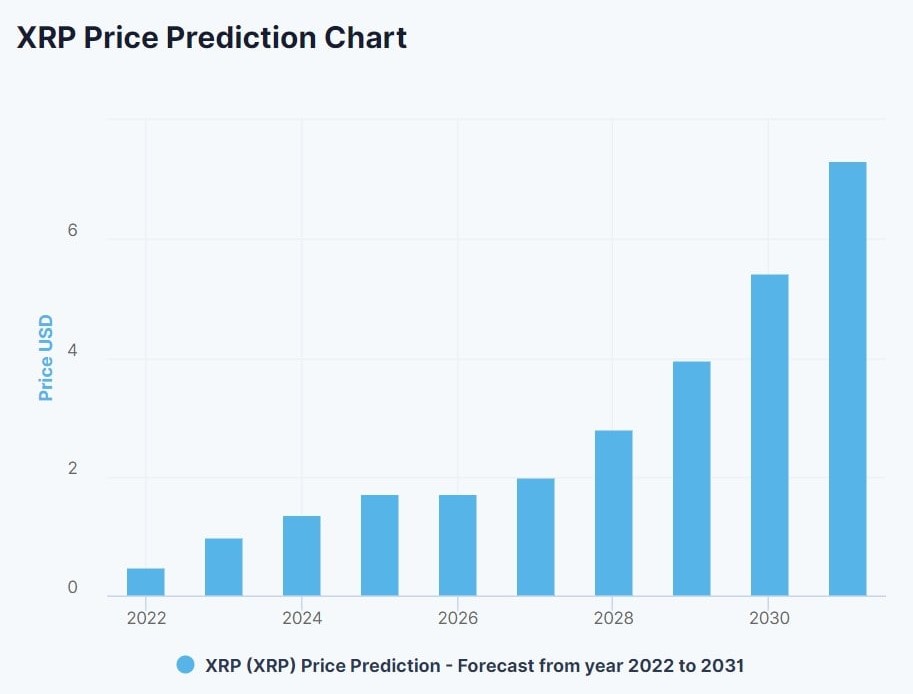
In conclusion, what XRP is expected to reach depends largely on the lens through which you view the market. From a technical standpoint, a return to the $3.00–$5.00 range is a logical target in a sustained bull market. From a fundamental and institutional standpoint, if XRP successfully integrates into the global “Internet of Value,” the sky is the limit, with double-digit prices becoming a distinct possibility over the next decade. As the world shifts toward a digitized, 24/7 financial reality, XRP stands as one of the few assets with a proven, scalable use case ready to meet that demand.
aViewFromTheCave is a participant in the Amazon Services LLC Associates Program, an affiliate advertising program designed to provide a means for sites to earn advertising fees by advertising and linking to Amazon.com. Amazon, the Amazon logo, AmazonSupply, and the AmazonSupply logo are trademarks of Amazon.com, Inc. or its affiliates. As an Amazon Associate we earn affiliate commissions from qualifying purchases.