
In the modern financial landscape, the velocity of capital is often determined by the friction—or lack thereof—within payment ecosystems. Venmo has evolved from a simple peer-to-peer (P2P) social payment app into a sophisticated financial tool that serves as a primary gateway for solopreneurs, side hustlers, and small business owners to capture value. Accepting payment on Venmo is no longer just about splitting a dinner bill; it is about managing liquidity, understanding tax implications, and optimizing the cost of digital transactions. To leverage Venmo effectively within a broader financial strategy, one must look beyond the user interface and focus on the underlying economic structures that govern how money moves through the platform.

Selecting the Optimal Account Structure for Your Financial Goals
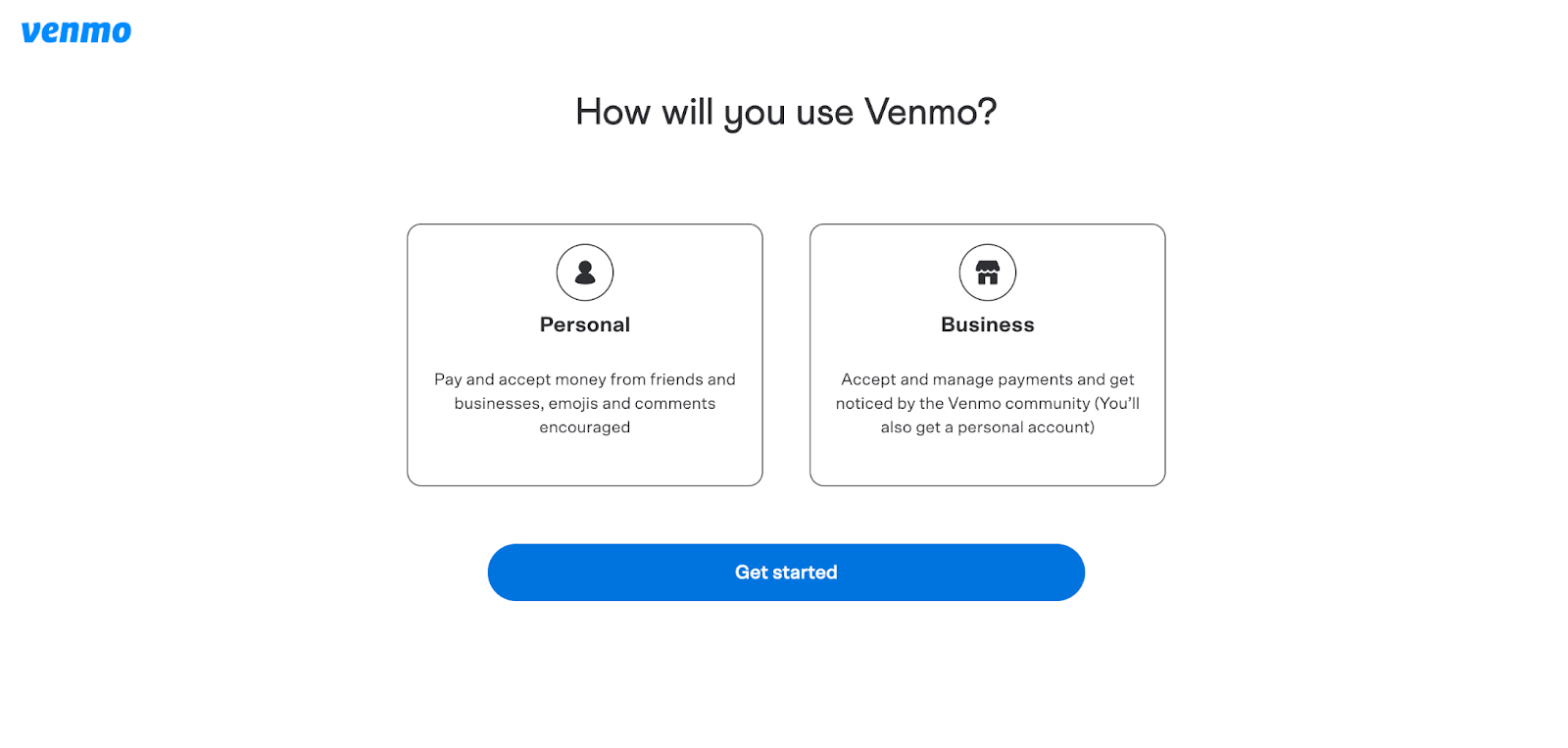
The first step in accepting payments effectively is determining which account structure aligns with your financial objectives. Venmo offers two primary paths: Personal Profiles and Business Profiles. While the technology remains similar, the financial and legal ramifications of each differ significantly.
Personal Profiles vs. Business Profiles
For individuals receiving occasional reimbursements or gifts, a personal profile is the standard. However, the moment a payment is classified as “goods and services,” the financial dynamic shifts. Venmo’s terms of service strictly prohibit using personal profiles for commercial transactions. From a financial management perspective, using a personal profile for business income creates “co-mingling” of funds, which is a major hurdle for accurate bookkeeping and tax preparation.
A Business Profile, conversely, is designed for the professional environment. It allows you to accept payments for services or products while providing a clear separation of assets. This separation is the cornerstone of professional financial hygiene. When you accept a payment through a business profile, you gain access to enhanced reporting features and the ability to appear in Venmo’s business search directory, effectively turning the payment platform into a lead-generation tool.
The Cost of Doing Business: Understanding Transaction Fees
Accepting payments on Venmo is not free for commercial users, and understanding the fee structure is vital for maintaining healthy profit margins. For business profiles, Venmo typically charges a seller fee—currently 1.9% of the transaction plus a fixed fee of $0.10.
While this may seem like a small deduction, it must be factored into your pricing strategy. If you are a freelancer or a micro-business owner, failing to account for these “merchant discounts” can erode your net income over hundreds of transactions. For example, on a $1,000 payment, you would receive $980.90. In the context of business finance, this 1.9% is a cost of goods sold (COGS) or an administrative expense that must be tracked to ensure your margins remain sustainable.
Navigating the Economics of Venmo: Fees, Transfers, and Liquidity
Once funds are accepted into your Venmo balance, they represent “idle capital.” In the world of personal finance and business management, money sitting in a digital wallet is money that isn’t working for you. To optimize your cash flow, you must understand how to move those funds into interest-bearing accounts or use them to cover operational expenses.
Instant Transfers vs. Standard Deposits
When you accept a payment, the funds remain in your Venmo balance until you initiate a transfer to your linked bank account. Venmo offers two primary methods:
-
Standard Bank Transfer: This is free but typically takes one to three business days to clear. From a financial planning perspective, this requires a “cash buffer” in your primary bank account to cover immediate expenses while waiting for Venmo funds to arrive.
-
Instant Transfer: For a fee (currently 1.75% with a minimum and maximum cap), you can move funds to an eligible debit card or bank account within minutes.
The decision to use an Instant Transfer is a liquidity management choice. If you have an urgent bill or an investment opportunity that requires immediate capital, the 1.75% fee may be a justifiable expense. However, if you rely on instant transfers for every payment you accept, you are compounding your transaction costs. A business owner paying 1.9% to accept the money and another 1.75% to move it is losing 3.65% of their gross revenue to payment processing. Over a fiscal year, this can amount to thousands of dollars in lost profit.
Managing Daily and Weekly Limits
Financial stability requires an understanding of the constraints placed on your capital. Venmo imposes limits on the amount of money you can send and transfer to your bank. For identity-verified users, these limits are generally high enough for most side hustles, but they can become a bottleneck for high-volume businesses. Monitoring these limits is essential to prevent “capital lock-up,” where your money is held in the Venmo ecosystem because you have reached your weekly transfer threshold. Effective financial management involves forecasting your income and scheduling transfers to ensure a steady stream of liquidity into your primary business or personal checking accounts.
Tax Compliance and the 1099-K: Protecting Your Financial Health
Perhaps the most critical aspect of accepting payments on Venmo is navigating the evolving landscape of tax regulation. The Internal Revenue Service (IRS) has significantly increased its focus on third-party settlement organizations (TPSOs) like Venmo to ensure that digital income is properly reported.
The IRS 1099-K Reporting Threshold
In recent years, the threshold for IRS reporting has been a subject of legislative debate, but the trend is toward greater transparency. Venmo is required to report gross payments received for goods and services that exceed the federal threshold by issuing a Form 1099-K.
It is a common misconception that if you don’t receive a 1099-K, the income isn’t taxable. In the eyes of the law, all income—regardless of the amount or the platform—must be reported on your tax return. Accepting payments via Venmo’s business profile simplifies this because the platform tracks these commercial transactions separately. If you are accepting payments as a “friend” to avoid fees, you are not only violating terms of service but also creating a disorganized audit trail that could lead to complications with tax authorities.
Record Keeping and Expense Tracking
Accepting payments is only one-half of the financial equation; the other half is tracking the expenses associated with generating that income. When you use Venmo for business, your transaction history becomes a digital ledger. Professional users should export their transaction history monthly to reconcile it with their accounting software (such as QuickBooks or Xero).
By meticulously categorizing every payment received, you can identify trends in customer behavior and seasonal fluctuations in your cash flow. Furthermore, having a clean record of payments accepted on Venmo is vital if you ever apply for a small business loan or a mortgage. Lenders look for consistent, documented income, and a well-managed Venmo Business Profile provides exactly that.
Strategic Integration: Using Venmo to Scale Your Personal or Business Income
To truly master the art of accepting payments on Venmo, one must treat the platform as a strategic component of a larger financial ecosystem. This involves using the platform’s unique features to reduce friction for customers and increase the frequency of transactions.
Reducing Friction for Higher Conversion
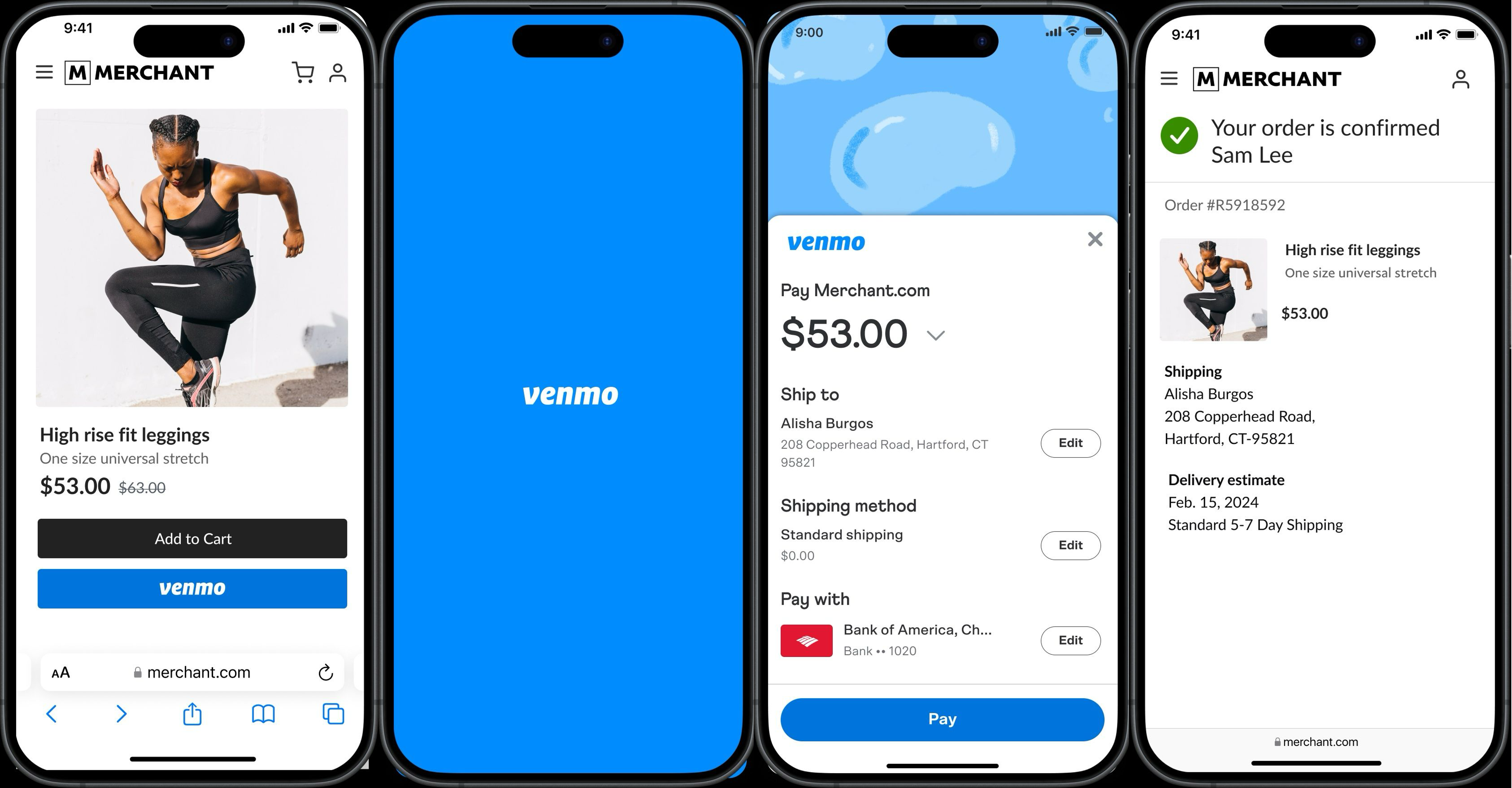
In behavioral economics, “friction” is anything that prevents a customer from completing a purchase. By offering Venmo as a payment option, you are tapping into a massive user base that values speed and social proof. For a freelancer or small vendor, the ability to present a QR code for immediate payment significantly reduces the “pain of paying.”
To maximize the financial benefit, you should integrate your Venmo QR code into your invoices, website, and physical marketing materials. The faster a customer can pay you, the faster you can reinvest that capital into your business or personal investments.
Security and Fraud Prevention for Financial Stability
Accepting digital payments carries inherent risks, including scams and unauthorized reversals. Unlike credit card processors that offer robust merchant protection, P2P apps have traditionally been more buyer-centric. However, by using a Venmo Business Profile, you gain access to “Purchase Protection” for your customers, which builds trust and encourages higher-value transactions.
From a security standpoint, protecting the capital you accept is paramount. This includes enabling multi-factor authentication (MFA) and ensuring that your Venmo balance is not left stagnant for long periods. In the event of an account compromise, a large balance is a liability. A sound financial strategy involves “sweeping” your Venmo balance into a high-yield savings account or a brokerage account on a weekly basis, ensuring your hard-earned money is protected and earning interest.
Ultimately, accepting payment on Venmo is a balance of convenience and cost. By understanding the fee structures, tax obligations, and liquidity options, you can transform a simple app into a powerful engine for financial growth. Whether you are building a personal brand or managing a corporate side-stream, the disciplined use of digital payment tools is a hallmark of modern financial literacy.
aViewFromTheCave is a participant in the Amazon Services LLC Associates Program, an affiliate advertising program designed to provide a means for sites to earn advertising fees by advertising and linking to Amazon.com. Amazon, the Amazon logo, AmazonSupply, and the AmazonSupply logo are trademarks of Amazon.com, Inc. or its affiliates. As an Amazon Associate we earn affiliate commissions from qualifying purchases.