
New Orleans is often celebrated as the “Big Easy,” a moniker that conjures images of jazz-filled streets, world-class culinary experiences, and a lifestyle that prioritizes leisure. However, for the astute investor and the forward-thinking professional, the city represents a unique financial frontier. Beyond the tourism-heavy corridors of the French Quarter lies a complex economic landscape characterized by significant tax incentives, a booming film industry, and a real estate market that offers a compelling blend of historical value and high-yield potential.
When considering where to go in New Orleans from a financial perspective, one must look past the neon lights of Bourbon Street and toward the strategic growth corridors that are redefining the city’s fiscal future. This guide explores the most lucrative sectors and neighborhoods for capital deployment, business expansion, and wealth preservation in the Crescent City.
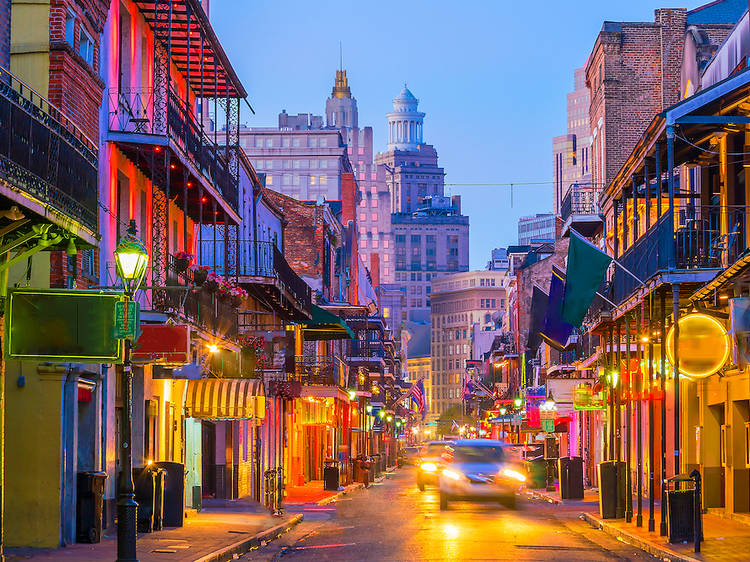
Navigating the Real Estate Market: Residential and Commercial High-Growth Zones
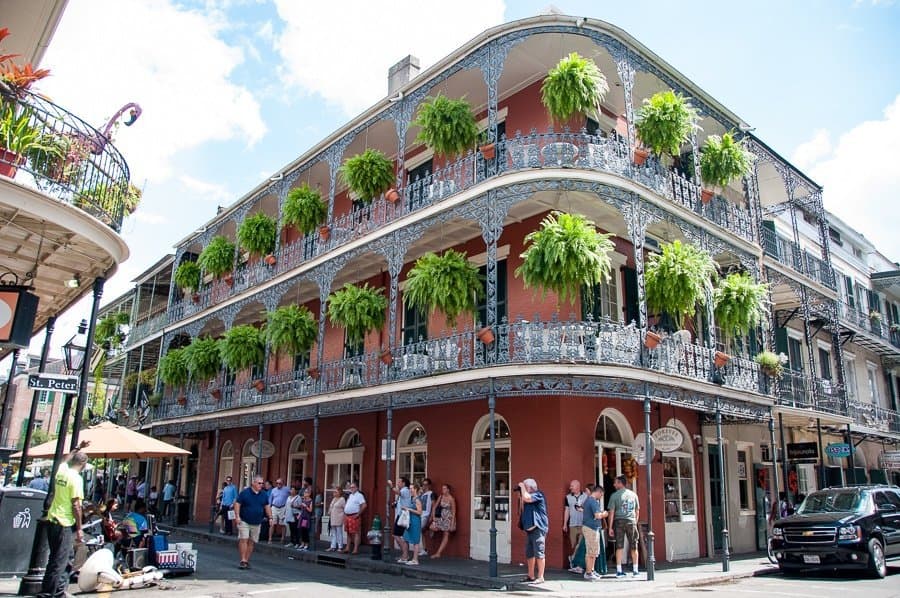
The New Orleans real estate market is one of the most distinct in the United States. Unlike the cookie-cutter developments found in many Sun Belt cities, New Orleans offers a portfolio of historic inventory that possesses intrinsic value through its architectural uniqueness and limited supply.
The Short-Term Rental Landscape and Regulatory Nuance
For many investors, the primary question of where to go in New Orleans leads directly to the Short-Term Rental (STR) market. Despite recent regulatory shifts and zoning adjustments by the City Council, New Orleans remains a high-demand destination for travelers. The key to success here is focusing on “Commercial” or “Mixed-Use” zoned properties rather than strictly residential areas. Areas like the CBD (Central Business District) and portions of the Warehouse District allow for legal, high-volume STR operations that benefit from proximity to the Mercedes-Benz Superdome and the Ernest N. Morial Convention Center.
Investors who navigate the permitting process correctly can see cap rates that significantly outperform traditional long-term rentals, provided they account for the city’s specific lodging taxes and maintenance costs associated with historic buildings.
Emerging Residential Hubs: Beyond the French Quarter
While the Garden District and Uptown remain the blue-chip investments of the city, those looking for higher appreciation potential are moving toward the Marigny and Bywater neighborhoods. These areas have seen a surge in “creative class” residents and young professionals, driving up demand for modernized historic doubles.
Furthermore, the Gentilly and Mid-City areas are currently the focus of massive green infrastructure projects. These city-led investments in water management and “blue-green” corridors are not only making these neighborhoods more resilient to environmental factors but are also stabilizing property values and attracting long-term homeowners who seek urban living without the density of the downtown core.
Tax Incentives and the Entrepreneurial Ecosystem
Louisiana offers some of the most aggressive tax incentives in the country, making New Orleans an attractive destination for tech startups, film production companies, and digital media firms. For a business owner deciding where to go to maximize their bottom line, these credits are the city’s greatest selling point.
The Digital Media and Entertainment Tax Credit
One of the most powerful tools for business finance in the region is the Digital Media and Entertainment Tax Credit. This provides a 25% tax credit on qualified payroll for in-state labor and an 18% credit for qualified production expenses. This has transformed New Orleans into a hub for software development, video game design, and cybersecurity firms. For an investor, this means a lower barrier to entry for human capital and a significant reduction in operational overhead.
Opportunity Zones and Long-Term Capital Gains
Large portions of New Orleans are designated as Federal Opportunity Zones. This program allows investors to reinvest their capital gains into “Opportunity Funds” that target distressed communities. By deploying capital into these zones—particularly in the BioDistrict and along the Claiborne corridor—investors can defer and reduce their tax liability on previous gains, while potentially paying zero capital gains tax on the appreciation of the new investment if held for at least ten years. This is a powerful tool for those looking to build generational wealth while contributing to the city’s urban renewal.
The BioDistrict and the Future of Healthcare Investment
If you are looking for the most stable long-term “where to go” in New Orleans for institutional-grade investment, the answer is the BioDistrict. Located in the heart of the city, this 1,500-acre district is anchored by the University Medical Center (UMC) and the Veterans Affairs (VA) Medical Center.
A Hub for Biotech and Life Sciences
The BioDistrict is designed to foster a collaborative environment between research institutions and private enterprise. Millions of dollars in federal and state funding have been poured into this corridor, creating a demand for specialized office space, lab facilities, and high-density residential housing for the thousands of medical professionals employed here. For real estate and business investors, the BioDistrict represents a “recession-proof” sector of the local economy. The constant influx of medical students, researchers, and healthcare providers ensures a steady demand for services and housing, making it a cornerstone for conservative financial planning within the city.
Synergy with Higher Education
New Orleans is home to several major universities, including Tulane, Loyola, and LSU Health Sciences Center. These institutions act as economic engines, producing a steady stream of talent and intellectual property. Savvy investors are increasingly looking at commercial ventures that bridge the gap between academic research and commercial application, particularly in the fields of tropical medicine, coastal restoration technology, and disaster resilience.
Strategies for Small Business and Side Hustle Integration
New Orleans is a city of entrepreneurs. The local culture rewards “hustle,” and the low cost of living relative to cities like New York or San Francisco makes it an ideal place to bootstrap a business or manage a remote-work portfolio.
Leveraging the Tourism Economy
The tourism industry brings over 19 million visitors to the city annually, spending billions of dollars. However, the most profitable way to engage with this market is not through a storefront on Bourbon Street, but through the “B2B” (business-to-business) supply chain. Providing logistics, specialized marketing, or maintenance services to the hospitality sector is a high-demand side hustle that can easily scale into a full-time enterprise.
The Low Cost of Operations Advantage
For digital nomads and online income earners, New Orleans offers a lifestyle that is difficult to match at its price point. High-speed fiber internet is increasingly available across the city, and the proliferation of co-working spaces like The Shop at the Contemporary Arts Center provides a professional infrastructure for those who do not require a traditional office.
The “money” play here is arbitrage: earning a coastal-level salary while paying New Orleans-level rent and taxes. This allows for a much higher personal savings rate and the ability to deploy capital into local assets, such as a rental property or a local small business partnership, effectively “recycling” wealth back into the local economy while benefiting from its growth.

Conclusion: The New Orleans Financial Strategy
Where you go in New Orleans depends entirely on your financial goals. If you seek high-risk, high-reward plays, the Marigny real estate market and the tech startup scene offer significant upside. If you prefer stability and long-term growth, the BioDistrict and Opportunity Zone investments provide a more structured path to wealth accumulation.
New Orleans is no longer just a destination for celebration; it is a destination for capital. By understanding the intersection of its unique culture and its aggressive financial incentives, investors can find opportunities that are as rich and varied as the city itself. Success in this market requires a move away from the traditional tourist perspective and a deep dive into the regulatory and economic mechanisms that make the Crescent City a premier location for modern investment. Regardless of the sector—be it real estate, tech, or the service economy—New Orleans offers a landscape where tradition and innovation provide a fertile ground for financial success.
aViewFromTheCave is a participant in the Amazon Services LLC Associates Program, an affiliate advertising program designed to provide a means for sites to earn advertising fees by advertising and linking to Amazon.com. Amazon, the Amazon logo, AmazonSupply, and the AmazonSupply logo are trademarks of Amazon.com, Inc. or its affiliates. As an Amazon Associate we earn affiliate commissions from qualifying purchases.