
When assessing the economic landscape of the Upper Midwest, few locales present as compelling a case study as Traverse City, Michigan. While casual observers may identify the region solely by its scenic vistas and annual festivals, savvy investors and financial analysts recognize Traverse City as a sophisticated hub of diverse revenue streams, high-yield real estate, and a burgeoning tech ecosystem. For those looking to understand the fiscal heartbeat of Northern Michigan, Traverse City is known for its remarkable ability to transform natural capital into sustainable economic growth.

From a financial perspective, the city serves as the regional capital for a multi-county area, acting as a magnet for healthcare, professional services, and retail trade. This concentration of commerce has created a resilient economy that often outpaces national averages in terms of low unemployment and steady property appreciation. To understand what Traverse City is truly known for, one must look past the surface-level tourism and examine the underlying financial structures that drive this unique market.
The Tourism Economy: Analyzing Revenue Streams and Seasonal Capital
At the core of Traverse City’s fiscal identity is its massive tourism industry, which generates over $1 billion in annual economic impact for the surrounding region. This is not merely a collection of small businesses; it is a highly coordinated economic engine powered by strategic marketing and significant infrastructure investment.
The Cherry Industry as a Commodity Powerhouse
Traverse City is famously known as the “Cherry Capital of the World.” Beyond the branding, the cherry industry represents a significant agricultural commodity market. Michigan produces roughly 70% of the United States’ supply of tart cherries, with the Traverse City region serving as the primary processing and distribution hub. For investors, this sector represents a complex interplay of international trade policy, climate-risk mitigation, and vertical integration. The business of cherries extends into food science, logistics, and global exports, making it a cornerstone of the regional GDP.
Hospitality and the Short-Term Rental Market
The hospitality sector in Traverse City has evolved into a high-performance asset class. The city’s reputation as a top-tier travel destination has led to a surge in short-term rental (STR) investments. Property owners frequently see high occupancy rates and premium pricing, particularly during the peak summer months and the shoulder seasons of autumn. However, the financial complexity of this market has increased as municipal regulations and zoning laws evolve. Professional investors now look toward “condotels” and specifically zoned districts to maximize ROI while navigating the regulatory landscape of the local housing market.
Real Estate Trends: A High-Yield Frontier for Investors
If there is one thing Traverse City is known for in the world of personal finance and wealth management, it is the extraordinary performance of its real estate market. The geographic constraints of being situated between the arms of Grand Traverse Bay have created a natural scarcity of land, driving property values upward at an aggressive pace.
Residential Development and Market Appreciation
Over the last decade, Traverse City has seen some of the most consistent residential appreciation rates in the Midwest. The market is characterized by high demand for both luxury waterfront estates and “missing middle” housing for the growing professional workforce. For the individual investor, the Traverse City market offers a lower barrier to entry than coastal hubs like Miami or San Francisco, while providing comparable levels of stability. The influx of high-net-worth individuals moving from metropolitan centers like Chicago and Detroit has sustained a seller’s market, making long-term residential holds a staple of regional wealth-building strategies.
Commercial Ventures and Urban Revitalization
The commercial real estate sector in Traverse City has undergone a significant transformation. The redevelopment of the Grand Traverse Commons—one of the largest historic preservation projects in the country—serves as a blueprint for public-private partnerships. By converting a former state hospital into a mixed-use complex of retail, office space, and residential units, the project has generated millions in tax revenue and created hundreds of jobs. This focus on adaptive reuse is a hallmark of the city’s commercial strategy, attracting institutional investors who value sustainable, long-term growth over quick-flip developments.
The “Silicon North” Evolution: Tech Investment and Remote Work Income
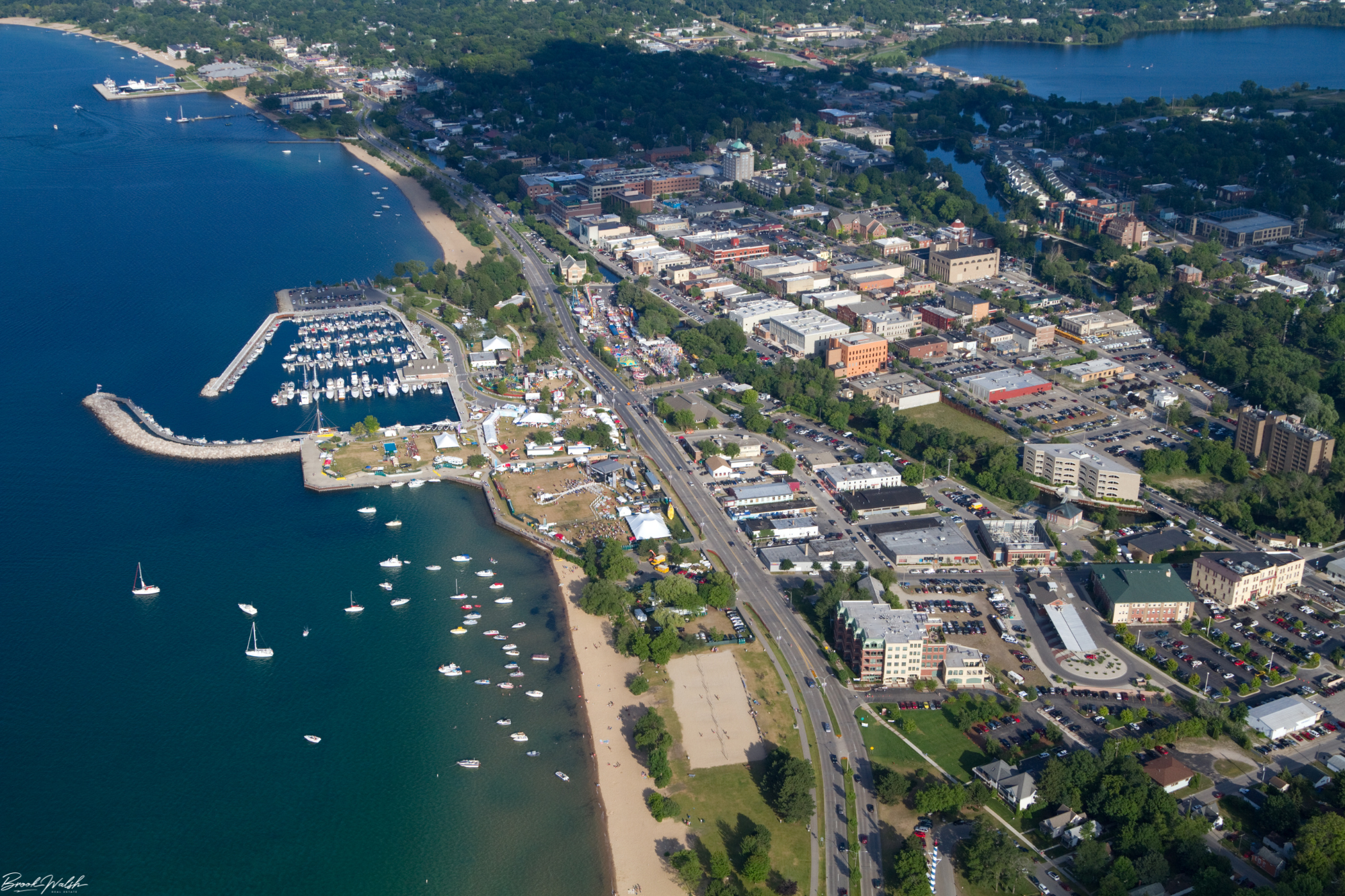
In recent years, Traverse City has begun to pivot toward a more diversified economic base, earning the nickname “Silicon North.” This shift is defined by an intentional effort to attract tech talent and venture capital to the region, reducing the historical dependence on seasonal tourism.
Venture Capital and the Startup Ecosystem
The rise of organizations like 20Fathoms, a tech incubator and startup hub, has signaled to the financial world that Traverse City is open for high-tech business. By providing the infrastructure for software development, health tech, and fintech startups, the city is fostering an environment where seed-stage investments can flourish. For the local economy, this means an infusion of high-paying jobs that are independent of the traditional tourist cycle. Investors are increasingly looking at Traverse City-based startups as viable opportunities for portfolio diversification, particularly in the niche of “rural tech” solutions.
The Rise of the Location-Independent Professional
Perhaps the most significant shift in the city’s financial profile is the explosion of the remote work economy. As high-earners in tech and finance realize they can maintain their urban-level salaries while living in a high-amenity, lower-cost environment, Traverse City has become a primary destination for the “Zoom Town” phenomenon. This influx of “portable income” circulates through the local economy, boosting the professional services sector—from wealth management firms to specialized legal practices—and providing a stabilizing force against seasonal fluctuations.
Agricultural Diversification: The Business of Wine and Agritourism
While cherries may be the historical claim to fame, the viticulture industry has become a sophisticated pillar of the regional economy. The 45th parallel, which runs through the Old Mission and Leelanau Peninsulas, creates a microclimate conducive to producing world-class cool-climate wines.
Viticulture as a Long-Term Asset Class
Establishing a vineyard in the Traverse City region is a capital-intensive endeavor with a long-term horizon for profitability. However, the ROI extends beyond the sale of the wine itself. The integration of “agritourism”—where vineyards offer tasting rooms, event spaces, and boutique lodging—has turned agricultural land into high-revenue commercial assets. The valuation of these properties is often tied more to their brand equity and tourism potential than to their raw agricultural output, making them a unique hybrid asset for the sophisticated investor.
Value-Added Agriculture and Export Markets
The economic impact of the wine industry ripples through the regional supply chain. From specialized bottling equipment to local marketing agencies, the “business of the vine” supports a wide array of secondary industries. Furthermore, the region’s growing reputation has opened doors for international exports, bringing foreign capital into the Northern Michigan economy. This diversification into value-added products (including hard ciders and craft spirits) ensures that the agricultural sector remains a robust contributor to the local GDP even when commodity prices for raw fruit fluctuate.
Strategic Financial Planning for the Traverse City Market
Navigating the Traverse City economy requires a nuanced understanding of its seasonal cash flows and unique tax environment. For business owners and investors, the city represents both a land of opportunity and a complex puzzle of fiscal management.
Tax Incentives and Regional Development Grants
Traverse City and the broader Grand Traverse County area utilize various financial instruments to encourage growth. This includes the use of Brownfield Redevelopment Authorities and Tax Increment Financing (TIF) districts to revitalize underutilized properties. For developers, understanding how to leverage these municipal incentives is often the difference between a project’s feasibility and its failure. These tools have been instrumental in building the parking infrastructure and public spaces that allow the downtown core to support its high-density commercial activity.

Managing Seasonal Cash Flow for Local Entrepreneurs
A defining characteristic of the Traverse City business environment is the “S-curve” of seasonal revenue. Successful local entrepreneurs are masters of cash flow management, often generating 80% of their annual revenue in a four-month window. This requires a disciplined approach to business finance, including robust reserve funds and lean operating models during the winter months. Many businesses have found success by diversifying their income streams—for example, a summer-focused retail shop might pivot to e-commerce or specialized winter services to maintain year-round solvency.
In conclusion, what Traverse City is known for depends largely on the lens through which you view it. To the traveler, it is a place of cherries and bays. But to the financial professional, it is a resilient, diversifying market defined by high-value real estate, a growing tech sector, and a sophisticated approach to commodity-based commerce. As the city continues to bridge the gap between a traditional agricultural hub and a modern tech destination, its reputation as a premier location for investment and growth only continues to solidify.
aViewFromTheCave is a participant in the Amazon Services LLC Associates Program, an affiliate advertising program designed to provide a means for sites to earn advertising fees by advertising and linking to Amazon.com. Amazon, the Amazon logo, AmazonSupply, and the AmazonSupply logo are trademarks of Amazon.com, Inc. or its affiliates. As an Amazon Associate we earn affiliate commissions from qualifying purchases.