
For decades, the mention of Atlanta, Georgia, evoked images of the world’s busiest airport, the sprawling headquarters of Coca-Cola, and its historical significance in the Civil Rights Movement. While these pillars remain foundational to the city’s identity, a new narrative has emerged over the last decade. Today, if you ask a venture capitalist, a software engineer, or a digital strategist what Atlanta is known for, the answer is unanimous: it is the “Silicon Peach,” the undisputed technology and innovation hub of the Southeastern United States.
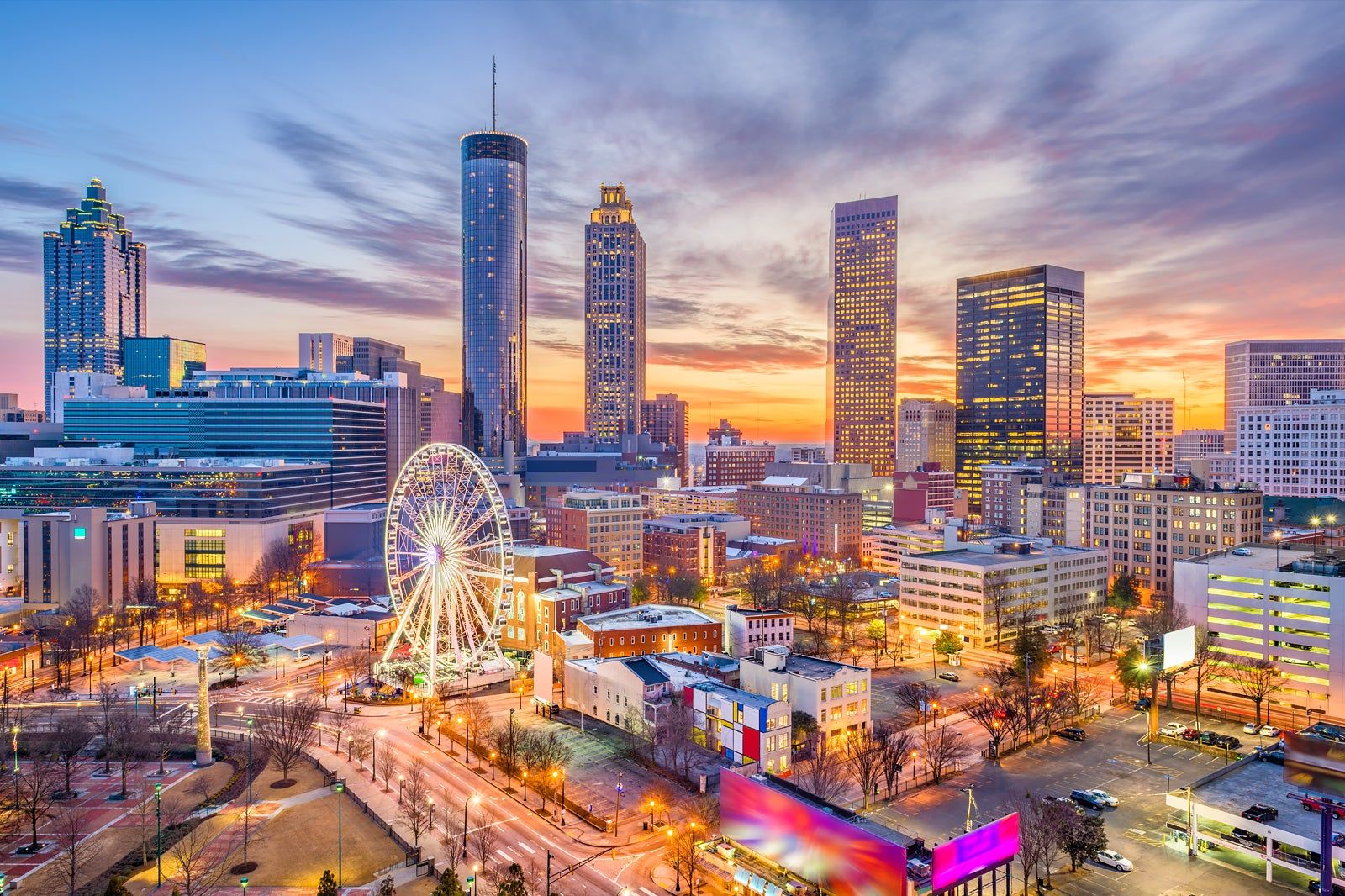
Atlanta has transitioned from a traditional corporate stronghold into a high-octane ecosystem for fintech, cybersecurity, health tech, and enterprise software. This evolution is not accidental; it is the result of a unique synergy between world-class research universities, a relatively low cost of doing business compared to the West Coast, and a massive pipeline of diverse talent.
The Fintech Capital of the World: Transaction Alley
Perhaps the most significant technological achievement Atlanta is known for is its dominance in the financial technology sector. Often referred to as “Transaction Alley,” the metropolitan Atlanta area is responsible for processing a staggering 70% of all credit, debit, and prepaid card transactions in the United States.
Transaction Alley and Payment Processing
The concentration of payment processing giants in Atlanta is unparalleled. Companies such as NCR, Global Payments, Fiserv, and Equifax call the region home. This density has created a gravitational pull for fintech startups. When a city handles trillions of dollars in annual transaction volume, it naturally becomes a magnet for developers specializing in high-speed ledgers, encrypted payment gateways, and fraud detection algorithms. This infrastructure is the backbone of the modern global economy, and it is largely managed from the glass towers of Buckhead and Midtown Atlanta.
The Regulatory Advantage and Financial Infrastructure
Beyond the hardware and software of payments, Atlanta is a center for financial regulatory tech (RegTech). The presence of the Federal Reserve Bank of Atlanta provides a stabilizing intellectual influence on the region’s tech community. This proximity to regulatory bodies allows Atlanta-based tech firms to stay ahead of compliance trends, particularly in an era where digital currencies and decentralized finance (DeFi) are challenging traditional banking models. The city’s fintech ecosystem isn’t just about moving money; it’s about the sophisticated software layers that ensure security, compliance, and speed.
A Hub for Cybersecurity and Defense Technology
In an age where data is the new currency, protection is paramount. Atlanta has leveraged its academic and military connections to become one of the top five cybersecurity hubs in the country. The city is known for its ability to produce the software and the specialists required to defend global infrastructure from sophisticated cyber threats.
Education as a Catalyst: Georgia Tech and Beyond
At the heart of Atlanta’s tech prowess is the Georgia Institute of Technology (Georgia Tech). Ranked consistently among the top engineering and computer science schools globally, Georgia Tech serves as a massive engine for R&D. The Georgia Tech Research Institute (GTRI) works closely with the Department of Defense on cybersecurity initiatives, creating a seamless bridge between academic research and real-world application. This pipeline ensures that Atlanta-based companies have immediate access to some of the brightest minds in cryptography, network security, and artificial intelligence.
Enterprise Security and Threat Mitigation
The city is home to major cybersecurity players like OneTrust, which became one of the fastest-growing companies in the world by focusing on privacy and compliance software. Additionally, the presence of IBM’s Cybersecurity headquarters and the proximity to the U.S. Army Cyber Command in nearby Augusta have created a “cyber corridor.” Atlanta-based firms are at the forefront of developing AI-driven threat intelligence platforms that can predict and neutralize breaches before they occur, making the city a critical node in the global security framework.
The Startup Ecosystem: From Incubation to Unicorns

Atlanta is increasingly known for its “unicorn” farm—the ability to grow startups into billion-dollar enterprises. The city’s startup culture is defined by a “pay-it-forward” mentality that is rare in more cutthroat tech markets. This collaborative spirit has fostered a resilient environment where software-as-a-service (SaaS) companies thrive.
Atlanta Tech Village and Corporate Innovation Centers
One of the most physical manifestations of Atlanta’s tech identity is the Atlanta Tech Village (ATV) in Buckhead. As one of the largest tech hubs in the nation, it has supported thousands of entrepreneurs and facilitated billions in capital raises. However, the innovation doesn’t just happen in co-working spaces. Atlanta is unique in how it integrates Fortune 500 companies with the startup scene. Dozens of global corporations, including Delta Air Lines, Home Depot, and UPS, have established innovation centers in Midtown’s “Tech Square.” These centers allow corporate giants to collaborate with nimble startups, creating a feedback loop of industrial needs and technological solutions.
Diversity in Tech and Inclusive Innovation
Atlanta’s tech scene is distinguished by its diversity, earning it the title of the “Black Tech Capital of America.” With the presence of the Atlanta University Center—home to Morehouse College and Spelman College—the city has a unique pipeline of diverse talent that other tech hubs struggle to replicate. This diversity is a strategic advantage; it leads to a broader range of products and solutions that address a more global demographic. Organizations like Collab Capital and events like the REVOLT Summit have solidified Atlanta’s reputation as a place where tech equity is not just a goal, but a reality.
Health Tech and Biotech Innovation
The intersection of software and healthcare is another area where Atlanta leads. The city’s identity as a global health center is anchored by the presence of the Centers for Disease Control and Prevention (CDC), which has catalyzed a massive “Health IT” sector.
The CDC Connection and Public Health Infrastructure
The CDC’s headquarters in Atlanta means that the city is the global epicenter for public health data. This has led to the development of a sophisticated ecosystem of companies focused on epidemiology software, bio-surveillance, and health data analytics. When the world faces a health crisis, the software used to track and manage the response is often developed or managed by professionals in the Atlanta metro area.
Digital Health and Patient Care Software
Atlanta is home to hundreds of companies focused on Digital Health. From Sharecare, which uses AI to provide personalized health insights, to giants like McKesson and Change Healthcare, the city’s tech footprint in the medical field is massive. The focus here is on the “back-end” of healthcare—improving patient outcomes through better data interoperability, streamlining hospital administration via cloud platforms, and advancing the use of wearable tech in chronic disease management.
The Future of Atlanta’s Digital Infrastructure
As we move further into the decade, Atlanta is positioning itself as a leader in the next phase of digital infrastructure. The city is becoming a critical site for data centers and the development of Artificial Intelligence, driven by its reliable power grid and extensive fiber connectivity.
Data Centers and Fiber Connectivity
Atlanta is one of the primary peering points for internet traffic in the United States. Its geography makes it a natural hub for the fiber optic cables that crisscross the country. This connectivity, combined with a climate that is relatively safe from natural disasters, has led to a boom in data center construction. Companies like Microsoft and Google have made massive investments in the region, recognizing that the physical infrastructure of the internet is just as important as the code that runs on it.

AI and the Next Frontier
With the foundation of fintech and cybersecurity firmly established, Atlanta is now pivoting toward Artificial Intelligence. Local startups are leveraging machine learning to optimize supply chains—a natural fit for a city that is also a global logistics hub—and to personalize the consumer experience in retail and media. The “Silicon Peach” is no longer just a regional player; it is a global contender that defines how technology integrates with the most essential aspects of our lives: how we pay, how we stay healthy, and how we protect our digital selves.
In summary, while the world may still associate Atlanta with its historic landmarks and corporate giants, its modern identity is inextricably linked to technology. From the code that processes your morning coffee purchase to the cybersecurity protocols protecting national secrets, Atlanta’s influence is woven into the fabric of the digital age. It is a city that has successfully rebranded itself as a high-tech powerhouse, proving that innovation knows no geographic boundaries.
aViewFromTheCave is a participant in the Amazon Services LLC Associates Program, an affiliate advertising program designed to provide a means for sites to earn advertising fees by advertising and linking to Amazon.com. Amazon, the Amazon logo, AmazonSupply, and the AmazonSupply logo are trademarks of Amazon.com, Inc. or its affiliates. As an Amazon Associate we earn affiliate commissions from qualifying purchases.