
The arrival of a new calendar year signals more than just resolutions and fresh starts; for millions of individuals and business owners, it marks the beginning of the tax preparation season. Understanding exactly when you can start to file taxes is a critical component of personal finance management. Filing at the right time can influence how quickly you receive your refund, your ability to protect yourself against identity theft, and your overall financial planning for the year ahead.
While the specific date the Internal Revenue Service (IRS) begins accepting returns fluctuates slightly from year to year, the window typically opens in late January. However, “starting” your taxes involves much more than just hitting the “submit” button on a software platform. It requires a strategic approach to documentation, an understanding of legislative changes, and a clear view of your financial landscape from the previous twelve months.

The Official IRS Launch: Key Dates to Remember
The IRS usually announces the official start date for the tax filing season in early to mid-January. Historically, this date falls between January 20th and January 31st. This is the moment the IRS systems are fully updated to process the current year’s returns. Even if you complete your return using tax software in early January, the provider will hold your return in a “queue” until the IRS systems officially go live.
The Significance of January 31st
January 31st is a pivotal date for taxpayers because it is the deadline for employers and businesses to mail out W-2 forms and most 1099 forms. Because you cannot accurately file your taxes without these documents, most taxpayers find that their actual “start date” is dictated by the speed of the postal service or the efficiency of their employer’s HR department. If you are a freelancer or a gig worker, this is also the date by which you should expect to receive 1099-K or 1099-NEC forms from the platforms you use to generate income.
The April Deadline and Extensions
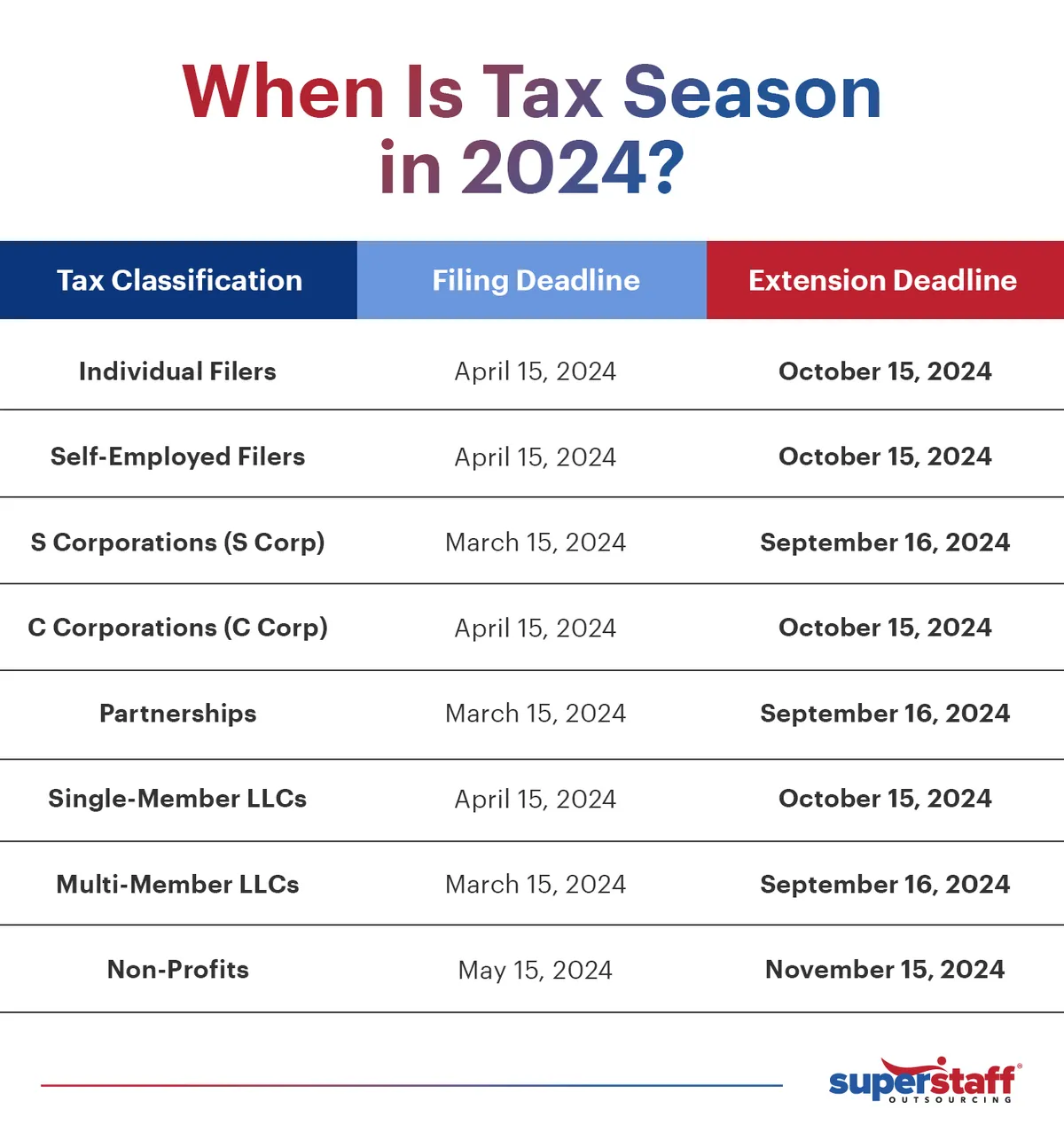
While the focus is often on when you can start, it is equally important to remember the finish line. The traditional deadline to file is April 15th. If the 15th falls on a weekend or a holiday, the deadline is moved to the next business day. For those who cannot meet this deadline, filing for an extension provides an additional six months, moving the final date to October 15th. However, it is a common financial misconception that an extension gives you more time to pay. An extension only gives you more time to file paperwork; any taxes owed are still due by the April deadline to avoid interest and penalties.
Preparation is Everything: Gathering Your Financial Documentation
The most time-consuming aspect of tax season isn’t the filing itself, but the gathering of necessary information. To start filing as early as possible, you must have a systematic way of organizing your financial life. This process should ideally begin long before the IRS opens its doors.
Income Statements and Wage Information
For most employees, the W-2 is the bedrock of the tax return. However, in the modern economy, many individuals have multiple streams of income. You must gather 1099-INT forms for interest earned in savings accounts, 1099-DIV for dividends from investments, and 1099-B for any stocks or assets sold during the year. For those involved in the “sharing economy”—such as driving for ride-share apps or selling goods online—keeping track of digital records is paramount, as the IRS has become increasingly focused on capturing 1099-K data from third-party payment processors.
Deductions and Credits
Once income is accounted for, the focus shifts to reducing taxable income through deductions and credits. If you plan to itemize rather than taking the standard deduction, you will need receipts for charitable donations, records of mortgage interest paid (Form 1098), and documentation of medical expenses that exceed a certain percentage of your adjusted gross income. Furthermore, if you are a homeowner, you should look for records of property taxes paid.
Tax credits, such as the Child Tax Credit (CTC) or the Earned Income Tax Credit (EITC), are even more valuable than deductions because they reduce your tax bill dollar-for-dollar. Gathering proof of eligibility for these credits—such as daycare receipts or tuition statements (Form 1098-T)—is essential for a successful early filing.
The Strategic Advantages of Filing Your Taxes Early

Many people view tax filing as a chore to be delayed, but there are significant financial and security advantages to filing as soon as the IRS begins accepting returns.
Faster Access to Refunds
The most obvious benefit is the speed of the refund. The IRS typically issues refunds within 21 days of receiving an electronically filed return. By filing in late January or early February, you are ahead of the mid-April rush, which can sometimes lead to processing bottlenecks. For many households, the tax refund is the largest single “windfall” of the year, and receiving it early allows for immediate allocation toward high-interest debt repayment, emergency fund padding, or strategic investments.
Protecting Against Identity Theft
Tax-related identity theft occurs when someone uses your social security number to file a fraudulent return and claim a refund in your name. The IRS operates on a “first-come, first-served” basis regarding social security numbers. If you file your legitimate return early, you effectively “lock” your social security number for that tax year. If a scammer attempts to file using your information later in the season, their return will be rejected because a return has already been processed for that ID.
More Time to Pay
If you discover that you owe money to the IRS, filing early actually works in your favor. By filing in February, you know exactly what your liability is, but you do not have to send the payment until the April deadline. This gives you two extra months to reorganize your budget, move money from a high-yield savings account, or liquidate an investment to cover the bill without the stress of a last-minute surprise.
Navigating Complexities: Side Hustles, Investments, and Online Income
The rise of online income and side hustles has made tax season more complex for the average person. If your income isn’t strictly from a traditional 9-to-5 job, your “start date” might be delayed by the arrival of more complex forms.
The 1099-K Nuance
In recent years, the threshold for 1099-K reporting (payments received via platforms like PayPal, Venmo, or eBay) has been a subject of legislative debate. Regardless of whether you receive a form, you are legally required to report all income earned. To file early, side hustlers should maintain an ongoing ledger of their earnings and expenses. This allows you to calculate your net profit independently, rather than waiting for a platform to send a summary that might not arrive until February.
Investment Income and Capital Gains
Investors often face the longest wait times. While banks usually issue 1099-INT and 1099-DIV forms by late January, brokerage firms frequently issue “consolidated” 1099s, which may not be finalized until mid-February or even March. This is because complex investments, such as Real Estate Investment Trusts (REITs) or foreign stocks, often require additional time to categorize their distributions accurately. If you have a diverse portfolio, your ability to file “early” may be naturally limited by the complexity of your holdings.
Business Expenses for the Self-Employed
For those running a business or working as an independent contractor, the tax filing process is an opportunity to review the health of the business. Starting early allows you to properly categorize expenses—such as home office deductions, travel, and equipment—ensuring you aren’t leaving money on the table. It is helpful to use accounting software throughout the year that can export these figures directly into tax preparation tools, significantly shortening the time between the start of the season and your filing date.
Selecting the Right Financial Tools for a Seamless Filing Experience
As you prepare to file, the tools you choose can determine how smoothly the process goes. The IRS “Free File” program is a powerful resource for those who meet the income requirements, providing access to top-tier tax preparation software at no cost. For those with more complex financial lives, premium software or professional consultation may be necessary.
Digital Security and Software
When you start to file, ensure you are using a secure, private internet connection. Tax returns contain the most sensitive financial data an individual possesses. Leading software platforms now offer features like “importing” data directly from your employer or your brokerage, which reduces manual entry errors and speeds up the filing process.
Professional Assistance vs. DIY
If your financial situation has changed significantly—for example, if you started a business, bought a home, or had a child—it may be worth consulting a Certified Public Accountant (CPA) or a tax professional. While software is efficient, a professional can provide personalized advice on tax-loss harvesting or retirement account contributions (like a SEP-IRA or a traditional IRA) that can still be made up until the April deadline to reduce your prior year’s tax liability.
In conclusion, the question of “when can I start to file taxes” is answered by a mix of IRS regulations and your own personal organization. While the IRS usually opens its doors in late January, the most successful taxpayers are those who begin their preparation in December by organizing receipts and reviewing their income streams. By filing early, you secure your refund, protect your identity, and gain a clearer understanding of your financial standing for the year ahead. Whether you are a traditional employee, an online entrepreneur, or an investor, the tax season is a vital window for optimizing your personal finances and ensuring long-term fiscal health.
aViewFromTheCave is a participant in the Amazon Services LLC Associates Program, an affiliate advertising program designed to provide a means for sites to earn advertising fees by advertising and linking to Amazon.com. Amazon, the Amazon logo, AmazonSupply, and the AmazonSupply logo are trademarks of Amazon.com, Inc. or its affiliates. As an Amazon Associate we earn affiliate commissions from qualifying purchases.