
Navigating the complexities of the tax code is more than just a seasonal chore; it is a critical component of a sophisticated personal finance strategy. Understanding exactly what you can file on your taxes—ranging from diverse income streams to nuanced deductions and credits—can significantly impact your net worth and long-term financial trajectory. As the economy evolves with the rise of the gig economy, remote work, and digital assets, the list of what must be reported and what can be leveraged for tax savings has expanded. This guide serves as an authoritative roadmap for individuals and small business owners looking to optimize their tax filings and ensure full compliance while minimizing liability.

Understanding Taxable Income: What You Must Report
The foundation of any tax filing is a transparent accounting of income. The Internal Revenue Service (IRS) operates on the principle that all income is taxable unless specifically excluded by law. For most taxpayers, this goes far beyond the traditional salary recorded on a W-2.
Earned Income and the Modern Workforce
Earned income is the most common type of filing. This includes wages, salaries, tips, and bonuses. However, the modern workforce is increasingly characterized by “side hustles” and freelance contracts. If you engage in any form of independent contracting, you are required to report income from 1099-NEC or 1099-K forms. Even if you do not receive a formal document from a client, any income earned through services rendered must be filed. This includes payments received via peer-to-peer apps for business purposes, which has become a focal point of recent regulatory shifts.
Investment and Passive Income Streams
For those focused on wealth building, reporting investment income is paramount. This includes interest from savings accounts (1099-INT), dividends from stocks (1099-DIV), and capital gains from the sale of assets. Passive income, such as rental income from real estate or royalties from intellectual property, also falls under this category. It is important to distinguish between short-term and long-term capital gains, as the duration an asset is held dictates the tax rate applied. Filing these correctly ensures you take advantage of the lower rates associated with long-term investments.
Retirement Distributions and Social Security
As you move into different stages of the financial lifecycle, what you file on your taxes changes. Distributions from traditional IRAs or 401(k) plans are generally taxable as ordinary income. Conversely, qualified distributions from Roth accounts may be tax-free, but they still require proper reporting to maintain the account’s status. Additionally, a portion of Social Security benefits may be taxable depending on your “combined income,” a calculation that includes your adjusted gross income, non-taxable interest, and half of your Social Security benefits.
Maximizing Tax Deductions: Reducing Your Taxable Base
A deduction reduces the amount of your income that is subject to tax. Choosing the right deductions is the most effective way to lower your tax bill. Taxpayers generally choose between the standard deduction and itemizing their deductions on Schedule A, depending on which offers a greater financial benefit.
The Standard vs. Itemized Decision
The standard deduction is a flat dollar amount that reduces the income you’re taxed on. For many, this is the simplest and most effective route. However, itemizing becomes beneficial when your total allowable expenses exceed the standard deduction threshold. Common itemized deductions include state and local taxes (SALT) up to a certain limit, mortgage interest on a primary residence, and significant medical or dental expenses that exceed a specific percentage of your adjusted gross income.
Above-the-Line Deductions
Some deductions can be claimed regardless of whether you choose the standard deduction or itemize. Known as “adjustments to income,” these are particularly powerful because they lower your Adjusted Gross Income (AGI), which can qualify you for other tax breaks. Key examples include:
-
Student Loan Interest: You can often deduct interest paid on qualified student loans for yourself, your spouse, or your dependents.
-
Health Savings Account (HSA) Contributions: Contributions made with after-tax dollars are deductible, and the growth remains tax-free when used for medical expenses.
-
Educator Expenses: Teachers can deduct out-of-pocket costs for classroom supplies.
-
IRA Contributions: Depending on your income level and participation in employer-sponsored plans, contributions to a traditional IRA may be fully or partially deductible.
Self-Employed and Business Expense Filings
For the entrepreneur or freelancer, the list of what can be filed as a deduction is extensive. Business owners can deduct “ordinary and necessary” expenses required to operate. This includes office rent, marketing costs, professional insurance, and travel expenses. A significant opportunity for many is the Home Office Deduction, which allows you to deduct a portion of your home’s expenses—such as utilities, insurance, and maintenance—based on the percentage of the home used exclusively for business. Additionally, the Section 179 deduction allows businesses to deduct the full purchase price of qualifying equipment or software purchased during the tax year, rather than depreciating it over several years.
Leveraging Tax Credits: Dollar-for-Dollar Savings
While deductions lower your taxable income, tax credits are arguably more valuable because they provide a dollar-for-dollar reduction of your actual tax liability. In some cases, refundable credits can even result in a refund that exceeds the total tax you paid during the year.
Family and Dependent-Related Credits
The Child Tax Credit (CTC) remains one of the most impactful filings for families, providing significant relief per qualifying child. Furthermore, the Child and Dependent Care Credit allows parents to recoup a portion of the costs paid for daycare or summer camps while they work or look for work. For lower-to-moderate-income working individuals and couples, the Earned Income Tax Credit (EITC) serves as a vital financial cushion, with the amount varying based on income and the number of children.
Education and Upskilling Incentives
Investing in your education or that of your children provides long-term financial dividends and immediate tax benefits. The American Opportunity Tax Credit (AOTC) covers the first four years of post-secondary education, while the Lifetime Learning Credit (LLC) is available for undergraduate, graduate, and professional degree courses—including those intended to improve job skills. Filing these credits requires Form 1098-T from the educational institution, highlighting the intersection of financial planning and career development.
Green Energy and Sustainability Credits
In alignment with global shifts toward sustainability, the tax code now incentivizes “green” investments. Homeowners can file for credits related to energy-efficient improvements, such as solar panels, wind turbines, and high-efficiency heat pumps. Additionally, the Clean Vehicle Credit provides a substantial credit for the purchase of qualifying new or used electric vehicles (EVs). These filings not only support environmental goals but also represent a strategic move to lower the total cost of ownership for significant assets.
Specialized Filings: Cryptocurrency and Remote Work Nuances
As technology transforms how we earn and store value, tax filing requirements have adapted to include digital footprints and unconventional work arrangements.
Reporting Digital Assets and Cryptocurrency
Cryptocurrency is treated as property by the IRS, not currency. This means every “taxable event”—selling crypto for fiat, trading one coin for another, or using crypto to purchase a product—must be filed. You must report capital gains or losses on these transactions. Furthermore, if you are paid in cryptocurrency for services, that value must be reported as ordinary income at its fair market value on the day it was received. The IRS has increased its focus on digital asset compliance, making accurate record-keeping of every transaction hash and price point essential for modern investors.
The Complexity of Multi-State Remote Work
The rise of remote work has introduced a “convenience of the employer” rule in several jurisdictions. If you live in one state but work for an employer based in another, you may need to file tax returns in both states. Some states have reciprocity agreements, while others do not. Navigating which state has the right to tax your income requires a deep dive into “nexus” laws. Correctly filing these state returns is crucial to avoid double taxation and to ensure you are claiming the appropriate resident or non-resident credits.
Strategic Documentation and Financial Discipline
The ability to file accurately depends entirely on the quality of your financial records. Effective tax filing is a year-round process of documentation and strategic decision-making.
Best Practices for Record-Keeping
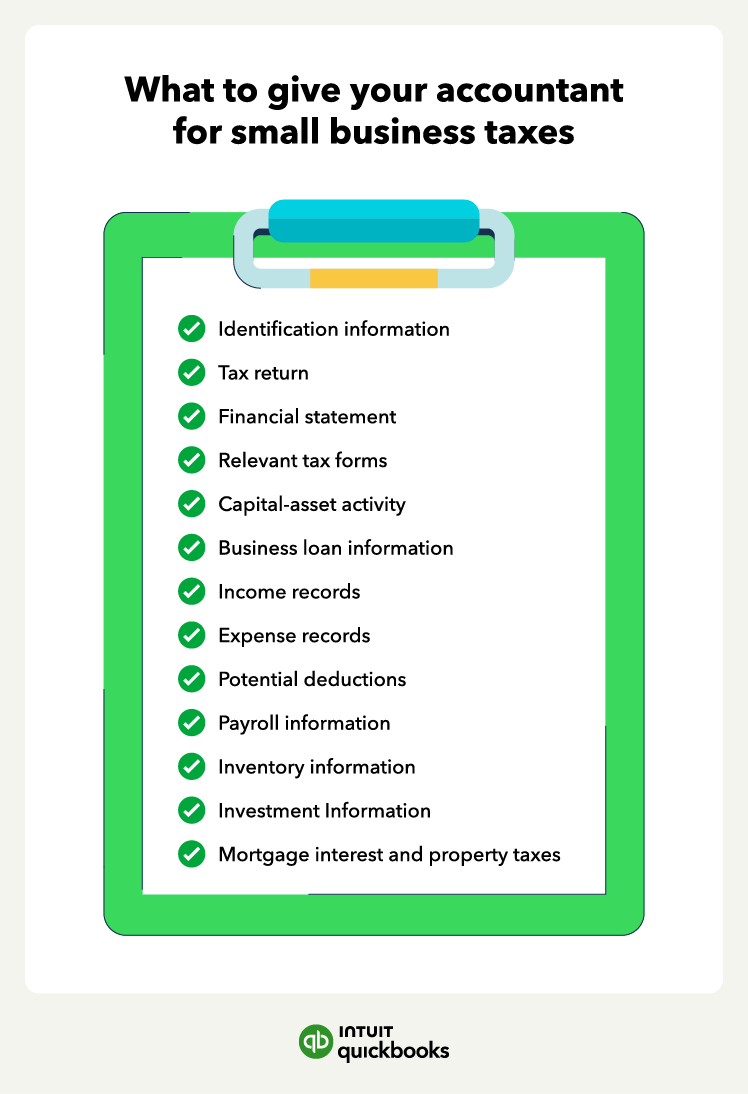
To maximize what you can file, you must have the receipts to back it up. Digital tools and apps have made this easier than ever. Categorizing expenses in real-time prevents the “shoebox effect” at the end of the year. For business owners, maintaining separate bank accounts for personal and business use is non-negotiable. When filing, you should keep copies of all returns and supporting documents for at least three to seven years, as this is the typical window for IRS audits.
Proactive Tax Planning vs. Reactive Filing
The most successful individuals treat tax filing as a proactive strategy rather than a reactive obligation. This involves mid-year check-ins to project tax liability and making adjustments—such as increasing 401(k) contributions or engaging in tax-loss harvesting—to optimize the final outcome. By understanding the full spectrum of what can be filed, from the most obscure deduction to the latest energy credit, you position yourself to retain more of your capital. This retained capital can then be reinvested into assets that drive further growth, creating a powerful cycle of wealth accumulation and fiscal efficiency.
In conclusion, knowing what you can file on your taxes is a hallmark of financial literacy. Whether it is reporting diverse income streams, identifying overlooked deductions, or claiming lucrative credits, every line item on your tax return is an opportunity to strengthen your financial position. As regulations continue to shift, staying informed and meticulous in your documentation remains the best defense against overpayment and the best strategy for long-term prosperity.
aViewFromTheCave is a participant in the Amazon Services LLC Associates Program, an affiliate advertising program designed to provide a means for sites to earn advertising fees by advertising and linking to Amazon.com. Amazon, the Amazon logo, AmazonSupply, and the AmazonSupply logo are trademarks of Amazon.com, Inc. or its affiliates. As an Amazon Associate we earn affiliate commissions from qualifying purchases.