
Missing a tax deadline is a common occurrence that can happen for various reasons, from personal emergencies and lost documentation to simple oversight. However, regardless of the reason, failing to file a tax return for a previous year creates a financial “loose end” that can lead to significant complications if left unaddressed. Filing back taxes is not merely a matter of bureaucratic compliance; it is a critical step in maintaining your financial health, protecting your credit score, and ensuring you do not leave money on the table in the form of unclaimed refunds.

While the prospect of dealing with the Internal Revenue Service (IRS) for past-due returns may seem daunting, the process is straightforward once you understand the mechanics of prior-year filings. This guide explores the strategic approach to filing back taxes, the potential financial consequences of delay, and the steps you can take to resolve outstanding tax debt.
The Financial Implications of Unfiled Returns
Many taxpayers believe that if they do not owe the government money, there is no urgency to file. This is a common misconception that can result in lost wealth. If you are entitled to a refund, you generally have a three-year window from the original due date to claim it. If you fail to file within this period, the refund becomes the property of the U.S. Treasury. For many, filing a previous year’s tax return is not a burden but an opportunity to recover hundreds or thousands of dollars in overpaid taxes or refundable credits like the Earned Income Tax Credit (EITC).
Penalties and Interest Accumulation
Conversely, if you owe taxes, the financial clock starts ticking the moment the original deadline passes. The IRS imposes two primary penalties: the failure-to-file penalty and the failure-to-pay penalty. The failure-to-file penalty is particularly aggressive, usually amounting to 5% of the unpaid taxes for each month or part of a month that a tax return is late, capping at 25%. If you file more than 60 days late, the minimum penalty is either a set dollar amount (adjusted for inflation) or 100% of the underpayment, whichever is less.
In addition to penalties, interest accrues on any unpaid balance from the original due date until the date of payment. Unlike penalties, which can sometimes be abated for reasonable cause, interest is statutory and much harder to waive. By filing as soon as possible, you stop the 5% monthly growth of the failure-to-file penalty, even if you cannot pay the full balance immediately.
Impact on Credit and Loan Eligibility
Unfiled tax returns can also create hurdles in your broader financial life. Lenders, especially mortgage providers, typically require the last two to three years of tax transcripts to verify income. If you have a “gap” in your filing history, your loan application may be stalled or denied. Furthermore, if the IRS files a Substitute for Return (SFR) on your behalf, they will calculate your tax liability based only on information they have, often without including deductions or exemptions you are entitled to. This results in a higher tax bill and the potential for federal tax liens, which can severely damage your ability to manage or acquire assets.
The Step-by-Step Process for Filing Back Taxes
Filing for a previous year requires a different approach than filing for the current year. Most consumer tax software is designed for the current tax season, and the IRS does not allow electronic filing for individual prior-year returns through most platforms for taxpayers filing on their own.
Gathering Necessary Documentation
The first step is to reconstruct your financial history for the year in question. You will need:
-
Income Statements: W-2s from employers, 1099s for freelance work, interest (1099-INT), dividends (1099-DIV), and any records of unemployment compensation.
-
Expense Records: If you are self-employed or itemizing deductions, gather receipts for business expenses, mortgage interest statements (Form 1098), and charitable donation receipts.
-
IRS Transcripts: If you have lost your records, you can request a “Wage and Income Transcript” from the IRS. This document shows data from information returns the IRS has received, such as W-2s and 1099s, which can help you accurately report your income.
Locating the Correct Forms
Tax laws and forms change annually. You cannot use a 2023 Form 1040 to file for the 2020 tax year. You must visit the IRS website’s “Prior Year Products” section to download the specific forms and instructions for the year you are filing. This is crucial because tax brackets, standard deduction amounts, and available credits vary significantly from year to year. Using the wrong form will result in processing delays or rejection.

Preparing and Submitting the Return
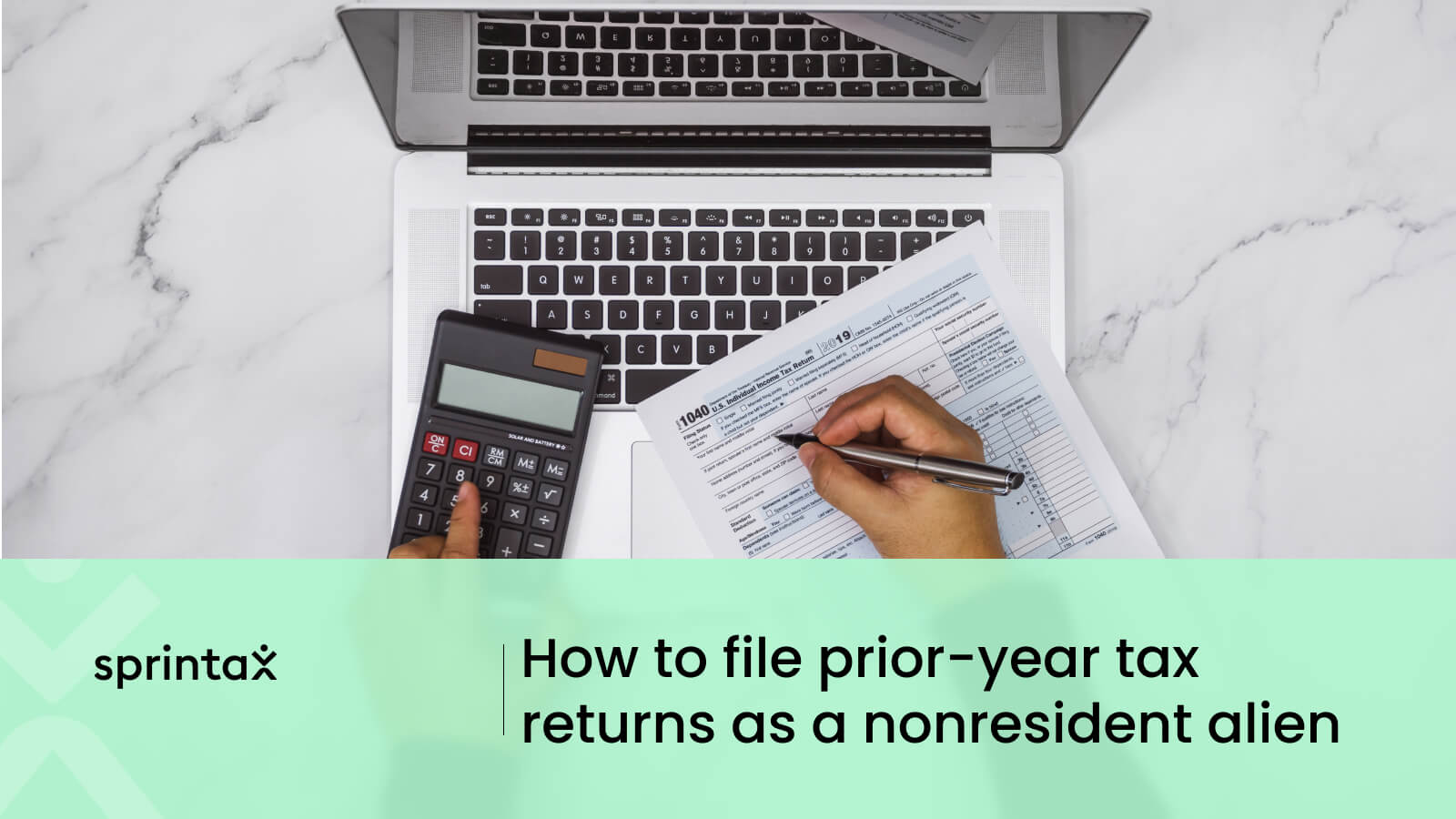
Once you have the correct forms and data, you must manually complete the return. While some professional tax preparers have the software capability to e-file for the previous two years, most individuals filing “back taxes” will need to print, sign, and mail their returns to the appropriate IRS processing center. It is highly recommended to use certified mail with a return receipt. This provides legal proof that you submitted the return, which is essential if there are disputes regarding the three-year statute of limitations for refunds.
Strategies for Resolving Outstanding Tax Debt
For many, the hesitation to file back taxes stems from the fear of an unaffordable tax bill. However, filing the return is the necessary first step to accessing IRS debt relief programs. You cannot negotiate a settlement or payment plan until you have established exactly what is owed through a filed return.
Installment Agreements
If you cannot pay the full amount immediately, the IRS offers several types of installment agreements. A short-term payment plan gives you up to 180 days to pay the balance in full, while long-term installment agreements allow for monthly payments over up to 72 months. Setting up an installment agreement can prevent the IRS from initiating aggressive collection actions like wage garnishments or bank levies.
Offer in Compromise (OIC)
An Offer in Compromise is a program that allows qualified taxpayers to settle their tax debt for less than the full amount they owe. This is generally reserved for those who can demonstrate that paying the full amount would create a severe financial hardship or that the debt is likely uncollectible. The IRS evaluates your “Reasonable Collection Potential” based on your assets, income, expenses, and future earning potential. While the application process is rigorous, it provides a “fresh start” for those in deep financial distress.
Penalty Abatement
In certain circumstances, you may qualify for “First-Time Penalty Abatement.” If you have a clean history of compliance for the three years prior to the year in question and have filed all currently required returns (or arranged for an extension), the IRS may waive the failure-to-file and failure-to-pay penalties. This can significantly reduce the total balance, leaving you only with the original tax and the accrued interest.
Future-Proofing Your Financial Records
Filing back taxes is an arduous process that highlights the importance of proactive financial management. Once you have cleared your backlog, implementing a system for digital record-keeping can ensure you never fall behind again.
Digital Document Management
Modern personal finance tools allow you to scan and categorize receipts and income statements in real-time. Using cloud-based storage to maintain a “Tax Folder” for each calendar year ensures that even if you lose physical documents or change employers, your data remains accessible. This digital trail is invaluable not just for filing, but also in the event of an audit.
Adjusting Withholdings and Estimated Payments
If your back-tax issues were caused by a large, unexpected tax bill, it is time to review your withholdings. For W-2 employees, this means updating Form W-4 with your employer. For freelancers and business owners, it means committing to quarterly estimated tax payments. Paying throughout the year treats taxes as a manageable monthly expense rather than a looming annual crisis.
Professional Consultation
If your tax situation involves multiple years of unfiled returns, foreign assets, or complex business structures, seeking the help of a Certified Public Accountant (CPA) or an Enrolled Agent (EA) is a wise investment. These professionals can navigate the nuances of tax law, represent you before the IRS, and identify deductions you might have missed while filing on your own. They can also help bridge the gap between financial anxiety and a state of total compliance.
Filing taxes for a previous year is an act of financial recovery. By taking the initiative to address past-due returns, you regain control over your financial narrative, halt the erosion of your wealth through penalties, and clear the path for future financial milestones like home ownership or retirement planning. The IRS prefers a compliant taxpayer over a silent one; taking the first step to file is the most effective way to mitigate the risks of the past and secure your financial future.
aViewFromTheCave is a participant in the Amazon Services LLC Associates Program, an affiliate advertising program designed to provide a means for sites to earn advertising fees by advertising and linking to Amazon.com. Amazon, the Amazon logo, AmazonSupply, and the AmazonSupply logo are trademarks of Amazon.com, Inc. or its affiliates. As an Amazon Associate we earn affiliate commissions from qualifying purchases.