
The annual tradition of tax filing often brings a mix of anxiety and financial burden. For many Americans, the cost of professional preparation or premium software licenses can eat significantly into their expected refund. However, the modern financial landscape has evolved to offer a wide array of legitimate, secure, and sophisticated tools that allow taxpayers to file both federal and state returns at zero cost. Understanding how to navigate these options is not just about saving a few dollars; it is a critical component of proactive personal finance management.

Filing for free is no longer restricted to those with the simplest “EZ” returns. With the expansion of government partnerships and the rise of disruptive fintech platforms, a significant majority of taxpayers qualify for some form of no-cost filing. By strategically choosing the right platform and understanding the eligibility requirements, you can ensure that every cent of your hard-earned money stays in your pocket rather than going toward administrative fees.
Understanding Your Eligibility for Free Tax Preparation
The first step in filing for free is determining which programs apply to your specific financial situation. The tax industry is regulated by various agreements that mandate free services for specific demographics, primarily based on Adjusted Gross Income (AGI).
IRS Free File Program: The Gold Standard
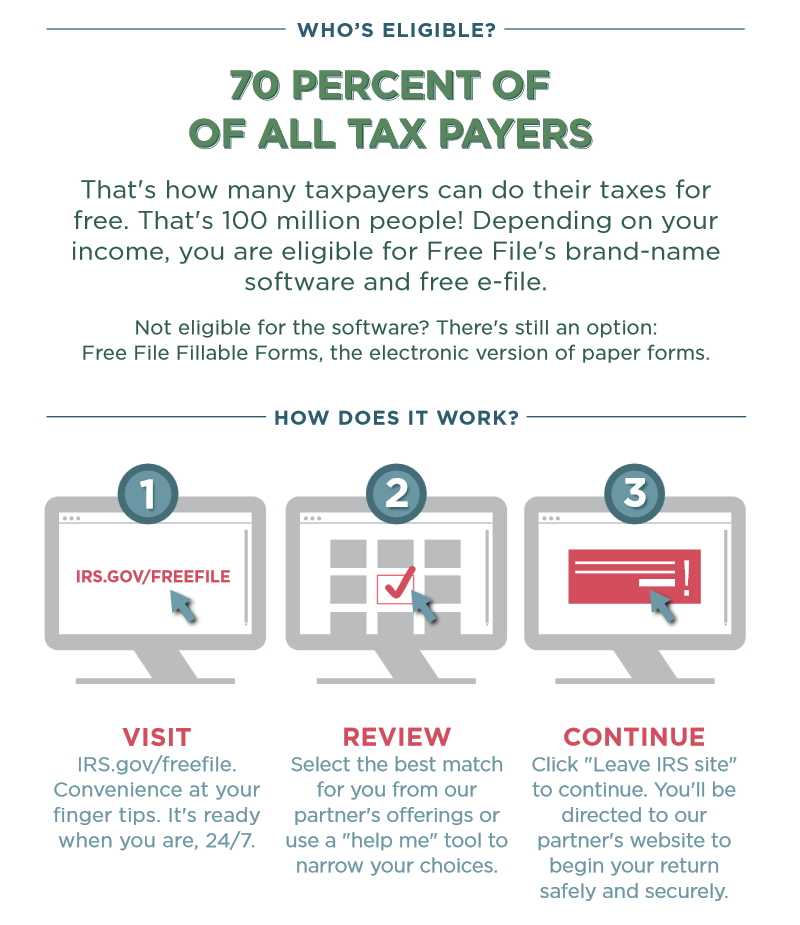
The IRS Free File program is a public-private partnership between the Internal Revenue Service and several brand-name tax software providers. This program is designed specifically to help low-to-moderate-income taxpayers. Generally, if your AGI is $79,000 or less, you are eligible to use one of several full-featured software packages at no cost.
Each participating company sets its own eligibility requirements within that $79,000 limit. Some may have lower income thresholds, age requirements, or geographic restrictions. The benefit of using Free File is that it provides the same “interview-style” experience found in paid products, guiding you through deductions and credits to ensure accuracy. To access these, you must enter through the official IRS.gov website; going directly to a provider’s commercial site may result in being funneled toward a paid version.
Income Thresholds and Specific Requirements
Beyond the broad Free File program, it is essential to look at the nuances of your income. For taxpayers earning above the $79,000 threshold, options become more limited but are not non-existent. For those comfortable with the technicalities of tax forms, the IRS offers “Free File Fillable Forms.” These are electronic versions of paper forms that perform basic calculations. While they do not offer the guided interview process or the “protection” of software checks, they are available to everyone regardless of income level.
Additionally, military members and their families have access to specialized resources. MilTax, provided by the Department of Defense, offers tax software specifically designed to handle the unique circumstances of military life, such as combat pay and multi-state filings, entirely for free.
Top Software Options and Platforms for Cost-Free Filing
The market for tax preparation has shifted. While legacy companies still dominate, new fintech entrants have forced a movement toward truly free filing for all, regardless of income or complexity.
Commercial Software with “Free Editions”
Most major providers like TurboTax and H&R Block offer a “Free Edition.” However, these are often limited to “simple returns” only. In the industry, a simple return usually means income reported only on a W-2, with no itemized deductions, no business income (1099-NEC), and no investment sales.
The caveat with these “Free Editions” is the “upsell.” If you have a small side hustle or even a modest student loan interest deduction (Form 1098-E), these platforms may prompt you to upgrade to a paid tier. For users with these specific needs, it is often better to look toward platforms that don’t segment their features by price.
Cash App Taxes and Direct File
One of the most significant disruptors in the personal finance space is Cash App Taxes (formerly Credit Karma Tax). Unlike many competitors, Cash App Taxes offers 100% free federal and state filing, even for those with more complex situations like self-employment income or capital gains from stock and crypto sales. They monetize their platform through other financial services, meaning the tax software itself serves as a “loss leader” to bring users into their ecosystem. This is currently one of the best options for freelancers and independent contractors who want a professional interface without the $100+ price tag usually associated with “Self-Employed” tiers.
Furthermore, the IRS has launched a pilot program called “Direct File.” This is a government-run service that allows taxpayers to file directly with the IRS for free. While currently limited to certain states and specific types of income, it represents a major shift toward a government-provided solution that eliminates the middleman entirely.
In-Person and Volunteer Assistance Programs
For many, the digital divide or the complexity of their financial lives makes software feel impersonal or intimidating. In these cases, human-led volunteer programs provide a vital service, offering professional-grade preparation for free.
VITA: Volunteer Income Tax Assistance
The VITA program has been in operation for over 50 years. It offers free tax help to people who generally make $64,000 or less, persons with disabilities, and limited English-speaking taxpayers. VITA sites are usually located in community centers, libraries, schools, and shopping malls. The preparers are IRS-certified volunteers who understand the nuances of the Earned Income Tax Credit (EITC) and the Child Tax Credit. This is an excellent option for those who want the peace of mind that comes with a human expert reviewing their documents without the high cost of a CPA.
TCE: Tax Counseling for the Elderly
The TCE program offers free tax help for all taxpayers, particularly those who are 60 years of age and older. It specializes in questions about pensions and retirement-related issues unique to seniors. A significant portion of the TCE program is managed by the AARP Foundation’s Tax-Aide program. These volunteers are highly trained and can handle most common tax situations faced by retirees. Like VITA, these services are not just about filing; they are about education and ensuring that seniors are not leaving money on the table due to overlooked credits.
Navigating Complex Tax Situations and State Returns
A common trap in the “free” filing world is the federal-state split. Many platforms will advertise free federal filing but charge $40 to $60 for the state return. For a taxpayer in a state with income tax, this can negate much of the “free” benefit.
The Hidden Costs of State Filing
To avoid these fees, check if your state government offers its own “Direct File” portal. Many states, such as California (CalFile) and Massachusetts (MassTaxConnect), allow residents to file directly through the state’s Department of Revenue website for free.
If you are using the IRS Free File program, most of the participating software providers include free state filing as part of the package, provided you meet the income criteria. However, always double-check the “Offer Details” before starting your return. If you find yourself in a situation where the software wants to charge you for a state return, consider finishing the federal return there and then using your state’s specific portal to file the state portion manually.
When “Free” Isn’t the Best Option
While the goal is to file for free, there are rare instances where paying for professional advice is a sound financial investment. If you own multiple rental properties, have complicated K-1 forms from partnerships, or are dealing with international tax treaties, the potential for an audit or a missed five-figure deduction might outweigh the $300-$500 cost of a CPA. For the average employee, freelancer, or retiree, however, the free tools available today are more than sufficient to handle the vast majority of tax scenarios with precision.
Strategic Financial Moves After Filing Your Return
Once you have successfully filed your taxes for free, the work isn’t quite finished. How you handle your return and the information gathered during the process can set the stage for your financial health for the rest of the year.
Direct Deposit and Timeline Management
The fastest way to receive your refund is to combine e-filing with direct deposit. The IRS typically issues nine out of ten refunds in less than 21 days when this method is used. Avoid “Refund Anticipation Loans” or “Instant Refunds” offered by some storefront preparers. These are essentially high-interest loans that charge you to access your own money just a few days earlier than the IRS would provide it. By filing for free and choosing direct deposit, you maximize the actual value of your refund.

Planning for the Next Tax Year
Filing taxes is the best time to perform a “financial physical.” If you received a massive refund, it means you gave the government an interest-free loan all year. You might consider adjusting your W-4 with your employer to increase your take-home pay in each paycheck. Conversely, if you owed a significant amount, you may need to increase your withholdings or start making quarterly estimated payments to avoid penalties.
Use the momentum of your tax filing to organize your digital financial records. Setting up a dedicated folder for receipts, 1099s, and charitable contributions now will make next year’s free filing even smoother. In the world of personal finance, the most successful individuals are those who treat tax season not as a one-time event, but as a strategic touchpoint in their overall wealth-building journey.
aViewFromTheCave is a participant in the Amazon Services LLC Associates Program, an affiliate advertising program designed to provide a means for sites to earn advertising fees by advertising and linking to Amazon.com. Amazon, the Amazon logo, AmazonSupply, and the AmazonSupply logo are trademarks of Amazon.com, Inc. or its affiliates. As an Amazon Associate we earn affiliate commissions from qualifying purchases.