
Tax season is often viewed through a lens of stress and administrative burden, yet for the financially savvy, it represents a critical period for auditing one’s fiscal health and optimizing wealth retention. Filing United States taxes is not merely a legal obligation; it is a sophisticated exercise in personal finance management. Whether you are an employee with a single income stream, a freelancer navigating the gig economy, or a high-net-worth investor, understanding the mechanics of the Internal Revenue Service (IRS) framework is essential for minimizing liability and maximizing your bottom line.
Understanding the Foundation: Filing Status and Tax Brackets
Before gathering a single receipt, a taxpayer must understand the structural framework that dictates how their income is assessed. The U.S. tax system is progressive, meaning that as your income increases, the rate at which you are taxed on subsequent dollars also rises. However, the application of these rates depends heavily on your filing status.
Determining Your Filing Status
Your filing status is the first lever in determining your standard deduction and the tax brackets applicable to your income. There are five primary categories:
-
Single: For those who are unmarried, divorced, or legally separated.
-
Married Filing Jointly: For married couples who combine their income and deductions. This often provides the most significant tax benefits.
-
Married Filing Separately: Occasionally beneficial if one spouse has significant medical expenses or if there is a desire to keep financial liabilities distinct.
-
Head of Household: Available to unmarried individuals who pay more than half the cost of keeping up a home for a qualified person. This offers more favorable rates and a higher standard deduction than the single status.
-
Qualifying Surviving Spouse: Allows a widowed individual to use the married filing jointly rates for two years following the spouse’s death, provided they have a dependent child.
The Progressive Tax Bracket System
It is a common misconception that moving into a higher tax bracket increases the tax rate on your entire income. In reality, only the portion of income that falls within that specific range is taxed at the higher rate. For instance, if you move from the 12% bracket to the 22% bracket, only the dollars earned above the threshold for the 22% bracket are taxed at that higher rate. Understanding this “marginal rate” is crucial for making informed decisions about supplemental income, such as side hustles or investment liquidations.
Gathering the Financial Paper Trail: Documentation and Income Reporting
Accuracy in tax filing is predicated on comprehensive documentation. The IRS receives copies of most forms sent to you, and any discrepancy between your filing and their records can trigger an automated “matching” error, leading to notices or audits.
Traditional Employment and Contract Income
For the majority of Americans, the W-2 Wage and Tax Statement is the primary document. It outlines total earnings and the amount of federal, state, and local taxes already withheld. However, the rise of the digital economy has made the 1099 series equally important.
-
1099-NEC: Used for non-employee compensation, essential for freelancers and independent contractors.
-
1099-K: Reports payments received through third-party networks like PayPal, Venmo, or Etsy.
-
1099-MISC: Covers miscellaneous income such as rent or prizes.
Investment and Passive Income
The “Money” niche requires a keen eye for investment reporting. Wealth accumulation through the stock market or real estate necessitates specific forms:
-
1099-INT and 1099-DIV: Report interest and dividend income from bank accounts and investments.
-
1099-B: Detail capital gains and losses from the sale of stocks or other securities.
-
Schedule K-1: Used for those with stakes in partnerships, S-corporations, or trusts.
One must also account for adjustments to income, often referred to as “above-the-line” deductions. These include contributions to traditional IRAs, student loan interest payments, and Health Savings Account (HSA) contributions. These figures are vital because they reduce your Adjusted Gross Income (AGI), which is the number used to determine your eligibility for various tax credits.
Choosing the Filing Mechanism: Technology vs. Expertise
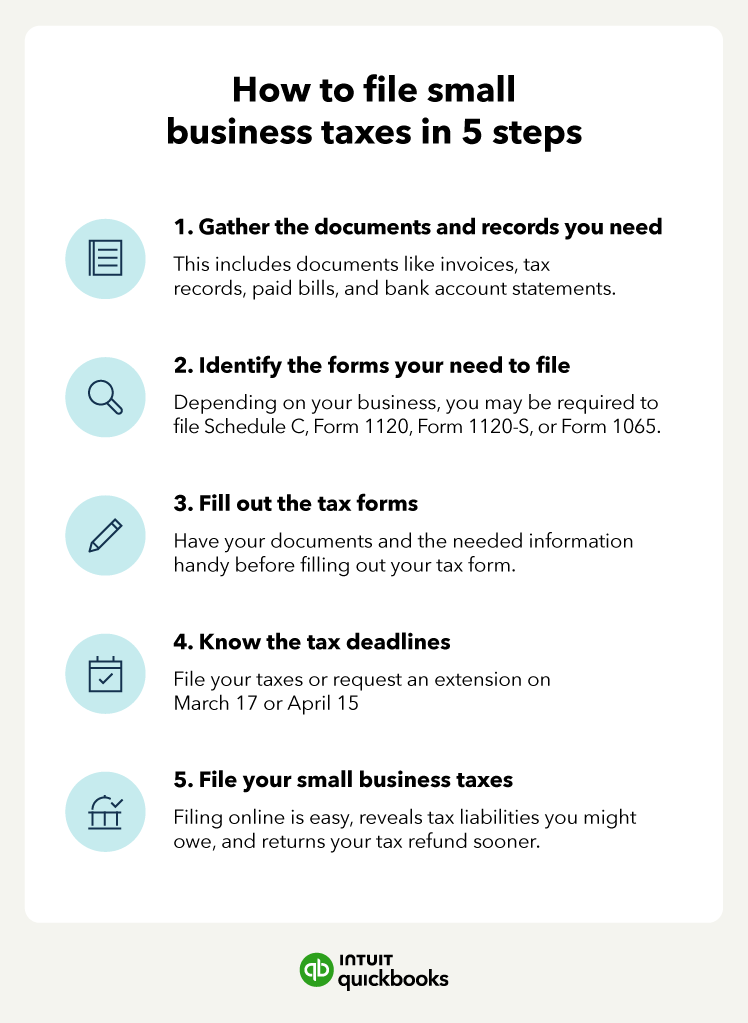
In the modern era, the “how” of filing is just as important as the “what.” Taxpayers generally choose between three pathways: manual filing, tax preparation software, or hiring a Certified Public Accountant (CPA).
The Rise of Tax Software and Direct File
For individuals with straightforward financial lives, software such as TurboTax, H&R Block, or FreeTaxUSA offers a user-friendly interface that guides the user through a series of questions. The IRS has also recently launched “Direct File,” a pilot program allowing eligible taxpayers to file directly with the government for free. These tools are excellent for automated data entry and basic error checking. They utilize algorithms to identify common deductions, making them a cost-effective choice for those with W-2 income and standard deductions.
When to Hire a Professional
As your financial portfolio grows—incorporating rental properties, offshore accounts, or complex business structures—the value of a CPA or Enrolled Agent (EA) increases. A professional does not just fill out forms; they provide tax planning. This involves multi-year strategies to minimize life-time tax liability, guidance on the tax implications of selling a business, or navigating the complexities of the Alternative Minimum Tax (AMT). From a money management perspective, the fee paid to a high-level tax professional is often offset by the tax savings they identify.
Maximizing the Return: Credits and Deductions
The core of tax optimization lies in the distinction between deductions and credits. A deduction reduces the amount of income subject to tax, whereas a credit is a dollar-for-dollar reduction in the actual tax owed.
Standard vs. Itemized Deductions
The Tax Cuts and Jobs Act (TCJA) significantly increased the standard deduction, leading the vast majority of taxpayers to choose it over itemizing. However, if your total deductible expenses—including state and local taxes (capped at $10,000), mortgage interest, charitable contributions, and unreimbursed medical expenses exceeding 7.5% of your AGI—surpass the standard deduction threshold, itemizing is the superior financial move.
Valuable Tax Credits
Credits are the most powerful tools for reducing your tax bill. High-value credits include:
-
Child Tax Credit (CTC): Provides significant relief for those with qualifying children.
-
Earned Income Tax Credit (EITC): A refundable credit aimed at low-to-moderate-income working individuals and couples.
-
Education Credits: The American Opportunity Tax Credit (AOTC) and the Lifetime Learning Credit (LLC) help offset the costs of higher education.
-
Energy Credits: Incentives for home energy improvements or the purchase of qualifying electric vehicles (EVs), aligning personal finance with modern infrastructure trends.
Post-Filing Strategy: Compliance and Future Planning
Filing the return is not the final step in a sophisticated financial plan. Real wealth management requires a proactive approach to what happens after the “Submit” button is clicked.
Managing Refunds and Liabilities
If you receive a massive refund, it essentially means you provided the government with an interest-free loan throughout the year. From a capital efficiency standpoint, it is often better to adjust your W-4 withholding to bring more money home in each paycheck, which can then be invested or used to pay down high-interest debt. Conversely, if you owe a significant amount, you may need to increase your withholding or begin making quarterly estimated payments to avoid underpayment penalties.
Record Keeping and the Audit Trail
The IRS generally has three years to audit a return, though this extends to six years if a “substantial understatement of income” is detected. Maintaining a digital or physical “tax vault” containing all supporting documents, receipts for itemized deductions, and copies of filed returns is essential. In the digital age, using encrypted cloud storage for these documents ensures they are accessible and protected.

Planning for the Next Fiscal Year
Tax filing provides a mirror to your financial habits. It is the perfect time to evaluate your retirement contributions. If your tax bill was higher than expected, increasing contributions to a 401(k) or 403(b) can lower your taxable income for the coming year. It is also an opportune moment to consider tax-loss harvesting—selling underperforming investments to offset gains—or moving assets into tax-advantaged accounts.
By treating tax filing as a strategic financial event rather than a bureaucratic chore, you position yourself to better understand your cash flow, protect your assets, and ensure that your hard-earned money is working for you rather than simply flowing into the treasury. Filing US taxes is the ultimate annual check-up for your financial life; execute it with precision, and the rewards will manifest in long-term fiscal stability.
aViewFromTheCave is a participant in the Amazon Services LLC Associates Program, an affiliate advertising program designed to provide a means for sites to earn advertising fees by advertising and linking to Amazon.com. Amazon, the Amazon logo, AmazonSupply, and the AmazonSupply logo are trademarks of Amazon.com, Inc. or its affiliates. As an Amazon Associate we earn affiliate commissions from qualifying purchases.