
Filing an income tax return is often viewed as a daunting annual obligation, a complex bureaucratic hurdle that stands between a taxpayer and their financial peace of mind. However, when viewed through the lens of sophisticated personal finance management, tax filing is one of the most critical components of a healthy financial life. It is the process of reconciling your financial activities over the past year with the requirements of the government, ensuring that you contribute your fair share while simultaneously capturing every legal opportunity to preserve your wealth. Whether you are a salaried employee, a freelancer navigating the gig economy, or an investor managing a diverse portfolio, understanding the nuances of how to file an income tax return is essential for long-term fiscal stability.
Preparing for Tax Season: Essential Documentation and Information
The foundation of a stress-free tax filing experience is meticulous preparation. Long before the filing deadline approaches, the most successful taxpayers have already implemented systems to track their income and expenses. The goal of this preparation is to create a “paper trail” that validates every figure entered into your tax return, providing both peace of mind and protection in the event of an audit.
Organizing Income Sources
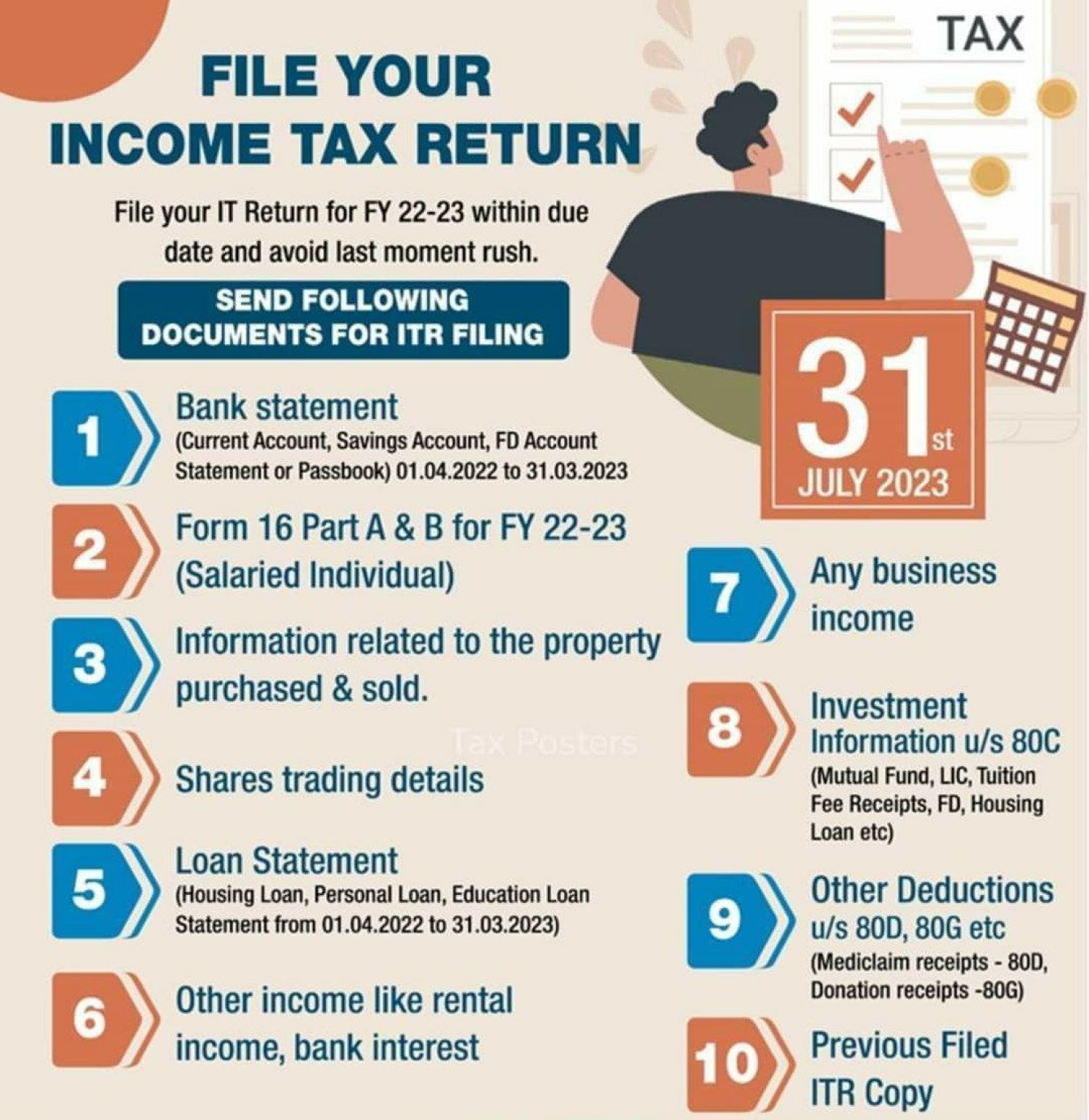
The first step in preparation is identifying every stream of income generated throughout the fiscal year. For many, this begins with the traditional W-2 form provided by an employer, which outlines total earnings and taxes already withheld. However, in the modern economy, income streams are increasingly fragmented. You must gather 1099 forms if you have performed contract work, earned significant interest from savings accounts, or received dividends from investments. Furthermore, if you are involved in the digital asset space, such as cryptocurrency or NFTs, you must calculate capital gains or losses from every transaction. Organizing these documents by category—earned income, passive income, and investment income—ensures that nothing is overlooked when it comes time to report.
Tracking Deductible Expenses
While reporting income is a legal requirement, tracking deductions is a financial strategy. Deductions are specific expenses that the government allows you to subtract from your gross income, effectively lowering your taxable income and, by extension, your total tax liability. For those who are self-employed or run a side hustle, this includes business-related costs such as home office expenses, marketing fees, travel, and professional software subscriptions. Even for traditional employees, certain expenses like student loan interest, educator expenses, or high medical bills may be deductible. Keeping a digital repository of receipts and invoices throughout the year is the only way to maximize these benefits accurately.
Gathering Necessary Personal Identification
Beyond financial figures, you must have all necessary identification documents for yourself, your spouse, and any dependents. This includes Social Security numbers or Individual Taxpayer Identification Numbers (ITINs). Ensuring that these details are correct is vital, as even a minor typo in a name or identification number can lead to significant delays in processing your return or receiving a refund.
Choosing the Right Filing Method: Manual vs. Software vs. Professional
Once your documentation is in order, the next strategic decision is determining the most effective method for filing. The “best” method is subjective, depending entirely on the complexity of your financial situation, your comfort level with tax law, and your budget.
The Rise of E-filing and Tax Software
For the vast majority of individual taxpayers, consumer-grade tax software has become the gold standard. These platforms use an interview-style interface to guide users through the filing process, asking intuitive questions to identify potential deductions and credits that a layperson might miss. The primary advantage of software is its ability to perform complex calculations instantly and its integration with electronic filing (e-filing) systems. E-filing is significantly faster than paper filing, often reducing the processing time from months to weeks, and it provides an immediate confirmation that the tax authorities have received your submission.
When to Hire a Certified Public Accountant (CPA)
As your wealth grows and your financial life becomes more intricate, the value of professional intervention increases. If you own multiple rental properties, manage a complex business entity, or have significant international assets, a Certified Public Accountant (CPA) or a tax attorney is an investment rather than a cost. A professional can provide year-round tax planning advice, helping you structure your finances in a way that minimizes future tax burdens. They also offer a layer of professional liability; if your return is audited, a CPA can represent you before the tax authorities, providing expert defense of your filings.
Direct Filing via Government Portals
In many jurisdictions, the government offers a “Free File” or direct portal for individuals whose income falls below a certain threshold. This is an excellent option for those with straightforward financial lives—such as a single W-2 income and no complex investments—who wish to avoid the fees associated with commercial software. These portals are increasingly user-friendly and provide a direct pipeline to the tax agency, ensuring the highest level of data security.
Maximizing Returns through Strategic Deductions and Credits

Understanding the difference between a tax deduction and a tax credit is fundamental to effective filing. While both reduce your overall tax burden, they do so in different ways. A deduction lowers the amount of income you are taxed on, whereas a credit is a dollar-for-dollar reduction in the actual tax you owe. Mastering these tools is the key to maximizing your return.
Standard Deduction vs. Itemized Deductions
One of the most critical decisions in the filing process is choosing between the standard deduction and itemizing your deductions. The standard deduction is a fixed dollar amount that reduces your taxable income, and it is available to nearly everyone. Itemizing, on the other hand, involves listing every individual deductible expense (such as mortgage interest, state and local taxes, and charitable contributions). You should choose whichever method results in the lower tax liability. Generally, if the sum of your individual deductions exceeds the standard deduction amount set by the government for that year, itemizing is the superior financial choice.
Key Tax Credits for Families and Individuals
Tax credits are highly valuable because they directly erase tax debt. Common credits include the Child Tax Credit, which provides relief for parents, and the Earned Income Tax Credit (EITC), designed to support low-to-moderate-income working individuals. There are also credits available for higher education expenses, such as the American Opportunity Tax Credit (AOTC), and incentives for making energy-efficient improvements to your home. Identifying every credit for which you are eligible is a critical step in ensuring you aren’t leaving money on the table.
Retirement Contributions and Tax Benefits
Your retirement strategy is inextricably linked to your tax filing. Contributions to traditional IRAs or 401(k) plans are often tax-deductible, meaning you can lower your current year’s tax bill while simultaneously building long-term wealth. Conversely, contributions to Roth accounts are made with after-tax dollars, meaning they don’t lower your current tax bill but allow for tax-free withdrawals in the future. Deciding how to report these contributions requires a forward-thinking approach to your financial lifecycle.
A Step-by-Step Guide to the Filing Process
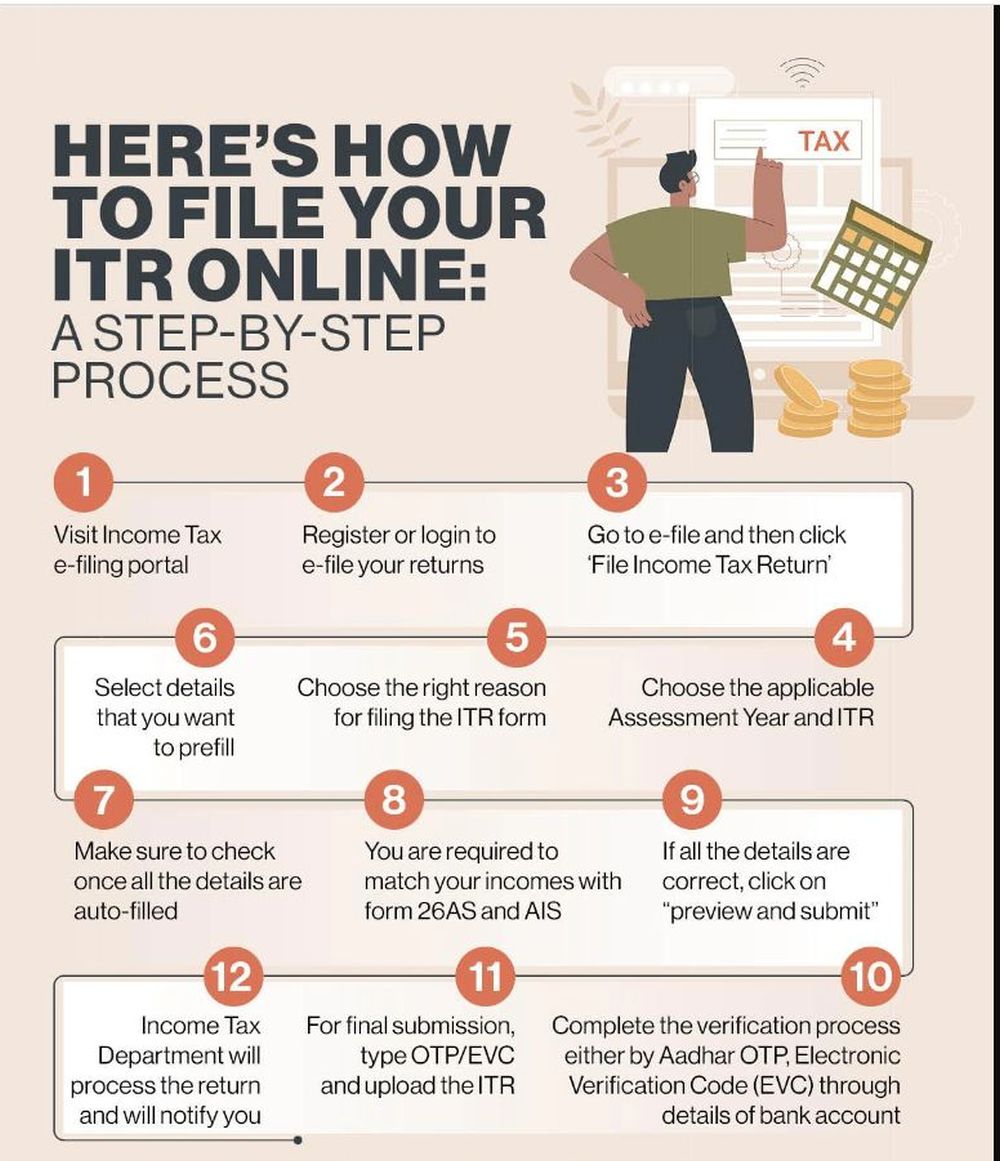
With your documents ready and your method chosen, you can begin the actual process of filing. Following a structured workflow helps prevent errors and ensures that the final submission is accurate.
Reviewing Your Financial Statement
Begin by reviewing your total income and comparing it to your records. Ensure that the W-2s and 1099s you received match your personal accounting. If there is a discrepancy, you must contact the issuer to get a corrected form before filing. Reporting income that does not match the records held by the government is a primary trigger for automated audits.
Entering Data and Calculating Liabilities
Whether using software or a manual form, enter your data carefully. Start with gross income, then apply “above-the-line” adjustments such as student loan interest or health savings account (HSA) contributions. Next, apply your chosen deduction (standard or itemized) to arrive at your taxable income. From there, apply your tax rate to determine your tentative tax, and finally, subtract any eligible tax credits and the taxes you have already paid through withholding or estimated payments.
Final Review and Submission
Before clicking “submit,” perform a final audit of your return. Check for simple errors: Is your Social Security number correct? Did you sign the return? Are the bank routing and account numbers for your refund accurate? Once satisfied, submit the return electronically or mail it via certified mail. If you owe money, ensure that you arrange for payment by the deadline to avoid interest and penalties.
Post-Filing Best Practices: Tracking Refunds and Future Planning
The work of a financially savvy taxpayer does not end the moment the return is filed. There are several post-filing steps that can protect your interests and set you up for success in the following year.
Monitoring Your Refund Status
If you are owed a refund, most tax agencies provide an online tool to track its status. Generally, e-filed returns with direct deposit are processed the fastest. If your refund is significantly delayed, it could indicate an error on your return or a need for additional verification, in which case you should proactively contact the agency.
Amending Returns and Addressing Errors
If you discover an error after filing—perhaps a missing 1099 form arrived late—you must file an amended return. This allows you to correct the mistake without facing the severe penalties associated with tax evasion or negligence. Addressing errors promptly demonstrates a good-faith effort to comply with tax laws.
Year-Round Tax Planning for the Future
The most effective way to file an income tax return is to treat it as a year-round process. Use the insights gained from this year’s filing to adjust your withholdings or estimated payments for the next year. If you received a massive refund, it means you essentially gave the government an interest-free loan; you might consider decreasing your withholding to increase your monthly cash flow for investing. If you owed a large amount, you should increase your withholdings to avoid future penalties. By integrating tax strategy into your daily financial habits, you transform the annual filing from a stressful chore into a powerful tool for wealth optimization.
aViewFromTheCave is a participant in the Amazon Services LLC Associates Program, an affiliate advertising program designed to provide a means for sites to earn advertising fees by advertising and linking to Amazon.com. Amazon, the Amazon logo, AmazonSupply, and the AmazonSupply logo are trademarks of Amazon.com, Inc. or its affiliates. As an Amazon Associate we earn affiliate commissions from qualifying purchases.