
The Tesla Model S remains the flagship sedan of the electric vehicle (EV) revolution, representing a blend of luxury, high-performance technology, and a shift toward sustainable transportation. However, for the discerning buyer or investor, the question “How much is a Tesla Model S?” extends far beyond the initial sticker price found on the manufacturer’s website. Evaluating the cost of a Model S requires a deep dive into capital allocation, total cost of ownership (TCO), tax implications, and the volatile landscape of EV depreciation.
From a personal finance perspective, purchasing a Model S is a significant commitment. It is an asset that demands a sophisticated understanding of how federal incentives, fuel savings, and maintenance schedules offset a premium purchase price. This guide breaks down the financial architecture of owning a Tesla Model S, helping you determine if it aligns with your long-term wealth strategy.
The Initial Investment: Purchase Price and Trim Levels
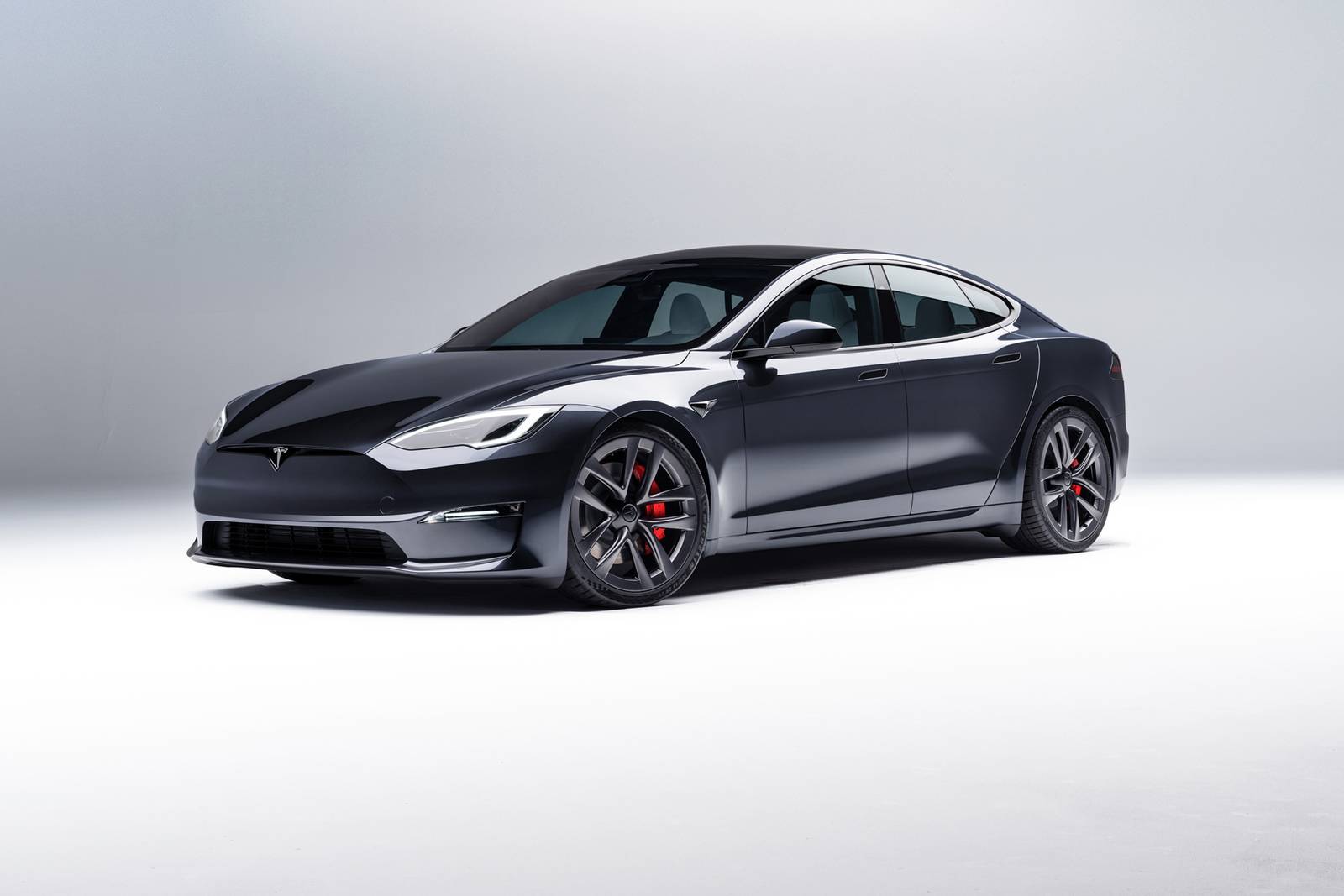
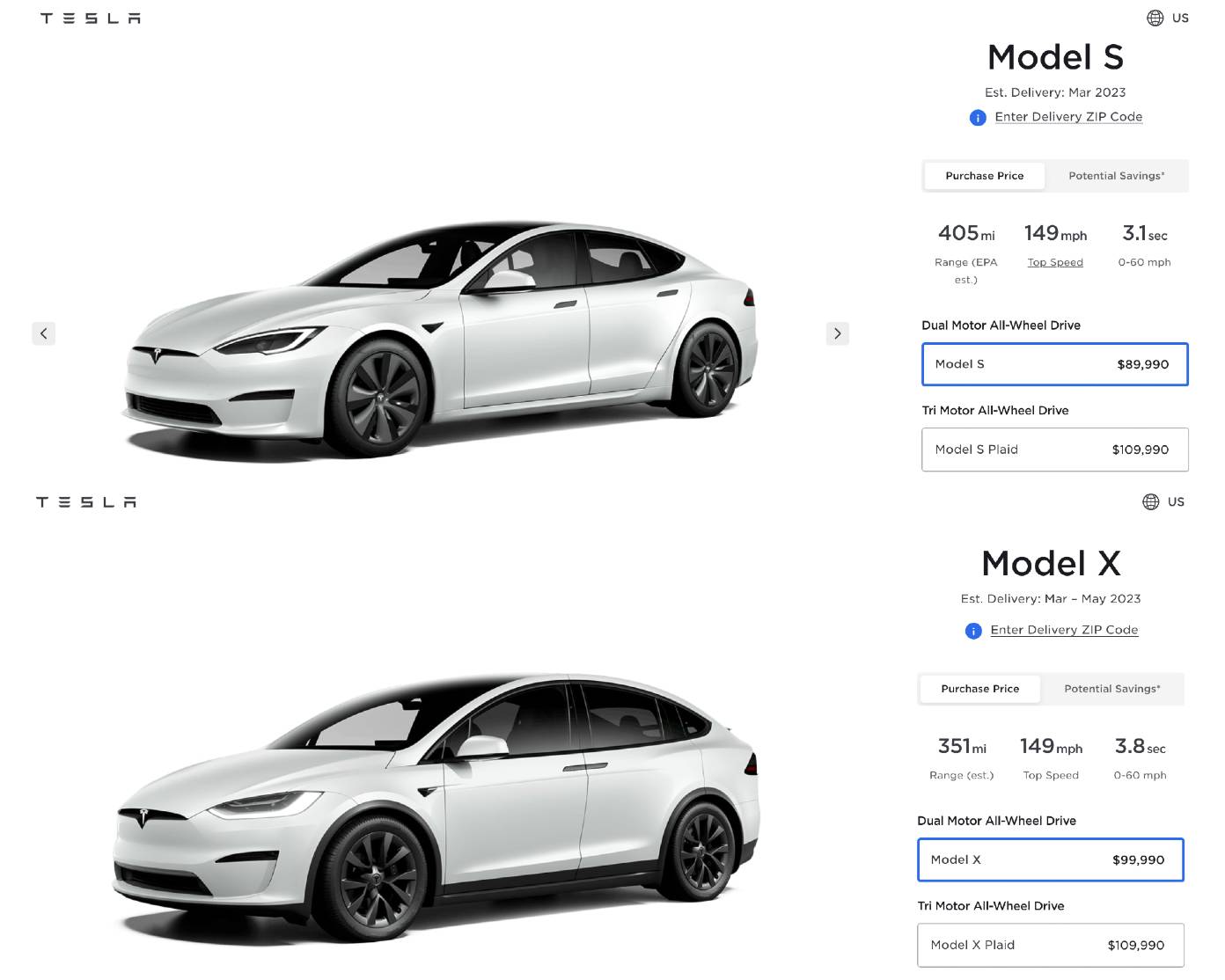
The base cost of a Tesla Model S is determined primarily by the choice between two distinct configurations: the Dual Motor All-Wheel Drive (Standard) and the Tri-Motor Plaid. In recent years, Tesla has frequently adjusted its pricing strategy to remain competitive in a crowded luxury EV market, meaning the “out-the-door” price can fluctuate based on market timing.
The Standard Model S
As of current market valuations, the standard Tesla Model S typically starts in the range of $74,990. This version provides an impressive balance of range and performance, offering an estimated 402 miles on a single charge. For the average professional, this is the most common entry point. When factoring in document fees, destination charges (usually around $1,390), and order fees, the “cash price” before taxes often lands near $76,500.
The Model S Plaid
For those seeking peak performance, the Model S Plaid starts at approximately $89,990. This trim level is designed for high-net-worth individuals who prioritize speed—achieving 0-60 mph in 1.99 seconds—over marginal cost savings. The Plaid carries a significant premium, and while it holds its status as a technological marvel, from a strict utility-per-dollar perspective, the standard model often presents a stronger financial case for daily commuting and executive travel.
Customizations and Upgrades
Beyond the base trims, several financial variables can drive the price upward. Aesthetic choices, such as 21-inch Arachnid wheels ($4,500) or premium paint colors like Ultra Red ($2,500), add to the non-recoverable cost of the vehicle. Perhaps the most significant financial decision is the inclusion of “Full Self-Driving” (FSD) capability. Priced at a one-time cost of $8,000 (subject to change) or available via a monthly subscription of $99, FSD is a controversial asset. From an investment standpoint, software upgrades rarely hold 100% of their value on the secondary market, making the subscription model a more flexible choice for those wary of long-term depreciation.
Incentives, Tax Credits, and Rebates: Offsetting the Sticker Price
While the MSRP of a Tesla Model S is high, the effective cost can be mitigated through various government programs and tax strategies. Understanding these financial levers is essential for maximizing the value of the purchase.
Federal EV Tax Credits
Under the Inflation Reduction Act, the federal tax credit for new EVs is capped at an MSRP of $55,000 for sedans. Because the Model S starts well above this threshold, it generally does not qualify for the $7,500 consumer tax credit when purchased for personal use. However, there is a “lease loophole.” Section 45W of the Internal Revenue Code allows commercial entities to claim a credit for “clean vehicles.” Many leasing companies pass this $7,500 savings directly to the consumer in the form of lower monthly payments, making leasing a potentially more attractive financial move than a direct purchase.
State-Level Incentives
Depending on your primary residence, state incentives can further reduce the financial burden. States like Colorado, California, and Massachusetts offer varying rebates or tax credits ranging from $1,000 to $5,000. Additionally, some states provide sales tax exemptions for EVs. For a $75,000 vehicle, a sales tax exemption in a state with a 6% rate results in an immediate $4,500 saving—a crucial factor when calculating the true net cost.
Corporate Tax Benefits for Business Owners
For business owners and self-employed professionals, the Model S can serve as a potent tax shield. If the vehicle is used more than 50% for business purposes, it may qualify for accelerated depreciation under Section 179 or bonus depreciation. Although the Model S does not meet the 6,000-pound GVWR (Gross Vehicle Weight Rating) required for the full “hummer tax loophole,” it still allows for significant write-offs over a five-year period. Consult with a tax professional to determine how the Model S can lower your taxable income.
The Total Cost of Ownership (TCO) vs. Internal Combustion Engines
To truly answer “how much” a Tesla Model S costs, one must look at the operational expenses over a five-to-ten-year horizon. This is where the EV value proposition often outshines traditional luxury sedans like the Mercedes-Benz E-Class or the BMW 5 Series.
Fuel Savings Analysis
The primary financial benefit of the Model S is the elimination of gasoline expenses. On average, charging a Tesla at home costs significantly less than fueling an internal combustion engine (ICE) vehicle. If the average electricity rate is $0.15 per kWh, fully charging a 100 kWh Model S battery costs $15 for roughly 400 miles of range. In contrast, a luxury ICE vehicle achieving 25 mpg would require 16 gallons of premium fuel to cover the same distance. At $4.50 per gallon, that is $72. For a driver covering 15,000 miles per year, the Model S yields approximately $2,100 in annual fuel savings. Over five years, this amounts to over $10,000 in retained capital.
Maintenance and Long-Term Reliability
The mechanical simplicity of the Model S is a long-term financial advantage. Without oil changes, spark plugs, timing belts, or complex transmission systems, the scheduled maintenance costs are remarkably low. Tesla’s regenerative braking system also extends the life of brake pads and rotors, often lasting two to three times longer than those on conventional cars. However, owners must budget for tires. The Model S is a heavy, high-torque vehicle, which can lead to faster tire wear. A set of high-quality tires for a Model S can cost between $1,200 and $1,800, which should be factored into the annual maintenance fund.
Insurance Premiums for High-Value EVs
A frequently overlooked expense in the “Money” category of car ownership is insurance. The Tesla Model S often carries higher insurance premiums than its ICE counterparts. This is due to several factors: the high cost of aluminum body repairs, the specialized nature of the battery pack, and the vehicle’s high performance. On average, insuring a Model S can cost between $2,500 and $4,500 annually, depending on the driver’s profile and location. Potential buyers should obtain insurance quotes prior to purchase to ensure these recurring costs don’t disrupt their monthly cash flow.
Financing and Leasing Strategies
How you pay for a Model S can be just as important as what you pay. In a fluctuating interest rate environment, selecting the right financing structure is a vital component of the financial strategy.
Traditional Loans and Interest Rates
For those with excellent credit, Tesla often offers competitive financing directly through its partners. However, in an era of higher federal interest rates, a 60-month or 72-month loan can add thousands of dollars in interest to the total price. A $70,000 loan at 6% interest over 60 months results in approximately $11,200 in interest payments. Borrowers should weigh the benefits of a large down payment to minimize interest drag on their net worth.
The Pros and Cons of Leasing a Model S
Leasing a Model S is an effective way to hedge against technological obsolescence and price volatility. Tesla’s frequent price cuts have historically impacted the resale value of older models. By leasing, the consumer shifts the residual value risk to Tesla. While you do not build equity in a lease, the lower monthly payments and the ability to capitalize on the $7,500 commercial tax credit (as mentioned earlier) can make leasing a smarter cash-flow play for many professionals.
Resale Value and Depreciation Curves
Depreciation is the largest “hidden” cost of any luxury vehicle. Historically, Teslas held their value better than most cars due to over-the-air updates and high demand. However, as the market has matured and supply has increased, the Model S now follows a more traditional luxury depreciation curve, losing roughly 40-50% of its value over the first three to four years. For those looking to minimize this cost, purchasing a certified pre-owned (CPO) Model S that is two to three years old can be an excellent financial move, allowing the first owner to absorb the steepest part of the depreciation curve.
Is the Tesla Model S a Sound Financial Decision?
Determining the value of a Tesla Model S requires looking at the vehicle not just as a mode of transport, but as a component of one’s financial ecosystem.
Evaluating the Opportunity Cost
When spending $75,000 to $90,000 on a vehicle, one must consider the opportunity cost. If that capital were instead invested in a diversified index fund yielding a conservative 7% annually, it would grow significantly over a decade. A Model S is a depreciating asset, not an investment. Therefore, the decision to purchase should be framed as a lifestyle expense that is “optimized” rather than a way to grow wealth. The “profit” comes from the savings in time (Supercharging vs. gas stations), the tax advantages, and the reduced operational costs.
Long-Term Asset vs. Liability
Ultimately, the Tesla Model S is a high-cost asset that offers unique ways to recoup value. For the high-income earner who can leverage tax credits, utilize business write-offs, and benefit from low fuel and maintenance costs, the Model S can be a surprisingly efficient choice compared to other luxury vehicles. However, for those on a strict budget, the higher insurance costs and potential for rapid depreciation mean that the “true cost” of a Model S is often higher than the monthly loan payment suggests.
In summary, the sticker price of $74,990 is only the beginning of the story. By carefully navigating the landscape of incentives, financing, and operational savings, you can transform the purchase of a Model S from a simple luxury buy into a calculated financial decision that serves your broader economic goals.
aViewFromTheCave is a participant in the Amazon Services LLC Associates Program, an affiliate advertising program designed to provide a means for sites to earn advertising fees by advertising and linking to Amazon.com. Amazon, the Amazon logo, AmazonSupply, and the AmazonSupply logo are trademarks of Amazon.com, Inc. or its affiliates. As an Amazon Associate we earn affiliate commissions from qualifying purchases.