
In the landscape of North American professional sports, the question of “when” a championship occurs is rarely a matter of mere convenience. For Major League Soccer (MLS), the scheduling of the MLS Cup Final is a sophisticated financial calculation, designed to navigate a crowded media market, satisfy billion-dollar broadcast partners, and maximize the fiscal yields for participating franchises. As the league continues its trajectory toward becoming a top-tier global football entity, the timing of its flagship event serves as the cornerstone of its annual revenue cycle.
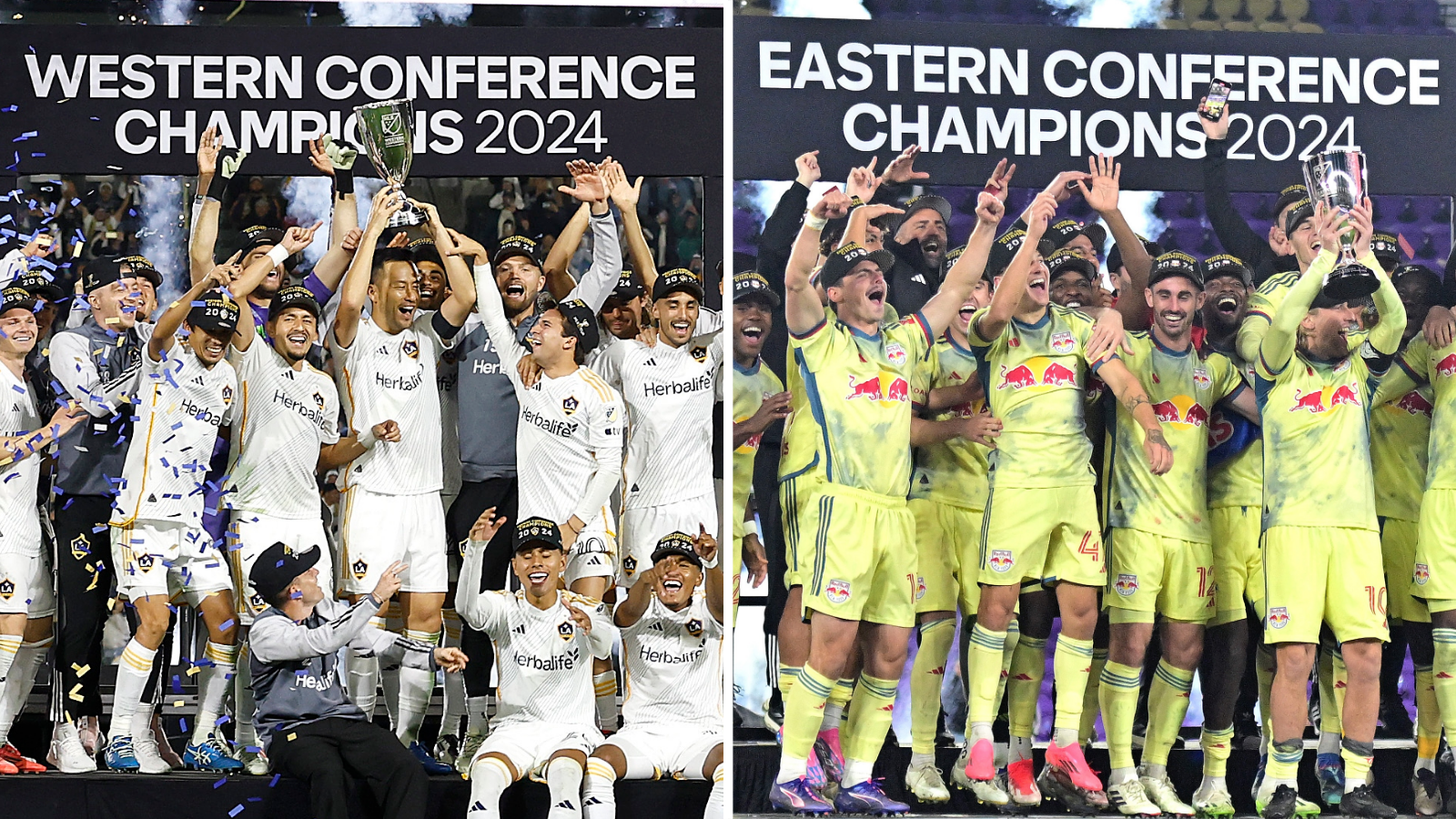
Determining the date of the MLS Cup Final—typically falling in early December—is a strategic maneuver that balances the demands of the $2.5 billion Apple TV broadcast deal with the logistical realities of a 29-team continental league. To understand the significance of this timing, one must look beyond the pitch and into the balance sheets, sponsorship portfolios, and expansion valuations that define the modern era of American soccer.
The Strategic Timing of the MLS Cup: A Multi-Million Dollar Scheduling Decision
The placement of the MLS Cup Final in the fourth quarter of the fiscal year is no accident. While the league began its journey in the mid-90s with various scheduling experiments, the current “December Window” has been optimized for revenue protection and market share acquisition.
Avoiding the “NFL Shadow” and Media Congestion
The primary financial obstacle for any North American sports league is the dominance of the National Football League (NFL) and the surge of college football. By positioning the MLS Cup Final in early December, the league identifies a specific “soft spot” in the sports calendar. It occurs after the conclusion of the college football regular season and before the saturated “Bowl Season” and NFL playoffs begin in earnest.
This window is critical for advertising rates. Brands looking for high-impact live sports placements in Q4—traditionally the highest-spending quarter for consumer goods—find the MLS Cup Final to be a premium asset. If the final were held in October, it would compete directly with the MLB World Series; if it moved to January, it would be buried under the weight of the NFL postseason. The current timing ensures that the league can command higher “spot rates” for its remaining linear television slots and drive peak viewership numbers for its digital partners.
The Apple TV Era: Subscription Spikes and Churn Management
With the commencement of the 10-year, $2.5 billion partnership with Apple, the “when” of the final has taken on a new digital dimension. Unlike traditional cable models, the success of the MLS Season Pass on Apple TV is measured by subscriber acquisition and retention. The MLS Cup Final serves as the ultimate “conversion event.”
The league and Apple strategically utilize the playoffs leading up to the final to drive mid-season subscription sign-ups. The final itself acts as the “Grand Finale” that justifies the annual subscription fee for casual fans. From a business finance perspective, the timing of the final in December allows Apple to report strong year-end subscriber numbers, while the subsequent off-season provides a window to market “early bird” renewals for the following spring.
The Financial Stakes for Participating Clubs: Beyond the Trophy
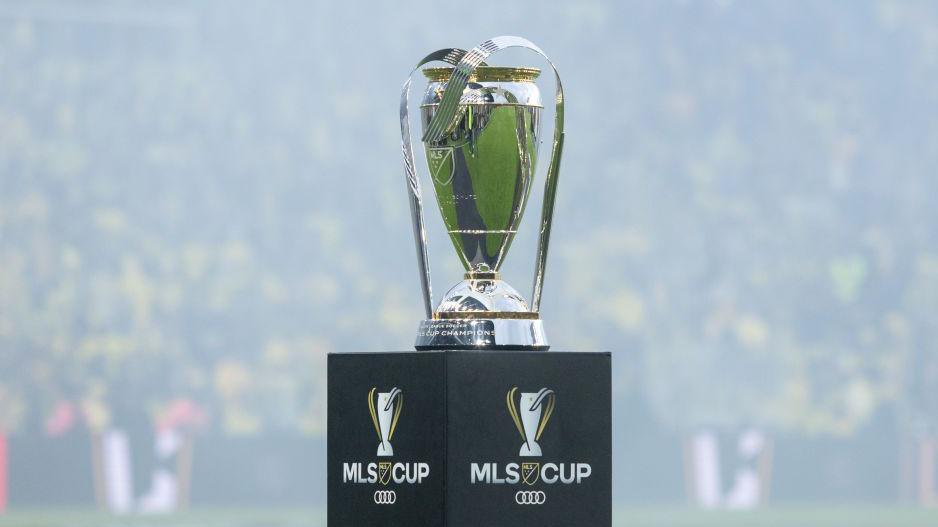
For the two clubs that reach the MLS Cup Final, the match represents a massive influx of immediate and long-term capital. While the prestige of the Philip F. Anschutz Trophy is the primary motivator for players, the front office views the final as a vehicle for exponential valuation growth.
Prize Money and Performance-Based Incentives
While MLS prize pools are modest compared to the English Premier League, the fiscal rewards for the winner are multifaceted. The direct prize money is supplemented by qualification for the CONCACAF Champions Cup. Participation in international tournaments opens up additional revenue streams through gate receipts, international broadcast rights, and performance bonuses from kit manufacturers like Adidas.
Furthermore, most player contracts and technical staff agreements include performance-based escalators. Winning a championship can trigger “success fees” from sponsors, but more importantly, it allows the club to renegotiate local sponsorship deals from a position of strength. A championship star above the crest is a permanent marketing asset that increases the retail value of jersey sales and licensed merchandise by an average of 15-25% in the following fiscal year.
Franchise Valuation and Investor Confidence
In the last decade, MLS expansion fees have skyrocketed from $40 million to $500 million (as seen with the San Diego expansion). For current owners, the MLS Cup Final is a high-visibility proof of concept. Reaching the final validates the club’s sporting and financial model, leading to higher valuations in the event of a minority stake sale.

Success in the final also impacts the “Messi Effect” and similar Designated Player (DP) strategies. When a club can demonstrate a championship-winning infrastructure, it reduces the “risk premium” required to attract high-value global talent. The financial ripple effect of a final appearance can be seen in the ability to hike Season Ticket Member (STM) prices for the subsequent season, often with minimal churn due to the high demand generated by a championship run.
Local Economic Impact and the Business of Hosting
Unlike many other major sports that use neutral sites for their championships (such as the Super Bowl), the MLS Cup Final is hosted by the finalist with the higher regular-season points total. This “Home Field Financial Advantage” creates a high-stakes lottery for host cities.
Tourism, Hospitality, and the “Match-Day Multiplier”
When a city is confirmed as the host of the MLS Cup Final, the local economy experiences an immediate “pop.” Hotel occupancy rates in the host city typically see a significant uptick, particularly in the luxury segment as league officials, sponsors, and international media descend on the location.
Economic impact studies of previous finals have shown that the event can generate between $15 million and $25 million in direct spending for the host city over a 48-hour period. This includes hospitality revenue, local transportation usage, and “experiential spending” in fan zones. For small-to-mid-market cities, hosting the final is a major economic development win that showcases the city’s infrastructure to potential corporate relocations and future investors.
Secondary Market Ticket Dynamics and Premium Seating
The business of ticketing for the MLS Cup Final has evolved into a sophisticated yield-management exercise. Because the host is determined only weeks in advance, the “scarcity factor” drives secondary market prices to record highs. Platforms like SeatGeek (the league’s official partner) see massive spikes in traffic, with average ticket prices often exceeding $500, and “pitch-side” or luxury suite inventory selling for tens of thousands of dollars.
For the host club, the final is the highest-margin match of the year. While the league takes a percentage of the gate, the club retains significant revenue from food and beverage, parking, and on-site retail. The “per-cap” spending (the average amount a fan spends inside the stadium) during a final is typically 30-50% higher than a regular-season match, as fans treat the event as a “once-in-a-lifetime” experience.
The Sponsorship Engine: Leveraging the Final for Long-Term Partnerships
The MLS Cup Final is the primary “activation” point for the league’s blue-chip partners. Companies like Audi, Adidas, Apple, and Continental Tire utilize the final to execute large-scale marketing campaigns that have been budgeted and planned since Q1.
Commercial Activations and Integrated Marketing
The final serves as the climax of the “Audi MLS Cup Playoffs,” a title sponsorship that represents a significant portion of the league’s commercial revenue. For Audi, the timing of the final aligns with year-end sales events in the automotive industry. The integration of the brand into the trophy presentation and the MVP award is a masterclass in “associative branding,” where the luxury and performance of the vehicles are linked to the elite performance of the athletes.
Moreover, the final provides a global stage for Adidas to showcase next-season gear. The “financial tail” of the final includes the launch of championship-specific apparel, which often becomes a top-selling category in the MLS online store during the holiday shopping season.
Global Media Rights and International Monetization
While the domestic focus is on Apple TV, the MLS Cup Final is broadcast in over 100 countries. The international distribution of the final is a key component of the league’s strategy to increase its “Global Media Wealth.” By delivering a high-quality, high-stakes final in a December window—when many European leagues are entering their grueling winter schedules or mid-season breaks—MLS captures the attention of global betting markets and international football fans.
This international visibility is a crucial metric for the league’s business development team as they negotiate future global sponsorships. The ability to prove a consistent, growing audience for the final allows the league to command higher “International Rights” fees, which are then distributed back to the individual clubs, increasing their operational budgets for the following year.
In conclusion, the question of “when is the MLS Cup final” is answered by a complex web of financial variables. From the Q4 advertising cycles and the Apple TV subscription model to the local economic windfalls for host cities and the elevation of franchise valuations, every aspect of the final’s timing is designed to maximize the economic footprint of Major League Soccer. As the league approaches the 2026 World Cup on North American soil, the financial significance of the MLS Cup Final will only continue to grow, solidifying its place as a cornerstone of the multi-billion dollar sports economy.
aViewFromTheCave is a participant in the Amazon Services LLC Associates Program, an affiliate advertising program designed to provide a means for sites to earn advertising fees by advertising and linking to Amazon.com. Amazon, the Amazon logo, AmazonSupply, and the AmazonSupply logo are trademarks of Amazon.com, Inc. or its affiliates. As an Amazon Associate we earn affiliate commissions from qualifying purchases.