
To understand the trajectory of modern retail, one must look at the timeline of Lululemon Athletica. Founded in 1998, Lululemon is currently 26 years old—a quarter-century of existence that has seen it transform from a niche yoga studio in Vancouver into a multi-billion-dollar global juggernaut. However, the age of the brand is less about the chronological years and more about the strategic evolution it underwent to redefine the relationship between fitness, fashion, and community.
In the late 1990s, the concept of “athleisure” did not exist. Exercise gear was purely functional, often overlooked, and largely dominated by masculine-coded legacy brands like Nike and Adidas. Lululemon’s entry into the market in 1998 marked a seismic shift in brand strategy, prioritizing a specific lifestyle aesthetic that merged high-performance technical gear with daily casual wear. By examining its history through the lens of brand identity and market positioning, we can see how Lululemon didn’t just grow old; it grew essential.
The Genesis of Athleisure: Lululemon’s Founding Years (1998–2005)
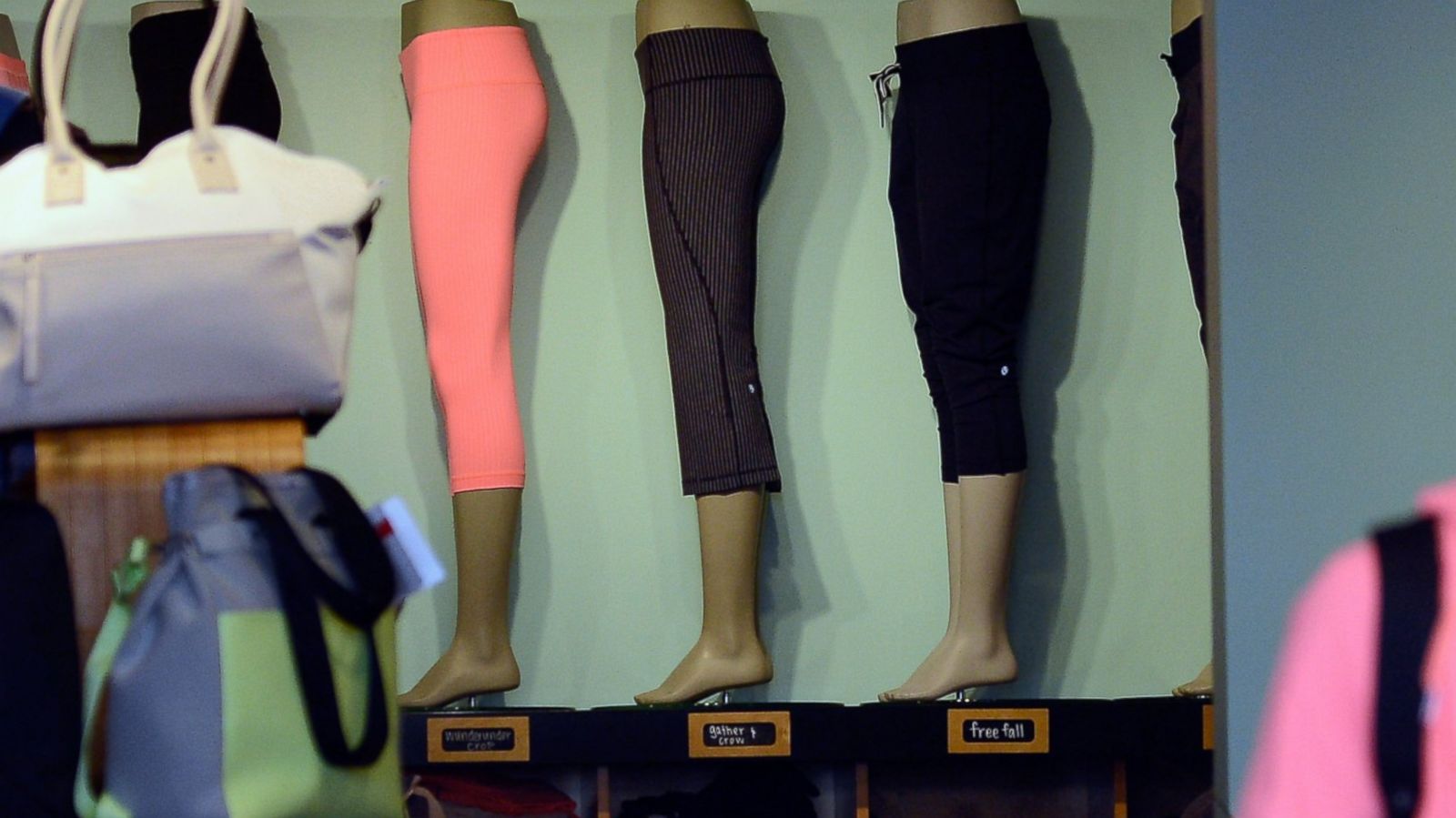
The story of Lululemon began in Vancouver, British Columbia, when founder Chip Wilson noticed a gap in the market while attending a yoga class. At the time, participants were wearing cotton clothing that became heavy and uncomfortable when wet. Wilson, who had a background in technical apparel for surfing and snowboarding, saw an opportunity to apply high-tech fabrics to the burgeoning yoga movement.
The Community-Centric Retail Model
From its inception in 1998, Lululemon was never intended to be a traditional retailer. Its first location served as a design studio by day and a yoga studio by night. This dual-purpose space was a masterclass in grassroots brand building. By hosting classes, the brand didn’t just sell products; it fostered a community of “brand enthusiasts” who felt a personal connection to the space and the people within it.
This strategy allowed Lululemon to bypass traditional advertising during its early years. Instead of expensive television spots, the brand relied on its “Ambassador Program,” partnering with local yoga instructors and fitness influencers. These ambassadors were given free gear in exchange for providing feedback on product performance and hosting community events. This created a cycle of authentic advocacy that solidified Lululemon’s status as a premium, insider brand long before “influencer marketing” became a buzzword.
The Birth of the “Super Girl” Persona
In the early 2000s, Lululemon’s brand strategy was famously driven by a specific target demographic profile known as the “Super Girl.” This was a persona of a successful, professional woman in her early 30s who valued health, fitness, and career. By narrowing their focus to this specific archetype, Lululemon created an aspirational identity. Owning a pair of their leggings wasn’t just about having yoga pants; it was a signal of one’s belonging to a certain socioeconomic and health-conscious tribe. This level of psychological branding allowed the company to command premium prices that were unprecedented in the fitness apparel industry at the time.
Building a Lifestyle Identity: Beyond the Yoga Mat
As Lululemon entered its second decade, its brand identity began to transcend its yoga roots. The transition from a “yoga brand” to a “lifestyle brand” was a deliberate move to ensure long-term scalability. This period involved a deep dive into corporate identity and a commitment to a set of values that resonated with a global audience.
The Power of the Brand Manifesto
Lululemon is perhaps as famous for its “Manifesto” as it is for its leggings. The manifesto—a collection of affirmations and life advice printed on their iconic reusable shopping bags—served as a core pillar of their corporate identity. Phrases like “Do one thing a day that scares you” and “Friends are more important than money” turned a simple shopping experience into a philosophical engagement.
While critics sometimes dismissed this as “corporate yoga speak,” it was a highly effective marketing tool. It transformed the consumer from a buyer into a participant in a larger movement. This strategy of “mission-driven branding” ensured that customers felt they were supporting a brand that cared about their personal growth, not just their workout routine.
Vertical Integration and Premium Positioning
A key component of Lululemon’s brand health over the last 25 years has been its commitment to vertical integration. By controlling the design, manufacturing, and retail experience, the brand maintained an aura of exclusivity. You couldn’t find Lululemon in big-box sporting goods stores; you had to go to a Lululemon boutique. This scarcity, combined with high-quality technical fabrics like Luon and later Nulu, justified the $100+ price tag for leggings.

The brand’s focus on technical innovation allowed it to maintain a competitive moat. They weren’t just making clothes; they were engineering “solutions” for the human body in motion. This emphasis on “Science of Feel” became a core part of their marketing language, positioning the brand at the intersection of luxury fashion and high-performance technology.
Scaling the Brand: Strategic Expansion and Resilience
As Lululemon moved toward its 20th anniversary and beyond, it faced the challenge of maintaining its “boutique” feel while operating as a global powerhouse. This required a sophisticated expansion strategy that included diversifying their product lines and entering new international markets.
The Diversification into Men’s and Footwear
For much of its early history, Lululemon was perceived as a women’s brand. To sustain growth, the company had to pivot. The launch of the men’s line and, more recently, the entry into the footwear market, represented a significant shift in brand strategy.
The challenge was to translate the “community and mindfulness” ethos to a male audience without alienating their core female customer base. They achieved this by focusing on “the office-to-gym” transition, creating versatile pieces like the ABC (Anti-Ball Crushing) pant, which combined the comfort of athletic wear with the aesthetics of professional attire. This move effectively doubled the brand’s total addressable market and solidified its position as a holistic lifestyle provider.
Navigating PR Crises and Brand Recovery
No brand reaches 26 years of age without facing significant hurdles. Lululemon’s history includes high-profile PR crises, most notably the 2013 “sheer leggings” controversy and controversial statements made by founder Chip Wilson. These moments tested the strength of the brand’s equity.
The company’s recovery was a textbook example of corporate resilience. By leaning into transparency, issuing recalls, and eventually transitioning to new leadership under CEOs like Laurent Potdevin and later Calvin McDonald, the brand managed to rebuild trust. They pivoted back to their core strengths: product innovation and community engagement. This period of crisis actually served to strengthen the brand’s internal culture, forcing a move toward a more inclusive and professionally managed corporate identity.
The Future of Lululemon: Sustaining a Multi-Decade Legacy
Today, at 26 years old, Lululemon is no longer a newcomer; it is a market leader that other brands desperately try to emulate. Its longevity is a testament to the power of a clearly defined brand strategy and the ability to adapt to changing consumer behaviors.
Digital Transformation and the “Sweatlife” Ecosystem
In the post-pandemic era, Lululemon has doubled down on its digital strategy. The acquisition of Mirror (though later pivoted to a content-partnership model) and the launch of the Lululemon Studio app demonstrate an understanding that the future of branding is experiential. The goal is to own the “Sweatlife”—a term the brand uses to describe the intersection of sweat, connection, and personal growth.
By offering digital classes and community memberships, Lululemon is moving toward a subscription-based ecosystem. This creates recurring touchpoints with the consumer, ensuring that the brand remains top-of-mind even when a customer isn’t in need of new apparel. This digital integration is the next frontier in keeping the brand relevant for another 25 years.

Lessons for Modern Brand Strategy
The history of Lululemon offers several critical takeaways for brand builders and marketers:
-
Community Over Transactions: By prioritizing local ambassadors and in-store experiences, Lululemon built a loyal base that survives market fluctuations.
-
Psychological Positioning: They didn’t sell pants; they sold the “Super Girl” lifestyle and the “Science of Feel.”
-
Adaptive Innovation: From yoga to running, men’s wear to shoes, the brand successfully expanded its identity without losing its core DNA.
-
Premium Consistency: By maintaining a vertically integrated model, they preserved the “prestige” of the brand even as they scaled globally.
Lululemon’s journey from a 1998 startup to a 2024 industry titan proves that age is a byproduct of relevance. By continuously innovating their product and deepening their connection with their community, Lululemon has managed to stay perpetually “young” in the eyes of the consumer, even as it enters its third decade of operation. As the brand looks toward the future, its focus remains the same: balancing technical excellence with a profound understanding of the human desire for belonging and self-improvement.
aViewFromTheCave is a participant in the Amazon Services LLC Associates Program, an affiliate advertising program designed to provide a means for sites to earn advertising fees by advertising and linking to Amazon.com. Amazon, the Amazon logo, AmazonSupply, and the AmazonSupply logo are trademarks of Amazon.com, Inc. or its affiliates. As an Amazon Associate we earn affiliate commissions from qualifying purchases.