
The landscape of personal finance has undergone a seismic shift over the last decade, driven largely by the rise of financial technology (fintech) solutions that challenge traditional credit structures. At the forefront of this revolution is Klarna, a Swedish-based powerhouse that has redefined the “Buy Now, Pay Later” (BNPL) model. For consumers looking to manage their cash flow without the high-interest burdens of traditional credit cards, the question of “who accepts Klarna” is more than a matter of convenience—it is a strategic financial inquiry.
Today, Klarna is accepted by hundreds of thousands of retailers globally, ranging from multi-national fashion houses to niche technology providers and even essential service industries. Understanding the breadth of this network, as well as the underlying financial mechanics of the platform, is essential for any modern consumer aiming to optimize their spending and maintain a healthy balance sheet.
Major Retailers and Industry Adoption
Klarna’s merchant network is vast, encompassing a significant portion of the e-commerce market. The company has moved beyond its initial roots in fashion to become a ubiquitous payment option across several key sectors.
Fashion and Apparel
The fashion industry was the first to embrace Klarna, recognizing that the “Pay in 4” model perfectly aligns with seasonal shopping habits. Major players in this space include:
-
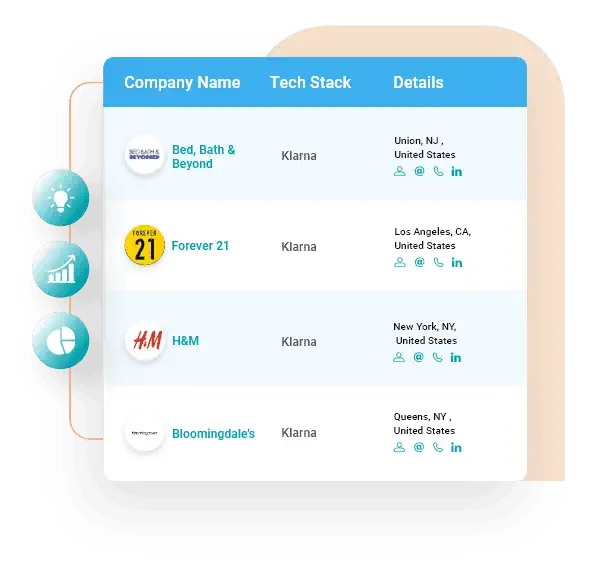
H&M and Zara: As pillars of fast fashion, these brands allow shoppers to spread the cost of wardrobe refreshes over several weeks.
-
Nike and Adidas: The athletic wear giants have integrated Klarna to help consumers manage the high cost of premium footwear and performance gear.
-
ASOS and Shein: Digital-native retailers heavily rely on Klarna’s seamless checkout experience to reduce cart abandonment and increase average order values.
-
Luxury Brands: Increasingly, luxury platforms like Farfetch and Saks Fifth Avenue are offering Klarna, recognizing that even high-net-worth individuals appreciate the liquidity management that BNPL provides for large-ticket purchases.
Electronics and Technology
As hardware costs rise, the ability to finance technology purchases has become a priority for many households. Klarna is now a standard option for:
-
Samsung: Consumers can purchase high-end smartphones and appliances through Klarna’s financing options.
-
Microsoft: The tech giant offers BNPL for its Surface line and Xbox consoles.
-
Lenovo and HP: For students or professionals needing to invest in computing power, these brands provide a way to mitigate the upfront financial hit.
Home, Beauty, and Lifestyle
The expansion of Klarna into daily lifestyle categories has been rapid.
-
Home Goods: Retailers like Wayfair, West Elm, and Bed Bath & Beyond (online) allow for the financing of furniture, which often represents a significant capital outlay.
-
Beauty: Sephora and Ulta have integrated Klarna, tapping into the high-frequency, lower-value transactions of the beauty industry.
-
Travel: In a significant move for the fintech industry, Klarna has partnered with travel platforms like Expedia and Airbnb (in certain regions), allowing travelers to book flights and accommodation while spreading the cost over time.
Beyond Direct Integration: The Power of the Klarna App
A common misconception is that a consumer can only use Klarna if they see the pink logo at a merchant’s checkout page. However, Klarna has developed sophisticated financial tools that allow its users to shop almost anywhere, even at retailers that do not have a formal partnership with the company.
The One-Time Virtual Card
The centerpiece of Klarna’s flexibility is the “One-Time Card” feature available within the Klarna app. This tool allows users to generate a virtual Visa card for a specific amount. Because it operates on the Visa network, it can be used at virtually any online merchant that accepts credit cards. This effectively expands the “who accepts Klarna” list to include Amazon, Walmart, and thousands of independent boutiques.
The Klarna Browser Extension
For desktop shoppers, the Klarna browser extension provides a similar level of accessibility. It automatically detects checkouts and offers the option to pay in installments, regardless of whether the store has a direct Klarna integration. This tool is particularly useful for price comparison and coupon hunting, as it integrates these financial perks into the checkout flow.
In-Store Payments
The gap between online and offline shopping is also closing. Through the app, users can create in-store QR codes or add their Klarna virtual card to Apple Pay or Google Pay. This allows for the use of BNPL at physical point-of-sale terminals in brick-and-mortar stores, providing the same financial flexibility found in e-commerce.

The Financial Mechanics: How Klarna Works for Your Budget
To understand who accepts Klarna and why it matters, one must understand the various financial products the platform offers. Not every merchant supports every Klarna payment plan, and the choice of plan can significantly impact a consumer’s credit profile and interest expenses.
Pay in 4
This is the most popular Klarna product. The total purchase price is split into four equal installments. The first is paid at the time of purchase, and the remaining three are charged every two weeks. For the consumer, this is typically interest-free and does not involve a hard credit check, making it an attractive tool for short-term liquidity management without the risks associated with revolving credit.
Pay in 30 Days
Often used in the fashion industry, this allows consumers to “try before they buy.” The user has 30 days to decide if they want to keep the items before the payment is due. If items are returned within that window, the balance is cleared. This is a powerful tool for cash flow optimization, as it prevents money from being tied up in return cycles.
Monthly Financing
For larger purchases, such as high-end electronics or furniture, Klarna offers traditional financing plans that can stretch from 6 to 36 months. Unlike the “Pay in 4” model, this often carries an Annual Percentage Rate (APR) and requires a hard credit check. This product competes directly with traditional personal loans and credit cards, often offering more competitive rates for those with strong credit scores.
Strategic Personal Finance: Why Merchants and Consumers Choose BNPL
The widespread acceptance of Klarna is driven by a symbiotic relationship between merchant goals and consumer financial needs.
For the Consumer: Liquidity and Predictability
In an era of economic volatility, maintaining liquidity is a high priority. Klarna allows consumers to keep more cash in their high-yield savings accounts or investment portfolios for longer, rather than parting with it all at the moment of purchase. Furthermore, the fixed installment schedule of BNPL provides a level of predictability that credit cards—with their varying interest charges and minimum payments—often lack. It turns a large, daunting expense into a manageable line item in a monthly budget.
For the Merchant: Higher Conversion and Loyalty
From a business finance perspective, accepting Klarna is a strategic move to drive growth. Data consistently shows that offering BNPL leads to higher conversion rates and a higher Average Order Value (AOV). When consumers are given the option to pay in installments, they are more likely to upgrade to a premium version of a product or add additional items to their cart. Additionally, Klarna’s robust marketing ecosystem drives “warm” leads to merchants through the app’s discovery features.
Risks and Responsibilities in the BNPL Era
While the question “who accepts Klarna” opens a world of purchasing possibilities, it also necessitates a discussion on financial responsibility. The ease of BNPL can lead to “debt stacking,” where a consumer has multiple small installments across different platforms that, in aggregate, exceed their monthly discretionary income.
Impact on Credit Scores
While Klarna’s short-term products typically only involve a soft credit pull—which does not affect a credit score—late payments can still be reported to credit bureaus, potentially damaging a consumer’s creditworthiness. Conversely, Klarna’s longer-term financing products can help build credit if managed responsibly, as they are treated similarly to installment loans.
Regulatory Oversight and Transparency
The BNPL industry is currently under increased scrutiny from financial regulators like the Consumer Financial Protection Bureau (CFPB). This is leading to greater transparency in terms and conditions, clearer fee structures, and better protections for consumers. For the user, this means that the platforms they use are becoming more standardized and secure, but it also means that the “wild west” era of unregulated fintech credit is coming to a close.
As Klarna continues to expand its merchant network and evolve its financial offerings, it remains a critical tool for the modern consumer. Whether shopping for daily essentials or making a significant lifestyle investment, knowing who accepts Klarna—and how to use it wisely—is a cornerstone of contemporary personal finance management. By leveraging these tools strategically, consumers can enjoy the benefits of modern commerce while maintaining a firm grip on their long-term financial health.
aViewFromTheCave is a participant in the Amazon Services LLC Associates Program, an affiliate advertising program designed to provide a means for sites to earn advertising fees by advertising and linking to Amazon.com. Amazon, the Amazon logo, AmazonSupply, and the AmazonSupply logo are trademarks of Amazon.com, Inc. or its affiliates. As an Amazon Associate we earn affiliate commissions from qualifying purchases.