
Budgeting is often perceived as a restrictive practice—a financial straitjacket designed to limit enjoyment and enforce austerity. However, the reality of effective money management is quite the opposite. A well-constructed budget is a tool for liberation. It provides a clear roadmap for your financial future, ensuring that your spending aligns with your values and long-term objectives. For beginners, the transition from passive spending to intentional allocation can be transformative, moving the needle from financial stress to proactive wealth building.
Understanding how to budget is the foundational skill of personal finance. Without a grasp of where your money goes, it is nearly impossible to save for a home, invest for retirement, or even build an emergency fund. This guide explores the strategic frameworks, practical steps, and psychological shifts required to master your cash flow.
The Foundation of Financial Awareness: Understanding Cash Flow
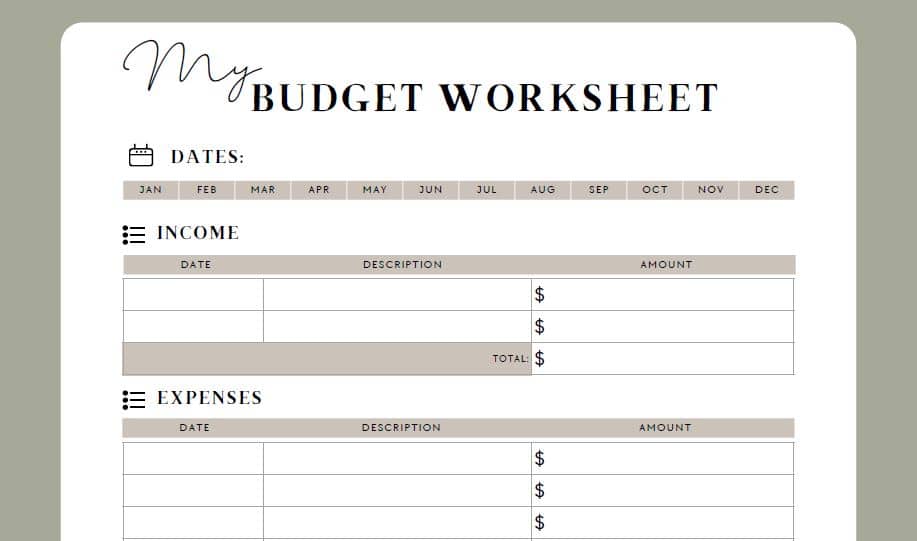
Before adopting a specific budgeting method, you must first understand the mechanics of your cash flow. Cash flow is the movement of money in and out of your accounts. For beginners, the goal is to create a positive cash flow, where your income exceeds your expenses, leaving a surplus for savings and investments.
Identifying Your Net Income
The first step in any budget is identifying exactly how much money you have to work with. Many people make the mistake of budgeting based on their gross salary—the total amount earned before taxes and deductions. This leads to an overestimation of purchasing power. To budget accurately, you must use your “take-home pay” or net income. This is the amount that actually hits your bank account after federal and state taxes, Social Security, and any employer-sponsored benefits like health insurance or 401(k) contributions are deducted.
Fixed vs. Variable Expenses
Once you know your income, you must categorize your outflows. Expenses generally fall into two categories: fixed and variable.
-
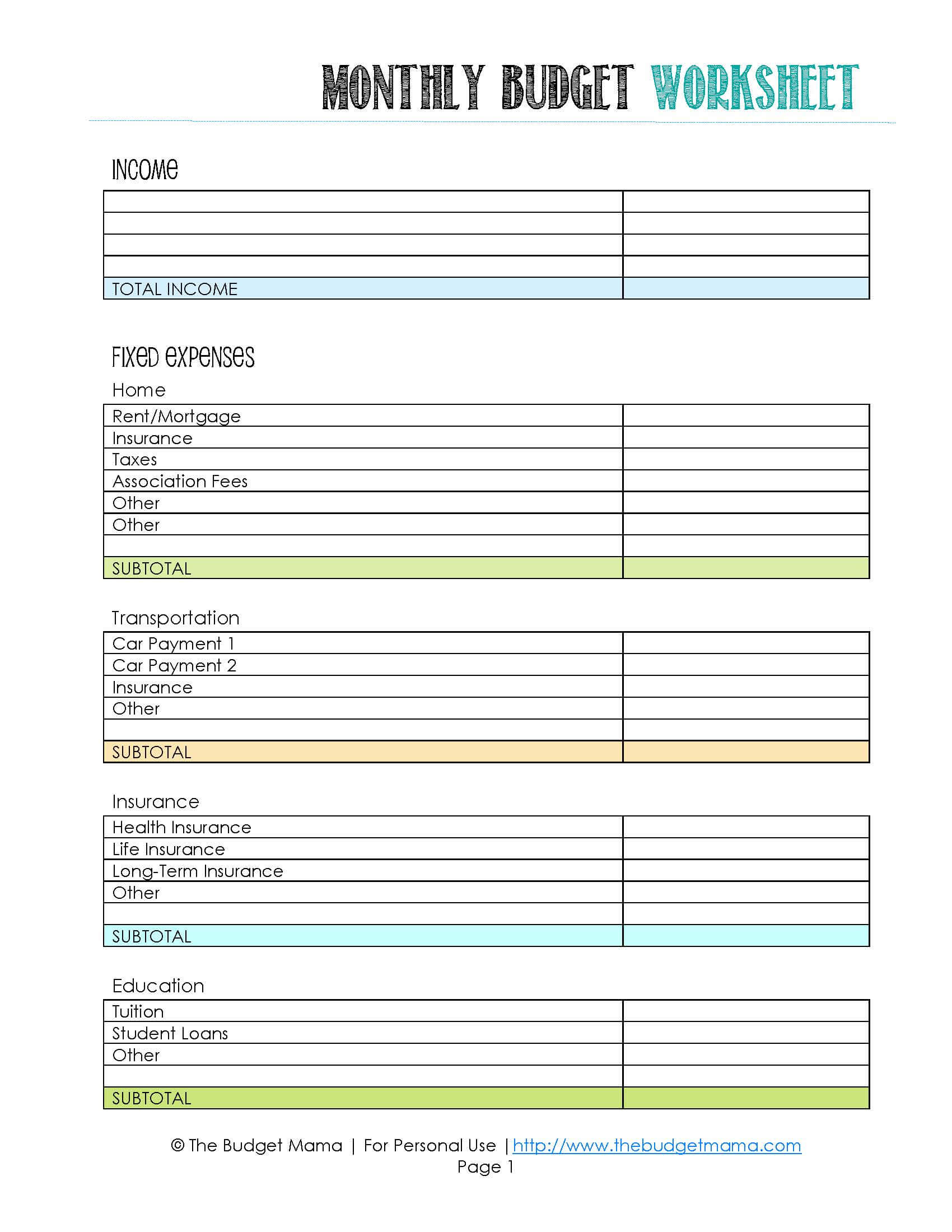
Fixed Expenses: These are recurring costs that remain relatively constant each month. Examples include rent or mortgage payments, car insurance, internet bills, and loan repayments. Because these are predictable, they are the easiest to account for in a budget.
-
Variable Expenses: These fluctuate based on your behavior and needs. This includes groceries, gas, dining out, entertainment, and utilities. Variable expenses are where most budgets succeed or fail, as they require the most discipline and active tracking.
The Role of Discretionary Spending
Discretionary spending refers to “wants” rather than “needs.” While the line between the two can sometimes blur, successful budgeting requires a cold, hard look at what is essential for survival and what is a lifestyle choice. Distinguishing between a high-speed fiber internet connection for work (a need) and a subscription to five different streaming services (a want) is the first step toward reclaiming control over your capital.
Strategic Budgeting Frameworks: Choosing Your System
There is no one-size-fits-all approach to budgeting. The best system is the one you can stick to consistently. For beginners, three primary frameworks stand out due to their clarity and effectiveness.
The 50/30/20 Rule
Popularized by Senator Elizabeth Warren, the 50/30/20 rule is an excellent starting point for those who want a simple, high-level overview of their finances. Under this framework, you divide your after-tax income into three buckets:
-
50% for Needs: This covers housing, utilities, groceries, and minimum debt payments.
-
30% for Wants: This is your “lifestyle” fund, covering hobbies, vacations, and dining out.
-
20% for Savings and Debt Repayment: This portion is strictly for building an emergency fund, investing for retirement, or paying down high-interest debt beyond the minimum requirements.
The beauty of the 50/30/20 rule is its flexibility. It doesn’t require you to track every cent spent on coffee, but it ensures that your major financial priorities are met first.
Zero-Based Budgeting
Zero-based budgeting is a more granular approach where every single dollar of your income is assigned a specific “job” until your total income minus your total expenses equals zero. This does not mean you have zero dollars in your bank account; rather, it means every dollar is accounted for—whether it is going toward rent, a grocery bill, or a brokerage account.
This method is highly effective for those who feel like their money “disappears” at the end of the month. By giving every dollar a destination before the month begins, you eliminate the possibility of mindless spending.
The Envelope System
For those who struggle with overspending on credit or debit cards, the envelope system provides a tactile, old-school solution. You determine a set amount of cash for variable categories (like groceries or entertainment) and place that cash in labeled envelopes. Once the money in the “Dining Out” envelope is gone, you cannot spend any more in that category until the next month. In the digital age, many apps now offer a “digital envelope” version of this system, allowing you to partition your digital funds into specific virtual buckets.
The Step-by-Step Implementation Process

Transitioning from a non-budgeter to a disciplined manager of money involves a specific sequence of actions. Follow these steps to build your first functional budget.
Step 1: Audit Your Financial History
You cannot plan for the future without understanding the past. Look back at the last three months of bank and credit card statements. Categorize every transaction. This audit often reveals surprising patterns, such as unused subscriptions or a higher-than-expected spend on convenience items. The goal here isn’t to judge your past self but to gather the data necessary for an accurate forecast.
Step 2: Define Your Financial Goals
Budgeting without a goal is like driving without a destination; you will eventually run out of gas and give up. Define what you are budgeting for. Short-term goals might include building a $1,000 emergency fund or saving for a holiday. Long-term goals might involve a down payment on a home or achieving a specific net worth. Having these goals written down provides the psychological “why” that helps you say no to impulsive purchases.
Step 3: Create Your Categories
Based on your audit, create your spending categories. Be specific but not overwhelmed. Common categories include:
-
Housing (Rent/Mortgage, Insurance, Taxes)
-
Transportation (Fuel, Maintenance, Public Transit)
-
Food (Groceries, Dining Out)
-
Health (Insurance, Gym, Pharmacy)
-
Personal Care (Clothing, Haircuts)
-
Financial (Debt repayment, Savings, Investments)
Step 4: Execute and Track
Once the month begins, you must track your spending against your budget. Whether you use a sophisticated app, a spreadsheet, or a simple notebook, the act of recording a purchase creates a “friction” that encourages more mindful spending. If you see that you have only $50 left in your grocery budget but it is only the 20th of the month, you know you need to prioritize pantry staples over luxury ingredients.
Step 5: Adjust and Iterate
Your first budget will likely be wrong. You might underestimate your utility costs or forget about a quarterly insurance payment. This is normal. A budget is a living document. At the end of each month, review your performance. If you consistently overspend in one category, determine if you need more discipline or if your initial estimate was simply unrealistic. Adjust the numbers for the following month accordingly.
Overcoming Common Budgeting Pitfalls
Even with the best intentions, beginners often face hurdles that can derail their financial progress. Recognizing these pitfalls early is key to long-term success.
The “Latte Factor” vs. Big Wins
There is a common debate in personal finance about whether it is more important to cut small daily expenses (like coffee) or focus on “big wins” (like negotiating a salary or refinancing a high-interest loan). The reality is that both matter, but the big wins provide the most leverage. While skipping a $5 latte saves $150 a month, moving to a cheaper apartment or eliminating a $400 car payment has a much more significant impact on your ability to build wealth. Budgeting should focus on optimizing the large, fixed expenses first to create the most breathing room.
Accounting for Sinking Funds
One of the primary reasons budgets fail is the “unexpected” expense that isn’t actually unexpected. Car registrations, annual software subscriptions, and holiday gifts happen every year, yet many fail to budget for them. These are handled through “sinking funds.” If you know you spend $1,200 on holiday gifts every December, you should budget $100 every month into a sinking fund. When December arrives, the money is already there, preventing a “financial emergency” that leads to credit card debt.
The Psychology of “Friction”
Modern financial systems are designed to remove friction from spending. One-click ordering, contactless payments, and “buy now, pay later” services make it incredibly easy to part with your money. To be successful at budgeting, you must intentionally reintroduce friction. This might mean deleting saved credit card information from retail websites or waiting 24 hours before making any purchase over $50. By slowing down the decision-making process, you allow your rational mind to override your impulsive desires.
Long-term Sustainability: From Budgeting to Wealth Building
The ultimate goal of budgeting for beginners is to move beyond the “beginner” phase. Once you have mastered the art of tracking and controlling your expenses, budgeting becomes less about restriction and more about strategic allocation.
Automating Your Success
The most successful budgeters are those who automate their finances. Once you have determined your monthly savings and investment goals, set up automatic transfers that occur immediately after your paycheck is deposited. This is known as “paying yourself first.” When the money is moved to a savings or brokerage account before you have a chance to spend it, you are forced to live on the remaining balance, ensuring your financial goals are met with zero effort.
Transitioning to Investing
Budgeting is the defensive side of personal finance; investing is the offensive side. Once you have established an emergency fund (typically 3–6 months of living expenses) and stabilized your budget, the surplus generated by your disciplined spending should be funneled into income-producing assets. Whether it is a low-cost index fund, real estate, or a retirement account, this is where true wealth is built. The budget provides the capital; the investment provides the growth.
Maintaining the Habit
Budgeting is a marathon, not a sprint. There will be months where you overspend or face genuine financial emergencies. The key is not to abandon the system when things go wrong. Financial mastery is a result of consistent, incremental improvements over time. By maintaining a professional and disciplined approach to your cash flow, you transition from someone who is controlled by their money to someone who controls their financial destiny.
aViewFromTheCave is a participant in the Amazon Services LLC Associates Program, an affiliate advertising program designed to provide a means for sites to earn advertising fees by advertising and linking to Amazon.com. Amazon, the Amazon logo, AmazonSupply, and the AmazonSupply logo are trademarks of Amazon.com, Inc. or its affiliates. As an Amazon Associate we earn affiliate commissions from qualifying purchases.