
Budgeting is often perceived as an act of restriction—a financial diet that prevents you from enjoying the fruits of your labor. However, the reality is quite the opposite. A well-constructed budget is a roadmap to freedom. It provides the clarity necessary to make informed decisions, the discipline to eliminate debt, and the strategic foresight to build long-term wealth. Writing a budget is not simply about tracking numbers; it is about aligning your spending with your values and ensuring that every dollar you earn is working toward your ultimate life goals.
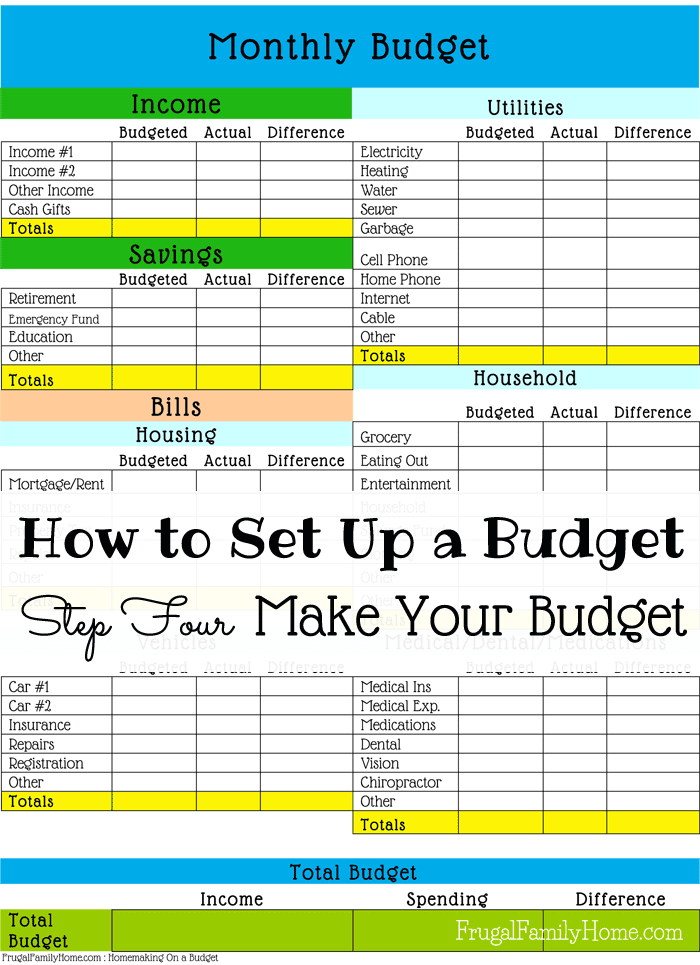
To write an effective budget, one must move beyond the spreadsheet and understand the underlying mechanics of personal finance. It requires a blend of psychological awareness, mathematical accuracy, and consistent execution. This guide explores the foundational principles and practical steps required to build a robust financial plan that evolves with your lifestyle.
Understanding the Foundations of Financial Planning
Before you put pen to paper or open a digital ledger, you must establish the “why” behind your budget. A budget without a goal is merely a list of expenses, and without a sense of purpose, most people find it difficult to maintain the habit over the long term.
Shifting from Scarcity to Strategy
The primary psychological hurdle to budgeting is the scarcity mindset. Many people avoid writing a budget because they fear it will highlight what they cannot afford. To succeed, you must shift toward a strategy mindset. View your budget as a tool for optimization. Instead of looking at it as a way to “cut back,” look at it as a way to “invest forward.” When you allocate funds for a future vacation or a retirement account, you aren’t losing money today; you are purchasing a better experience for your future self.
Defining Your Financial Goals
A budget serves as the engine that drives you toward specific milestones. These goals are typically divided into three categories:
-
Short-term goals: Establishing an emergency fund (typically three to six months of expenses), paying off high-interest credit card debt, or saving for a year-end purchase.
-
Medium-term goals: Saving for a down payment on a home, funding a wedding, or purchasing a vehicle without high-interest financing.
-
Long-term goals: Investing for retirement, building a college fund for children, or achieving financial independence where passive income covers your living expenses.
By identifying these goals first, you can categorize your spending with intention. Every time you choose not to spend on a non-essential item, you are consciously choosing to fund one of these priorities.
The Step-by-Step Framework for Building Your First Budget
Writing a budget requires a systematic approach to ensure no detail is overlooked. The goal is to create a comprehensive view of your financial ecosystem.
Calculating Your Net Monthly Income
The starting point of any budget is your “take-home pay.” This is the amount of money that actually hits your bank account after taxes, health insurance premiums, and 401(k) contributions have been deducted. If you are a salaried employee, this is straightforward. However, if you are a freelancer or a business owner with variable income, it is safer to use a “floor” estimate—the minimum amount you expect to earn in a slow month. Any income earned above that floor can be treated as a bonus and allocated toward debt or savings at the end of the month.
Tracking and Categorizing Expenses
To know where you are going, you must know where you have been. Most experts recommend looking back at the last three months of bank and credit card statements to identify your spending patterns. Common categories include:
-
Housing: Mortgage/rent, property taxes, and homeowners association fees.
-
Utilities: Electricity, water, gas, internet, and mobile phone plans.
-
Transportation: Car payments, fuel, insurance, maintenance, and public transit.
-
Groceries and Dining: Distinguishing between essential food and social eating.
-
Health and Wellness: Insurance premiums, gym memberships, and out-of-pocket medical costs.
-
Lifestyle: Streaming services, hobbies, clothing, and entertainment.
Determining Fixed vs. Variable Costs
Once you have your categories, divide them into fixed and variable costs. Fixed costs are obligations that remain consistent every month, such as your rent or car insurance. Variable costs fluctuate, such as your utility bills or grocery spending. Understanding this distinction is vital because when you need to “tighten the belt,” the variable costs are the easiest to manipulate. Conversely, if your fixed costs account for more than 50-60% of your income, you may have a structural budget problem that requires larger lifestyle changes, such as downsizing your home or refinancing a high-interest loan.
Selecting the Right Budgeting Methodology for Your Lifestyle
There is no “one size fits all” approach to personal finance. The best budget is the one you can actually stick to. Several frameworks have gained popularity for their effectiveness in different financial situations.
The 50/30/20 Rule
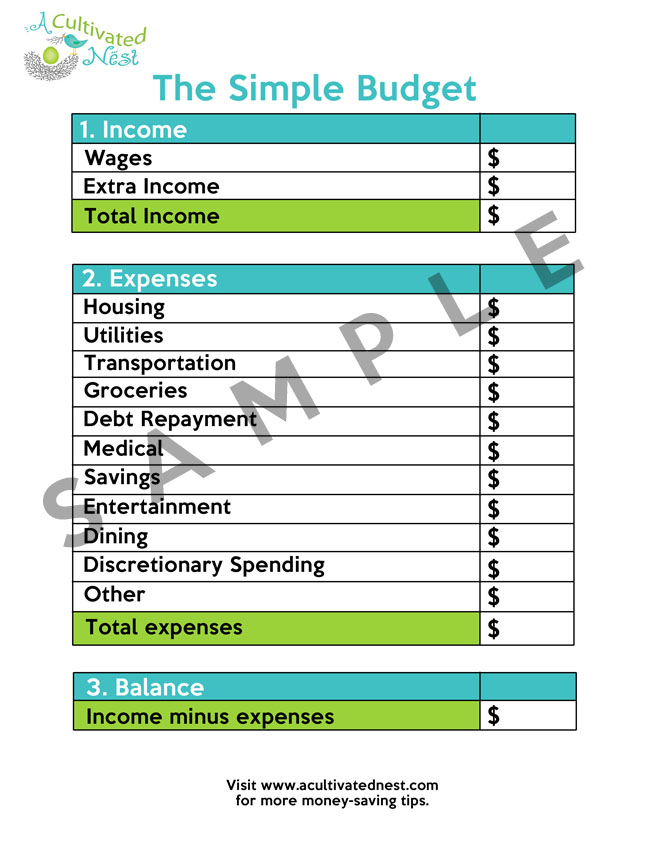
Popularized by Senator Elizabeth Warren, this is perhaps the most famous budgeting framework for its simplicity. It suggests allocating your net income as follows:
-
50% for Needs: Essential expenses like housing, utilities, and basic groceries.
-
30% for Wants: Non-essential spending like dining out, travel, and hobbies.
-
20% for Savings and Debt Repayment: Building an emergency fund, investing, or paying down principal on loans.
This method is excellent for beginners who want a high-level view of their finances without tracking every single cent.
Zero-Based Budgeting
Zero-based budgeting is a more granular approach where “every dollar has a job.” If you earn $5,000 in a month, your goal is to allocate all $5,000 across your categories until there is $0 left. This does not mean you spend all your money; rather, it means you purposefully assign the remaining funds to savings or investments. This method is highly effective for individuals who find themselves wondering where their money went at the end of the month, as it forces total accountability.
The “Pay Yourself First” Method
Also known as reverse budgeting, this method focuses entirely on your savings and investment goals. You decide how much you want to save each month (e.g., $1,000) and move that money to your savings or brokerage account as soon as you get paid. Whatever is left over in your checking account is what you have available to spend on everything else. This is ideal for disciplined savers who want to prioritize wealth building without the tedium of categorizing every latte or lunch purchase.
Leveraging Modern Financial Tools and Automation
While a paper ledger is a romantic notion, modern technology has made the process of writing and maintaining a budget significantly more efficient.
Spreadsheet vs. Budgeting Apps
For those who enjoy total control and customization, a spreadsheet (using Google Sheets or Microsoft Excel) remains the gold standard. You can build complex formulas to track your net worth and visualize your progress with charts. However, for those who prefer convenience, budgeting applications can link directly to your bank accounts. These apps automatically categorize your transactions and provide real-time alerts when you are nearing your spending limit in a specific category.
Automating Savings and Bill Payments
The greatest enemy of a budget is human error or “decision fatigue.” By automating your finances, you remove the need for willpower. Set up automatic transfers for:
-
Retirement Contributions: Ensure you are hitting your 401(k) or IRA targets before you even see the money.
-
Emergency Fund: A small, recurring transfer to a high-yield savings account ensures consistent growth.
-
Fixed Bills: Automating your rent, utilities, and insurance ensures you never incur late fees, which are essentially “anti-budget” expenses.
Maintaining and Optimizing Your Budget Over Time
A budget is not a static document; it is a living reflection of your life. As your career progresses, your family grows, or the economy shifts, your budget must adapt.
The Monthly Review and Course Correction
At the end of each month, take thirty minutes to review your performance. Did you overspend in the “dining out” category? Perhaps you need to increase your grocery budget to allow for better meal prepping. Did you have a surplus? Move it immediately into your high-interest debt or investment accounts. This monthly “check-in” prevents small leaks from becoming financial floods.

Handling Windfalls and Unexpected Expenses
Life is unpredictable. Tax refunds, bonuses, or inheritances—known as windfalls—should be handled with a “percentage rule.” For example, you might decide to use 80% of a bonus for debt or investments and 20% for a “fun” purchase. This allows you to stay on track while rewarding yourself for your hard work.
Similarly, an emergency fund is the ultimate buffer for your budget. When your car needs a new transmission or your HVAC system fails, you don’t want to rely on high-interest credit cards. By writing a line item for “Emergency Savings” into your monthly budget, you ensure that unexpected life events remain inconveniences rather than financial catastrophes.
In conclusion, writing a budget is the foundational skill of personal finance. It transforms money from a source of stress into a tool for empowerment. By understanding your income, categorizing your expenses, and choosing a methodology that fits your personality, you take the first definitive step toward a secure and prosperous financial future. Success in budgeting doesn’t come from perfection; it comes from the persistence to track, the wisdom to adjust, and the discipline to prioritize your future over your present impulses.
aViewFromTheCave is a participant in the Amazon Services LLC Associates Program, an affiliate advertising program designed to provide a means for sites to earn advertising fees by advertising and linking to Amazon.com. Amazon, the Amazon logo, AmazonSupply, and the AmazonSupply logo are trademarks of Amazon.com, Inc. or its affiliates. As an Amazon Associate we earn affiliate commissions from qualifying purchases.