
Financial freedom is rarely the result of a sudden windfall; more often, it is the product of disciplined, intentional management of one’s resources. At the heart of this discipline lies the budget plan. Far from being a restrictive ledger of what you cannot do, a well-constructed budget is a strategic roadmap that empowers you to direct your capital toward the things that matter most. Whether you are aiming to eradicate high-interest debt, save for a primary residence, or build a robust investment portfolio, the process of budgeting is the foundational skill upon which all other financial successes are built.
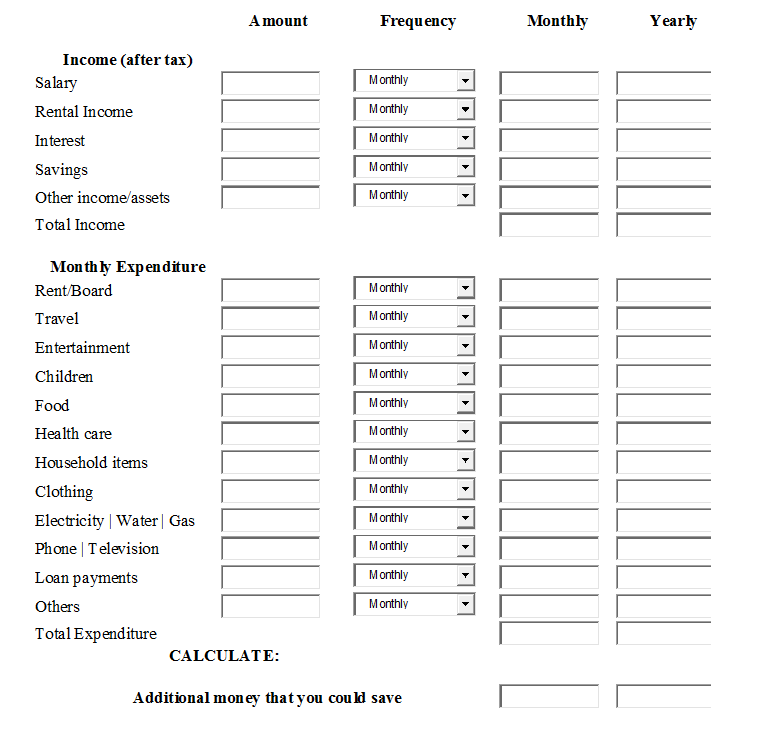
To make a budget plan that actually works, one must move beyond simple arithmetic and engage with the psychological and structural components of cash flow management. This guide explores the comprehensive methodology required to design, implement, and optimize a financial blueprint tailored to your unique objectives.
The Architectural Phase: Auditing Your Financial Reality
Before a single dollar can be allocated, you must possess an unflinching understanding of your current financial position. Many individuals fail in their budgeting efforts because they work from idealized versions of their spending habits rather than the cold, hard data of their bank statements.
Establishing Your Net Income
The first step is determining your true “take-home” pay. This is not your gross salary, but the amount that actually lands in your account after taxes, health insurance premiums, 401(k) contributions, and other payroll deductions. If you are a freelancer or business owner with a fluctuating income, it is prudent to use a “conservative floor”—the minimum amount you can reliably expect to earn in a month—to avoid over-extending yourself during leaner periods.
Categorizing the Outflow
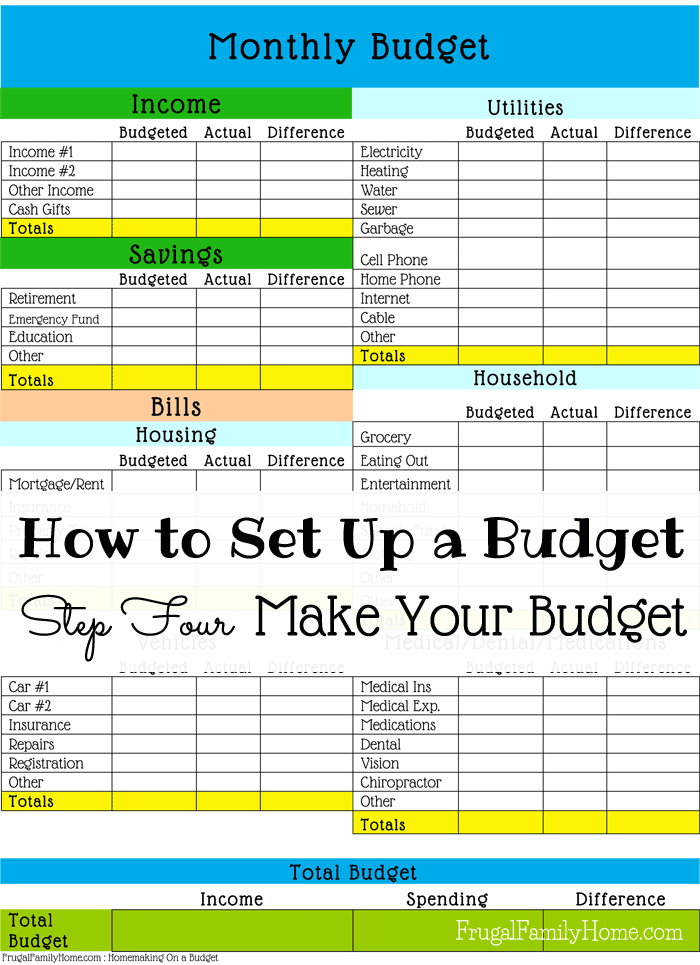
Once income is established, you must track every cent that exits your accounts. Financial experts typically recommend auditing the last three to six months of spending to identify patterns. These expenses should be divided into two primary categories: fixed and variable.
Fixed expenses are the non-negotiables: rent or mortgage payments, insurance, utilities, and debt obligations. Variable expenses include groceries, dining out, entertainment, and personal shopping. By distinguishing between “needs” and “wants,” you create the necessary leverage to adjust your plan when financial circumstances shift.
Identifying “Phantom” Expenses
A critical part of the audit is uncovering “phantom” expenses—recurring subscriptions, memberships, or small daily habits that silently erode your purchasing power. While a $15 monthly streaming service may seem negligible, the cumulative effect of several such services, combined with convenience fees and impulse digital purchases, can represent a significant percentage of your discretionary income.
Selecting a Budgeting Framework
There is no one-size-fits-all approach to budgeting. The “best” plan is the one you can consistently follow. Depending on your personality and financial complexity, you may find one of the following frameworks more effective than the others.
The 50/30/20 Rule
Popularized as a balanced approach for those who want simplicity, this rule allocates 50% of your income to needs, 30% to wants, and 20% to financial goals (debt repayment and savings). This framework provides a high-level view of your finances and ensures that you are living within your means while still prioritizing future growth. However, in high-cost-of-living areas, the 50% “needs” bucket may require aggressive optimization.
Zero-Based Budgeting
The philosophy behind zero-based budgeting is that every single dollar you earn must be assigned a specific “job.” If you earn $5,000 this month, your allocations for expenses, savings, and investments must equal exactly $5,000. This method is highly effective for those who feel their money “disappears” without explanation. It forces a proactive decision on every transaction, leaving no room for mindless spending.
The “Pay Yourself First” Method (The Anti-Budget)
For those who find detailed tracking cumbersome, this method focuses exclusively on the top line. As soon as you receive your paycheck, a predetermined percentage is immediately moved to savings and investment accounts. The remainder of the money is yours to spend as you see fit on bills and lifestyle. This approach works best for individuals who already have a natural inclination toward frugality and do not struggle with overspending.
The Envelope System
In a digital age, the envelope system—either literal or via digital sub-accounts—remains a powerful tool for controlling variable spending. By placing a set amount of cash into “envelopes” for categories like groceries or entertainment, you create a physical or psychological hard stop. When the envelope is empty, spending in that category ceases until the next budget cycle.
Integrating Technology and Financial Tools
While a pen and paper or a basic spreadsheet can suffice, modern financial tools offer automation and insights that significantly increase the likelihood of long-term success. Leveraging technology allows you to move from manual data entry to high-level financial analysis.
Automated Aggregators and Apps
Modern budgeting applications sync directly with your bank accounts and credit cards to categorize transactions in real-time. These tools provide visual dashboards that show exactly where your money is going. More importantly, many of these platforms offer “trend analysis,” allowing you to see if your spending in a particular category is increasing month-over-over, which serves as an early warning system for lifestyle creep.
The Role of Spreadsheets in Granular Control
For the most dedicated financial planners, a custom-built spreadsheet remains the gold standard. Tools like Google Sheets or Microsoft Excel allow for personalized formulas, the creation of “what-if” scenarios, and the integration of long-term investment projections. A spreadsheet allows you to track not just your monthly cash flow, but your total net worth—a metric that is often more motivating than simply staying under budget.
Automation of Transfers
The most successful budgeters remove the element of human willpower. By setting up automatic transfers for your savings, emergency fund, and brokerage accounts, you ensure that your financial goals are met before you have the chance to spend the capital elsewhere. Automation transforms “saving what is left” into “spending what is left after saving.”
Advanced Strategies: Optimization and Wealth Building
A budget should not be static; it should evolve as your income grows and your life stages change. Once the basics are mastered, the focus shifts from mere survival to strategic optimization.
Building the Emergency Buffer
A budget plan is only as strong as its ability to withstand a crisis. A standard recommendation is to maintain three to six months of essential expenses in a high-yield savings account. This fund acts as insurance for your budget, preventing you from going into high-interest debt when an unexpected medical bill or car repair arises.
Sinking Funds for Irregular Expenses
One of the most common budget-breakers is the “surprise” expense that isn’t actually a surprise—annual car registration, holiday gifts, or semi-annual insurance premiums. Sinking funds solve this by breaking these large annual costs into monthly bites. If you know you spend $1,200 on holiday gifts in December, your budget should include a $100 “sinking fund” allocation every month starting in January.
The Debt Snowball vs. Debt Avalanche
If your budget is currently weighed down by debt, you must choose a strategic path for liquidation. The “Debt Snowball” focuses on paying off the smallest balances first to gain psychological momentum. The “Debt Avalanche” focuses on the highest interest rates first to minimize the total amount paid over time. Integrating these strategies into your budget plan ensures that your surplus capital is working as hard as possible to restore your financial health.
Maintaining Long-term Consistency and Psychological Resilience
The greatest challenge in budgeting is not the math—it is the behavior. To maintain a budget plan over years or decades, you must account for human nature.
The Importance of the “Fun Fund”
A budget that is too restrictive will eventually lead to “frugality fatigue,” much like an overly restrictive diet leads to binge eating. It is essential to include a discretionary category for guilt-free spending. Knowing that you have a set amount of money specifically for hobbies or luxuries makes it easier to stay disciplined in other areas.
Regular Reviews and Re-calibration
Life is dynamic. A budget created in January may be irrelevant by July due to a promotion, a move, or changes in the economy such as inflation. Set a monthly “money date” to review your progress, adjust categories, and celebrate milestones. This regular engagement keeps your financial goals top-of-mind and allows you to pivot before a small overage becomes a significant problem.

Focus on the “Big Wins”
While tracking small expenses is important, the most significant impact on your budget will come from managing the “Big Three”: housing, transportation, and food. Lowering your housing costs by 10% or choosing a reliable used car over a luxury lease will do more for your financial future than cutting out every cup of coffee. A sophisticated budgeter looks for high-impact adjustments that create the largest margin for investment and wealth accumulation.
By viewing a budget as a tool for empowerment rather than a system of punishment, you shift your relationship with money from one of stress to one of mastery. How you make a budget plan is ultimately a reflection of how you value your time and your future. With a clear audit, a chosen framework, the right tools, and a focus on long-term optimization, you can transform your financial life into a well-oiled machine that serves your ultimate goals.
aViewFromTheCave is a participant in the Amazon Services LLC Associates Program, an affiliate advertising program designed to provide a means for sites to earn advertising fees by advertising and linking to Amazon.com. Amazon, the Amazon logo, AmazonSupply, and the AmazonSupply logo are trademarks of Amazon.com, Inc. or its affiliates. As an Amazon Associate we earn affiliate commissions from qualifying purchases.