
In the landscape of modern retail, few corporate identities are as robust and recognizable as The Home Depot. With its signature orange aprons and cavernous aisles, the brand has positioned itself as the definitive destination for both DIY enthusiasts and professional contractors. However, the cornerstone of this brand identity isn’t just the tools or the paint; it is the lumber. For a company that manages over 2,300 stores across North America, the sourcing of wood is not merely a logistical necessity—it is a core component of its brand strategy, corporate identity, and commitment to sustainability.
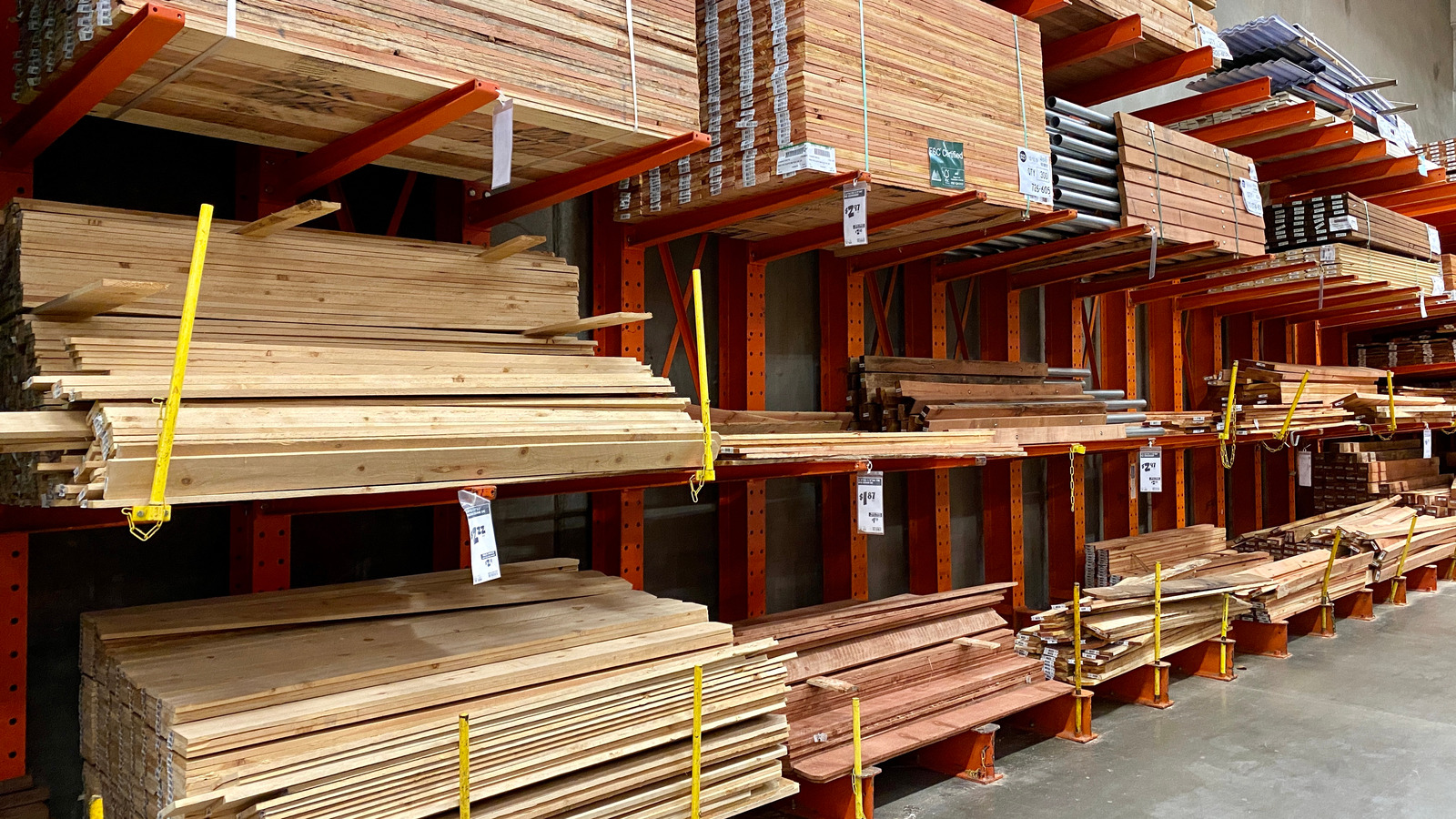
To understand where Home Depot gets its lumber is to understand a complex web of strategic partnerships, ethical sourcing mandates, and a supply chain designed to maintain brand consistency on a global scale.
The Strategic Supply Chain: A Pillar of Brand Reliability
The Home Depot’s brand is built on the promise of availability. When a contractor enters a store at 6:00 AM, the brand’s reputation rests on the presence of high-quality 2x4s and plywood. To ensure this reliability, the company utilizes a sophisticated multi-channel sourcing strategy that prioritizes North American production while maintaining international flexibility.
North American Dominance
Approximately 90% of the lumber sold in Home Depot’s U.S. stores is sourced from North American forests. This is a deliberate brand move. By sourcing domestically and from Canada, the company minimizes lead times and supports regional economies—a factor that resonates deeply with its “Pro” customer base. Major industrial partners include forestry giants such as Weyerhaeuser, Georgia-Pacific, West Fraser, and Canfor.
These partnerships are not merely transactional; they are strategic alliances. These suppliers provide the structural pine, fir, and cedar that form the backbone of American residential construction. By aligning with North America’s largest mills, Home Depot ensures that its brand is shielded from the extreme volatility of international shipping and geopolitical instability.
Regional Sourcing for Brand Consistency
One of the unique aspects of Home Depot’s brand strategy is regionalized sourcing. Because wood is heavy and expensive to transport, the “Home Depot” experience is actually customized by geography. Stores in the Pacific Northwest primarily stock Douglas Fir, while stores in the Southeast are dominated by Southern Yellow Pine. This regional approach allows the brand to offer the most appropriate materials for local building codes and climates, reinforcing their identity as a knowledgeable local partner despite their massive corporate scale.
Ethical Sourcing as a Brand Identity
In the 21st century, a brand’s value is inextricably linked to its environmental footprint. For a company that sells millions of board feet of timber, the risk of being associated with deforestation is a significant threat to corporate identity. Home Depot has addressed this by making ethical sourcing a central tenet of its brand marketing.
The Wood Purchasing Policy
In 1999, The Home Depot became one of the first major retailers to implement a comprehensive Wood Purchasing Policy. This was a response to growing consumer pressure and a strategic move to differentiate the brand from competitors who were slower to adopt environmental standards. The policy strictly prohibits sourcing wood from endangered regions, such as certain areas of the Amazon Basin or old-growth forests in the Pacific Northwest, unless the timber is certified.
The Role of FSC Certification
A key component of Home Depot’s brand strategy is its partnership with the Forest Stewardship Council (FSC). By prioritizing FSC-certified products, the company provides a “trust signal” to consumers. When a customer sees the FSC logo on a piece of lumber in a Home Depot aisle, it validates the brand’s promise of responsibility.
Beyond FSC, the company also recognizes the Sustainable Forestry Initiative (SFI) and the Programme for the Endorsement of Forest Certification (PEFC). This multi-tier certification strategy ensures that the brand can maintain its high volume of inventory without compromising its ethical standing. This transparency in the supply chain serves as a powerful marketing tool, appealing to the growing demographic of eco-conscious homeowners.

Managing Quality and Brand Perception
The Home Depot brand is synonymous with professional grade. If a customer buys warped or “crowned” lumber, the brand’s integrity is compromised. Therefore, the company’s sourcing strategy includes rigorous quality control measures that extend from the mill to the shelf.
Standardized Grading Systems
The lumber sourced by Home Depot is subjected to standardized grading systems (such as those established by the American Lumber Standard Committee). However, Home Depot often goes a step further by demanding “Prime” or “Select” grades for their premium lumber tiers. By sourcing higher-grade wood for their retail shelves, they ensure that the “orange box” version of a 2×4 is perceived as superior to what might be found at a discount yard.
Exotic Woods and International Sourcing
While the majority of structural lumber is domestic, Home Depot sources specialty and exotic woods—such as mahogany, teak, and ipe—from international markets like Brazil, Chile, and Southeast Asia. The branding challenge here is significant. To protect its reputation, Home Depot employs third-party auditors to track the “Chain of Custody” for these materials. This ensures that every piece of exotic decking can be traced back to a legally harvested forest, preventing the brand from being entangled in illegal logging scandals that have plagued other retailers in the past.
Vertical Integration and the Competitive Advantage
To maintain its position as a market leader, Home Depot has moved toward a more vertically integrated supply chain. This is a classic brand strategy move: the more control a company has over its product from origin to sale, the more consistent the brand experience becomes.
Direct-to-Mill Relationships
Unlike smaller hardware stores that rely on wholesalers and middlemen, Home Depot’s massive scale allows it to negotiate directly with timberland owners and sawmills. This direct relationship allows for better price control and, more importantly, better quality control. When a brand can dictate the specific moisture content or dimensions directly to the producer, it results in a more reliable product on the sales floor.
Rapid Deployment Centers (RDCs)
The way Home Depot gets its lumber into the hands of consumers is also part of its brand innovation. The company has invested billions in its supply chain infrastructure, including specialized Lumber Distribution Centers (LDCs). These facilities allow the company to stockpile massive quantities of wood and deploy them to stores exactly when needed. This prevents the “out-of-stock” scenarios that can alienate professional customers and damage the brand’s “Pro-grade” reputation.
The Future of the Home Depot Supply Chain Brand
As we look toward the future, Home Depot’s sourcing strategy is evolving to meet new brand challenges, particularly regarding climate change and resource scarcity.
Investment in Sustainable Alternatives
Part of the brand’s long-term strategy involves sourcing and promoting lumber alternatives, such as composite decking (e.g., Trex) and engineered wood products (EWP). By positioning these products as high-performance, sustainable options, Home Depot is diversifying its brand identity. It is no longer just a “lumber yard”; it is a provider of advanced building solutions.
Transparency and Digital Tracking
The next frontier for the Home Depot brand is digital transparency. We are seeing a shift toward using blockchain and IoT (Internet of Things) technologies to track timber from the stump to the store. For the consumer, this means the potential to scan a QR code on a piece of cedar and see exactly which forest it came from. This level of transparency is the ultimate brand-building tool, fostering a level of trust that is difficult for smaller competitors to replicate.
In conclusion, where Home Depot gets its lumber is a story of strategic brand management. By balancing domestic reliability with international variety, and strictly adhering to ethical sourcing standards, the company has turned its supply chain into a competitive advantage. The lumber in their aisles is not just a commodity; it is a carefully curated product that supports the brand’s identity as a reliable, responsible, and professional-grade leader in the home improvement industry. Through these efforts, Home Depot ensures that the “orange box” remains the gold standard for builders and homeowners alike.
aViewFromTheCave is a participant in the Amazon Services LLC Associates Program, an affiliate advertising program designed to provide a means for sites to earn advertising fees by advertising and linking to Amazon.com. Amazon, the Amazon logo, AmazonSupply, and the AmazonSupply logo are trademarks of Amazon.com, Inc. or its affiliates. As an Amazon Associate we earn affiliate commissions from qualifying purchases.