
The anticipation of a tax refund is a seasonal ritual for millions of taxpayers. For many, it represents the largest single lump sum of cash they receive all year, often acting as a forced savings vehicle that funds vacations, pays down high-interest debt, or builds an emergency fund. However, the question of “how much will I get back” is rarely answered with a simple number. It is the result of a complex interplay between your income, your filing status, your withholding choices, and the specific tax breaks for which you qualify.
To understand your potential refund, you must first demystify the tax return process. A refund is not a gift from the government; rather, it is a return of your own money—essentially an interest-free loan you provided to the Department of the Treasury over the course of the fiscal year. To calculate where you stand, you must look at the difference between your total tax liability and the amount you have already paid through withholding and estimated payments.
The Mechanics of the Tax Refund: Why You Get Money Back
At its core, the tax system is “pay-as-you-go.” As you earn money throughout the year, the government expects a portion of that income to be submitted immediately. For employees, this happens via payroll withholding. For the self-employed, it occurs through quarterly estimated payments.
Understanding Tax Withholding
When you start a job, you fill out an IRS Form W-4. This document tells your employer how much tax to take out of each paycheck. If you claim fewer allowances or indicate a higher withholding rate, your take-home pay decreases, but the “pot” of money held by the IRS grows. By the end of the year, if the total amount withheld exceeds what you actually owe based on your final income and deductions, the IRS sends the surplus back to you. This surplus is your refund.
The Formula for Your Refund
The calculation follows a logical path:
-
Gross Income: This includes wages, interest, dividends, and capital gains.
-
Adjusted Gross Income (AGI): This is your gross income minus specific “above-the-line” deductions like student loan interest or HSA contributions.
-
Taxable Income: This is your AGI minus either the standard deduction or itemized deductions.
-
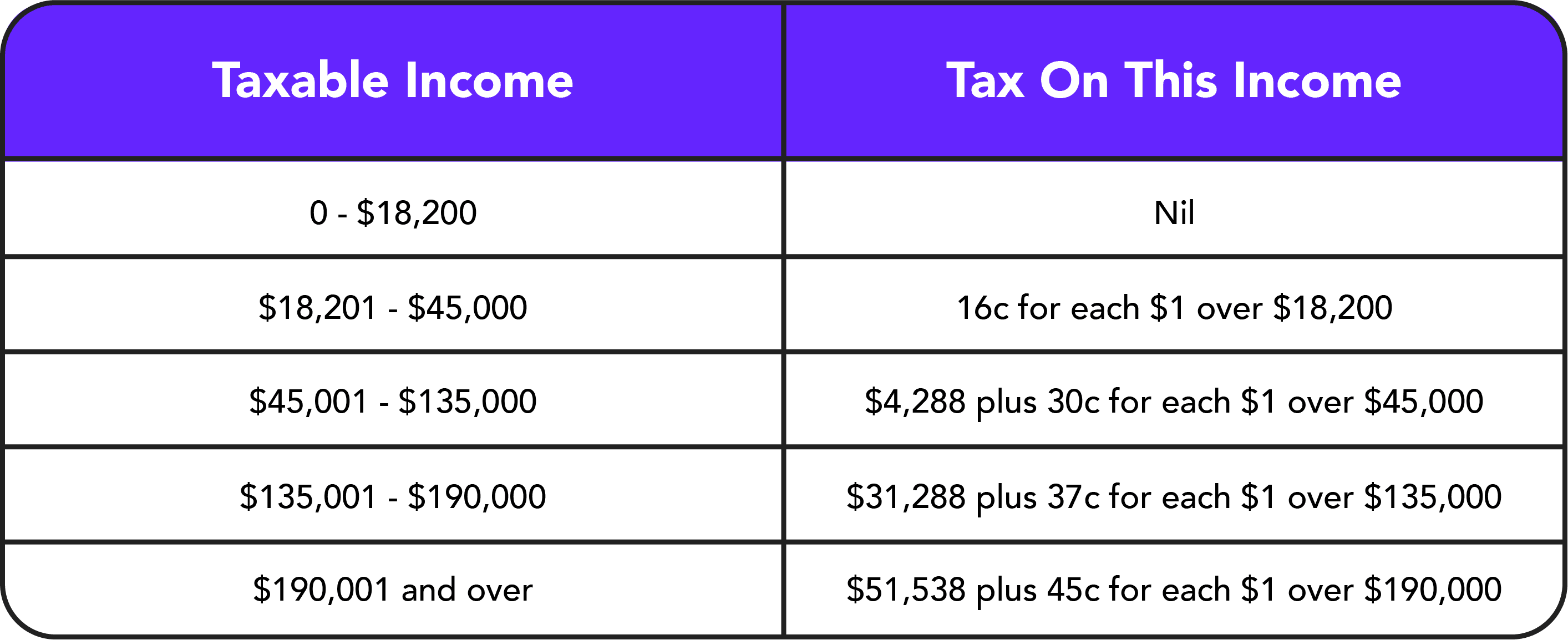
Tax Liability: This is the actual amount you owe based on the current tax brackets.
-
Final Calculation: (Tax Liability – Tax Credits) – Total Payments Made = Refund (if negative) or Amount Owed (if positive).
Deductions vs. Credits: The Engines of Your Tax Return
The most significant variables in determining the size of your refund are deductions and credits. While both reduce your tax burden, they do so in fundamentally different ways. Understanding this distinction is vital for anyone looking to maximize their return.
Standard vs. Itemized Deductions
Deductions lower the amount of your income that is subject to tax. For example, if you earned $60,000 and have $10,000 in deductions, you are only taxed on $50,000.
Most taxpayers choose the Standard Deduction, a fixed dollar amount that reduces the income you’re taxed on. The amount changes annually based on inflation and your filing status (Single, Married Filing Jointly, or Head of Household). Since the Tax Cuts and Jobs Act of 2017, the standard deduction has nearly doubled, making it more beneficial for the vast majority of Americans than itemizing.
Itemizing Deductions involves listing specific expenses like mortgage interest, state and local taxes (SALT) up to a certain limit, charitable contributions, and significant medical expenses. You should only itemize if the sum of these expenses exceeds the standard deduction amount for your filing status.
The Power of Tax Credits
If deductions are a scalpel, tax credits are a sledgehammer. While a deduction lowers your taxable income, a credit reduces your actual tax bill dollar-for-dollar. A $1,000 tax credit reduces your tax liability by exactly $1,000.
Credits are categorized as either “refundable” or “non-refundable.” If a credit is non-refundable and it reduces your tax liability to zero, you don’t get the remaining credit amount back as cash. However, with a refundable tax credit, if the credit amount exceeds what you owe, the government sends you the difference. This is often where the largest refunds originate.
High-Impact Tax Credits You Should Know
To accurately estimate how much you will get back, you must identify which credits apply to your specific financial situation. These credits are designed by the government to incentivize certain behaviors or provide relief to specific demographics.

Families and the Child Tax Credit
The Child Tax Credit (CTC) is one of the most common ways families see a significant boost in their refunds. It is designed to help offset the costs of raising children. The credit amount is generally per qualifying child under the age of 17. A portion of this credit is typically refundable, meaning even families with very low tax liability can receive a substantial check from the IRS.
The Earned Income Tax Credit (EITC)
The EITC is a powerful tool for low-to-moderate-income working individuals and couples, particularly those with children. It is a fully refundable credit, which means it can result in a refund that is significantly higher than the amount of tax withheld from your paychecks. The amount of EITC you receive depends on your income level and the number of qualifying children in your household.
Education and Professional Development Credits
If you or your dependents are pursuing higher education, you may qualify for the American Opportunity Tax Credit (AOTC) or the Lifetime Learning Credit (LLC). The AOTC is partially refundable and covers the first four years of post-secondary education. The LLC is non-refundable but can be used for undergraduate, graduate, and professional degree courses, including those intended to improve job skills.
How Life Events and Income Streams Alter Your Final Number
Your tax situation is not static. Major life changes can drastically swing the needle from “owing money” to “getting a big refund” in a single year.
The Gig Economy and Self-Employment
With the rise of side hustles and online income, more people are finding themselves with complex tax returns. If you work as a freelancer or independent contractor, no taxes are withheld from your pay. You are responsible for both the employer and employee portions of Social Security and Medicare taxes (known as self-employment tax).
For many side hustlers, this leads to a smaller refund or even a balance due. However, you can offset this by tracking “business expenses”—everything from home office costs to marketing and software subscriptions. These deductions are taken “above the line,” meaning they reduce your AGI and can significantly lower your tax burden.
Investment Income and Capital Gains
The way you manage your wealth also impacts your taxes. If you sold stocks, crypto, or real estate for a profit, you might owe capital gains tax. Conversely, if you sold investments at a loss, you can use “tax-loss harvesting” to offset your gains or even reduce your taxable ordinary income by up to $3,000 per year. This strategy is a cornerstone of professional personal finance management and can be the difference between a refund and a bill.
Marriage and Filing Status
Getting married can lead to the “marriage penalty” or the “marriage bonus.” If both spouses earn high, similar incomes, their combined income might push them into a higher tax bracket. However, if one spouse earns significantly more than the other, filing jointly often results in a lower total tax bill than if they were single, potentially leading to a larger refund.
Strategic Planning: Optimizing Your Refund for Financial Health
While receiving a $5,000 check in April feels like a win, from a strict financial perspective, it represents a missed opportunity. That money could have been sitting in a high-yield savings account or an index fund, earning interest for you all year long.
Adjusting Your W-4 Withholding
If you consistently receive a massive refund, you might consider adjusting your W-4 with your employer to increase your monthly take-home pay. By reducing your withholding to more closely match your actual tax liability, you gain more control over your cash flow throughout the year. This “extra” monthly income can be used to accelerate debt repayment or maximize retirement contributions.
The “Big Refund” Debate: Opportunity Cost vs. Forced Savings
There is a psychological argument for the big refund. For individuals who struggle with the discipline of saving, the tax refund acts as a “forced savings” mechanism. Knowing that a large sum is coming once a year allows them to make major purchases or investments that they might not otherwise have the discipline to save for.
However, the opportunity cost is real. In an environment with 4% or 5% interest rates on savings accounts, letting the government hold $3,000 of your money for twelve months means you are losing out on significant passive income.
Using Retirement Accounts to Drive Refunds
One of the most effective ways to influence “how much you get back” is through contributions to traditional IRAs or 401(k) plans. Because these contributions are made with pre-tax dollars, they reduce your taxable income. If you find yourself in a situation where you might owe money at the end of the year, making a contribution to a traditional IRA before the tax filing deadline can often lower your taxable income enough to eliminate the debt or even trigger a refund.
Ultimately, the answer to “how much in taxes will I get back” is a reflection of your financial life over the past 365 days. By understanding the levers of credits, deductions, and withholding, you can move from wondering what your refund will be to strategically deciding what it should be. In the world of personal finance, knowledge is the most effective tool for ensuring that when tax season arrives, you are the one in the driver’s seat.
aViewFromTheCave is a participant in the Amazon Services LLC Associates Program, an affiliate advertising program designed to provide a means for sites to earn advertising fees by advertising and linking to Amazon.com. Amazon, the Amazon logo, AmazonSupply, and the AmazonSupply logo are trademarks of Amazon.com, Inc. or its affiliates. As an Amazon Associate we earn affiliate commissions from qualifying purchases.