
Navigating the landscape of tax preparation is a fundamental component of personal finance management. Among the giants of the industry, H&R Block stands as a primary destination for millions of taxpayers, offering a spectrum of services ranging from simple do-it-yourself (DIY) software to comprehensive, in-person consultations with seasoned tax professionals. However, one of the most persistent questions for consumers is the total cost of these services. Because H&R Block utilizes a tiered pricing model based on the complexity of a tax return, the final bill can vary significantly from one taxpayer to the next.

Understanding the fee structure is essential for budgeting and determining whether the value provided justifies the expense. In general, H&R Block’s pricing is divided into three main channels: online DIY filing, desktop software, and full-service filing (either in-office or virtually with a pro). This guide breaks down the nuances of these costs, the factors that drive prices upward, and the additional fees that often catch taxpayers off guard.
The Cost of H&R Block Online DIY Filing
For many tech-savvy taxpayers with relatively straightforward financial lives, the online DIY platform is the most cost-effective route. H&R Block’s online pricing is transparent but fluid, often increasing as the April 15th deadline approaches. The service is categorized by the forms and schedules required for your specific financial situation.
The Free Edition
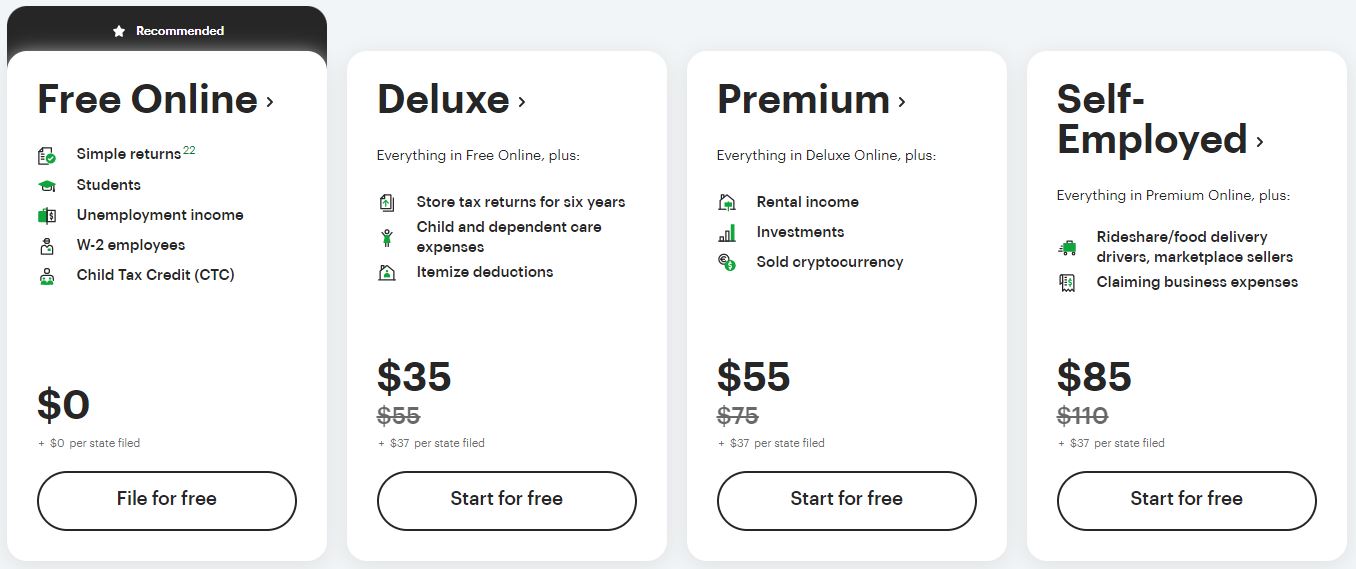
The “Free Online” version is designed specifically for simple returns. This generally includes W-2 income, unemployment income, and interest or dividend income reported on a 1099-INT or 1099-DIV. One of the standout features of H&R Block’s free tier compared to some competitors is that it often includes more forms for free, such as the Earned Income Tax Credit (EITC) and the Child Tax Credit. However, it is important to note that “Free” typically applies only to the federal return; depending on the promotion, there may still be a fee for filing state taxes.
Deluxe, Premium, and Self-Employed Tiers
As your financial portfolio grows, so does the price of the software.
-
Deluxe Online: This tier is aimed at homeowners and those who wish to itemize deductions. If you have HSA contributions, significant charitable donations, or mortgage interest to report, you will likely be bumped to this level. Prices typically range from $35 to $55 for the federal return.
-
Premium Online: This version is tailored for investors. If you sold stock during the year, own rental property, or have cryptocurrency transactions to report, the Premium tier is required. Federal filing fees for this tier generally land between $65 and $85.
-
Self-Employed Online: This is the most expensive DIY tier, designed for freelancers, contractors, and small business owners who need to file a Schedule C. It includes specialized tools for tracking business expenses and depreciation. Prices for this level usually fluctuate between $95 and $115.
The “State Filing” Factor
A critical detail often overlooked in personal finance planning is the cost of state returns. Unless you are using the base Free edition during a specific promotional period, each state return usually incurs an additional fee, typically ranging from $37 to $45 per state. If you lived or worked in multiple states during the year, these costs can accumulate quickly, potentially doubling the initial federal price.
Full-Service and In-Office Tax Preparation Fees
For individuals with complex business interests, diverse investment portfolios, or simply a lack of time, H&R Block’s full-service option provides the expertise of a tax professional. However, this human-centric service comes at a premium price. Unlike the online software, in-office pricing is not always fixed; it is based on the “complexity” of the return and the local market rates of the office.
Base Pricing and Complexity Surcharges
The starting price for an in-office appointment with an H&R Block professional typically begins around $89. However, it is rare for a taxpayer to walk away paying only the base price. H&R Block uses a “price by form” or “price by schedule” logic. Every additional schedule—whether it is for capital gains (Schedule D), supplemental income (Schedule E), or self-employment (Schedule C)—adds a specific dollar amount to the final invoice. For a complex return involving a small business and rental properties, it is common for the total fee to reach $300 to $500 or more.
Tax Pro Review: The Hybrid Option
For those who want to do the heavy lifting themselves but desire a professional safety net, H&R Block offers a “Tax Pro Review” add-on for their online software. For an additional fee—usually starting around $40 to $80—a certified tax pro will review your DIY-prepared return, check for errors, and sign off on it before it is submitted to the IRS. This provides a middle-ground cost for those who want professional verification without the full price of an in-person appointment.

Virtual Tax Pro Services
In recent years, H&R Block has expanded its “Tax Pro Go” service. This allows you to upload your documents via a secure portal, and a professional prepares the return for you remotely. This service starts at a higher base than DIY software (often around $99) and increases based on the complexity of your tax situation. It offers the convenience of professional preparation without the need to visit a physical office.
Additional Fees and Financial Products
When calculating the total cost of H&R Block, it is vital to look beyond the filing fee. The company offers several supplemental services and “convenience” products that can significantly inflate the final cost of the transaction.
Refund Transfer Fees
One of the most common add-on costs is the Refund Transfer fee. Many taxpayers choose to have their H&R Block fees deducted directly from their tax refund so they don’t have to pay out of pocket upfront. While convenient, this service usually carries a fee of approximately $39 or more. From a financial efficiency standpoint, this is essentially a high-interest short-term “loan” on your own money, and most financial advisors recommend paying the filing fee upfront with a credit or debit card to avoid this extra charge.
Peace of Mind® Extended Service Plan
H&R Block offers an audit protection service called “Peace of Mind.” For an additional fee (often around $35 to $40), H&R Block promises to represent you in the event of an IRS audit and will reimburse you for up to a certain amount in additional taxes owed if they made an error on your return. While this provides psychological comfort, many taxpayers with simple returns may find the cost unnecessary given the relatively low statistical likelihood of a random audit.
The Emerald Card and Refund Advances
H&R Block also markets the “Emerald Card,” a prepaid Mastercard used to receive tax refunds. While the card itself may not have a high entry fee, there can be various usage fees associated with it. Furthermore, the company often offers “Refund Advance” loans. While these are frequently advertised as “0% interest” loans, they are only available to those who file through H&R Block, and the cost is essentially baked into the higher preparation fees you pay to access the service.
Evaluating Value: Is H&R Block Worth the Cost?
Determining whether H&R Block’s charges are justified requires a cost-benefit analysis of your time, your financial complexity, and your comfort level with tax law.
Comparing DIY Costs
In the realm of DIY software, H&R Block is often priced competitively with TurboTax, though generally slightly lower. However, it is usually more expensive than budget-friendly alternatives like FreeTaxUSA or Cash App Taxes, which offer many of the same forms for free or for a flat, low fee. The value in H&R Block’s DIY software often lies in its user interface and the availability of “on-demand” expert help if you get stuck—a feature that the cheaper alternatives may lack.
The Value of Professional Expertise
For the in-person or full-service options, the cost is often viewed as an investment in accuracy and tax optimization. A skilled tax professional can often identify deductions or credits that a DIY user might overlook, such as specific home office expenses, nuanced depreciation schedules, or energy-efficient home improvement credits. In many cases, the tax savings identified by a professional can exceed the cost of the preparation fee itself.
Furthermore, for high-net-worth individuals or those with complex business structures, the cost of H&R Block is a “business expense” for personal financial security. Having a major firm stand behind the return provides a level of institutional backing that is difficult to quantify but highly valued during an IRS inquiry.
Ultimately, H&R Block’s charges are a reflection of the service level you choose. By understanding the base rates, the complexity surcharges, and the optional add-on fees, taxpayers can make an informed decision that aligns with their personal financial goals. Whether you choose the $0 free online version or a $500 comprehensive professional review, the key to minimizing costs is to organize your documents early, understand which forms you truly need, and avoid high-cost convenience features like refund transfers.
aViewFromTheCave is a participant in the Amazon Services LLC Associates Program, an affiliate advertising program designed to provide a means for sites to earn advertising fees by advertising and linking to Amazon.com. Amazon, the Amazon logo, AmazonSupply, and the AmazonSupply logo are trademarks of Amazon.com, Inc. or its affiliates. As an Amazon Associate we earn affiliate commissions from qualifying purchases.