
When investors ask, “What is the share price of Google?” they are looking for more than just a ticker update on a screen. They are inquiring about the valuation of one of the most powerful economic engines in human history. Technically trading under its parent company name, Alphabet Inc., Google represents a cornerstone of the modern digital economy. Understanding its share price requires a deep dive into market mechanics, share classes, financial performance, and the macroeconomic factors that dictate its daily fluctuations on the NASDAQ.
Understanding Alphabet’s Market Structure: GOOG vs. GOOGL
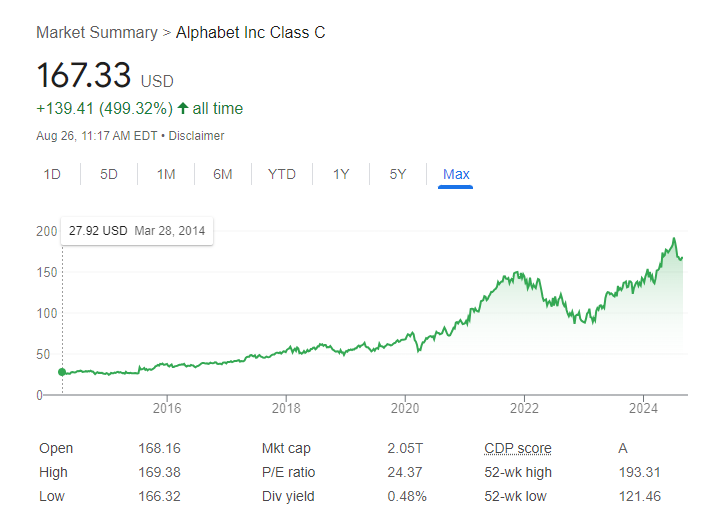
Before assessing the value of a single share, it is essential to understand that “Google” exists in the stock market as two primary symbols: GOOGL and GOOG. This distinction is critical for any investor looking to build a position in the company.
The Origin of the Dual-Class Structure
In 2014, Google underwent a stock split that created two distinct classes of publicly traded shares. The primary goal of this move was to allow the company’s founders, Larry Page and Sergey Brin, to retain corporate control even as the company issued more equity for employee compensation or acquisitions.
Class A (GOOGL) vs. Class C (GOOG)
Alphabet Class A shares (GOOGL) are standard common stocks that carry one vote per share. These are often preferred by institutional investors who value the ability to participate in shareholder meetings and corporate governance. Alphabet Class C shares (GOOG), on the other hand, carry no voting rights. Traditionally, Class A shares traded at a slight premium due to their voting power, but in recent years, the price gap between GOOGL and GOOG has narrowed to a negligible margin, often trading within cents of each other.
There is also a third class, Class B shares, which are held exclusively by insiders and founders. These shares carry ten votes each and are not traded on public exchanges. For the retail investor, the choice between GOOGL and GOOG usually comes down to personal preference regarding voting rights, as their economic interest in the company’s success remains identical.
The Impact of the 2022 Stock Split
In July 2022, Alphabet executed a 20-for-1 stock split. This did not change the intrinsic value of the company, but it significantly altered the “sticker price” of an individual share. By bringing the share price down from over $2,000 to around $100 at the time, the company made its stock more accessible to retail investors and paved the way for potential inclusion in price-weighted indices like the Dow Jones Industrial Average.
Fundamental Drivers of Google’s Stock Valuation
The share price of Google is a reflection of the market’s confidence in its ability to generate future cash flows. To understand why the price moves, one must analyze the core business segments that contribute to Alphabet’s multi-billion-dollar revenue streams.
Search Dominance and Advertising Revenue
The vast majority of Alphabet’s valuation is derived from Google Search. As the world’s most used search engine, Google commands a massive portion of the global digital advertising market. The share price often reacts sharply to “Cost-Per-Click” (CPC) metrics and total “Ad Impressions” reported in quarterly earnings. When businesses increase their marketing budgets, Google’s revenue climbs, typically leading to an appreciation in share price. Conversely, during economic downturns, reduced ad spending can put downward pressure on the stock.
The Rise of Google Cloud
While advertising is the cash cow, Google Cloud is the growth engine. In recent years, Alphabet has invested billions into its cloud infrastructure to compete with Amazon Web Services (AWS) and Microsoft Azure. Investors closely monitor Cloud’s operating margins. The transition of the Cloud segment from a loss-making venture to a profitable one was a major catalyst for share price growth in recent fiscal cycles.
YouTube and Subscription Models
YouTube is not just a video platform; it is one of the world’s largest search engines and a significant contributor to the share price valuation. The growth of YouTube Shorts as a competitor to TikTok and the rise of YouTube Premium subscriptions have diversified Alphabet’s income, making the stock more resilient to fluctuations in the traditional ad market.
Financial Metrics: Evaluating the Price Tag
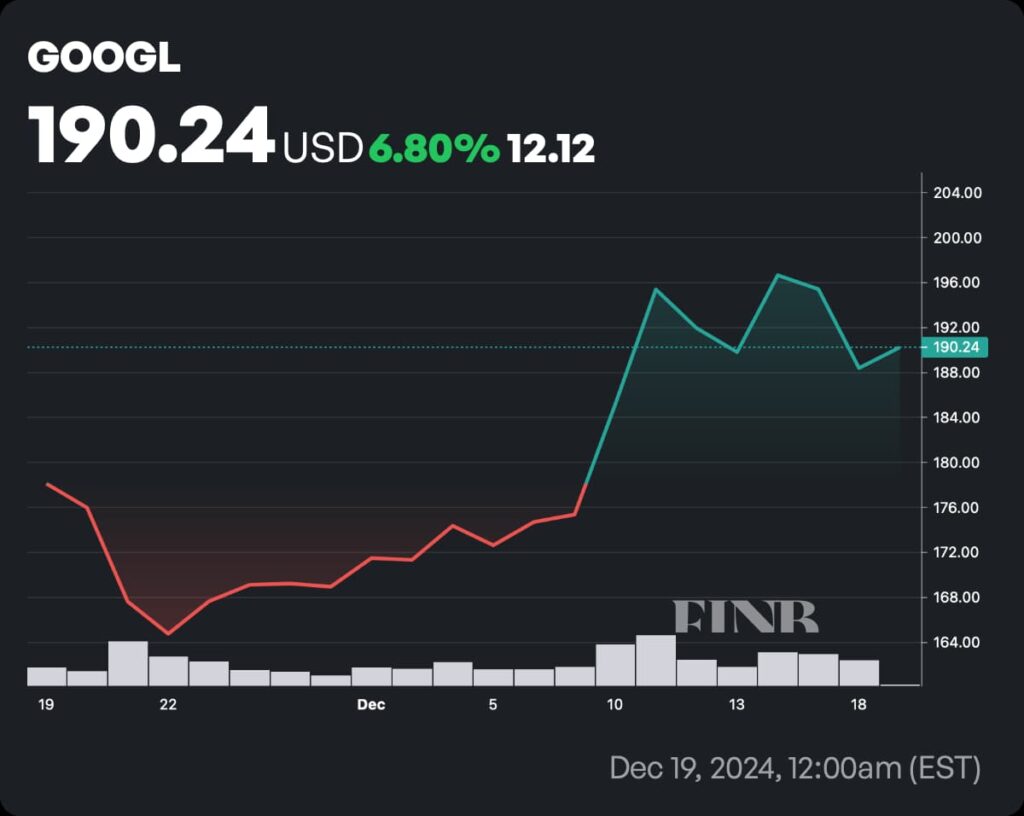
Is the current share price of Google “cheap” or “expensive”? In the world of finance, these terms are relative. Analysts use several key financial metrics to determine if the stock is trading at a fair value.
The Price-to-Earnings (P/E) Ratio
The P/E ratio is the most common metric used to value Alphabet. It compares the current share price to the company’s earnings per share (EPS). Historically, Google has traded at a P/E ratio that reflects its status as a high-growth tech giant. When the P/E ratio drops below its five-year average, value investors often see it as a buying opportunity. However, a high P/E might be justified if the company is expected to grow earnings significantly through new ventures like Artificial Intelligence.
Free Cash Flow and Share Buybacks
Alphabet is a cash-generating machine. The company’s ability to generate billions in Free Cash Flow (FCF) allows it to reinvest in “Other Bets” (like Waymo) while also returning value to shareholders. In recent years, Alphabet has aggressively pursued share buybacks. By reducing the total number of shares outstanding, the company increases the “earnings per share” for remaining investors, which structurally supports a higher share price over time.
The Introduction of Dividends
A landmark moment for Alphabet’s share price occurred in early 2024 when the company announced its first-ever quarterly dividend. This move signaled a transition in the company’s lifecycle, appealing to a new class of “income-oriented” investors. The commitment to a dividend often acts as a floor for the share price, as it demonstrates management’s confidence in long-term fiscal stability.
Macroeconomic and Regulatory Influences
No stock exists in a vacuum. Even if Google’s internal metrics are perfect, external factors can cause the share price to fluctuate wildly.
Interest Rates and the Discounted Cash Flow Model
Like most growth stocks, Google’s share price is sensitive to interest rate changes by the Federal Reserve. When interest rates rise, the “discount rate” applied to future earnings also rises, which can lower the present value of the stock. This is why tech stocks often sell off when the Fed signals a hawkish stance on inflation.
Antitrust Litigation and Regulatory Risks
The “share price of Google” often carries what analysts call a “regulatory discount.” Alphabet is frequently the target of antitrust lawsuits in the United States, the European Union, and other jurisdictions. Allegations regarding search dominance and ad-tech monopolies create uncertainty. While these legal battles can take years to resolve, negative headlines can cause short-term volatility as investors weigh the possibility of forced divestitures or massive fines.
The AI Arms Race
In the current market environment, Google’s share price is heavily tied to its perceived leadership in Artificial Intelligence. The emergence of generative AI posed a perceived threat to Google’s search hegemony. The market’s reaction to Google’s AI releases—such as Gemini—shows how sensitive the share price is to innovation. If investors believe Google is winning the AI race, the stock often trades at a premium. If they fear Google is falling behind, the price may suffer.
How to Approach Investing in Google
For the individual investor, the “price” of the stock is only one part of the equation. Strategic investing requires looking at the stock’s role within a diversified portfolio.
Long-Term Growth vs. Market Timing
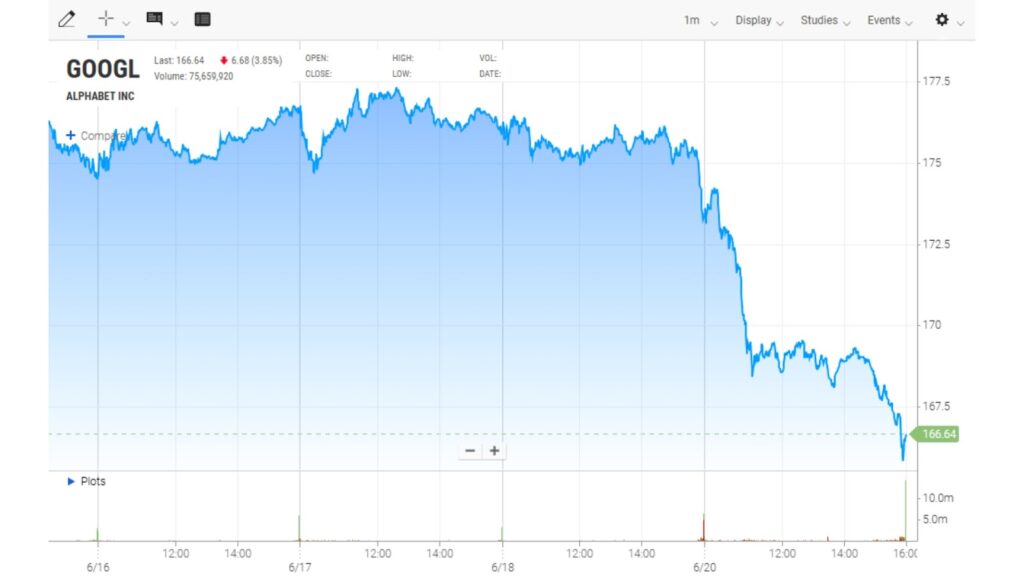
Attempting to time the “perfect” share price for Google is notoriously difficult. Because of its massive market capitalization, Google is a staple in many index funds and ETFs (such as those tracking the S&P 500). Many financial advisors suggest a “Dollar Cost Averaging” (DCA) approach—investing a set amount of money at regular intervals regardless of the price. This strategy mitigates the risk of buying at a temporary peak and allows investors to benefit from the company’s long-term compounding.
Analyzing the “Other Bets” Potential
When you buy a share of Google, you are also buying a stake in “Other Bets”—Alphabet’s venture capital-style projects. This includes Waymo (autonomous driving), Verily (life sciences), and Wing (drone delivery). While these segments currently operate at a loss, a breakthrough in any of them could lead to a massive re-valuation of the share price, similar to how AWS transformed Amazon.
The share price of Google is a complex mosaic reflecting global ad spend, technological innovation, and investor sentiment. Whether viewed through the lens of Class A or Class C shares, the stock remains a barometer for the health of the digital age. By focusing on fundamental metrics like P/E ratios and cash flow rather than just daily price movements, investors can gain a clearer understanding of what Google is truly worth in the evolving financial landscape.
aViewFromTheCave is a participant in the Amazon Services LLC Associates Program, an affiliate advertising program designed to provide a means for sites to earn advertising fees by advertising and linking to Amazon.com. Amazon, the Amazon logo, AmazonSupply, and the AmazonSupply logo are trademarks of Amazon.com, Inc. or its affiliates. As an Amazon Associate we earn affiliate commissions from qualifying purchases.