
In an era defined by persistent inflation, rising grocery bills, and a tightening housing market, the cost of air travel stands out as a curious anomaly. While the Consumer Price Index (CPI) has shown significant increases across various sectors over the last few years, airfares have frequently bucked the trend, often dropping to levels that seem inconsistent with the broader economic climate. To the casual observer, a $300 round-trip flight across the Atlantic or a $40 cross-country domestic jump feels like a glitch in the financial system. However, these prices are not accidental; they are the result of a complex intersection of macroeconomic stability, aggressive corporate competition, and a fundamental shift in how airlines manage their balance sheets.
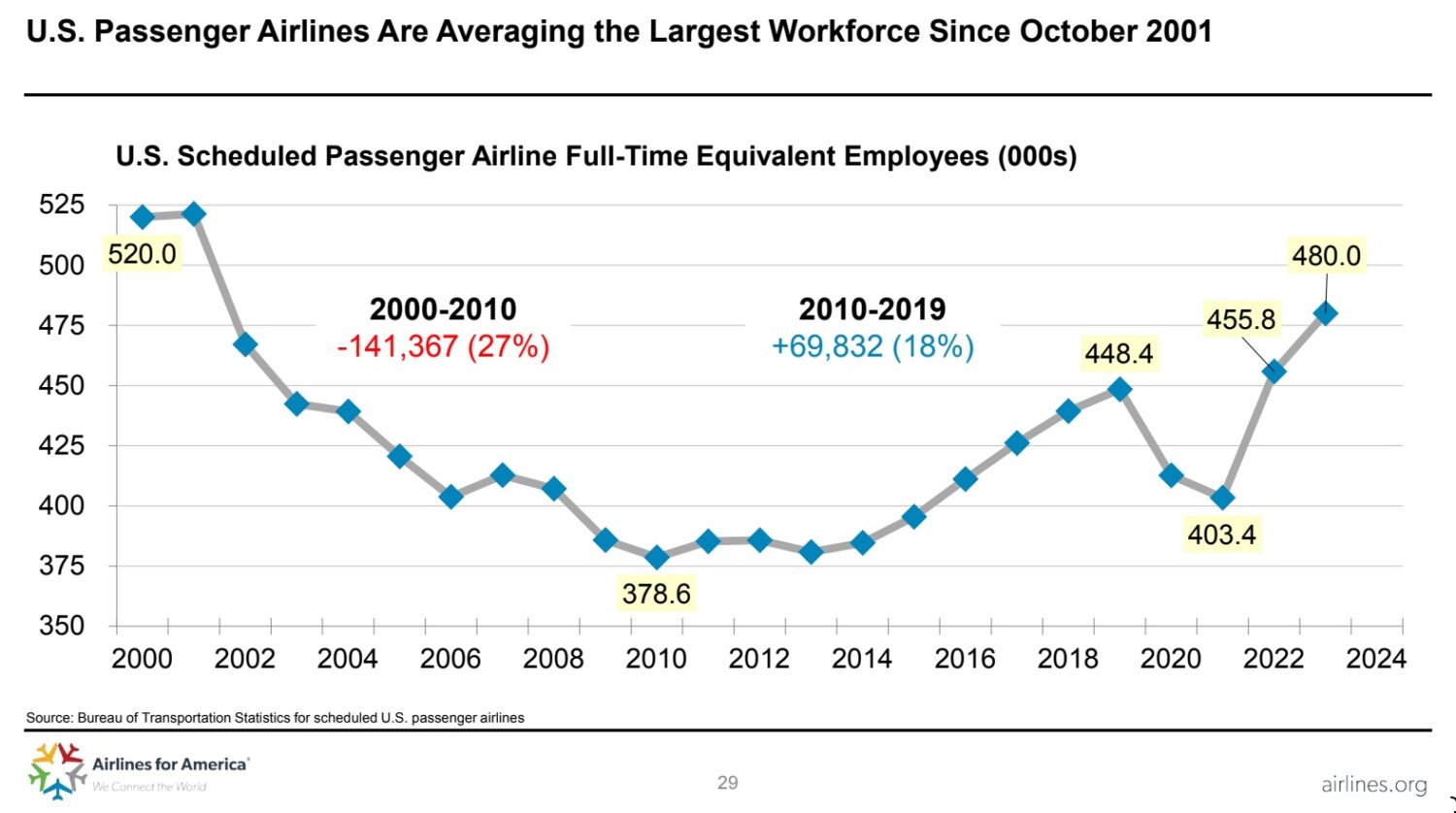
Understanding why flights are so affordable right now requires a deep dive into the financial mechanics of the aviation industry, the stabilization of global supply chains, and the strategic maneuvers of both legacy and low-cost carriers.
The Macroeconomics of Aviation: Fuel, Currency, and Capacity
At the core of every airline’s financial statement are two massive variables: the cost of fuel and the cost of labor. For much of the past decade, these variables were highly volatile, leading to unpredictable ticket pricing. Today, several macroeconomic factors have aligned to create a “sweet spot” for consumer pricing.
The Stabilization of Jet Fuel Costs
Jet fuel typically accounts for 20% to 30% of an airline’s total operating expenses. When oil prices spike, ticket prices inevitably follow. However, the energy market has entered a period of relative stabilization compared to the extreme volatility seen in 2022. Furthermore, many major carriers utilize “fuel hedging”—a financial strategy where they prepurchase fuel at a fixed price to protect against future spikes. This financial foresight allows airlines to maintain stable pricing structures even when the spot price of oil fluctuates, passing those savings (or at least the stability) on to the passenger.
The Surge in Fleet Capacity
During the height of the global pandemic, airlines retired older, less efficient aircraft and reduced their schedules to the bare minimum. As the world reopened, there was a massive lag between demand and available seats, causing prices to skyrocket. We are now seeing the inverse of that trend. Boeing and Airbus have worked through significant backlogs, delivering more fuel-efficient planes like the 737 MAX and the A321neo. These aircraft have a much lower cost per seat-mile, allowing airlines to turn a profit even at lower ticket prices. With more planes in the sky than at any point in the last five years, the supply of seats has finally caught up with—and in some markets, exceeded—consumer demand.
Market Competition and the Rise of the Ultra-Low-Cost Carrier (ULCC)
The democratization of flight is perhaps the greatest driver of lower prices. The “Money” aspect of aviation is no longer dominated by elite legacy carriers catering to business travelers; it is now driven by the high-volume, low-margin models of Ultra-Low-Cost Carriers (ULCCs).
The “Spirit Effect” on Pricing
In the financial world, competition is the ultimate regulator of price. When a budget airline like Spirit, Frontier, or Ryanair enters a specific route, legacy carriers like Delta, United, or British Airways are forced to respond. This phenomenon, often called the “Spirit Effect,” triggers a price war. To avoid losing market share, legacy airlines have introduced “Basic Economy” tiers. These are stripped-down financial products designed to compete directly with budget carriers. By unbundling the service—charging separately for bags, seat selection, and food—airlines can market a lower “headline price” while maintaining their margins through ancillary revenue.
Ancillary Revenue as a Profit Engine
The reason a flight can be sold for $49 is that the ticket price is no longer the airline’s only source of income. Modern airline finance relies heavily on ancillary revenue. From a business perspective, the seat itself is often a “loss leader”—a product sold at or below cost to attract the customer. The real profit is made on the “add-ons”: baggage fees, priority boarding, in-flight Wi-Fi, and credit card partnerships. This shift in the business model allows the base cost of travel to remain historically low, as the financial burden is shifted to travelers who opt for premium services.
The Financialization of Travel: Credit Cards and Loyalty Programs
One of the most overlooked reasons flights are “cheap” is that a significant portion of the traveling public isn’t paying with cash—they are paying with a secondary currency: points and miles.
Loyalty Programs as Multi-Billion Dollar Assets
For many major airlines, the loyalty program is actually more valuable than the airline operations themselves. During the financial lean years, carriers like United and American used their frequent flyer programs as collateral for multi-billion dollar loans. These programs are essentially massive financial institutions. They sell miles to banks (like Chase, Amex, and Citi) for cold hard cash. The banks, in turn, give these miles to consumers as incentives for spending on credit cards.
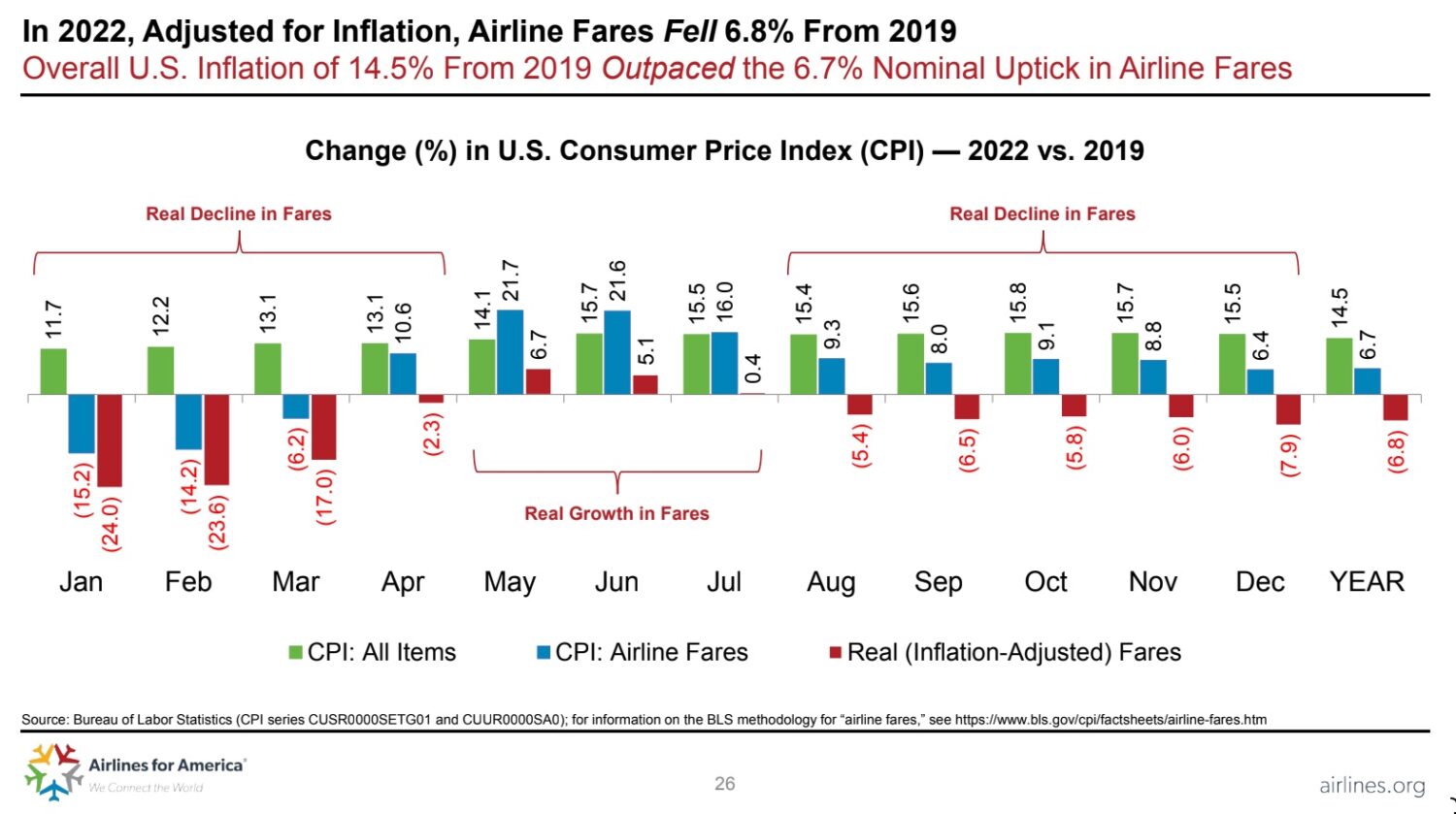
This ecosystem creates a massive “float” of capital that allows airlines to subsidize lower cash fares. Because they have already been paid by the banks for the miles used to book “award” seats, the airline’s cash flow is less dependent on every single seat being sold for a high cash value.
The Strategic Use of “Travel Hacking”
From a personal finance perspective, the rise of “travel hacking” has effectively lowered the cost of flights for the savvy consumer. With high sign-up bonuses and sophisticated redemption strategies, travelers are able to arbitrage their everyday spending into high-value flights. As more consumers become financially literate regarding points and miles, the perceived cost of travel continues to drop, forcing airlines to keep cash prices competitive to lure those who might otherwise book with points.
Post-Pandemic Correction and the “Revenge Travel” Plateau
In 2022 and 2023, the world experienced “revenge travel”—a period where consumers, flush with savings and tired of lockdowns, were willing to pay almost any price to fly. From a market perspective, this was an era of extreme price elasticity. That era has officially ended.
The Return of Price Sensitivity
Household budgets are now under pressure from higher interest rates and the exhaustion of pandemic-era savings. As a result, consumer price sensitivity has returned. Airlines are finding that they can no longer push the envelope on ticket prices without seeing a sharp drop in “Load Factor” (the percentage of seats filled). To keep their planes full—which is essential for covering the high fixed costs of a flight—airlines have been forced to implement aggressive discounting and promotional sales.
Shrinking Corporate Travel Budgets
Historically, airlines made their highest margins on last-minute business travelers who would pay $1,500 for a domestic flight. However, corporate finance departments have become much more stringent. The rise of virtual meetings and a more disciplined approach to corporate T&E (Travel and Entertainment) spending has led to a permanent reduction in high-fare business travel. To compensate for this loss in high-margin revenue, airlines are focusing on volume. They would rather sell a seat to a leisure traveler for $200 than leave it empty, leading to a downward pressure on general ticket prices.
How to Capitalize on the Current Pricing Environment
For the financially minded traveler, the current market offers a unique opportunity to maximize the “Return on Experience” for every dollar spent. However, navigating this landscape requires a strategic approach to personal finance and market timing.
Timing and the “Shoulder Season” Arbitrage
Just as an investor looks for undervalued stocks, a traveler should look for “undervalued” time slots. The current glut in capacity means that during “shoulder seasons” (the period between peak summer and the holidays), prices are hitting historic lows. Utilizing tools like Google Flights to track price trends and setting “buy triggers” is a form of financial forecasting that can save thousands of dollars annually.
Evaluating the True Cost of Unbundled Fares
When booking “cheap” flights, it is essential to calculate the “all-in” cost. A $100 flight on a ULCC might end up costing $250 after bag fees and seat assignments, whereas a $220 flight on a legacy carrier might include those amenities. From a business finance perspective, the cheapest headline price is not always the best value. Consumers should treat travel booking like a corporate procurement process: analyze the total cost of ownership (TCO) before making a purchase.
Leveraging Strong Currencies
For travelers based in the United States, the strength of the U.S. Dollar against the Euro, Yen, and Pound has effectively made international travel cheaper. Even if the flight itself isn’t at a record low, the “on-the-ground” costs—hotels, dining, and transportation—are significantly discounted when converted back to a strong home currency. This creates a high-value environment for international diversification of one’s travel budget.

The Future Outlook: Is This Sustainable?
The current period of cheap flights is a reflection of a specific set of economic conditions: high capacity, stabilized fuel, and intense competition. While these factors are currently aligned in favor of the consumer, the financial landscape of aviation is always in flux. Potential mergers between airlines, future fluctuations in energy markets, and the ongoing pressure of carbon offset regulations could eventually push prices back up.
For now, however, the math is clear. The combination of efficient new aircraft, a competitive unbundled service model, and the massive financial engine of credit card loyalty programs has made air travel more accessible than ever before. For the proactive individual, this is a period to leverage financial tools, maximize loyalty points, and take advantage of a market that—for the moment—is heavily weighted in the traveler’s favor.
aViewFromTheCave is a participant in the Amazon Services LLC Associates Program, an affiliate advertising program designed to provide a means for sites to earn advertising fees by advertising and linking to Amazon.com. Amazon, the Amazon logo, AmazonSupply, and the AmazonSupply logo are trademarks of Amazon.com, Inc. or its affiliates. As an Amazon Associate we earn affiliate commissions from qualifying purchases.