
For many households and business travelers, the cost of airfare has become a significant line item that requires rigorous budgeting and strategic planning. Over the past several years, the travel industry has experienced unprecedented volatility, with prices swinging dramatically due to a confluence of macroeconomic factors, supply chain disruptions, and shifting consumer behavior. Understanding when airline tickets will go down requires a deep dive into the financial mechanisms of the aviation industry, the current state of global oil markets, and the evolving strategies of yield management used by major carriers.
The Economic Forces Behind the Current Price Surge
To predict when prices might soften, one must first understand why they remain elevated. The airline industry operates on razor-thin margins, often sensitive to even the slightest shifts in operational costs. Currently, three primary financial pillars are keeping prices high: fuel costs, labor inflation, and the “revenge travel” demand cycle.
The Volatility of Jet Fuel and Energy Markets
Jet fuel typically accounts for 20% to 30% of an airline’s total operating expenses. Unlike consumer gasoline, jet fuel (kerosene) is subject to specific refining constraints. When global oil prices fluctuate due to geopolitical tensions or production cuts by OPEC+, airlines must immediately adjust their pricing models to remain solvent. We are currently in a period where refining capacity is stretched, keeping the “crack spread”—the difference between the price of crude oil and the refined product—at historic highs. Until energy markets stabilize or refining capacity increases, the floor for ticket prices will remain significantly higher than pre-2020 levels.
Labor Shortages and Wage Inflation
The aviation sector is incredibly labor-intensive. From pilots and flight attendants to ground crews and maintenance engineers, the industry has faced a massive talent drain. To attract and retain staff in a competitive labor market, airlines have had to sign record-breaking contracts with pilot unions and increase hourly wages for ground staff. These increased fixed costs are directly passed on to the consumer. From a financial perspective, these are “sticky” costs; unlike fuel, which can go down, wages rarely do. This suggests that the baseline cost of a ticket has permanently shifted upward.
Supply Chain Constraints and Fleet Management
Airlines are also grappling with a shortage of aircraft. Delivery delays from major manufacturers like Boeing and Airbus have prevented carriers from expanding their capacity to meet demand. When demand outstrips supply, the principles of microeconomics dictate that prices must rise. Many airlines are being forced to fly older, less fuel-efficient planes or reduce their flight frequencies on popular routes. Until the backlog of aircraft orders is cleared—a process that could take several years—supply will remain constrained, keeping downward pressure on prices minimal.
Financial Cycles: Timing Your Purchase for Maximum Value
While the macro outlook remains high, there are cyclical and seasonal opportunities for savvy travelers to find lower prices. Understanding the fiscal behavior of airlines can help individuals and businesses optimize their travel spend.
The Sweet Spot for Domestic and International Booking
From a data-driven perspective, airfare pricing follows a U-shaped curve. Booking too early can be as expensive as booking too late. For domestic travel, the financial “sweet spot” typically occurs between 28 and 60 days before departure. For international routes, the window expands to three to six months. During these periods, airlines begin to release lower-tier fare buckets to ensure the “load factor” (the percentage of seats filled) meets their internal projections. If a flight is not filling up according to the algorithm’s expectations, the system automatically triggers a price drop to stimulate demand.
Seasonal Fluctuations and the Fiscal Calendar
Travel demand is highly seasonal, dictated by school calendars and holiday cycles. However, there is also a fiscal component to consider. Corporate travel budgets are often more robust at the beginning of the fiscal year or at the start of a new quarter. When business travel surges, airlines raise prices on “economy plus” and flexible fares, which in turn lifts the price for standard economy. Traveling during “shoulder seasons”—specifically late April to early June and September through October—allows travelers to capitalize on the dip in corporate and family demand. These periods represent the most consistent times when airline tickets go down.
The Mid-Week Discount Phenomenon
While the myth of “booking on a Tuesday” has been largely debunked by real-time dynamic pricing, the financial benefit of flying on a Tuesday or Wednesday remains valid. Business travelers typically fly on Mondays and Thursdays/Fridays. By shifting the travel day to the middle of the week, consumers can often save 15% to 25% on the total ticket cost, as demand from high-paying corporate clients is at its lowest.

Leveraging Financial Technology and Reward Optimization
In an era of high prices, the “net cost” of a ticket can be significantly reduced by using sophisticated financial tools and loyalty arbitrage. The modern traveler should view airline tickets not just as a purchase, but as an asset class that can be hedged.
Points and Miles as an Inflation Hedge
For those looking to bypass cash prices entirely, credit card rewards programs offer a powerful hedge against inflation. When cash prices for tickets rise, the “cent-per-point” value of travel rewards often increases. By strategically earning points through sign-up bonuses and category-specific spending (e.g., 3x points on groceries or dining), travelers can lock in travel value that is decoupled from the current consumer price index. Sophisticated users utilize “transfer partners” to move bank points to airline programs where the redemption math is most favorable, effectively lowering their out-of-pocket costs to mere taxes and fees.
Utilizing Price Tracking and Algorithmic Tools
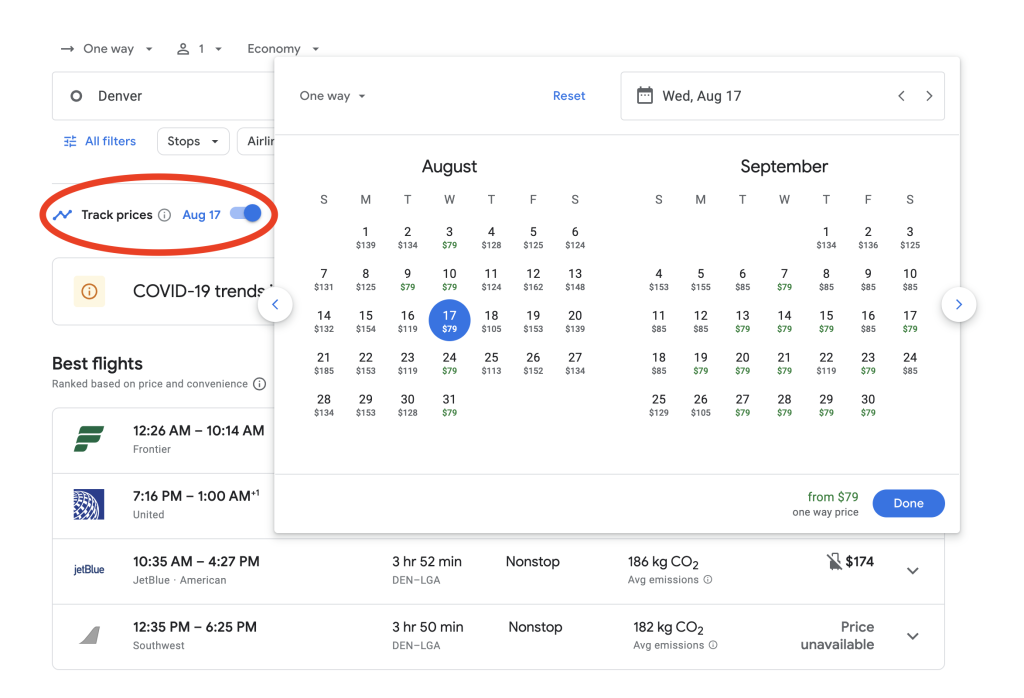
Financial technology has empowered the consumer with the same data used by the airlines. Tools that utilize machine learning can analyze trillions of data points to predict whether a fare will rise or fall. By setting “price alerts” on platforms like Google Flights or specialized fintech apps, travelers can wait for the algorithm to signal a price drop. Some financial services even offer “price freeze” options for a small fee, allowing a consumer to lock in a price today while they decide whether to purchase, providing a form of “options trading” for the casual traveler.
The Rise of Low-Cost Carriers (LCCs) and Market Competition
Competition is the greatest downward pressure on price. The expansion of ultra-low-cost carriers (ULCCs) into major hubs forces “legacy” carriers to introduce “Basic Economy” fares. From a personal finance standpoint, these fares are a double-edged sword. While the sticker price is lower, the unbundling of services (baggage, seat selection, boarding priority) can lead to higher total costs. A disciplined traveler who can avoid these “ancillary fees” can successfully travel for a fraction of the market rate, effectively forcing the industry to compete for their business.
The Macroeconomic Outlook: When Will We See a Correction?
Looking ahead, the question of when airline tickets will go down is tied to the broader global economy. If the central banks’ efforts to curb inflation lead to a significant cooling of the economy, we can expect a decrease in discretionary spending.
Impact of Interest Rates and Consumer Spending
High-interest rates generally lead to a reduction in consumer credit usage and a slowdown in big-ticket purchases. As households tighten their belts, the record-breaking demand for international travel is expected to normalize. When the “excess savings” accumulated during the pandemic era are fully depleted, airlines will no longer be able to maintain high prices without seeing a drop in occupancy. Most financial analysts predict a “soft landing” for airfare in late 2024 and 2025, where prices don’t necessarily crash but stop their aggressive upward trajectory.
Technological Advancements and Operational Efficiency
In the long term, the financial health of the airline industry—and the subsequent pricing for consumers—will depend on efficiency. The transition to more fuel-efficient engines and the implementation of AI for route optimization will eventually reduce the cost per available seat mile (CASM). As airlines become more efficient at managing their fleets and fuel consumption, the savings may eventually trickle down to the consumer in the form of more competitive pricing, particularly in highly contested markets.
Final Financial Strategy for Travelers
Predicting the exact moment airline tickets will go down is impossible, but managing the cost of travel is entirely within a consumer’s control through diligent financial planning. To minimize the impact of high airfare on your personal or business finances:
-
Treat Travel as a Fixed Budget Category: Instead of waiting for a deal, set aside a monthly “travel sinking fund” to ensure that when a price drop occurs, the capital is ready for immediate deployment.
-
Diversify Your Loyalty Portfolio: Do not remain loyal to a single carrier if their pricing is no longer competitive. Use a “free agent” approach, prioritizing the best ROI on your cash and points.
-
Monitor the Macro Indicators: Keep an eye on jet fuel prices and airline capacity announcements. If you see major carriers increasing their flight frequencies, it is a leading indicator that supply is catching up to demand, and lower prices are likely on the horizon.
While the days of ultra-cheap, subsidized airfare may be behind us due to structural shifts in the global economy, the market remains cyclical. By understanding the underlying financial drivers, utilizing modern booking technology, and maintaining a flexible strategy, you can navigate the high-cost environment and secure travel at a price that aligns with your financial goals.
aViewFromTheCave is a participant in the Amazon Services LLC Associates Program, an affiliate advertising program designed to provide a means for sites to earn advertising fees by advertising and linking to Amazon.com. Amazon, the Amazon logo, AmazonSupply, and the AmazonSupply logo are trademarks of Amazon.com, Inc. or its affiliates. As an Amazon Associate we earn affiliate commissions from qualifying purchases.