
For many households and individual investors, travel represents one of the most significant discretionary expenses in an annual budget. Unlike fixed costs such as mortgage payments or insurance premiums, airfare is notoriously volatile, subject to the whims of complex algorithms, geopolitical shifts, and seasonal demand. Mastering the art of timing your airline ticket purchase is not merely about convenience; it is a critical component of personal finance management. By understanding the mechanics of the aviation market, savvy travelers can recapture hundreds, if not thousands, of dollars that would otherwise be lost to dynamic pricing.
The Economics of Airfare Pricing: Understanding Market Dynamics
To successfully time a purchase, one must first understand how airlines set their prices. The aviation industry utilizes a sophisticated model known as “yield management” or “revenue management.” This is a variable pricing strategy, based on anticipating and influencing consumer behavior to maximize profits from a fixed, time-limited resource—the airplane seat.
Dynamic Pricing and Yield Management
Airlines do not have a single price for a seat. Instead, they divide the cabin into “fare buckets.” As seats are sold, the lower-priced buckets are closed, forcing subsequent buyers into higher price tiers. This system is driven by real-time data, including historical booking trends, remaining capacity, and even competitor pricing. From a financial perspective, the goal of the airline is to ensure that the last few seats are sold at the highest possible price to business travelers who have inelastic demand—meaning they will pay whatever is necessary to reach a meeting. For the budget-conscious traveler, the objective is to secure a seat in the earliest, lowest-priced buckets before they disappear.
The Role of Artificial Intelligence in Price Fluctuations
Modern airline pricing is increasingly dictated by machine learning algorithms that can adjust fares hundreds of times per day. These systems factor in global economic indicators, fuel price volatility, and local events. For the consumer, this means that “static” advice—such as the outdated notion that tickets are always cheapest on a specific day of the week—is becoming less reliable. Instead, the focus must shift to identifying “price floors” and “sweet spots” within a broader booking window.
Strategic Booking Windows: Timing Your Purchase for Maximum Savings
One of the most frequent questions in personal finance is how far in advance one should commit capital to a flight. While the “early bird” often gets the deal, booking too early can be just as financially detrimental as booking too late.
The Domestic “Goldilocks Window”
For domestic travel, historical data suggests a “Goldilocks Window”—a period that is not too early and not too late. Generally, this window opens approximately one to three months before departure. During this timeframe, airlines begin to assess their load factors. If a flight is under-booked, they may release more seats into lower fare buckets to stimulate demand. Research consistently shows that booking approximately 28 to 60 days out yields the lowest average price for domestic routes. Booking more than six months in advance often results in paying a “premium for certainty,” as airlines have no incentive to lower prices while the departure date is still far on the horizon.
International Lead Times and Capital Allocation
International travel requires a different financial strategy. Because these routes involve higher operational costs and less frequent service, the booking window shifts earlier. For transoceanic flights, the optimal window is typically three to seven months in advance. For high-demand periods, such as summer in Europe or December in Southeast Asia, extending that window to eight or ten months can be a prudent defensive move against price spikes. From a cash-flow perspective, international bookings represent a significant capital outlay; therefore, timing the purchase during a period of lower personal expenses or after a quarterly bonus can help maintain overall financial stability.
The Tuesday Myth vs. Reality
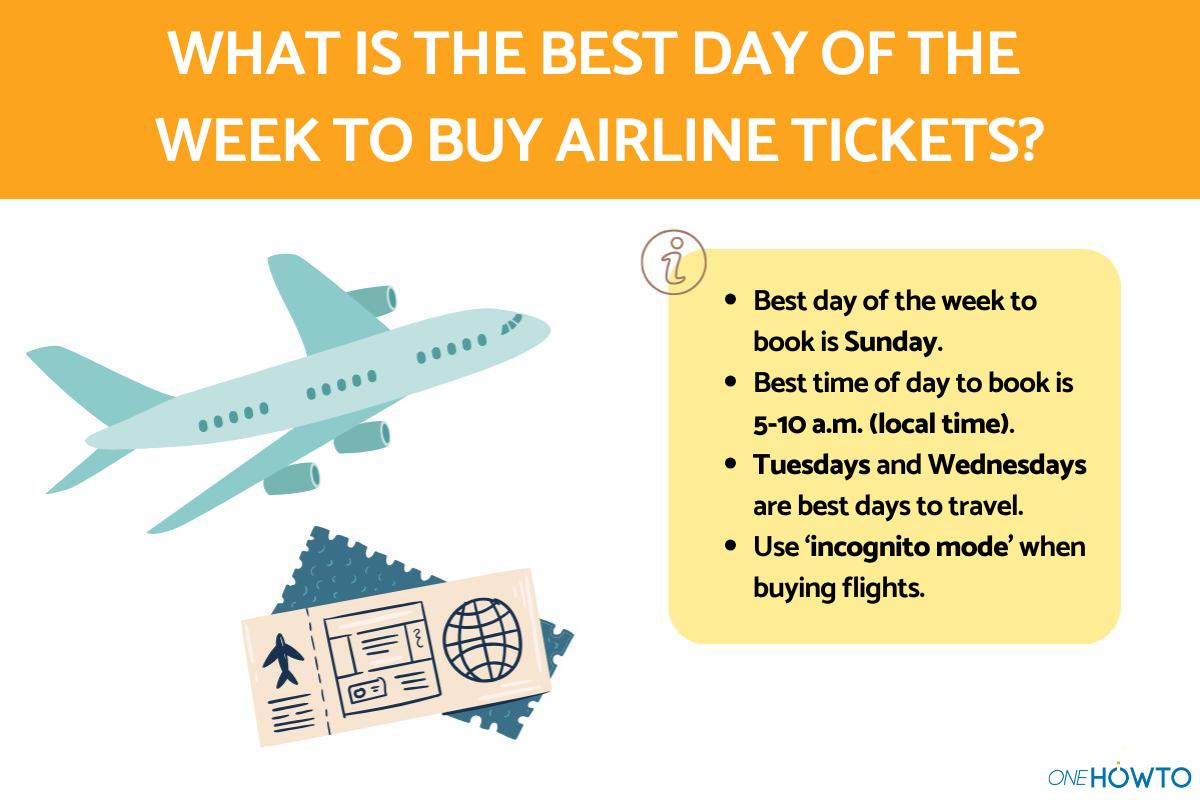
There is a long-standing myth that booking a flight at 3:00 AM on a Tuesday is the secret to savings. While there was once a grain of truth to this—due to how airlines manually refreshed their systems in the early 2000s—it is largely obsolete in the age of 24/7 automated pricing. However, the day of travel remains a massive factor. Flying on a Tuesday, Wednesday, or Saturday is significantly cheaper than flying on a Friday or Sunday. Shifting your travel itinerary by 24 to 48 hours can often result in a 20% to 30% reduction in ticket costs, which represents a high return on investment for the simple effort of scheduling flexibility.
Seasonality and the Calendar Effect on Travel Costs

In the world of investing, the “January Effect” describes a seasonal increase in stock prices. A similar phenomenon exists in airfare, where specific times of the year dictate the price floor regardless of when you book.
Navigating the Shoulder Season
The most effective way to optimize a travel budget is to target the “shoulder seasons”—the periods between peak and off-peak travel. For most of the Northern Hemisphere, these occur from April to June and September to November. During these windows, weather remains favorable, but demand drops as children are in school and business travel stabilizes. Financially, traveling during the shoulder season allows a consumer to experience a “luxury” destination on a “budget” price point, effectively increasing the purchasing power of their travel fund.
Holiday Budgeting and Defensive Booking
Holidays like Thanksgiving, Christmas, and Lunar New Year represent the most challenging times for airline ticket purchases. In these instances, the traditional “Goldilocks Window” often fails because demand is guaranteed to exceed supply. The strategy here shifts from “finding a deal” to “mitigating loss.” For peak holiday travel, the cheapest time to buy is often as soon as the schedule opens (usually 330 days in advance) or by June for end-of-year travel. Waiting for a “last-minute deal” during a major holiday is a high-risk gamble that rarely pays off in the current economic climate.
Financial Tools and Tactics to Lower Flight Expenses
To truly master airfare costs, one must move beyond simple timing and utilize the financial tools available to modern consumers. These tactics turn the process of buying a ticket into a disciplined investment strategy.
Price Tracking and Automation
In a market where prices change hourly, manual searching is inefficient. Financial discipline requires the use of price tracking tools. Services that provide historical price data allow you to see whether a current fare is “high,” “typical,” or “low” for that specific route. Setting price alerts ensures that you are notified the moment an airline enters a “flash sale” or adjusts its yield management strategy downward. This allows for proactive rather than reactive spending.
The 24-Hour Rule and “Cancel for Any Reason” Strategies
In the United States, Department of Transportation regulations require airlines to allow consumers to cancel a booking within 24 hours of purchase without penalty, provided the ticket was booked at least seven days before departure. This creates a risk-free window to “lock in” a price while continuing to monitor the market. If a lower price appears on a different carrier or the same route within that 24-hour window, the original ticket can be liquidated and the cheaper one purchased, instantly improving the consumer’s bottom line.
Leveraging Credit Card Rewards and Points
No discussion of airline ticket financing is complete without addressing travel rewards. For those with high credit scores and disciplined spending habits, credit card points act as a secondary currency. The “cheapest” time to buy a ticket is often when it can be bought with points instead of cash, especially during periods of high inflation. By earning a 2% to 5% “return” on everyday spending through rewards programs, travelers can offset the rising cost of tickets. Furthermore, many premium travel cards offer “price protection” or “trip delay” insurance, which provides a financial safety net that would otherwise cost extra when purchased directly from an airline.
Developing a Long-Term Travel Budgeting Strategy
Ultimately, finding the cheapest time to buy airline tickets is about more than just a single transaction; it is about integrating travel into a broader financial plan.
Sinking Funds for Travel
Rather than relying on high-interest credit card debt to fund a flight, proactive savers use “sinking funds.” By calculating the estimated cost of an annual trip and dividing it by twelve, a traveler can set aside a fixed monthly amount in a high-yield savings account. This ensures that when the “Goldilocks Window” opens, the capital is ready and available to be deployed immediately, allowing the traveler to strike when prices are lowest without disrupting their other financial goals.

Value-Based Travel Decisions
Finally, it is important to distinguish between the “cheapest” flight and the “best value” flight. A ticket that is $50 cheaper but involves two layovers and an overnight stay in an airport may end up being more expensive when accounting for the cost of food, lost productivity, and physical fatigue. A professional approach to travel finance weighs the “opportunity cost” of time against the nominal price of the ticket.
By combining an understanding of airline yield management, strategic booking windows, and modern financial tools, consumers can navigate the complexities of the aviation market with confidence. The “cheapest” time to buy is not a single date on the calendar, but a convergence of data-driven timing, seasonal awareness, and disciplined financial preparation. Through this lens, airfare ceases to be an unpredictable burden and becomes a manageable, optimized component of a healthy financial life.
aViewFromTheCave is a participant in the Amazon Services LLC Associates Program, an affiliate advertising program designed to provide a means for sites to earn advertising fees by advertising and linking to Amazon.com. Amazon, the Amazon logo, AmazonSupply, and the AmazonSupply logo are trademarks of Amazon.com, Inc. or its affiliates. As an Amazon Associate we earn affiliate commissions from qualifying purchases.