
For the modern professional and the financially conscious individual, airfare represents one of the most volatile line items in a budget. Unlike fixed costs such as rent or insurance, the price of a flight can fluctuate by hundreds of dollars within a single twenty-four-hour cycle. Understanding the mechanics of when airfare prices drop is not merely a matter of “travel hacks”; it is a sophisticated exercise in personal finance and market timing. By treating airfare acquisition as a strategic purchase rather than an emotional one, travelers can significantly improve their bottom line and allocate capital more efficiently toward other investment goals.
The Financial Architecture of Airline Pricing Models
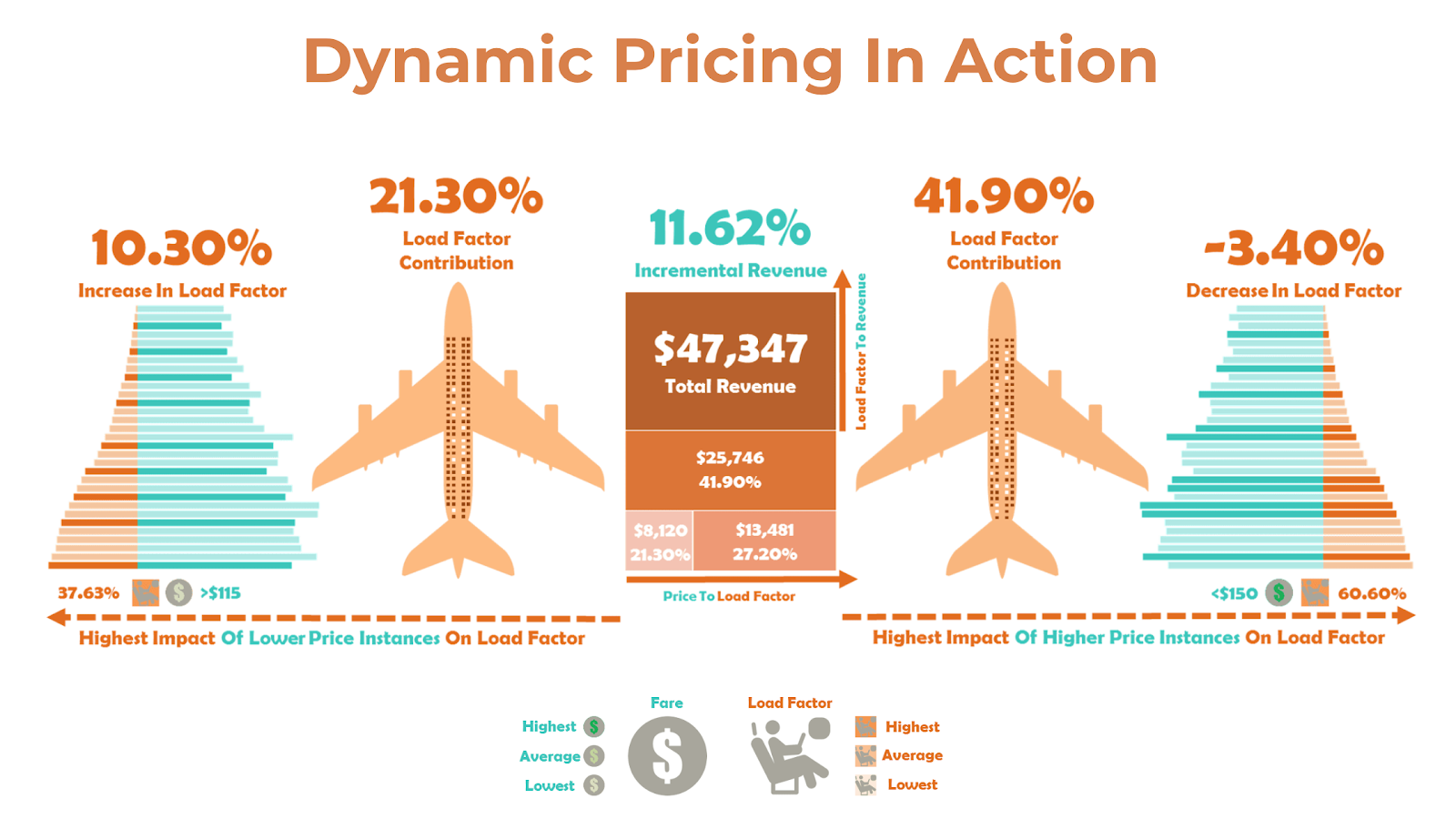
To predict when prices will drop, one must first understand why they fluctuate. Airlines utilize highly advanced dynamic pricing algorithms, often referred to as yield management systems. These systems are designed to maximize the Revenue Per Available Seat Mile (RASM) by adjusting prices in real-time based on demand, remaining inventory, and historical data.
Understanding the Mechanics of Yield Management
Yield management is a form of price discrimination where different customers are charged different prices for the same service. From a financial perspective, airlines categorize travelers into two main segments: leisure and business. Leisure travelers are usually price-sensitive and plan far in advance, while business travelers are price-insensitive and book at the last minute. The price drop window typically occurs when the algorithm detects that the “leisure” seats have not been filled at the current price point, prompting a downward adjustment to stimulate demand before the “business” booking window opens, during which prices soar.
The Role of Fare Buckets and Inventory
Airlines do not sell every seat on a plane at the same price. Instead, they divide the cabin into “fare buckets.” There may be only ten seats available at the lowest price point. Once those are sold, the price automatically jumps to the next tier. Prices “drop” when an airline releases a new batch of lower-tiered fare buckets or when a significant number of travelers cancel their reservations, triggering the algorithm to reset the price to a lower threshold to maintain high load factors.
Market Volatility and the Myth of “Cheap Tuesdays”
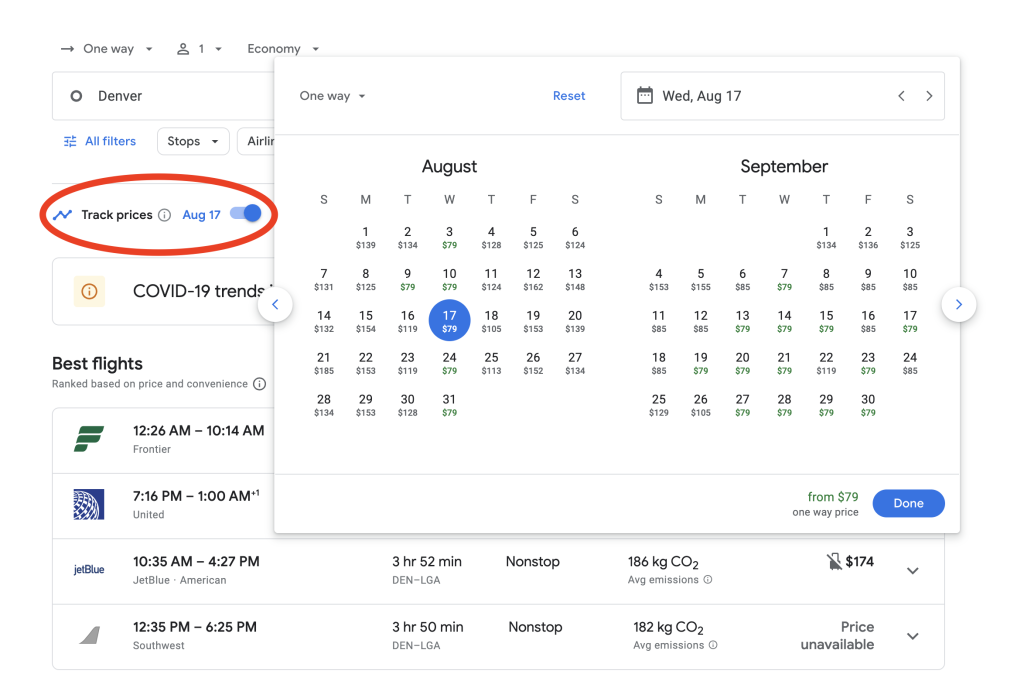
A common misconception in personal finance circles is that airfare always drops on Tuesday at midnight. While historical data once supported this—largely due to airlines manually updating their databases once a week—modern AI-driven pricing has rendered this rule obsolete. Prices now drop whenever the data suggests a surplus of supply. However, the travel days of Tuesday and Wednesday remain statistically cheaper because demand from both business and weekend-leisure travelers is at its lowest point mid-week.
Identifying the Strategic Booking Window
Timing the market is notoriously difficult in stock trading, but in the travel market, there are specific “Goldilocks zones” where the probability of hitting a price floor is highest. Finding this window is essential for long-term budget management.
The Domestic and International Booking Horizons
For domestic travel, the financial sweet spot generally occurs between one and three months before departure. Data suggests that booking too early (more than six months out) often results in paying a premium, as airlines set high baseline prices to capture early planners who are willing to pay for certainty. Conversely, booking less than 21 days before departure triggers “last-minute” pricing, targeting corporate budgets with high-cost tickets.
For international travel, the window shifts significantly. Because the financial stakes are higher and the capacity is lower, the optimal drop period is usually between four and eight months before departure. For peak seasons, such as summer in Europe or December holidays, this window may open even earlier.
Seasonal Cycles and Budgetary Planning
Airfare prices follow cyclical patterns tied to the fiscal calendar and school holidays. Prices almost inevitably drop during “shoulder seasons”—the periods between peak and off-peak travel. For example, late September through early November, and late January through March, represent periods of lower demand. From a financial planning perspective, scheduling travel during these windows can yield a 30% to 50% reduction in total trip costs, providing a superior return on investment for your leisure spending.
The Impact of Route Competition on Price Drops
The presence of low-cost carriers (LCCs) on a specific route creates a “price floor” effect. When a legacy carrier faces competition from a budget airline on the same route, they are more likely to drop prices aggressively to protect their market share. Monitoring the entry of new carriers into a regional market is a leading indicator of upcoming price drops across all competitors in that sector.
Utilizing Financial Tools and Technology for Price Optimization
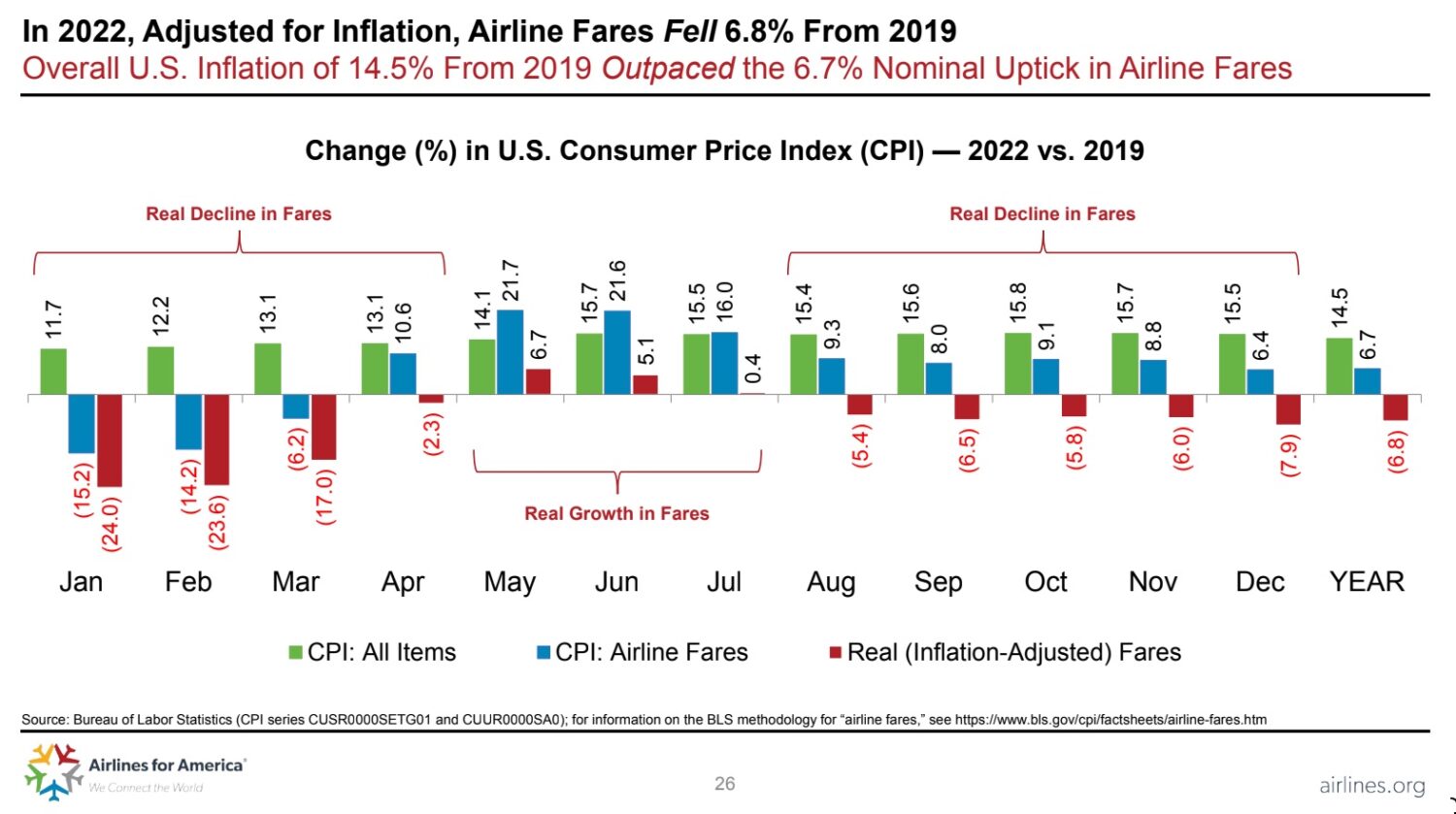
In the digital age, manual tracking of airfare is an inefficient use of time. Professional-grade financial tools and aggregators can automate the process, ensuring you execute a purchase at the optimal price point.
Leveraging Automated Price Alerts
Financial discipline requires removing emotion from the purchasing process. By setting up automated price alerts via platforms like Google Flights or specialized tracking software, you can establish a “strike price.” Much like a limit order in stock trading, you determine the maximum you are willing to pay based on historical averages, and you only execute the purchase when the notification indicates the price has hit your target.
The Financial Utility of Credit Card Rewards and Points
When analyzing the cost of airfare, one must consider the “net cost.” Savvy financial managers use high-yield travel credit cards to offset the impact of high fares. When airfare prices drop, it is often the best time to redeem points, as the “cents per point” value can be maximized. Furthermore, many premium financial cards offer “price protection” or “trip delay” insurance, which provides a hedge against the inherent risks of travel, effectively lowering the total cost of ownership for the ticket.
Predictive Analytics and Forecasting Software
Several apps now use machine learning to predict whether a price will drop or rise in the coming days. These tools analyze billions of historical data points to provide a “buy” or “wait” recommendation. For those managing a travel budget, these forecasts provide a data-driven layer of security, reducing the likelihood of “buyer’s remorse” associated with purchasing a ticket that drops in price the following day.
Advanced Tactics for Cost Mitigation
Beyond simple timing, there are several advanced strategies that align with sophisticated financial management to reduce the cost of airfare.
The Strategy of Alternative Airports and Multi-City Routing
Often, the price of a flight to a primary hub is significantly higher than a flight to a secondary airport within a 50-mile radius. From a cost-benefit analysis perspective, the savings from flying into a secondary airport often far outweigh the additional transportation costs to the final destination. Additionally, “open-jaw” tickets—where you fly into one city and out of another—can sometimes trigger lower fare calculations within the airline’s pricing logic, optimizing the total travel circuit.
Error Fares and Flash Sales: Financial Arbitrage in Travel
Occasionally, airlines make technical errors in their pricing—listing a $1,200 flight for $120. While rare, these “error fares” represent a form of financial arbitrage. There are communities and tools dedicated to tracking these anomalies. For a person with a flexible travel fund, taking advantage of an error fare or a 24-hour flash sale can result in massive savings, although it requires the liquidity to book immediately when the opportunity arises.
The Corporate Perspective: Managing Business Travel Budgets
For business owners and corporate managers, controlling airfare costs is a matter of maintaining healthy margins. Implementing a company-wide policy that requires booking during the 21-day window, utilizing “hidden city” ticketing software (where appropriate and legal), and negotiating corporate discounts with specific carrier alliances can lead to five-figure annual savings. This capital can then be reinvested into core business operations or employee development.
Long-Term Financial Planning for Travel Costs
Treating travel as a recurring capital expenditure rather than a spontaneous whim allows for better long-term financial health.
Establishing a Dedicated Travel Sinking Fund
The best way to capitalize on a sudden drop in airfare is to have the cash readily available. A “sinking fund” is a strategic savings account specifically designated for a future expense. By contributing a fixed amount monthly to a high-yield savings account for travel, you ensure that when a price drop occurs, you have the liquidity to act instantly without disrupting your primary investment portfolio or incurring high-interest credit card debt.
Hedging Against Inflation in the Travel Sector
As fuel prices and labor costs rise, the baseline price of airfare tends to track with inflation. To hedge against these rising costs, some travelers invest in airline stocks or travel-related ETFs. While this introduces market risk, it creates a natural hedge; as travel demand and prices increase, the value of the investment may also rise, offsetting the higher cost of personal travel.
The Value of Flexibility and Opportunity Cost
Ultimately, the greatest tool for capturing a price drop is flexibility. From a financial standpoint, the “opportunity cost” of being locked into a specific date can be hundreds of dollars. By utilizing “flexible date” search tools, you can identify the cheapest days to fly within a given month. This minor adjustment in scheduling can lead to an outsized return on your travel investment, allowing you to maintain a high quality of life while adhering to a rigorous financial plan.
By applying these principles of market analysis, technological leverage, and disciplined budgeting, airfare shifts from an unpredictable expense to a manageable variable. Understanding when airfare prices drop is not just about finding a deal—it is about mastering the financial landscape of the modern world.
aViewFromTheCave is a participant in the Amazon Services LLC Associates Program, an affiliate advertising program designed to provide a means for sites to earn advertising fees by advertising and linking to Amazon.com. Amazon, the Amazon logo, AmazonSupply, and the AmazonSupply logo are trademarks of Amazon.com, Inc. or its affiliates. As an Amazon Associate we earn affiliate commissions from qualifying purchases.