
In the early eras of commercial aviation, checking a flight status required a physical presence at the airport, staring intently at a mechanical split-flap display, or making a series of phone calls to a busy gate agent. Today, the process has been completely digitized and decentralized. The intersection of satellite technology, global data feeds, and mobile software has transformed flight tracking into a sophisticated tech hobby and a vital utility for the modern traveler. Understanding how to check a flight status in the modern age requires a look under the hood of the global aviation software ecosystem.

The Digital Infrastructure of Flight Tracking
To understand how to check a flight status effectively, one must first understand where the data originates. We no longer rely solely on the airline’s manual updates; instead, we tap into a global network of hardware and software that provides a real-time heartbeat of the skies.
ADS-B Technology: The Backbone of Modern Tracking
The primary technology driving modern flight tracking is Automatic Dependent Surveillance-Broadcast (ADS-B). Unlike traditional radar, which “pings” an aircraft to determine its position, ADS-B equipped aircraft broadcast their GPS location, altitude, speed, and other data to ground stations and satellites once per second.
For the tech-savvy traveler, this means that “flight status” is no longer a binary “On Time” or “Delayed” notification. By accessing ADS-B data via specialized apps, users can see exactly where an aircraft is in the sky, its rate of descent, and even its ground speed. This raw data is often more accurate than the information displayed on airport monitors, which may suffer from human entry delays or administrative lag.
MLAT and Satellite Integration
In areas where ground-based ADS-B receivers are sparse—such as over the middle of the ocean—the tech community utilizes Multilateration (MLAT). This process calculates an aircraft’s position by measuring the Time Difference of Arrival (TDOA) of signals at multiple receivers. Furthermore, a new generation of space-based ADS-B receivers mounted on low-earth orbit satellites ensures that flight status remains “live” even when a plane is thousands of miles from the nearest coastline. When you check a flight status today, you are essentially querying a global mesh network of terrestrial and orbital sensors.
Essential Software and Mobile Ecosystems
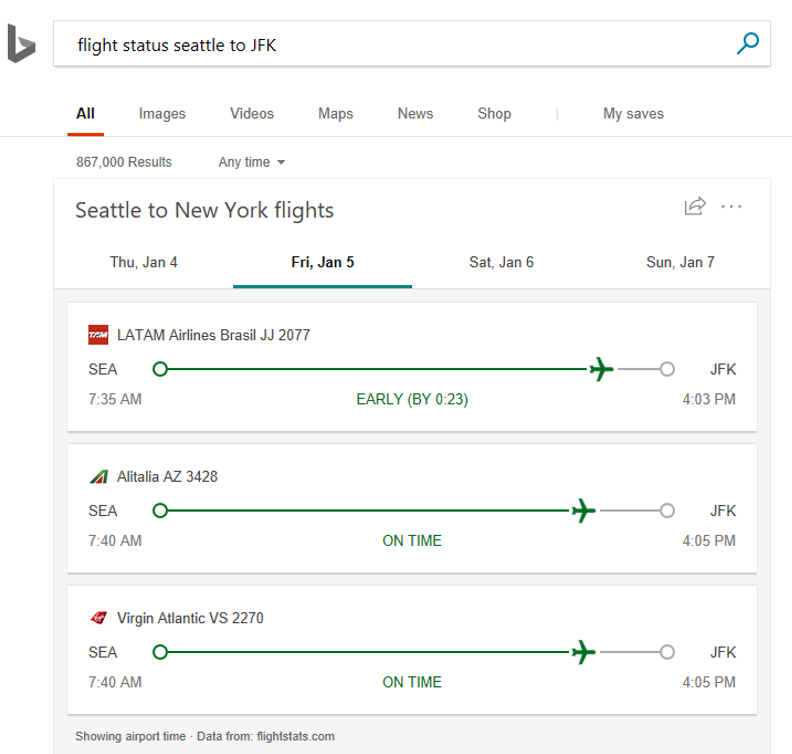
The software you choose to check a flight status determines the depth of information you receive. While a simple Google search provides a snapshot, dedicated applications offer a deeper dive into the logistics of the flight.
Native Airline Apps vs. Third-Party Aggregators
Most travelers begin with the native app of the carrier they are flying (e.g., Delta, United, or Lufthansa). These apps are excellent for internal logistics, such as gate changes, boarding pass integration, and baggage tracking. However, they are often the last to announce a delay. This is because airlines often wait for official internal confirmation before updating their public-facing status.
In contrast, third-party aggregators like FlightRadar24, FlightAware, and Flighty utilize direct feeds from the FAA, Eurocontrol, and global ADS-B networks. These tools often alert users to a delay 15 to 30 minutes before the airline’s official notification. For instance, if you see that your incoming aircraft is still 200 miles away but your flight is scheduled to depart in 20 minutes, you know a delay is inevitable, even if the airline app still says “On Time.”
The Rise of “Live Activities” and Widgets
For iOS and Android users, the technology behind checking a flight status has moved from the app into the operating system’s UI. Features like iOS “Live Activities” allow a flight’s progress to be pinned to the lock screen or the Dynamic Island. This represents a shift from “pull” technology (where the user must open an app to check) to “push” technology (where the data is constantly visible). This persistent data stream includes countdowns to departure, gate numbers, and even a progress bar of the flight’s physical path, all updated via background refresh cycles.
Integrating Flight Data with Digital Calendars
Modern productivity suites like Google Workspace and Microsoft Outlook have built-in parsers that scan confirmation emails to automatically create calendar events. These events are linked to real-time data feeds. When you open your calendar to check your schedule, the flight status is updated via an API call, providing a seamless bridge between your personal planning and the global aviation grid.
Automation and Proactive Monitoring
For power users, checking a flight status isn’t a manual task; it’s an automated workflow. By leveraging automation tools, you can ensure that the information comes to you exactly when and where you need it.
Setting Up Push Notifications and Webhooks
Apps like Flighty Pro offer “pilot-grade” notifications. These alerts go beyond basic status updates; they notify you if there is a change in the flight plan, a squawk code (emergency signal) from the aircraft, or a change in the weather at the destination. For developers or tech enthusiasts, some services offer webhooks that can trigger smart home events. Imagine your smart lights turning green when a family member’s flight enters the local airspace, or your Slack status automatically updating to “Traveling” based on your flight’s takeoff.
Using IFTTT and Shortcuts for Travel
The “If This Then That” (IFTTT) platform and Apple’s Shortcuts app allow for sophisticated travel automation. You can create a script that checks your flight status every hour and, if a delay of more than 60 minutes is detected, automatically sends a text message to your Uber driver or hotel. This level of technological integration turns a flight status check from a moment of anxiety into a data point that triggers a sequence of helpful actions.
The Future of Air Travel Tech: Predictive Modeling
We are moving into an era where “checking” a flight status will involve looking into the future. AI and machine learning are now being applied to historical and real-time aviation data to predict delays before they happen.
AI-Driven Predictive Delay Modeling
Companies are now using algorithms to analyze “cascading delays.” If a major storm hits Chicago O’Hare in the morning, an AI can predict how that will affect a flight in Atlanta in the evening by tracking the tail number’s scheduled rotation. When you check your status through these advanced platforms, you might see a “Delay Risk” indicator. This isn’t based on an official announcement but on a machine-learning model analyzing air traffic congestion, weather patterns, and aircraft maintenance cycles.
Augmented Reality (AR) in Flight Tracking
The next frontier in flight status technology is Augmented Reality. Some apps now feature an AR mode where you can point your phone’s camera at a plane in the sky and instantly see its flight number, destination, altitude, and status. While this feels like a novelty, the underlying tech—combining GPS, compass data, and real-time API feeds—is a testament to how accessible aviation data has become. In an airport setting, AR is being used to guide passengers to their gates, with the flight status overlaid on the physical world, creating a heads-up display for the traveler.
Cybersecurity and Privacy in Travel Tracking
As we rely more on digital tools to check flight status, the importance of digital security cannot be overstated. Your flight status is tied to your Personally Identifiable Information (PII), and managing that data requires tech-savviness.
Protecting Your PNR and Digital Footprint
A flight status is often linked to a Passenger Name Record (PNR) or a confirmation code. Tech-focused travelers should be aware that sharing a screenshot of a “status check” on social media can expose this code. A PNR can be used by malicious actors to access your frequent flyer account, change your seat, or even cancel your flight. Always use secure, encrypted apps to track your status and be wary of third-party sites that ask for your login credentials to “sync” your flights.
Verifying Data Sources
In an age of misinformation, it is crucial to verify the source of your flight data. While third-party apps are fast, the airline’s internal system remains the “source of truth” for legal and logistical purposes. If a third-party app says your flight is cancelled but the airline says it’s on time, the airline’s status is what determines your presence at the gate. The best tech strategy is to use a “multi-source” approach: use a high-speed aggregator for early warnings and the official airline app for boarding and official changes.

Conclusion
Checking a flight status has evolved from a simple inquiry into a sophisticated exercise in data management. By understanding the underlying ADS-B technology, leveraging the power of mobile ecosystems, and embracing AI-driven predictions, travelers can navigate the complexities of modern aviation with unprecedented clarity. The technology doesn’t just tell you where your plane is; it gives you the most valuable commodity in travel: time. Whether it’s knowing you have time for one more coffee at the lounge or realizing you need to rebook a connection before the rest of the passengers even know there’s a problem, mastering the tech of flight tracking is the ultimate travel hack.
aViewFromTheCave is a participant in the Amazon Services LLC Associates Program, an affiliate advertising program designed to provide a means for sites to earn advertising fees by advertising and linking to Amazon.com. Amazon, the Amazon logo, AmazonSupply, and the AmazonSupply logo are trademarks of Amazon.com, Inc. or its affiliates. As an Amazon Associate we earn affiliate commissions from qualifying purchases.