
In the realm of personal finance, travel is often viewed as a discretionary luxury—a significant outflow of capital that yields experiential dividends but offers no tangible return on investment. However, for the financially savvy individual, airfare should not be viewed as a fixed cost. Instead, it is a volatile market governed by complex algorithms, supply-side economics, and psychological pricing. Mastering the art of buying cheap flight tickets is more than just a consumer hack; it is an exercise in travel arbitrage. By applying the same principles used in asset management—timing, diversification, and leveraging rewards—one can significantly reduce the overhead of global mobility, freeing up capital for investments or further travel.
Integrating Travel Costs into Your Broader Financial Strategy
The first step in securing affordable airfare is shifting your perspective from a passive consumer to an active market participant. In the world of finance, every dollar saved is a dollar that can be put to work. If a traveler can reduce a $1,200 international flight to $600 through strategic planning, that $600 difference, if invested in a low-cost index fund with an average 7% return, could grow to nearly $1,200 over a decade. Viewed through this lens, finding cheap flights is an essential component of long-term wealth preservation.
The Opportunity Cost of Airfare
When we talk about the “cost” of a flight, we are not just talking about the price on the screen. We are talking about the opportunity cost of that capital. High-priced tickets often result from a lack of flexibility and poor timing. To optimize your personal finances, you must view your travel calendar as a portfolio. Just as a diversified portfolio mitigates risk, a flexible travel schedule mitigates high costs. By opting for mid-week departures or flying during shoulder seasons, you are effectively performing a cost-benefit analysis that prioritizes long-term financial health over short-term convenience.
Budgeting for High-Yield Experiences
Budgeting for travel shouldn’t be an afterthought. It should be a dedicated line item in your financial plan. However, the goal is not merely to spend the least amount of money; it is to maximize the value per dollar spent. This involves understanding the “floor” of a ticket price. Every route has a baseline cost driven by fuel, labor, and airport taxes. Recognizing when a price is near its historical floor allows you to execute a purchase with confidence, much like buying a stock during a market correction.
Advanced Tools and Techniques for Financial Efficiency
The airline industry uses some of the most sophisticated dynamic pricing models in the world. Prices change based on demand, browsing history, and even the device you are using. To find cheap tickets, you must utilize financial tools and digital strategies that level the playing field.
Leveraging Flight Aggregators and Meta-Search Engines
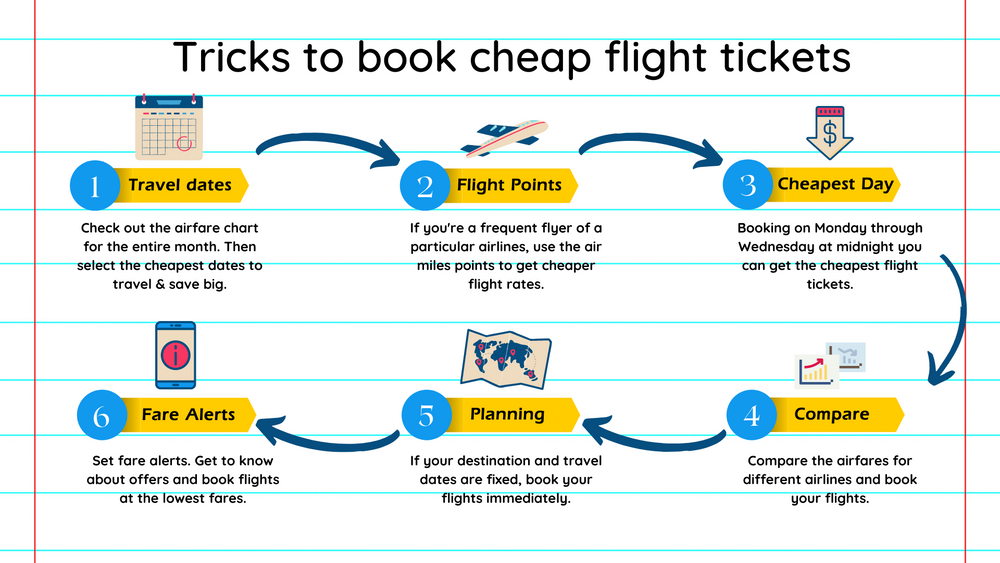
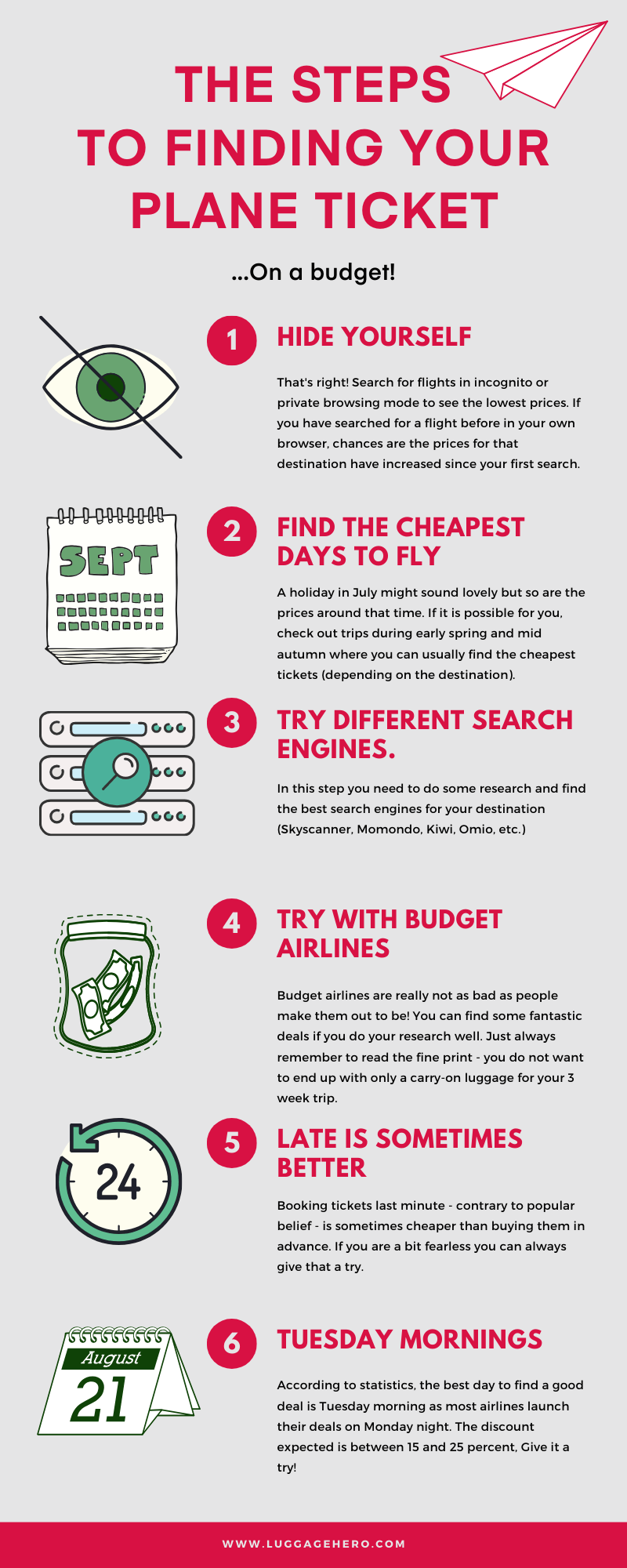
In the same way that an investor uses a Bloomberg Terminal or a specialized dashboard to track assets, a traveler must use meta-search engines to track the global airfare market. Tools like Google Flights, Skyscanner, and ITA Matrix are essential for price discovery. These platforms allow you to view price trends across entire months, providing a macro-view of the market.
A professional approach involves setting up price alerts. In financial terms, this is akin to a “limit order.” You decide the price you are willing to pay for a specific route, and you wait for the market to hit that target. This removes the emotional component of the purchase, preventing you from overpaying due to a sense of urgency.
The Role of Dynamic Pricing and Geographic Arbitrage
Dynamic pricing means that two people sitting in the same row may have paid vastly different prices for their seats. One way to circumvent this is through geographic arbitrage. Using a Virtual Private Network (VPN) to change your IP address to a lower-income country can sometimes reveal lower prices for the exact same flight. This is because airlines often adjust their pricing based on the purchasing power of the consumer’s perceived location. While not always a guaranteed win, it is a tool for the financially diligent to test before committing capital.
Maximizing ROI Through Points, Miles, and Credit Card Optimization
Perhaps the most potent tool in the traveler’s financial arsenal is the strategic use of credit card rewards. This is often referred to as “travel hacking,” but it is more accurately described as “points-based wealth management.” By aligning your daily spending with high-yield reward programs, you can effectively subsidize your travel costs with money you were already going to spend.
The Mechanics of Points-Based Arbitrage
To excel here, one must understand the valuation of different currencies. Not all points are created equal. Some credit card points may be worth 1 cent per point (CPP) when redeemed for cash, but 2 or 3 CPP when transferred to a strategic airline partner. Identifying these high-value transfer opportunities is the ultimate form of travel arbitrage. For example, transferring points to a partner airline to book a business-class seat that would otherwise cost $4,000 can result in a valuation of 5 to 10 CPP, representing a massive return on your spend.
Strategic Spend and Sign-up Bonuses
The fastest way to accumulate the “capital” needed for cheap (or free) flights is through sign-up bonuses. Financial institutions are willing to pay a premium to acquire high-value customers. By opening a new credit card and meeting the minimum spend requirement, you can often earn enough points for a round-trip international flight. However, this must be managed with the discipline of a CFO. It is vital to pay off balances in full every month to avoid interest charges, as the cost of debt will quickly negate any savings gained from the points.
Timing and Market Volatility: When to Execute the Purchase
In the stock market, “timing the market” is often discouraged in favor of “time in the market.” However, in the airline industry, timing is everything. Flight prices follow a predictable cycle of volatility, and knowing when to pull the trigger is key to saving hundreds, if not thousands, of dollars.
The “Sweet Spot” and Seasonal Fluctuations
Statistical analysis of flight data suggests that there is a “Goldilocks window” for booking. For domestic flights, this is typically 1 to 3 months in advance. For international routes, the window expands to 2 to 8 months. Booking too early can be just as expensive as booking too late, as airlines have not yet begun to discount unsold inventory.
Furthermore, you must account for seasonal cycles. Just as retail stocks peak during the holiday season, flight prices skyrocket during peak summer and December periods. A financially savvy traveler identifies “shoulder seasons”—the period between peak and off-peak—where the weather is still favorable but the demand (and price) has dropped significantly.
The Myth of the Tuesday Booking
A common piece of “folk wisdom” in the travel world is that flights are cheaper if bought on a Tuesday. While this may have been true decades ago when airlines manually updated their systems, today’s pricing is automated and real-time. The day you book is less important than the day you fly. Flying on Tuesdays, Wednesdays, or Saturdays often yields the lowest fares because demand from business travelers and weekend vacationers is at its lowest.
Creative Routing and Alternative Cost-Saving Models
To truly optimize airfare, one must sometimes look beyond the standard “Point A to Point B” search. This requires a level of creative thinking and risk management similar to navigating complex business structures.
Hidden City Ticketing and Its Risks
“Hidden city” ticketing is a controversial but effective strategy. It involves booking a flight with a layover in your actual destination, and then skipping the final leg of the journey. For example, a direct flight from New York to Paris might be $800, but a flight from New York to Madrid with a layover in Paris might be $500. By booking the Madrid flight and getting off in Paris, you save $300.
From a financial perspective, this is a form of market inefficiency exploitation. However, it carries risks: you cannot check luggage (as it would go to the final destination), and airlines generally frown upon the practice, potentially stripping you of frequent flyer miles if caught. Like any high-risk investment, it should be used sparingly and with full knowledge of the potential downsides.

Utilizing Low-Cost Carriers Without Hidden Fees
The rise of low-cost carriers (LCCs) has democratized air travel, but they come with a different financial structure. The “base fare” is often incredibly low, but the total cost of ownership (TCO) can rise quickly once you add fees for seat selection, bags, and even boarding passes.
When evaluating an LCC, you must perform a total cost analysis. If a legacy carrier costs $400 and includes a bag, and an LCC costs $250 but charges $100 for a bag and $30 for a seat, the price gap narrows to just $20. In this scenario, the legacy carrier might offer better value when factoring in comfort and reliability. Always calculate the “all-in” price before finalizing your purchase to ensure you are truly getting the cheapest option.
By treating airfare as a financial asset to be managed rather than a bill to be paid, you can unlock significant savings. Whether through the strategic use of credit card rewards, the timing of market cycles, or the use of advanced digital tools, buying cheap flight tickets is a fundamental skill for anyone looking to optimize their personal finances while exploring the world.
aViewFromTheCave is a participant in the Amazon Services LLC Associates Program, an affiliate advertising program designed to provide a means for sites to earn advertising fees by advertising and linking to Amazon.com. Amazon, the Amazon logo, AmazonSupply, and the AmazonSupply logo are trademarks of Amazon.com, Inc. or its affiliates. As an Amazon Associate we earn affiliate commissions from qualifying purchases.