
The landscape of travel has undergone a radical digital transformation over the last decade. Gone are the days of tethering oneself to airport monitors or manually refreshing airline websites for updates. Today, Google has evolved into a sophisticated hub for travel intelligence, leveraging real-time data feeds, predictive analytics, and cross-platform synchronization to provide users with a seamless flight tracking experience. By integrating Google Search, Google Flights, and AI-driven tools like Gemini and Google Assistant, the tech giant offers a multi-layered ecosystem that tracks every movement of an aircraft from takeoff to touchdown.
Understanding how to navigate this technology is essential for the modern traveler. Whether you are monitoring a loved one’s arrival, managing a complex business itinerary, or waiting for the optimal moment to book a ticket, Google’s suite of software tools provides the data-driven insights necessary to navigate the complexities of global aviation.
Leveraging the Google Search Engine for Real-Time Flight Status
At its most fundamental level, Google functions as a powerful interface for Global Distribution Systems (GDS) and real-time aviation data. You do not need to navigate to a specific app to find immediate answers; the search engine itself is built to parse flight data instantaneously.
Instant Retrieval via Flight Numbers
The fastest way to track a flight is by utilizing Google’s direct search functionality. By entering a specific flight number—such as “AA123” or “LH401″—into the search bar, Google triggers a dedicated “OneBox” result. This interface pulls live telemetry data to show the flight’s current status, including:
-
Departure and Arrival Terminals: Real-time gate assignments and terminal information.
-
Progress Indicators: A visual map showing the aircraft’s current position in the air.
-
Time Tables: Scheduled versus actual departure and arrival times, highlighted in red or green based on delay status.
This feature relies on sophisticated API integrations with flight data aggregators like FlightStats or OAG. Because these data points are updated frequently, the search engine provides a low-latency alternative to heavy airline applications.
Natural Language Queries and General Route Tracking
If you do not have the flight number, Google’s search algorithms are capable of interpreting natural language queries. Searching for “flights from London to New York today” will generate a list of all active and upcoming flights on that route. This is particularly useful for tech-savvy users who need a high-level overview of traffic between specific hubs. The software filters this information by airline, time of day, and status, allowing users to identify potential delays across an entire corridor of travel.
Mastering Google Flights for Price Tracking and Predictive Analytics
While search provides a snapshot of current status, the Google Flights web application is a robust tool designed for deep-dive tracking and predictive analytics. It is an essential piece of software for anyone looking to optimize their travel through data.
Setting Up Price Tracking Algorithms
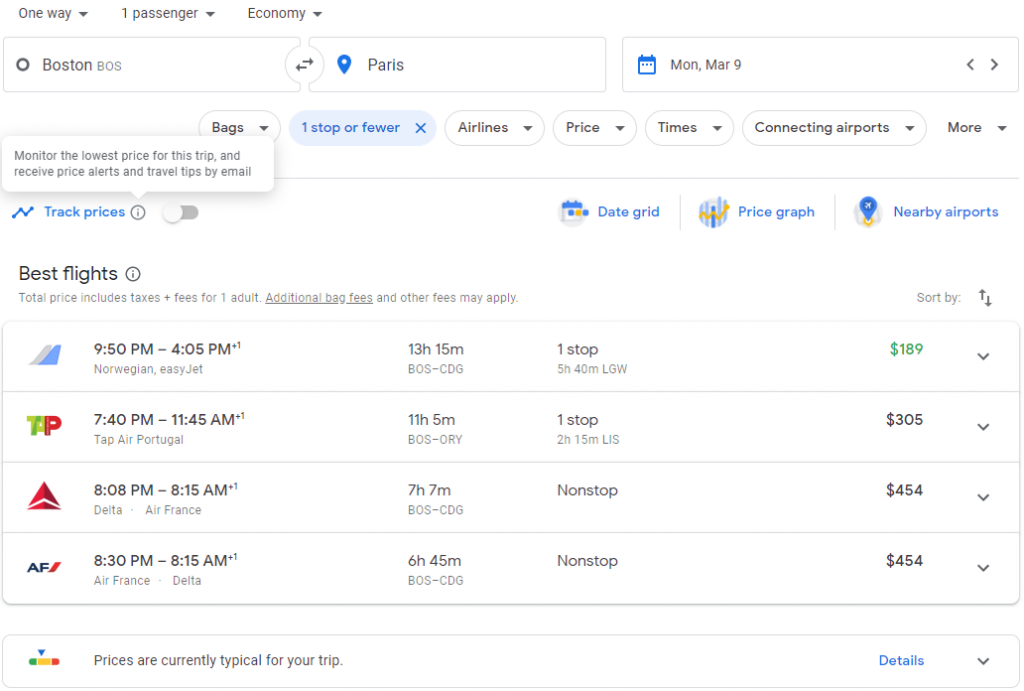
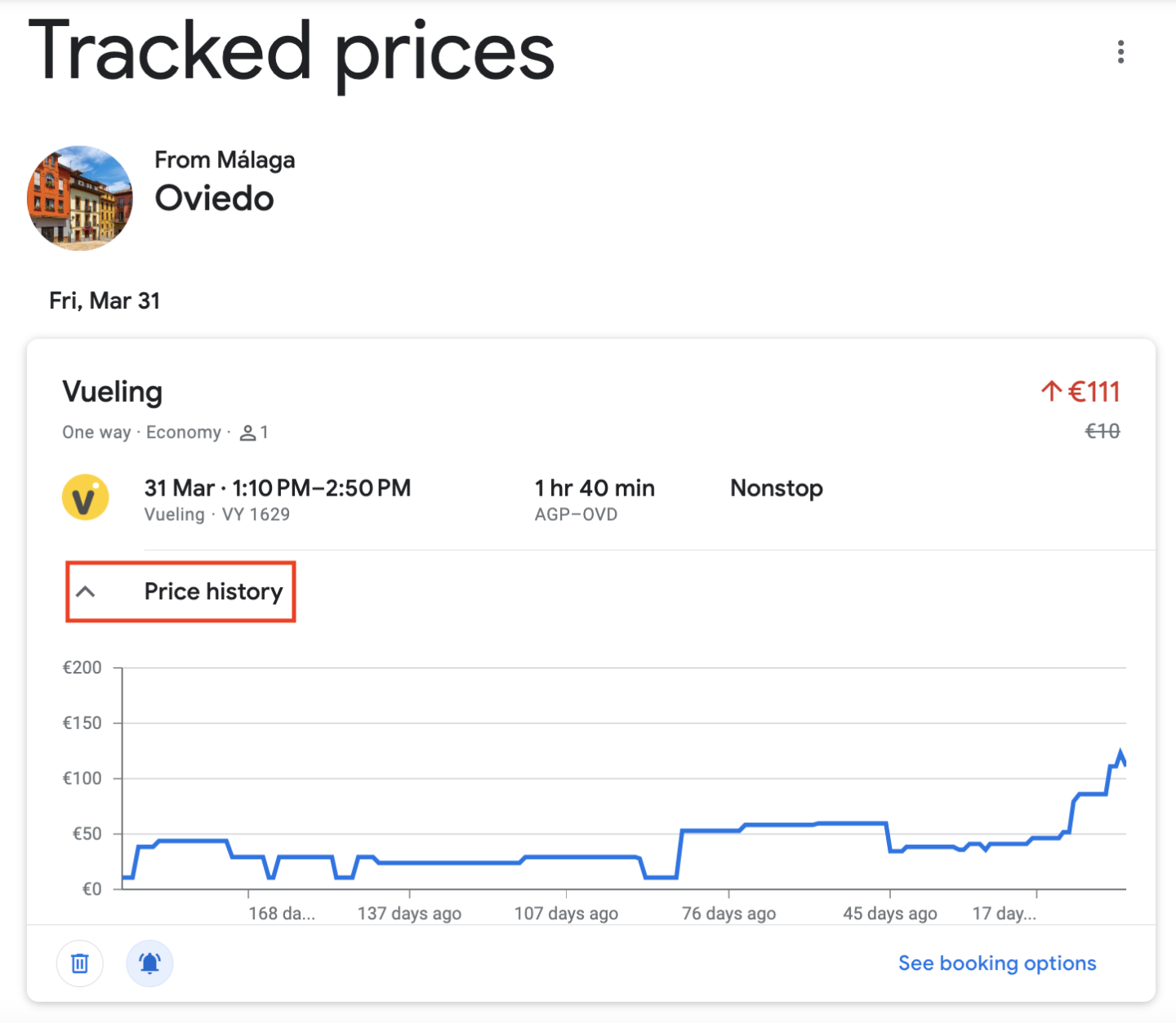
One of the most powerful features of Google Flights is its ability to track price fluctuations over time. When you search for a route, the software allows you to toggle “Track Prices.” Once enabled, Google’s backend infrastructure monitors the fare for those specific dates and routes, sending automated email alerts or push notifications when the price drops or is expected to rise.
This isn’t just a simple notification system; it is powered by historical data analysis. Google uses years of pricing trends to inform the user whether current prices are “Low,” “Typical,” or “High” for that specific window. This level of transparency is a hallmark of Google’s data-first approach, providing users with the kind of market intelligence previously reserved for travel agents and industry insiders.
Analyzing Historical Delay Data
Beyond pricing, Google Flights integrates reliability metrics. When viewing specific flight options, the software often displays a “Frequently delayed by 30+ minutes” warning. This insight is derived from historical performance data of that specific flight number and carrier. For travelers with tight connections, this predictive tech is invaluable, allowing them to choose flights not just based on cost, but on the statistical likelihood of an on-time arrival.
Integrating AI and the Google Ecosystem for Automated Management

The true power of Google’s flight tracking lies in its ecosystem integration. By syncing data across Gmail, Google Calendar, and Google Assistant, the company creates a passive tracking environment that requires minimal user intervention.
Gmail and the Automated Itinerary
When a flight confirmation is sent to a Gmail account, Google’s parsing algorithms automatically extract relevant metadata: confirmation numbers, flight times, and airline details. This information is then used to populate Google Calendar and feed into the “Live View” features of the Google app on mobile devices.
This integration serves as a digital safety net. If an airline sends an update email about a gate change or a delay, Google’s software can detect the change and update the user’s schedule automatically. This cross-app communication is a prime example of how interconnected software improves the user experience by reducing the cognitive load of travel management.
AI-Driven Updates via Google Assistant and Gemini
With the rise of generative AI and more advanced virtual assistants, tracking flights has become a conversational experience. Using Google Assistant or Gemini, users can ask, “Is my flight on time?” or “What gate is my flight departing from?”
The AI scans the user’s linked accounts (with permission) to find the relevant itinerary and provides a spoken or text-based update. This hands-free capability is particularly useful when navigating a busy airport or driving. Furthermore, Gemini’s ability to process complex queries allows it to provide context, such as suggesting when to leave for the airport based on current traffic data and the flight’s live status.
Digital Security and Privacy in Flight Tracking
As with any tool that handles sensitive personal information—such as travel dates, passport names, and confirmation codes—digital security is a critical component of the Google tracking experience. Using Google’s tech for travel means engaging with their data management protocols.
Managing Your Travel Data
Users have significant control over how their flight information is stored and used. Through the “My Activity” and “Data & Privacy” dashboards, individuals can see what flight data Google has indexed from their emails and searches. For those concerned with digital footprints, Google provides options to auto-delete activity after a certain period or to prevent Gmail from parsing travel details entirely.
However, there is a trade-off: disabling these features removes the automated tracking capabilities that make the ecosystem so efficient. The modern traveler must balance the convenience of automated updates with their personal digital security preferences.
Protecting Sensitive Information via Two-Factor Authentication
Because your Google account can serve as a centralized hub for all your travel documents and tracking, it becomes a high-value target for digital threats. Implementing robust security measures, such as hardware security keys or biometric two-factor authentication (2FA), is essential. This ensures that while you have easy access to your flight tracking data, unauthorized parties are kept away from your itineraries and personal identifiers.
The Future of Tracking: Real-Time Telemetry and Beyond
The technology behind flight tracking is not static. We are moving toward an era of even greater precision. Google continues to refine its “Price Guarantee” software, which in some regions pays the difference if a flight price drops after you book through their portal—a bold move backed by their confidence in their predictive algorithms.
Furthermore, as satellite-based ADS-B (Automatic Dependent Surveillance-Broadcast) technology becomes more prevalent, the latency between an airplane’s actual position and the data shown on Google Search is shrinking to near-zero. We are approaching a point where “tracking a flight” will be as granular as tracking a rideshare vehicle on a city map.
By mastering the various layers of Google’s travel technology—from the simplicity of a search query to the complexity of AI-driven itinerary management—travelers can navigate the global skies with unprecedented clarity. The software does more than just show a plane on a map; it provides a comprehensive suite of tools for risk assessment, financial optimization, and time management, making it an indispensable part of the modern tech stack.
aViewFromTheCave is a participant in the Amazon Services LLC Associates Program, an affiliate advertising program designed to provide a means for sites to earn advertising fees by advertising and linking to Amazon.com. Amazon, the Amazon logo, AmazonSupply, and the AmazonSupply logo are trademarks of Amazon.com, Inc. or its affiliates. As an Amazon Associate we earn affiliate commissions from qualifying purchases.