
The digital transformation of healthcare has fundamentally altered how patients interact with medical professionals and access prescription treatments. For those exploring weight management solutions, the question of how to get phentermine online is no longer a matter of simple e-commerce, but a complex intersection of telemedicine technology, digital security, and sophisticated software platforms. Phentermine, a sympathomimetic amine used as a short-term adjunct in weight loss, requires a prescription, and the technology facilitating its distribution must adhere to rigorous regulatory and technical standards.
Understanding the process requires looking beyond the medication itself and examining the digital infrastructure that makes virtual consultations, medical screenings, and electronic prescriptions possible. This guide explores the technological ecosystem of modern telehealth, the security protocols involved, and the software advancements that allow patients to safely navigate the digital path to weight management.

The Evolution of Telehealth: Technology Behind Digital Prescriptions
The ability to obtain a prescription for phentermine online is the result of decades of advancement in telecommunication and data management. Telehealth is not a single tool but a suite of integrated technologies designed to replicate—and in some cases, enhance—the traditional clinical experience.
Synchronous vs. Asynchronous Communication Software
Telemedicine platforms generally utilize two types of communication technology to facilitate weight loss consultations. Synchronous technology involves real-time interaction, typically via high-definition video conferencing software. This requires robust bandwidth management and low-latency streaming protocols to ensure that a physician can accurately assess a patient’s physical state and verbal cues.
Asynchronous technology, often referred to as “store-and-forward,” allows patients to upload their medical history, current vitals, and diagnostic images to a secure server. A licensed practitioner then reviews this data at a later time. For phentermine prescriptions, many platforms use a hybrid approach, combining asynchronous data collection with a synchronous video call to meet the “in-person” requirement equivalents established by various state medical boards.
AI-Driven Health Assessments and Screening Algorithms
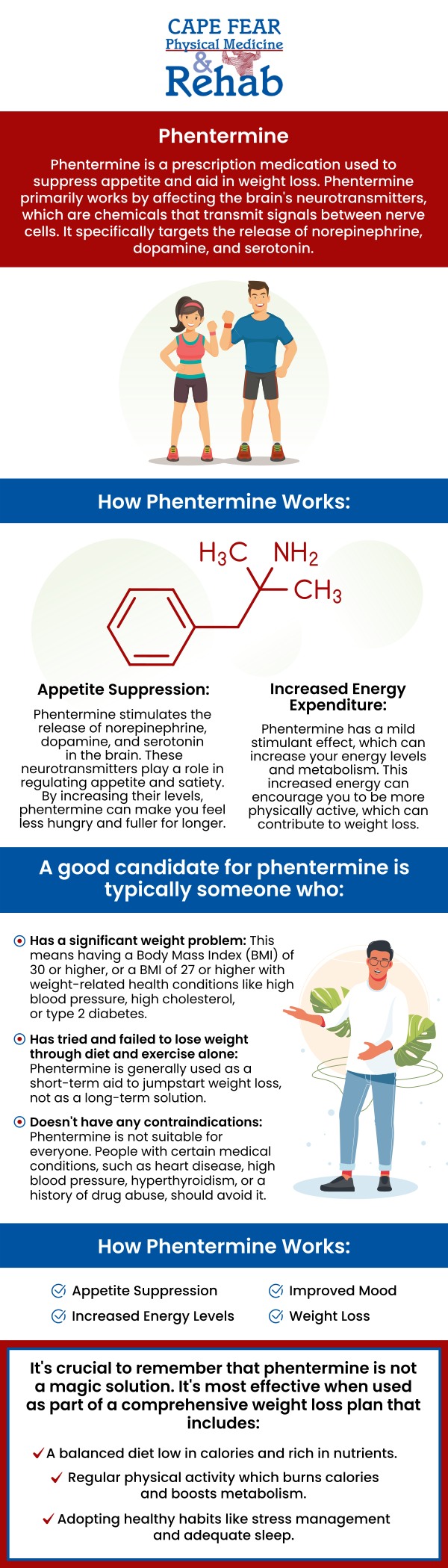
Before a patient ever speaks to a doctor, they typically interact with a sophisticated software interface. Modern digital health platforms utilize AI-driven triage bots and intelligent intake forms. These algorithms are designed to screen for contraindications—such as cardiovascular disease, hyperthyroidism, or a history of drug abuse—that would make phentermine unsafe for a particular user.
These diagnostic tools use branching logic; if a user inputs a specific blood pressure reading or mentions a conflicting medication, the software may automatically flag the application for high-priority review or instantly determine that the patient is ineligible for the specific treatment. This automation ensures that medical professionals can focus their time on viable candidates while maintaining high safety standards.
The Platform Economy: Choosing Secure Telemedicine Apps
Navigating the digital landscape to find a legitimate provider requires an understanding of the software architecture that supports secure medical transactions. Not all platforms are created equal, and the technology stack used by a provider is a key indicator of their legitimacy and safety.
Software Security and HIPAA Compliance
In the United States, any platform facilitating the prescription of phentermine must be compliant with the Health Insurance Portability and Accountability Act (HIPAA). From a technical standpoint, this means the software must employ end-to-end encryption for all data in transit and at rest.
When evaluating a digital health app, users should look for platforms that utilize AES 256-bit encryption and secure socket layer (SSL) certificates. Furthermore, the backend must include detailed audit logs—a technical requirement that tracks every instance of data access to ensure that only authorized medical personnel can view sensitive health information. If a platform lacks a clear privacy policy regarding its data encryption methods, it represents a significant digital security risk.
Integration with E-Prescribing Software (eRx)
Once a consultation is complete and a prescription is issued, the technology shifts from the consultation platform to electronic prescribing (eRx) software. This software connects the telehealth provider directly to a local or mail-order pharmacy’s management system.
The eRx protocol eliminates the need for paper prescriptions, which are prone to forgery and manual errors. Instead, the prescription is transmitted as a secure, encrypted data packet through networks like Surescripts. This integration ensures that the pharmacy receives an authentic, unalterable order, which is particularly important for controlled substances like phentermine. The digital handshake between the telehealth app and the pharmacy database is a critical component of the modern medical supply chain.
Navigating the User Experience (UX) of Online Weight Loss Clinics

The user experience (UX) of a digital health platform often dictates how effectively a patient can manage their treatment. A well-designed interface does more than just look professional; it facilitates better medical outcomes by streamlining communication and data tracking.
Onboarding and Medical History Digitization
The first step in getting phentermine online is the digitization of the patient’s medical profile. High-quality platforms use “Progressive Profiling” in their UX design, asking questions in a logical sequence that prevents user fatigue while ensuring all necessary clinical data is captured.
The software often includes integrations with external health databases, allowing patients to import their laboratory results or previous medical records via APIs (Application Programming Interfaces). This connectivity ensures that the prescribing physician has a holistic view of the patient’s health, rather than relying solely on self-reported data which can be inaccurate.
Real-time Video Consultations and Diagnostic Tools
The core of the digital consultation is the video interface. Advanced telemedicine apps utilize WebRTC (Web Real-Time Communication) technology, which allows for high-quality audio and video directly within a web browser or mobile app without requiring external plugins.
During these consultations, some platforms integrate peripheral diagnostic tools. For example, a patient might be asked to use a digital blood pressure cuff that syncs via Bluetooth to the app, providing the doctor with real-time, verified physiological data. This level of technical integration bridges the gap between remote consultation and physical examination, providing the clinical data necessary to safely prescribe a stimulant like phentermine.
Cybersecurity and Digital Verification in Online Pharmacy Services
A significant hurdle in the digital weight loss space is the prevalence of “rogue” pharmacies. Identifying a legitimate source for phentermine online requires an understanding of digital verification signals and the cybersecurity measures that protect consumers from counterfeit products.
Verifying Legitimacy: LegitScript and Digital Certifications
Technological verification is the primary defense against illegal online drug sellers. Organizations like LegitScript monitor the internet for pharmacies that comply with the law. Legitimate telehealth platforms will often display a LegitScript seal, which can be verified by clicking the badge to view a live certification status on the LegitScript server.
Additionally, the “.pharmacy” Top-Level Domain (TLD) is a restricted domain extension. Only verified, licensed pharmacies can register a website ending in .pharmacy. This is a technical gatekeeping mechanism that helps users distinguish between a legitimate healthcare provider and a fraudulent site. From a tech perspective, checking the URL structure and looking for authenticated security badges is the first step in digital due diligence.
Protecting Personal Health Information (PHI) in the Cloud
When you use an online service to get phentermine, you are trusting a cloud-based infrastructure with your most sensitive data. Legitimate providers use secure cloud environments, such as AWS (Amazon Web Services) GovCloud or Microsoft Azure for Healthcare, which provide specialized hardware and software configurations designed to meet medical data residency requirements.
Cybersecurity in this niche also involves Multi-Factor Authentication (MFA). Any platform that handles prescriptions should require more than just a password to log in. By requiring a biometrics check (FaceID/Fingerprint) or a one-time code sent to a mobile device, these platforms protect the patient’s medical identity from unauthorized access and potential prescription fraud.
The Future of Remote Healthcare: AI and Wearable Integration
As we look toward the future, the process of obtaining and managing phentermine online will become even more data-driven. The integration of wearable technology and predictive analytics is set to revolutionize remote weight management.
Predictive Analytics for Weight Management
Data science is beginning to play a role in how phentermine is prescribed and monitored. By analyzing large datasets of patient outcomes, machine learning models can help physicians predict how a new patient might respond to the medication. These models can identify patterns in heart rate, sleep, and activity levels that might suggest the dose needs adjustment or that the patient is at risk for specific side effects. This move toward “precision medicine” is powered by backend data processing that happens invisibly to the user but significantly improves safety.
Remote Patient Monitoring (RPM) and IoT
The Internet of Things (IoT) is increasingly integrated into weight loss programs. Patients prescribed phentermine online may be issued connected scales and wearable fitness trackers that automatically upload data to their physician’s dashboard.
This Remote Patient Monitoring (RPM) software allows for continuous oversight rather than periodic check-ins. If the software detects a sustained spike in heart rate (a known potential side effect of phentermine) via a patient’s smartwatch, it can automatically trigger an alert for the medical team to intervene. This proactive use of technology ensures that the convenience of getting phentermine online does not come at the expense of clinical vigilance.
In conclusion, the path to obtaining phentermine online is built upon a sophisticated framework of telemedicine software, secure data protocols, and integrated health technologies. By understanding the digital systems that govern these platforms—from HIPAA-compliant cloud storage to AI-driven screening and e-prescribing networks—patients can more effectively navigate the digital health landscape. As technology continues to evolve, the integration of real-time data and predictive analytics will only make the virtual management of weight loss treatments safer, more efficient, and more personalized.
aViewFromTheCave is a participant in the Amazon Services LLC Associates Program, an affiliate advertising program designed to provide a means for sites to earn advertising fees by advertising and linking to Amazon.com. Amazon, the Amazon logo, AmazonSupply, and the AmazonSupply logo are trademarks of Amazon.com, Inc. or its affiliates. As an Amazon Associate we earn affiliate commissions from qualifying purchases.