
In the contemporary financial landscape, healthcare expenses often represent one of the most volatile and significant line items in a household budget. Among the most discussed medical costs today is the price of Ozempic (semaglutide), a GLP-1 receptor agonist that has gained massive market traction for its role in managing Type 2 diabetes and, increasingly, for off-label weight management. For those without comprehensive insurance coverage or those facing high deductibles, the retail price of this medication—often exceeding $1,000 per month—can be a staggering financial burden. This is where financial tools like GoodRx enter the equation, offering a bridge between prohibitive retail costs and manageable personal finance.

The Financial Mechanics of GoodRx: A Tool for Healthcare Consumerism
To understand how much Ozempic costs with GoodRx, one must first understand the financial architecture of the platform itself. GoodRx operates as a healthcare consumerism tool, utilizing a network of Pharmacy Benefit Managers (PBMs) to provide discounted rates to the general public. These are the same PBMs that negotiate prices for large insurance companies. By aggregating these negotiated rates into a searchable database, GoodRx allows consumers to bypass the “sticker price” of a medication.
How the GoodRx Marketplace Functions
GoodRx does not provide insurance; rather, it functions as a financial intermediary. When you search for Ozempic, the platform scans various contracts between pharmacies and PBMs to find the lowest pre-negotiated price. These prices are often significantly lower than the “usual and customary” price a pharmacy might charge an uninsured customer. For a high-demand medication like Ozempic, the platform acts as a price discovery engine, revealing the massive discrepancies in cost that exist between competing retail pharmacies often located on the same street.
Transparency as a Financial Asset
In traditional finance, market transparency is key to efficiency. The pharmaceutical market, however, is notoriously opaque. GoodRx introduces a level of transparency that empowers the consumer to make a data-driven decision. Instead of arriving at a pharmacy counter and being surprised by a three-figure or four-figure bill, the user can assess the financial impact beforehand. This ability to “shop around” is a fundamental shift in how personal finance intersects with medical necessity, turning the patient into an informed shopper.
Analyzing the Cost of Ozempic: Price Points and Regional Variables
The actual cost of Ozempic when using a GoodRx coupon is not a fixed number. It is a moving target influenced by geography, pharmacy brand, and the specific dosage prescribed. Generally, the list price for Ozempic sits around $935 to $1,050 for a single pen (which typically lasts one month). Through the use of GoodRx, consumers can frequently find prices ranging from $800 to $950. While this remains a premium expense, the savings of $100 to $200 per month represent a significant annual recovery of $1,200 to $2,400 in a household budget.
National Average vs. Discounted Rates
The financial delta between the manufacturer’s suggested retail price (MSRP) and the GoodRx price is a crucial metric. While a 10-15% discount might seem modest compared to generic drugs (which can see 80% discounts), the high base price of Ozempic means the absolute dollar savings are substantial. For an individual managing their cash flow, saving $150 a month can be the difference between maintaining a healthy emergency fund and falling into high-interest credit card debt to cover medical needs.
Why Location Impacts Your Bottom Line
Prices for Ozempic can fluctuate based on the ZIP code. This is due to the localized nature of pharmacy contracts and the varying operating costs of retail outlets like CVS, Walgreens, Rite Aid, or Costco. In some markets, a regional grocery store chain might have a more aggressive contract with a PBM than a national pharmacy chain, resulting in a lower price on the GoodRx app. From a financial planning perspective, this requires the consumer to be diligent in checking the app every time a refill is needed, as contracts and “best prices” can shift monthly.
Strategic Financial Planning: Insurance Coverage vs. GoodRx Savings
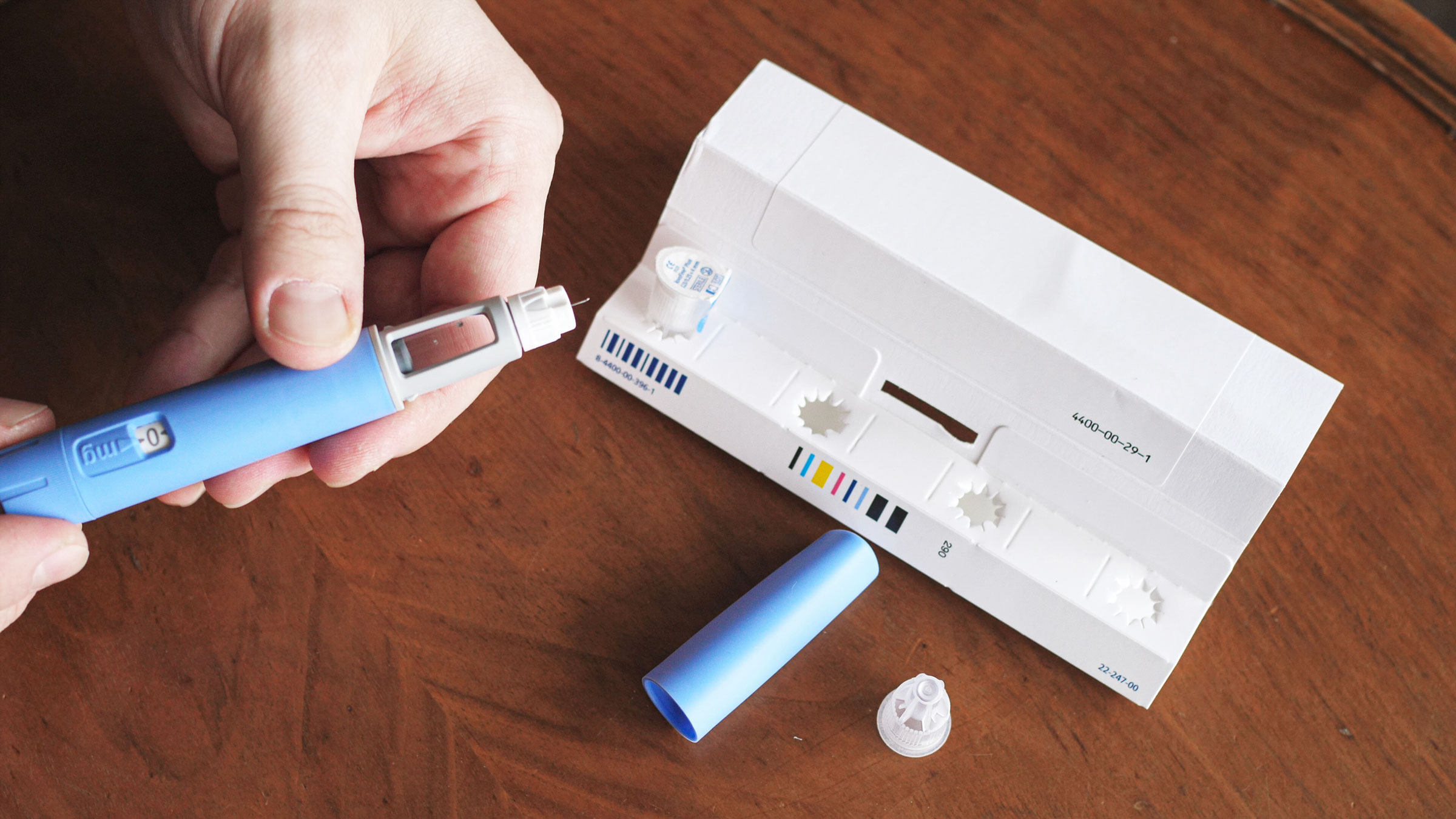
One of the most complex financial decisions a consumer faces is whether to use their employer-sponsored or private insurance or to opt for a cash-pay discount tool like GoodRx. This is not always a straightforward choice, as it involves an analysis of deductibles, out-of-pocket maximums, and the specific “tier” of the medication within an insurance formulary.
Navigating High-Deductible Health Plans (HDHPs)
For individuals on High-Deductible Health Plans, the “negotiated rate” of their insurance company might actually be higher than the GoodRx price. In this scenario, paying the GoodRx price out-of-pocket can save money in the short term. However, there is a significant financial trade-off: payments made using a GoodRx coupon typically do not count toward your insurance deductible. This creates a strategic crossroads. If you expect to have high medical expenses throughout the year, it might be mathematically superior to pay the higher insurance rate to reach your out-of-pocket maximum faster. If your medical needs are low, opting for the lower GoodRx price is usually the smarter cash-flow move.
The Impact of “Prior Authorization” on Personal Finance
Many insurance companies require “Prior Authorization” for Ozempic, especially if it is being prescribed for weight loss rather than Type 2 diabetes. This administrative hurdle can result in a flat-out denial of coverage. In these cases, the insurance price becomes irrelevant, and the GoodRx price becomes the primary financial benchmark. Understanding this distinction is vital for anyone projecting their healthcare costs for the fiscal year; an unexpected denial can instantly add $10,000 or more to an annual budget if not planned for.
Beyond the Coupon: Integrated Savings Strategies for High-Cost Medications
While GoodRx is a powerful tool, it is only one component of a holistic financial strategy for managing the cost of Ozempic. To achieve the lowest possible net cost, consumers should look at the intersection of various financial incentives.
Manufacturer Savings Cards and Eligibility
The manufacturer of Ozempic, Novo Nordisk, often offers “savings cards” that can bring the price down to as low as $25 for eligible patients with commercial insurance. However, these cards have strict eligibility requirements and often have a “maximum benefit” cap. If you are uninsured or have government-funded insurance (like Medicare or Medicaid), you are generally ineligible for these manufacturer cards. In these instances, GoodRx often becomes the most viable secondary financial tool to mitigate costs.
Leveraging HSAs and FSAs for Maximum Tax Efficiency
From a tax-planning perspective, using a Health Savings Account (HSA) or Flexible Spending Account (FSA) in conjunction with GoodRx is a highly efficient move. Because these accounts allow you to use pre-tax dollars for medical expenses, paying for a $850 Ozempic prescription through an HSA effectively provides an additional discount equivalent to your marginal tax rate. For someone in the 24% tax bracket, the “real” cost of the medication is significantly reduced when using these tax-advantaged vehicles. Integrating GoodRx to find the lowest base price and then paying with pre-tax dollars represents the gold standard of healthcare financial management.
The Future Outlook: Pharmaceutical Inflation and Your Budget
The financial pressure of Ozempic prices is part of a larger trend in the pharmaceutical industry where “biologics” and specialized GLP-1 drugs command premium pricing due to high research and development costs and massive consumer demand. As supply chain constraints ease and more competitors enter the GLP-1 market, we may see a downward trend in prices, but for the immediate future, volatility is the norm.
Why Ozempic Prices Remain Volatile
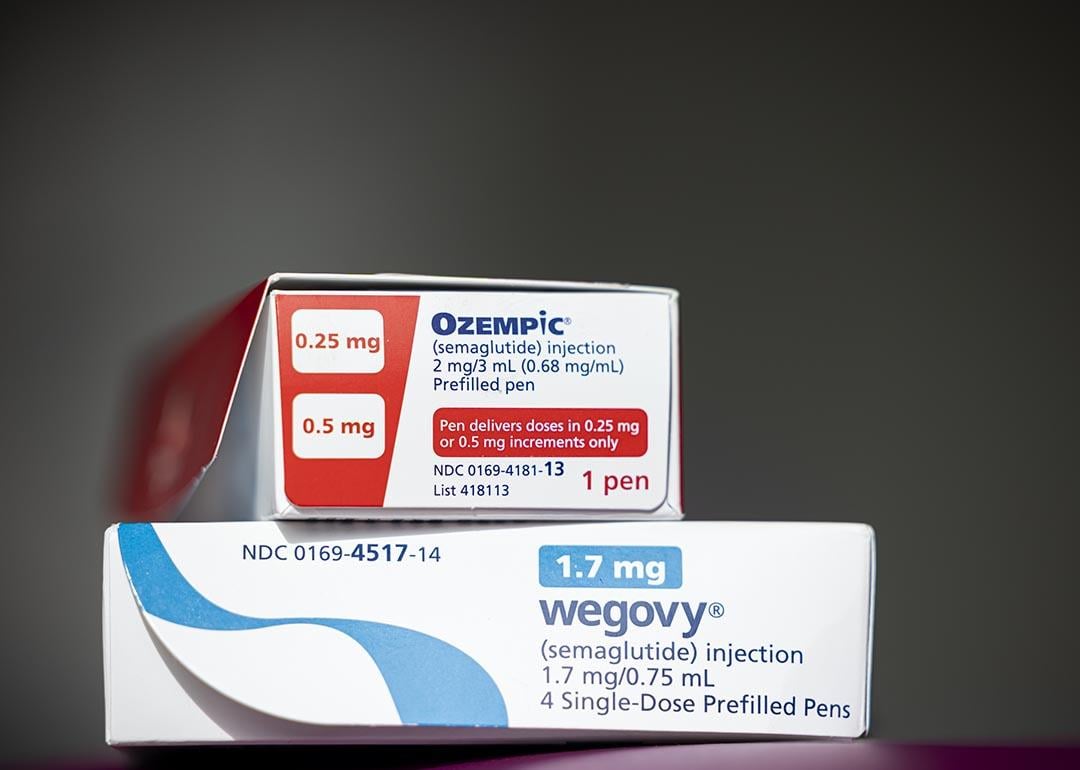
The price of Ozempic is subject to the laws of supply and demand. As demand skyrocketed over the past two years, there was little incentive for manufacturers or pharmacies to lower prices. Furthermore, the complex web of rebates between manufacturers and PBMs means that the “list price” is often disconnected from the actual cost of production. For the budget-conscious consumer, this means that the price you see today on GoodRx may not be the price you see six months from now.
Long-term Financial Planning for Chronic Care
Managing a chronic condition with high-cost medication requires a long-term financial outlook. It is not just about the cost this month, but the cost over the next five to ten years. Investors and personal finance experts suggest that when a medication like Ozempic becomes a permanent part of your life, it should be treated as a fixed “utility” expense. By consistently using tools like GoodRx, monitoring insurance formulary changes, and maximizing tax-advantaged accounts, individuals can protect their net worth while maintaining their health. In the modern era, financial health and physical health are increasingly inextricably linked, and mastering the tools of the pharmaceutical marketplace is a vital skill for any savvy consumer.
aViewFromTheCave is a participant in the Amazon Services LLC Associates Program, an affiliate advertising program designed to provide a means for sites to earn advertising fees by advertising and linking to Amazon.com. Amazon, the Amazon logo, AmazonSupply, and the AmazonSupply logo are trademarks of Amazon.com, Inc. or its affiliates. As an Amazon Associate we earn affiliate commissions from qualifying purchases.