
In an increasingly digital world, the humble paper check might seem like a relic of the past. Yet, millions of checks are still written and processed daily, serving as a fundamental financial instrument for everything from paying rent and utility bills to receiving tax refunds and government benefits. For many, understanding the various numbers printed on a check – particularly the bank account number – is crucial for managing personal finances, setting up direct deposits, or even avoiding scams.
Knowing precisely where your bank account number is located, what it signifies, and how to protect it is not merely a matter of convenience; it’s a cornerstone of financial literacy and security. This guide will meticulously break down the anatomy of a check, demystify the critical numbers found on its face, and equip you with the knowledge needed to handle your financial information with confidence and caution.
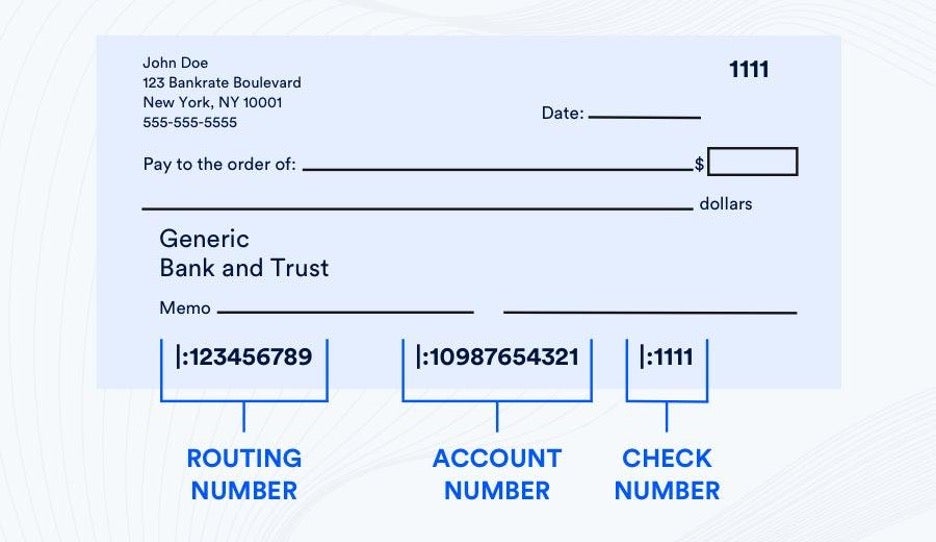
Decoding the Anatomy of a Check: Key Components
Before pinpointing your account number, it’s essential to understand the overall layout of a standard check and the purpose of its various elements. While the design might vary slightly between banks, the core components and their placement remain largely consistent, especially concerning the machine-readable information at the bottom.
The Routing Number: Your Bank’s Digital Address
The routing number, also known as an ABA (American Bankers Association) routing transit number, is a nine-digit code that identifies your specific financial institution. Think of it as your bank’s digital address within the vast network of the U.S. financial system. When you deposit a check, initiate a direct deposit, or set up an automatic payment, the routing number ensures that the funds are directed to the correct bank.
Each bank typically has multiple routing numbers, often tied to different regions or types of transactions (e.g., wire transfers, ACH payments). For standard checks, the routing number is generally the first set of nine digits printed on the far left of the Magnetic Ink Character Recognition (MICR) line at the bottom of the check. It’s an indispensable piece of information for almost any electronic funds transfer, ensuring the transaction lands at the correct institution before being routed to a specific account.
The Account Number: Your Unique Financial Identifier
This is the core piece of information the article title refers to. Your bank account number is a unique sequence of digits assigned by your bank to identify your specific deposit account. Whether it’s a checking, savings, or money market account, this number distinguishes your funds from every other customer’s funds within that financial institution.
The length of an account number can vary significantly, ranging from 8 to 12 digits, or sometimes even more, depending on the bank. It is the critical identifier that links a transaction directly to your personal account. Without it, funds cannot be deposited into or withdrawn from your account. While the routing number directs money to the right bank, the account number directs it to the right person within that bank.
The Check Number: Tracking Individual Transactions
The check number is a sequential identifier unique to each individual check within your checkbook. Typically ranging from three to four digits, this number serves as a crucial tool for personal record-keeping and bank reconciliation. It helps you keep track of which checks you’ve written, when they were cashed, and for what amount.
On most checks, the check number appears in two places: in the upper right-hand corner of the check and as the last set of digits on the MICR line at the bottom. The consistency in its placement aids both the check writer in maintaining an orderly ledger and financial institutions in processing and identifying specific transactions. This number is vital for spotting discrepancies in your bank statements and ensuring all transactions are accurately recorded.
Other Essential Elements: Payee, Amount, Date, Signature Line
Beyond the crucial numbers, a check contains several other vital fields:
-
Date Line: Indicates when the check was written.
-
Payee Line: Specifies who the check is being paid to (“Pay to the Order of”).
-
Amount Box (Numerical): The exact amount of money in numerical form.
-
Amount Line (Written): The exact amount of money spelled out in words, which legally overrides the numerical amount if there’s a discrepancy.
-
Memo Line: An optional field for a brief note about the purpose of the payment (e.g., “Rent – April,” “Utility Bill”).
-
Signature Line: The authorized account holder’s signature, validating the check as a legal instruction to pay.
Understanding these elements collectively provides a complete picture of how checks function and why each piece of information holds significance.
Locating Your Bank Account Number on a Standard Check
Now that we’ve covered the basics, let’s zero in on exactly where your bank account number resides on a typical check. The answer lies primarily within the Magnetic Ink Character Recognition (MICR) line at the bottom.
The MICR Line: The Foundation of Check Processing
The MICR line is a specially printed strip at the very bottom of every check, designed to be read quickly and accurately by automated check-processing machines. The characters on this line are printed with magnetic ink, allowing machines to scan them even if other parts of the check are smudged or difficult to read optically. This technology is critical for the efficient and high-volume processing of checks across the financial system.
This line contains the three most important sets of numbers: the routing number, the bank account number, and the check number, in that specific order from left to right.
Visual Identification: What to Look For
To locate your bank account number:
-
Pick up one of your blank checks. Do not use a voided or used check if you’re unsure.
-
Look at the very bottom of the check. You will see a series of numbers printed in a unique, somewhat stylized font. This is the MICR line.
-
Identify the three distinct sets of numbers.
-
The first set of numbers (usually 9 digits) on the far left is your routing number.
-
The second set of numbers, immediately to the right of the routing number, is your bank account number. This is often the longest sequence of numbers in the MICR line.
-
The third set of numbers, on the far right, is the check number. This number typically matches the check number printed in the upper right corner of the check.
-
For example, a typical MICR line might look like this:
|: 012345678 |: 987654321098 |: 123
In this example:
-
012345678is the Routing Number. -
987654321098is the Bank Account Number. -
123is the Check Number.
The specific delimiters (the symbols surrounding the numbers, like |: or ⑈) can vary slightly by bank, but their purpose is to separate the different fields for machine readability.
Understanding the Order: Routing, Account, Check Number
The consistent order of these numbers on the MICR line is not arbitrary; it’s a standardized format designed for clarity and efficiency in processing. Financial systems are programmed to interpret these numbers in this precise sequence. Always remember: routing number first, then account number, then check number. This sequence is crucial whether you’re reading it manually or a machine is scanning it electronically. Misinterpreting the order could lead to entering the wrong information for direct deposits or bill payments, causing delays or financial complications.
Why Knowing Your Account Number Matters
Beyond simply locating it, understanding why your bank account number is important is key to effective personal finance management. It serves as a linchpin for numerous financial activities, both traditional and digital.
Setting Up Direct Deposits and Payments

Perhaps the most common use for your account number is setting up direct deposits. Employers use it to pay your salary directly into your bank account. Government agencies use it for tax refunds, Social Security benefits, or other disbursements. Similarly, for automatic bill payments (like utilities, mortgage, or loan payments), your account number is often required to authorize regular debits from your account. This automates your finances, reducing the risk of missed payments and late fees.
Wiring Funds and Electronic Transfers
When you need to send or receive larger sums of money quickly, especially internationally, wire transfers are often used. Both domestic and international wire transfers typically require your routing and account numbers to ensure the funds reach the correct recipient’s account at the specified bank. Similarly, for ACH (Automated Clearing House) transfers – which include direct deposits, direct payments, and some online bill payments – your account number is fundamental.
Verifying Your Identity for Financial Transactions
In many financial interactions, customer service representatives or online platforms may ask for your account number (or part of it, along with other identifying information) to verify your identity. This is a security measure to ensure they are speaking with the legitimate account holder before providing sensitive information or executing transactions. While helpful, it also underscores the importance of protecting this number.
Reconciling Bank Statements and Preventing Errors
Your bank statements meticulously list all transactions associated with your account number. By regularly reviewing your statements and cross-referencing them with your own records (like check stubs or digital transaction logs), you can ensure that all debits and credits are accurate. If you notice any unauthorized transactions or discrepancies, your account number is the primary identifier you’ll reference when contacting your bank to investigate and resolve the issue.
Protecting Your Financial Information: Best Practices
Because your bank account number is a direct link to your funds, safeguarding it is paramount. Identity theft and financial fraud are ever-present threats, making vigilance essential.
Safeguarding Physical Checks
-
Store securely: Keep your blank checks in a safe, private location, like a locked drawer or safe deposit box. Treat them like cash.
-
Shred old checks: Never just toss old, unused, or voided checks in the trash. Shred them thoroughly to destroy all identifiable information.
-
Be cautious with sharing: Only provide a check or your account number when absolutely necessary and to trusted entities.
-
Monitor your check usage: Keep a running log of checks written and compare it with your bank statements to spot unauthorized transactions.
-
Order checks securely: Only order checks from your bank or a reputable, secure check printer.
Digital Security: Online Banking and Mobile Apps
-
Strong passwords: Use unique, complex passwords for your online banking accounts and enable multi-factor authentication whenever possible.
-
Secure networks: Avoid accessing your bank accounts on public Wi-Fi networks, which can be vulnerable to eavesdropping. Use a secure, private network.
-
Beware of phishing: Be extremely wary of emails, texts, or calls requesting your account number or other sensitive information. Banks rarely ask for this via unsolicited communication. Always verify the sender’s authenticity.
-
Regular monitoring: Utilize online banking and mobile apps to monitor your account activity frequently. Set up alerts for large transactions or unusual activity.
Vigilance Against Fraud and Scams
Scammers constantly devise new ways to trick individuals into divulging their bank account numbers. Common scams include:
-
Phishing emails/texts: Impersonating your bank or a known company to trick you into clicking malicious links or revealing information.
-
Fake lotteries/sweepstakes: Requesting your bank details to “deposit winnings” that don’t exist.
-
Unsolicited requests for financial data: Be suspicious of anyone asking for your full account number over the phone or email, especially if you didn’t initiate the contact.
If in doubt, always contact your bank directly using official contact information (from their website or the back of your debit card), not information provided in a suspicious communication.
When to Share (and Not Share) Your Account Number
It’s a fine line between necessary sharing and reckless exposure.
-
Share with: Trusted employers for direct deposit, established utility companies for auto-payments, government agencies (e.g., IRS for tax refunds), and financial institutions when setting up accounts or transfers you initiated.
-
Do NOT share with: Unsolicited callers, emailers, or texters; unknown online vendors; anyone offering “too good to be true” deals requiring your bank details; or individuals who don’t have a legitimate, verifiable reason for needing it.
Remember, your account number, combined with other identifying information like your name and address, is sufficient for fraudsters to attempt unauthorized transactions.
Shredding Old Checks and Documents
Once checks or bank statements are no longer needed for your records, it is crucial to dispose of them properly. A cross-cut shredder is ideal, as it renders the information unreadable. Tossing them intact into the recycling or trash bin is a significant security risk, as dumpster divers could easily retrieve your sensitive financial data. This practice extends to any document bearing your account number or other personal identifiers.
Alternatives to Checks: Modern Payment Methods
While checks remain relevant, modern financial tools often provide more secure and convenient ways to manage transactions, reducing the frequency with which you might need to share your bank account number.
Online Bill Pay and ACH Transfers
Most banks offer robust online bill pay services, allowing you to pay virtually any bill directly from your bank’s secure portal. You input payee information and amounts, and your bank handles the electronic transfer without exposing your account number to multiple third parties. ACH (Automated Clearing House) transfers facilitate direct deposits and payments electronically, often requiring your routing and account numbers only once during setup.
Digital Wallets and Peer-to-Peer Payments
Services like Apple Pay, Google Pay, PayPal, Venmo, and Zelle allow you to make payments using your phone or email address, abstracting your underlying bank account information. These platforms act as intermediaries, transferring funds without directly exposing your account numbers to the recipient. They offer enhanced security features and convenience for everyday transactions.
Debit and Credit Cards
For most point-of-sale purchases, debit and credit cards are the standard. They provide a layer of protection through fraud detection systems and liability limits, making them generally safer for transactions than directly writing a check that exposes your full account details.

Conclusion
Understanding “where is bank account number on check” is more than just a navigational exercise; it’s a fundamental aspect of financial literacy and personal security. Your bank account number is a critical identifier that facilitates countless financial transactions, from receiving your salary to paying your bills. By recognizing its placement on a check, comprehending its function, and—most importantly—adopting rigorous practices for its protection, you empower yourself to navigate the financial landscape with confidence and significantly reduce your vulnerability to fraud. In an era where financial security is paramount, an informed approach to your core banking details is your best defense.
aViewFromTheCave is a participant in the Amazon Services LLC Associates Program, an affiliate advertising program designed to provide a means for sites to earn advertising fees by advertising and linking to Amazon.com. Amazon, the Amazon logo, AmazonSupply, and the AmazonSupply logo are trademarks of Amazon.com, Inc. or its affiliates. As an Amazon Associate we earn affiliate commissions from qualifying purchases.