
For many, a credit card is more than just a piece of plastic; it’s a powerful financial tool that offers convenience, security, and the potential to build a strong financial future. From enabling seamless online purchases to providing a safety net in emergencies and helping you establish a credit history, credit cards play a pivotal role in modern personal finance. However, the journey to acquiring one often begins with a fundamental question: “Where do I apply for a credit card?”
The landscape of credit card applications is vast and varied, reflecting the diverse needs and financial situations of consumers. Understanding the primary avenues available, the critical factors to consider before applying, and the nuances of the application process itself is paramount. This guide delves deep into the world of credit card applications, equipping you with the knowledge to make informed decisions and embark on your credit journey with confidence and responsibility. Whether you’re a first-time applicant eager to build credit, a seasoned cardholder seeking better rewards, or someone looking to optimize their financial tools, knowing where and how to apply is the essential first step toward unlocking financial flexibility.
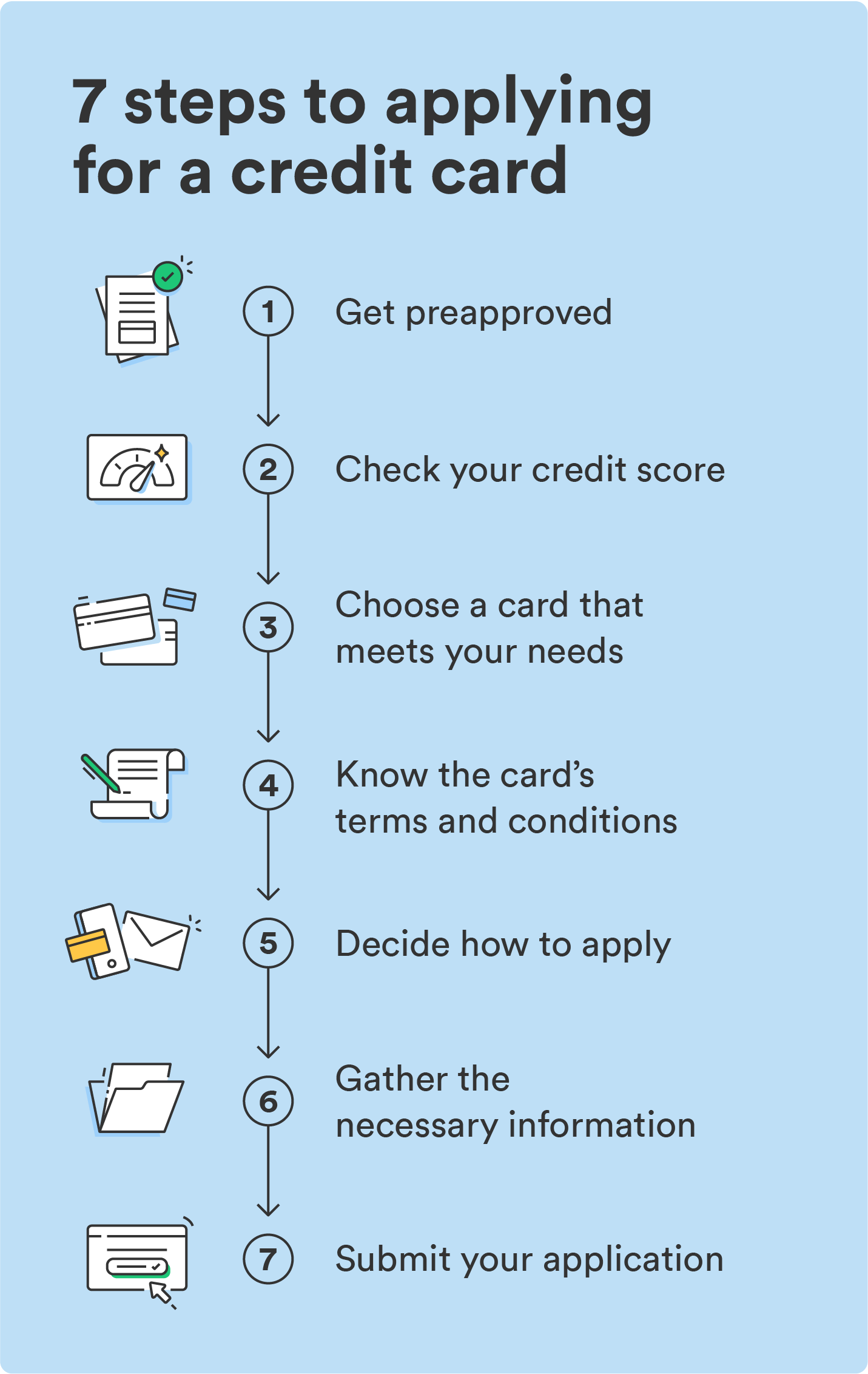
Understanding the Primary Avenues for Credit Card Applications
The digital age has revolutionized how we interact with financial services, and credit card applications are no exception. While traditional methods still exist, the convenience of online platforms has become the dominant force. Recognizing these diverse avenues is key to finding the best fit for your specific needs and preferences.
Direct Applications Through Issuers’ Websites
The most common and often recommended route for applying for a credit card is directly through the website of the card issuer. Major banks and financial institutions like Chase, American Express, Capital One, Citibank, and Discover all maintain dedicated, secure portals for exploring and applying for their range of credit products.
This method offers several distinct advantages. Firstly, applying directly ensures you are accessing the most accurate and up-to-date information regarding card benefits, terms, and conditions. You’re dealing directly with the source, minimizing the risk of misinformation often found on less reputable third-party sites. Secondly, direct applications often provide a streamlined, user-friendly experience, with clear instructions and secure data submission protocols. Many issuers offer immediate conditional approval, allowing for a swift decision. Finally, applying directly allows you to leverage any existing relationship you might have with that financial institution, potentially simplifying verification processes or even qualifying you for exclusive offers. It’s the most transparent and secure pathway to securing a new credit card.
Banking Institutions (Online and Brick-and-Mortar)
For individuals who prefer a more personalized touch or who already have an established relationship with a bank, applying through their primary banking institution is a natural choice. This can be done either online through your existing banking portal or by visiting a local branch.
Applying through a bank where you already hold checking or savings accounts can offer a distinct advantage. The bank already has a significant portion of your financial information, potentially leading to a quicker and smoother application process. They might also offer pre-approved offers based on your existing financial history with them, simplifying the decision-making process. For those who value face-to-face interaction, a visit to a brick-and-mortar branch provides an opportunity to speak with a banking representative, ask detailed questions, and receive personalized guidance on choosing the right card. This can be particularly beneficial for first-time applicants who might feel more comfortable discussing their options in person. While the online banking portal offers convenience similar to direct issuer sites, the physical branch provides a tangible support system.
Credit Card Comparison Websites and Marketplaces
In a crowded market, comparison websites have emerged as invaluable tools for consumers seeking to navigate the vast array of credit card options. Platforms like Credit Karma, NerdWallet, The Points Guy, and Bankrate aggregate information from multiple issuers, allowing users to compare various cards side-by-side based on their features, rewards, fees, and eligibility requirements.
These marketplaces serve as excellent starting points for research. They often provide filters to narrow down choices based on desired features like cash back, travel rewards, balance transfer options, or cards specifically for building credit. Many also offer tools to check your estimated approval odds without a hard credit inquiry, which can be helpful in identifying suitable cards before formally applying. While these sites don’t issue the cards themselves, they typically provide direct links to the issuer’s application page once you’ve made your selection. The primary benefit here is efficiency and comprehensive comparison, saving you significant time in your search. However, it’s crucial to always click through to the official issuer’s website to confirm all terms and conditions before submitting your application, as details on comparison sites can sometimes lag behind the issuer’s most current offers.
Retailers and Store-Branded Credit Cards
Many national retailers, department stores, and even gas stations offer their own branded credit cards, often enticing customers with immediate discounts on purchases, special financing offers, or exclusive loyalty rewards. These applications are frequently promoted directly at the point of sale, both in physical stores and during online checkout.
Store credit cards typically come in two main forms: closed-loop cards (which can only be used at that specific retailer) and open-loop cards (which can be used anywhere the associated payment network, like Visa or Mastercard, is accepted). The primary appeal is the instant gratification of saving money on your current purchase or accumulating store-specific rewards. While convenient, it’s essential to scrutinize the terms and conditions of store cards. They often come with higher Annual Percentage Rates (APRs) compared to general-purpose credit cards, and the reward structures might only be beneficial if you are a frequent shopper at that particular store. They can be a good option for building credit, especially for those with limited credit history, but responsible management is crucial to avoid accumulating high-interest debt.
Essential Considerations Before You Apply
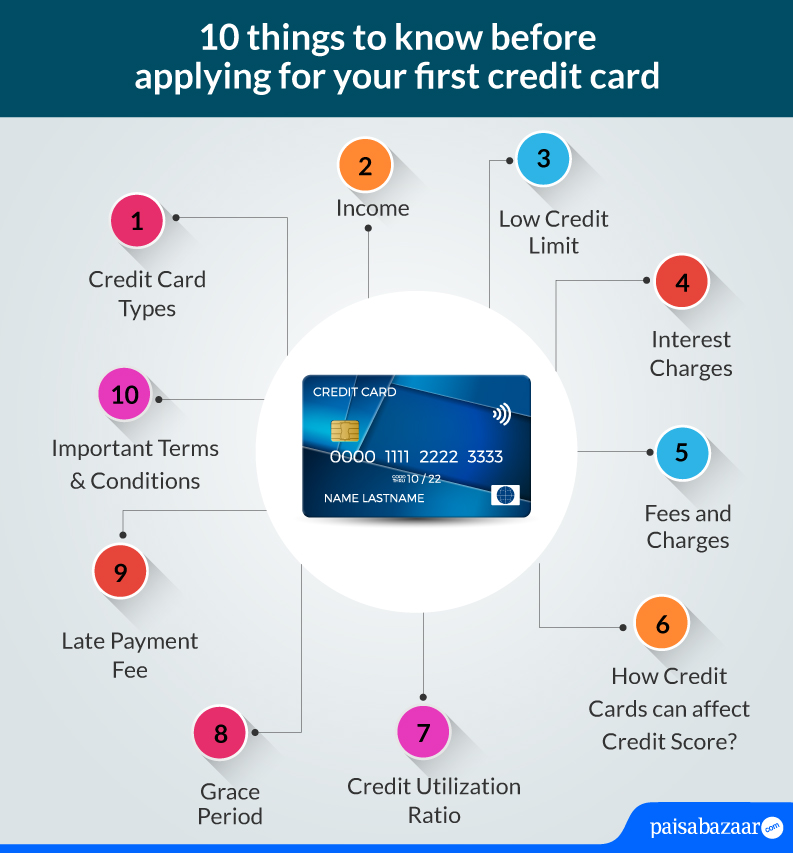
Applying for a credit card is a significant financial decision that should not be taken lightly. Before you even begin filling out an application, a thorough assessment of your financial standing and needs is paramount. Rushing into an application without due diligence can lead to unfavorable terms, rejection, or even detrimental impacts on your credit score.
Assessing Your Creditworthiness
The cornerstone of any credit card application is your creditworthiness. Lenders use this to gauge your ability and willingness to repay borrowed money. Your credit score and credit history are the primary indicators they rely on. Before applying, it’s highly advisable to obtain a copy of your credit report from each of the three major credit bureaus (Equifax, Experian, and TransUnion) and check your credit score. Websites like AnnualCreditReport.com provide free reports, and many financial institutions and credit card companies now offer free credit score monitoring.
Understanding your credit score—whether it’s excellent, good, fair, or poor—will help you identify which types of credit cards you’re likely to qualify for. Cards with premium rewards and low APRs typically require an excellent credit score, while secured cards or student cards are designed for those with limited or no credit history, or those looking to rebuild credit. Addressing any errors on your credit report before applying is also crucial, as even minor inaccuracies can negatively impact your eligibility. Your debt-to-income (DTI) ratio, which compares your monthly debt payments to your gross monthly income, is another factor lenders consider, indicating your capacity to take on new debt.
Defining Your Credit Card Needs
The vast array of credit cards on the market means there’s likely one perfectly suited to your lifestyle and financial goals, but only if you take the time to define what those are. Are you seeking to earn rewards on everyday spending, travel, or specific categories? Do you need a low interest rate for occasional balances, or a 0% introductory APR for a balance transfer or large purchase?
-
Rewards Cards: Offer points, miles, or cash back on purchases. Ideal for those who pay their balance in full each month and want to maximize benefits from their spending.
-
Low APR Cards: Feature lower-than-average interest rates, beneficial if you anticipate carrying a balance occasionally.
-
Balance Transfer Cards: Offer a promotional 0% APR for an introductory period, allowing you to transfer existing high-interest debt and pay it down interest-free.
-
Travel Cards: Provide benefits like airline miles, hotel points, airport lounge access, and travel insurance.
-
Cash Back Cards: Offer a percentage of your spending back as cash, often in specific categories or as a flat rate.
-
Building Credit Cards (Secured/Student Cards): Designed for those with limited or no credit history, helping them establish a positive credit profile.
Carefully considering how you intend to use the card will significantly narrow down your options and help you choose a product that genuinely adds value to your financial life.
Understanding Terms and Conditions
Before committing to any credit card, it is absolutely imperative to thoroughly read and comprehend the terms and conditions, often referred to as the “fine print.” This document outlines all the critical details of your agreement with the issuer. Key elements to pay close attention to include:
-
Annual Percentage Rate (APR): This is the interest rate you’ll pay on balances carried over month-to-month. Note the purchase APR, cash advance APR, and any penalty APRs. Understand if there’s an introductory 0% APR period and what the rate reverts to afterwards.
-
Annual Fees: Some cards, particularly premium rewards or travel cards, charge an annual fee. Weigh whether the benefits outweigh this cost.
-
Late Payment Fees: The cost incurred if you miss a payment due date.
-
Foreign Transaction Fees: A percentage charged on purchases made in a foreign currency or outside your home country. Crucial for international travelers.
-
Balance Transfer Fees: A fee, typically 3-5% of the transferred amount, for moving debt from one card to another.
-
Cash Advance Fees: A fee, plus typically a higher APR, for withdrawing cash using your credit card.
-
Grace Period: The time between the end of a billing cycle and your payment due date, during which no interest is charged on new purchases if you pay your statement balance in full.
A clear understanding of these terms will prevent unpleasant surprises and empower you to manage your card responsibly and cost-effectively.
Impact on Your Credit Score
Every time you formally apply for new credit, a “hard inquiry” is typically placed on your credit report. This inquiry temporarily dings your credit score by a few points and remains on your report for two years. While one hard inquiry isn’t usually detrimental, multiple inquiries in a short period can signal to lenders that you’re desperate for credit, potentially lowering your score more significantly and making it harder to get approved.
Therefore, it’s wise to limit the number of applications you submit within a short timeframe. Apply only for cards you genuinely need and believe you qualify for. Planning your applications strategically, perhaps consolidating them within a two-week window for similar types of credit (like multiple mortgage inquiries), can sometimes mitigate the impact on your score, as credit scoring models may treat them as a single search for credit. Approaching credit card applications thoughtfully, rather than haphazardly, is a critical component of responsible financial management.
The Application Process: Step-by-Step
Once you’ve done your research, assessed your creditworthiness, and identified the ideal credit card for your needs, the application process itself is generally straightforward, especially when conducted online. Knowing what to expect can help ensure a smooth and successful application.
Gathering Required Information
Before you begin filling out the application form, it’s prudent to gather all the necessary personal and financial information. This preparation will help you complete the application efficiently and accurately, reducing the chances of errors or delays. Typically, you’ll need:
-
Personal Information: Full legal name, date of birth, Social Security Number (SSN) or Individual Taxpayer Identification Number (ITIN), and U.S. citizenship or residency status.
-
Contact Information: Current residential address, phone number, and email address.
-
Employment Details: Your current employer’s name, your job title, and how long you’ve been employed. If self-employed, details about your business.
-
Income Information: Your gross annual income (before taxes). This includes wages, salaries, bonuses, commissions, tips, and investment income. For those 21 or older, you can also include any income to which you have a reasonable expectation of access (e.g., household income if you contribute to or benefit from it).
-
Housing Information: Your monthly housing payment (rent or mortgage), and whether you own, rent, or live with parents/other.
Having these details readily available will prevent you from having to pause the application to look up information, ensuring a seamless experience.
Online Application Forms vs. In-Person
The vast majority of credit card applications today are submitted online. This method offers unparalleled convenience and speed. Online forms are designed to be intuitive, guiding you through each section with clear prompts. Data entry is typically validated in real-time, helping to catch common errors. Furthermore, online applications benefit from digital security measures, including encryption, to protect your sensitive personal and financial data. Many issuers also provide instant application status updates, sometimes even offering immediate conditional approval or denial, which can be a significant time-saver.
While less common for individual applications, applying in-person at a bank branch or retailer offers a different experience. This can be advantageous if you prefer direct interaction, have complex questions, or require assistance with the form itself. A representative can clarify terms, explain options, and guide you through the process step-by-step. However, in-person applications might take longer, involve more paperwork, and typically don’t offer instant decisions, as the application still needs to be processed electronically. For most applicants, the efficiency and accessibility of online applications make them the preferred choice.
What Happens After You Apply
Once you’ve submitted your application, there are generally three possible outcomes:
-
Instant Approval: If your credit profile strongly aligns with the issuer’s criteria, you might receive an immediate approval message. This often comes with your credit limit and an estimated delivery date for your physical card.
-
Pending Review: This is a common outcome, especially if your application requires a closer look. It means the issuer needs more time to verify information, assess your creditworthiness in detail, or might even request additional documentation (e.g., proof of income). Don’t interpret a pending status as a denial; many approvals come after a period of review. You can often check the status online or by calling the issuer’s application support line.
-
Denial: If your application is denied, the issuer is legally required to send you an “Adverse Action Notice” detailing the specific reasons for the denial. Common reasons include a low credit score, high existing debt, insufficient income, a recent bankruptcy, or too many recent hard inquiries. This notice is valuable as it provides insights into areas you might need to improve to qualify for credit in the future.
Receiving Your Card and Activation
Upon approval, your new credit card will typically be mailed to your provided address within 7-10 business days. Once it arrives, the very first step is to activate it. Activation is a crucial security measure that ensures the card is received by the legitimate cardholder and prevents unauthorized use if the card is intercepted during mailing.
Activation methods usually include:
-
Calling a toll-free number provided on a sticker on the card or in the accompanying welcome packet.
-
Activating online through the issuer’s website or mobile app.
During activation, you’ll likely be asked to verify personal information. After activation, it’s essential to sign the back of your card immediately. Before making your first purchase, take the time to review the welcome packet, which contains your official cardholder agreement, details on rewards programs, and important contact information. This ensures you’re fully aware of all features and responsibilities associated with your new financial tool.
Beyond the Application: Responsible Credit Card Management
Acquiring a credit card is merely the first step; the true measure of financial acumen lies in its responsible management. A credit card, when used wisely, can be a powerful asset, building a robust credit history and providing financial flexibility. Mismanagement, however, can quickly lead to debt, damaged credit, and financial stress.
Making Timely Payments
The single most critical aspect of responsible credit card management is making your payments on time, every time. Missing a payment, even by a day, can result in late fees, an increase in your APR (penalty APR), and, most significantly, a negative mark on your credit report. Payment history accounts for 35% of your FICO score, making it the largest factor.
To ensure timely payments:
-
Set up automatic payments: Most issuers allow you to link a bank account and automatically pay your statement balance or minimum due on the due date. This is the most reliable method.
-
Set reminders: Use calendar alerts, phone reminders, or financial apps to remind you a few days before your due date.
-
Pay more than the minimum: While paying the minimum prevents late fees, it can lead to carrying a balance for years and accruing significant interest. Aim to pay your statement balance in full each month to avoid interest charges altogether.
-
Understand your due date: Be aware of your billing cycle and due date to avoid surprises.
Consistent, on-time payments are the bedrock of a healthy credit score and financial well-being.
Managing Your Credit Utilization Ratio
Your credit utilization ratio (CUR) is another critical factor influencing your credit score, accounting for 30% of it. It’s calculated by dividing the total amount of credit you’re currently using by your total available credit. For example, if you have a credit limit of $10,000 and a balance of $3,000, your CUR is 30%.
Lenders prefer to see a low CUR, ideally below 30% across all your credit accounts. A high CUR can indicate that you’re relying too heavily on credit and might be a higher risk. To keep your CUR low:
-
Pay off balances in full: This is the most effective way to keep your utilization at 0% for purchases.
-
Make multiple payments per month: If you use your card frequently, consider making smaller payments throughout the month rather than waiting for the statement due date.
-
Request a credit limit increase: If your spending habits are consistent, a higher credit limit (which you don’t fully utilize) will automatically lower your CUR. However, be cautious not to increase your spending just because your limit is higher.
-
Avoid closing old credit cards: Even if you don’t use them, old cards contribute to your total available credit, which helps keep your CUR low.
Strategically managing your CUR demonstrates responsible credit habits and positively impacts your credit score.
Understanding Your Statement
Your monthly credit card statement is more than just a bill; it’s a comprehensive report of your account activity. Taking the time to review it thoroughly is crucial for financial oversight and security. Key sections to examine include:
-
Summary of Account Activity: Shows your previous balance, payments received, new purchases, cash advances, fees, and interest charged.
-
New Balance and Minimum Payment Due: Clearly indicates how much you owe and the smallest amount you must pay by the due date.
-
Payment Due Date: The deadline for your payment to be considered on time.
-
Detailed Transaction List: Every purchase, return, and payment made during the billing cycle. Review this carefully for accuracy and to identify any fraudulent charges.
-
Rewards Summary: If applicable, this section will detail how many points, miles, or cash back you’ve earned.
-
Interest Charged and Fees: Itemizes any interest accrued and specific fees applied.
-
Important Messages: Often contains updates about your account, new offers, or changes to terms.
Regularly reviewing your statement helps you catch errors, identify potential fraud, track your spending, and understand the true cost of credit card usage.
Leveraging Card Benefits Wisely
Many credit cards offer a wealth of benefits beyond just revolving credit. These can range from purchase protections to extended warranties, travel insurance, roadside assistance, and exclusive access to events. Understanding and utilizing these benefits can add significant value and enhance your financial security.
-
Purchase Protection: If an item bought with your card is stolen or damaged shortly after purchase, some cards will reimburse you.
-
Extended Warranty: Automatically adds an extra year or more to the manufacturer’s warranty on eligible items.
-
Travel Insurance: Covers trip cancellations, lost luggage, car rental insurance, and more, when you book travel with your card.
-
Fraud Protection: Zero liability for unauthorized charges is a standard feature on most cards.
-
Price Protection: If an item you bought goes on sale within a certain timeframe, some cards will refund the difference.
Don’t let these valuable perks go unused. Familiarize yourself with your card’s benefits guide, often found in your welcome packet or online, and integrate them into your spending and travel habits to maximize the value you receive.

Avoiding Common Credit Card Pitfalls
While credit cards offer immense benefits, they also come with potential pitfalls if not managed responsibly. Being aware of these common mistakes is the first step in avoiding them.
-
Overspending: The ease of using a credit card can lead to impulse purchases and spending beyond your means. This is perhaps the most common trap, leading directly to debt.
-
Only Paying the Minimum: While it avoids late fees, consistently paying only the minimum due means you’re accruing interest on a large portion of your balance, significantly increasing the total cost of your purchases and extending the repayment period for years.
-
Accumulating High-Interest Debt: Carrying a large balance at a high APR can quickly spiral out of control, making it difficult to pay off the principal and draining your financial resources.
-
Ignoring Statements/Fees: Not reviewing statements means missing fraudulent charges, miscalculating interest, and overlooking annual or late fees that can compound over time.
-
Using Cash Advances: Cash advances typically come with very high APRs (often higher than purchase APRs), no grace period (interest accrues immediately), and additional transaction fees. They should be a last resort in extreme emergencies.
-
Closing Old Accounts Impulsively: While it might seem like a good idea to simplify, closing old, paid-off accounts can hurt your credit score by reducing your total available credit and shortening your average account age, thereby negatively impacting your credit utilization and credit history length.
By understanding these pitfalls and actively working to avoid them, you can harness the power of your credit card without falling victim to its downsides, maintaining a healthy financial standing and leveraging your card as a tool for growth, not a source of debt.
In conclusion, applying for a credit card is a multifaceted process that involves careful consideration, strategic planning, and ongoing responsible management. By understanding the various application avenues, thoroughly assessing your needs and creditworthiness, navigating the application process judiciously, and committing to sound financial habits, you can effectively leverage credit cards to build a strong financial foundation and enjoy the vast benefits they offer.
aViewFromTheCave is a participant in the Amazon Services LLC Associates Program, an affiliate advertising program designed to provide a means for sites to earn advertising fees by advertising and linking to Amazon.com. Amazon, the Amazon logo, AmazonSupply, and the AmazonSupply logo are trademarks of Amazon.com, Inc. or its affiliates. As an Amazon Associate we earn affiliate commissions from qualifying purchases.