
The Electronic Benefit Transfer (EBT) system has revolutionized how government assistance is distributed, moving away from paper coupons and checks toward a streamlined, debit-like experience. For millions of individuals and families, the EBT card is a vital financial tool that provides access to both nutritional assistance and essential cash benefits. However, while using an EBT card for groceries is relatively straightforward, accessing the “cash” portion of the benefits requires a more nuanced understanding of banking networks, retail policies, and fee structures.
Managing EBT cash benefits effectively is an exercise in personal finance. Because these funds are often used for critical non-food expenses—such as rent, utilities, clothing, and transportation—knowing exactly where and how to withdraw them without losing a portion of the balance to fees is essential for maintaining financial stability.
The Mechanics of EBT: Distinguishing Between Food and Cash Benefits
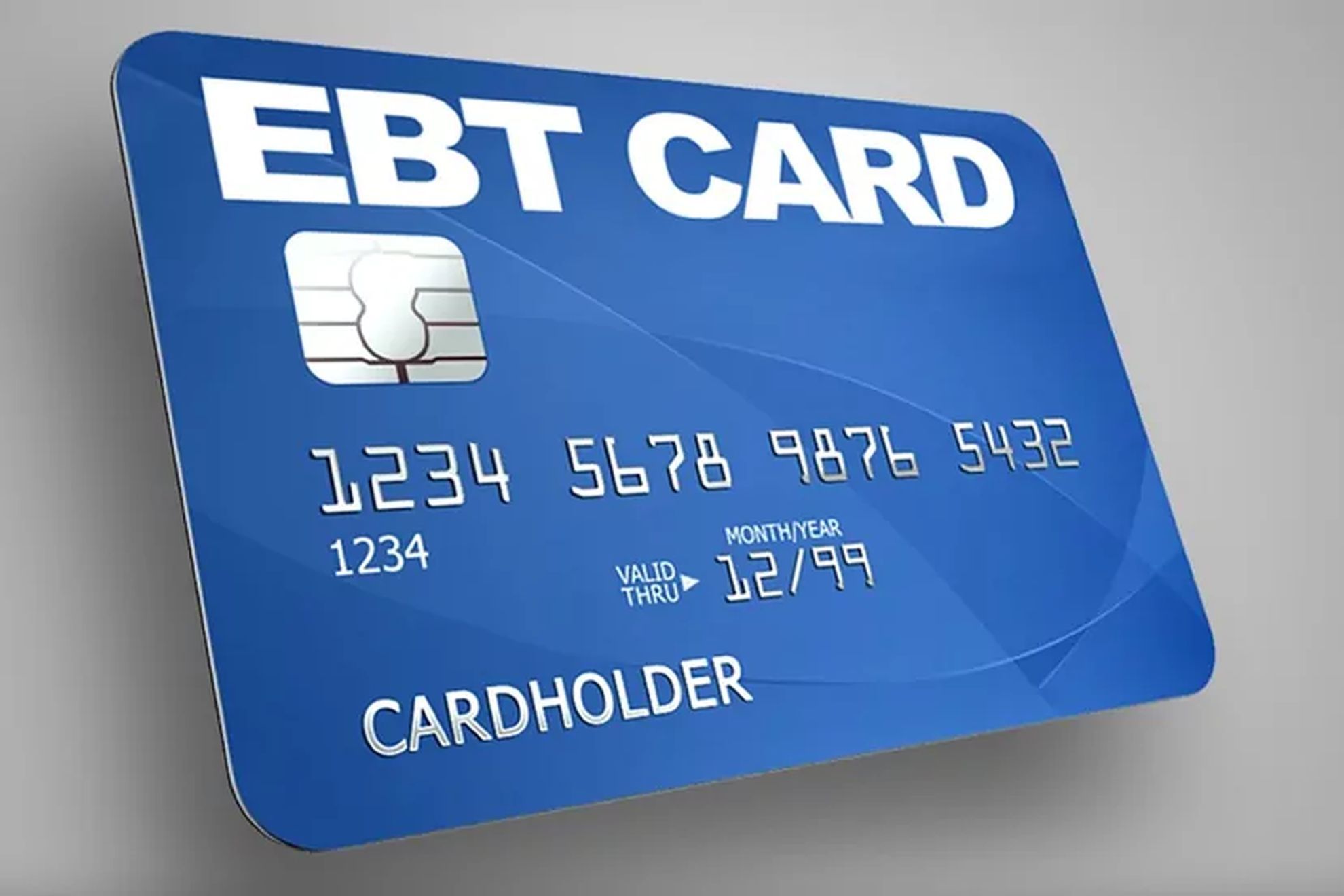
Before identifying withdrawal locations, it is crucial to distinguish between the two primary types of assistance loaded onto an EBT card. An EBT card acts as a single gateway to two separate accounts: SNAP and Cash Assistance.
SNAP (Supplemental Nutrition Assistance Program)
SNAP benefits are strictly reserved for eligible food items at authorized retailers. These funds cannot be withdrawn as cash at an ATM or through “cash back” at a register. They are programmed to be used only for transactions involving approved nutritional products.
Cash Assistance (TANF and General Assistance)
The cash portion of an EBT card typically comes from programs like Temporary Assistance for Needy Families (TANF), Refugee Cash Assistance, or state-specific general relief programs. Unlike SNAP, these funds are versatile. They are intended to cover basic living expenses that cannot be paid for with food stamps. Because these funds are flexible, the EBT system allows cardholders to withdraw them as physical currency, effectively treating the EBT card like a standard bank debit card.
Understanding which account your funds are in is the first step in financial management. If you attempt to withdraw cash but only have a SNAP balance, the transaction will be declined, potentially resulting in a “denied transaction” fee depending on your state’s specific EBT contract.
Primary Withdrawal Methods: ATMs and Point-of-Sale
Accessing physical cash from an EBT account generally happens through two primary channels: Automated Teller Machines (ATMs) and Point-of-Sale (POS) terminals at retail locations.
Leveraging the ATM Ecosystem
Most EBT cards are part of the “Quest” network, a national standard for EBT transactions. Any ATM displaying the Quest logo—a distinct graphic featuring a red Q and a blue checkmark—is equipped to handle EBT cash withdrawals.
-
Bank ATMs: Many major national and regional banks allow EBT withdrawals. High-traffic banks like Chase, Wells Fargo, and Bank of America often participate in the network. However, it is important to note that while the bank may allow the withdrawal, they may charge a “surcharge” for using their machine if you do not have a private account with them.
-
Independent ATMs: These are often found in convenience stores, gas stations, and malls. While convenient, these machines are notorious for having the highest surcharge fees, sometimes exceeding $3.00 to $5.00 per transaction. For someone on a fixed income, these fees represent a significant percentage of their monthly liquidity.
Point-of-Sale (POS) and Cash Back
For many, the most cost-effective way to withdraw EBT cash is through a retail POS terminal. This can be done in two ways:
-
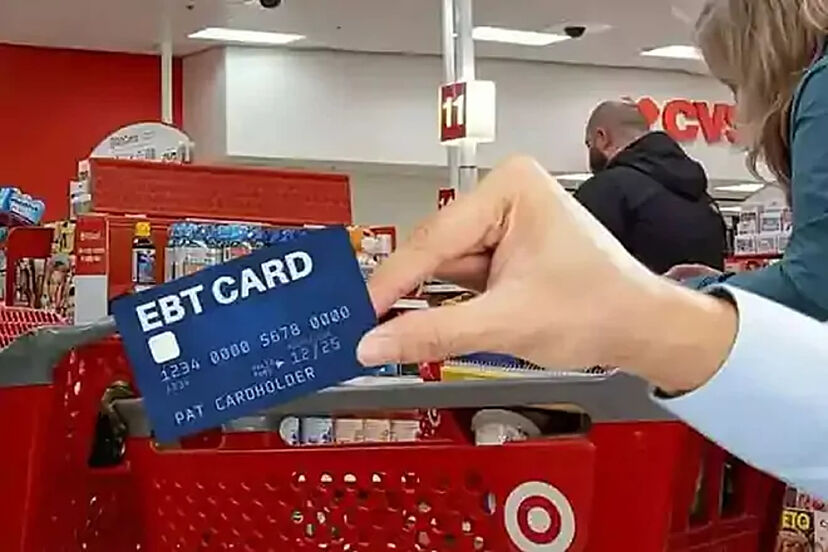
Cash Back with Purchase: Many grocery stores, such as Walmart, Kroger, Safeway, and Aldi, allow users to receive “cash back” when making a purchase using their EBT cash account. By buying a small, inexpensive item, the user can request an additional amount of cash to be added to the transaction total and handed over by the cashier.
-
Cash-Only Transactions: Some retailers allow “cash-only” withdrawals at the customer service desk or the register without requiring a purchase. This is often the preferred method for those who want to avoid the “purchase requirement” while still bypassing ATM fees.
Strategic Financial Management: Avoiding Unnecessary Fees
In personal finance, the goal is always to maximize the value of every dollar. With EBT cash, fees are the primary “leak” in a household budget. There are two types of fees that cardholders must navigate:
Transaction Fees
Some state EBT programs allow a certain number of free cash withdrawals per month (often two or three). After this limit is reached, the state may charge a small fee (usually around $0.25 to $1.00) for every subsequent withdrawal. These fees are deducted directly from the EBT cash balance.
Surcharge Fees
Surcharges are fees charged by the owner of the ATM, not the EBT program. To avoid these, cardholders should look for “surcharge-free” ATMs. Many states have partnered with specific banks or credit unions to provide fee-free access to EBT participants. Additionally, some credit union networks and retail-based ATMs (like those found in certain 7-Eleven locations) may offer surcharge-free transactions depending on the state’s contract.
Best Practices for Fee Avoidance
To keep your benefits intact, consider the following strategies:
-
Plan Large Withdrawals: Instead of making five $20 withdrawals throughout the month and potentially incurring multiple fees, plan one or two larger withdrawals.
-
Use Retailers for Cash Back: Since most retailers do not charge a surcharge for cash back, this is often the most economical way to access funds.
-
Know Your State’s Rules: Every state manages its EBT contract differently. Some states offer unlimited free withdrawals at specific bank brands. Reviewing your state’s EBT handbook or website can save dozens of dollars over the course of a year.
Technology and Tools for EBT Oversight
As the financial world moves toward digital-first solutions, EBT management has followed suit. Several tools exist to help cardholders track their balances and find withdrawal locations.
Official State Apps and Portals
Most states now offer a dedicated mobile app or a secure web portal (such as ebtEDGE or ConnectEBT). These platforms allow users to:
-
View real-time balances for both SNAP and Cash accounts.
-
Review transaction history to identify unauthorized charges or fee patterns.
-
Search for authorized retailers and ATM locations nearby.
-
Change or reset their PIN for added security.
Third-Party Financial Apps
There are also reputable third-party apps, such as “Providers” (formerly Fresh EBT), that aggregate EBT information into a user-friendly interface. These apps often include “maps” that highlight surcharge-free ATMs and stores that accept EBT, making it easier for users to manage their personal finances on the go. These tools are particularly useful for finding the nearest location to withdraw cash when in an unfamiliar neighborhood.
Safeguarding Your Financial Security
Because EBT cash benefits represent a significant portion of a household’s purchasing power, they are often targets for fraud. Managing EBT cash requires the same level of vigilance as managing a traditional bank account.
PIN Safety and Skimming
The PIN is the only thing standing between a thief and your benefits. Never write the PIN on the back of the card or keep it in your wallet. When withdrawing cash at an ATM or using a POS terminal, always shield the keypad with your hand.
Skimming—the practice of placing illegal devices over card readers to steal data—is a growing concern. Before inserting your card into an ATM, give the card slot a quick tug. If it feels loose or looks bulky, do not use it. EBT cards often lack the “chip” technology found in modern credit cards, making them more susceptible to traditional magnetic stripe skimming.
Physical Safety During Withdrawals
When withdrawing physical cash, physical security is just as important as digital security.
-
Use Well-Lit Locations: Prefer ATMs located inside grocery stores or banks rather than standalone machines in dark corners.
-
Be Aware of Your Surroundings: If you notice suspicious individuals loitering near an ATM, find another location.
-
Count Your Cash Privately: Never count your money while standing at the ATM. Secure the cash in your wallet or pocket immediately and count it once you are in a safe, private location like your car or home.
Reporting Issues
If your card is lost, stolen, or if you notice unauthorized transactions, you must report it immediately to your state’s EBT customer service line. While some states have protections for stolen benefits, the process for reimbursement can be lengthy. Immediate reporting is the best way to freeze the account and prevent further loss.
By treating the EBT card as a serious financial instrument and understanding the logistics of cash withdrawals, cardholders can ensure that their benefits are used as intended—to provide a foundation of financial security and support for their families. Knowledge of where to go, how to avoid fees, and how to stay safe turns a simple plastic card into a powerful tool for economic stability.
aViewFromTheCave is a participant in the Amazon Services LLC Associates Program, an affiliate advertising program designed to provide a means for sites to earn advertising fees by advertising and linking to Amazon.com. Amazon, the Amazon logo, AmazonSupply, and the AmazonSupply logo are trademarks of Amazon.com, Inc. or its affiliates. As an Amazon Associate we earn affiliate commissions from qualifying purchases.